









In the vast, intricate tapestry of the animal kingdom, evolution has crafted a myriad of strategies to combat the cellular chaos of cancer. While some species, such as the long-lived bowhead whale or the seemingly indestructible naked mole-rat, have evolved robust biological defenses against malignancy, others are far more vulnerable. Among the latter, a vibrant, distinctively colored reptile has emerged as an unlikely beacon of hope for medical science: the "lemon frost" leopard gecko.
A groundbreaking study, recently published in the journal BMC Biology and led by the University of Nottingham, suggests that this specific morph of gecko—notorious for its high cancer rate—could serve as a revolutionary tool in the global fight against human tumors. By mapping the genetic architecture of these reptiles, scientists have unlocked a new model that promises to change how we understand the genesis, progression, and metastasis of cancer.
The Main Facts: A Genetic Paradox
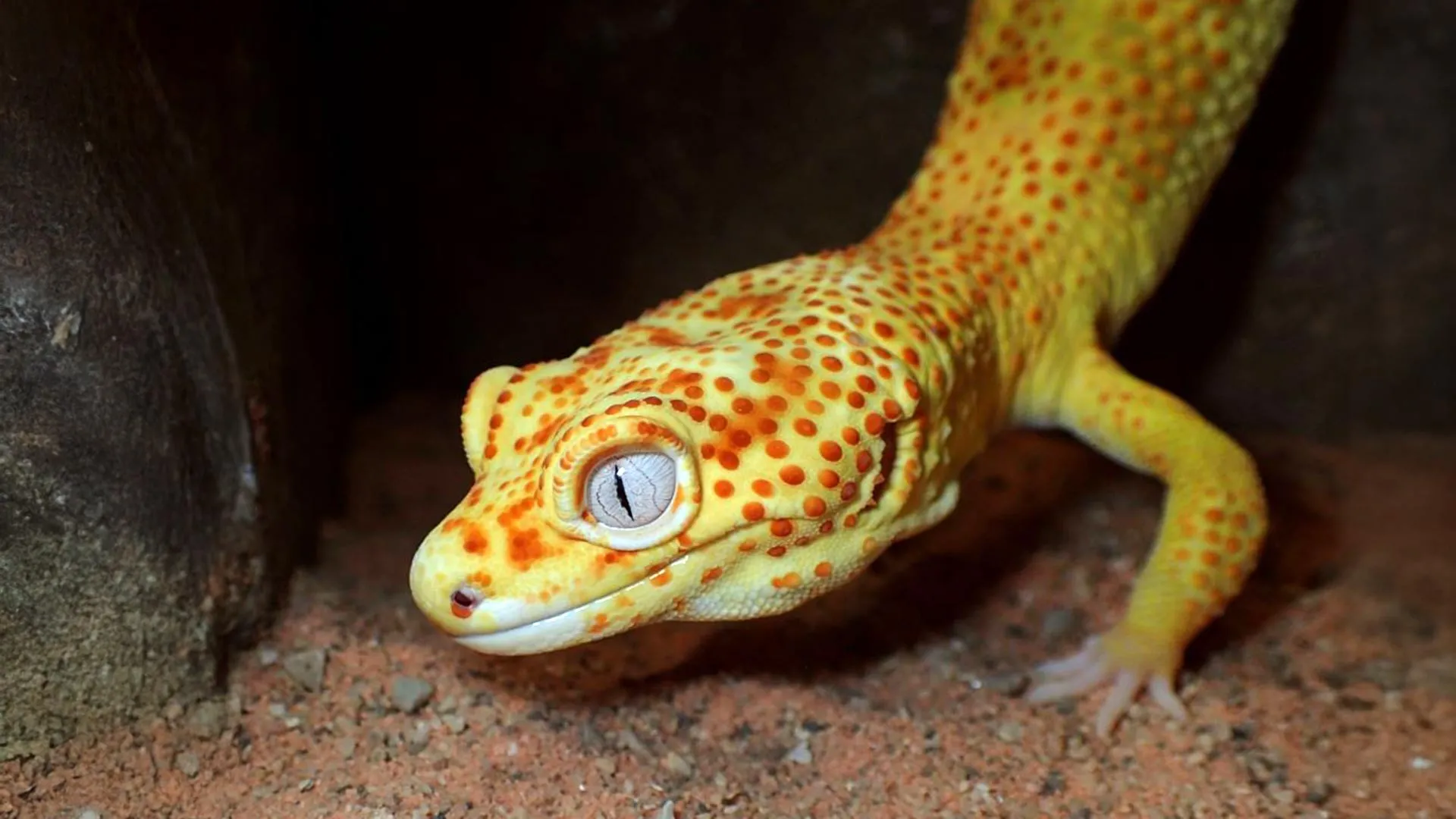
The lemon frost leopard gecko is a marvel of selective breeding. Characterized by its striking, luminous white and yellow skin, the morph was born from a spontaneous genetic mutation within a commercial breeding colony. However, the same mutation that produces its aesthetic brilliance carries a heavy biological price: approximately 80% of lemon frost geckos develop aggressive tumors.
Unlike laboratory mice, which typically require researchers to artificially induce tumor growth through chemical or genetic manipulation, the lemon frost gecko develops these malignancies naturally. Furthermore, these tumors frequently metastasize, or spread, to other regions of the body—a hallmark of aggressive human cancers.
The research team, a multidisciplinary group of international experts, identified a recurring set of genetic changes in these geckos that mirror those found in human oncological pathways. By identifying these shared genetic signatures, researchers have confirmed that the mechanisms driving cancer in these small reptiles are strikingly similar to those that plague humans, establishing the gecko as a rare, naturally occurring "laboratory" for cancer study.
A Chronology of Discovery
The emergence of the lemon frost gecko as a scientific subject follows a timeline that bridges the gap between the niche hobbyist pet trade and high-level genomic medicine.
- The Origin (The 2010s): The lemon frost morph first appeared in the commercial reptile trade. Breeders initially celebrated the unique phenotype, but the celebration was short-lived. Within a few generations, it became apparent that the mutation was linked to high rates of iridophoroma—a type of skin cancer.
- The Recognition (2018–2020): Veterinarians and researchers, including those at the University of Florida and beyond, began documenting the prevalence of these tumors. It was observed that the cancer was not merely incidental but systemic to the morph’s genetic makeup.
- The Genomic Investigation (2021–2023): Dr. Ylenia Chiari, then of the University of Nottingham, spearheaded an international effort to decode the reptile’s genome. The team utilized whole genome sequencing to compare healthy tissue against tumor samples, looking for the "driver mutations" responsible for the rapid, unchecked cell growth.
- Publication (2024): The study was officially published in BMC Biology, detailing the correlation between the gecko’s genetic mutations and human cancer pathways, effectively marking the transition of the lemon frost gecko from a "pet trade tragedy" to a "scientific breakthrough model."
Supporting Data: Decoding the Genome
The study’s methodology represents a milestone in comparative oncology. The researchers employed high-throughput genomic software—tools originally designed to analyze human tumor sequences—to dissect the gecko’s DNA.
The Genetic Overlap
The team found that the genetic changes in the lemon frost gecko involve pathways governing cell signaling, DNA repair, and the regulation of the cell cycle. Many of the genes identified in the gecko are direct homologs of genes like PTEN or p53—the "guardians of the genome" that are frequently mutated in human cancers.
Metastasis Under the Microscope
One of the most critical aspects of the study is the observation of metastasis. In human clinical trials, the transition from a localized tumor to a metastatic one is often difficult to predict or observe in real-time. Because these geckos develop tumors naturally and at a young age, they allow scientists to observe the "natural history" of the disease. This longitudinal data is invaluable for testing drugs designed to prevent the spread of cancer before it becomes incurable.
Official Responses: Insights from the Experts
The research team, comprised of specialists from the University of Nottingham, the University of Birmingham, Marquette University, the University of Florida, and the University of Trieste, emphasizes that this study is about more than just reptiles—it is about the power of biodiversity.
Dr. Ylenia Chiari, the lead researcher, noted: "By studying why some animals are so susceptible to cancer while others are remarkably resistant, we hope to uncover the different ways species have evolved to deal with cancer. Specifically, this gecko could become an incredible model in cancer research because tumors appear naturally at a relatively early age."
Brandon Hastings, a PhD researcher on the project, highlighted the methodological versatility of the study: "Overall, our paper demonstrates the importance of looking across the tree of life in search of answers that are needed to better understand diseases that can have a profound impact on human life, such as cancer. Methodologically, it also highlights that the variety of genomic software programs developed to analyze human cancers can be adapted to provide meaningful insights in diverse organisms."
Dr. Scott Glaberman, of the University of Birmingham, underscored the environmental and philosophical implications: "We often look inward to solve human problems, but every species has something to teach us. By studying both animals that are vulnerable to cancer and those that resist it, we have far greater power to understand the disease itself. This is one of the many reasons why protecting biodiversity is so important."
Implications: The Future of Comparative Oncology
The implications of this study are profound, touching on ethics, drug development, and the very philosophy of medical research.
1. Reducing Reliance on Artificial Models
Traditional cancer research has relied heavily on "knockout" mice, where cancer is forced upon the subject. While these models have provided immense value, they often fail to capture the complexity of cancer that arises from environmental, aging, or spontaneous genetic factors. The lemon frost gecko provides a "natural" model, which may produce more clinically relevant data for human therapies.
2. A New Frontier in Precision Medicine
By identifying the specific mutations that trigger tumor growth in the gecko, researchers can now use these reptiles to screen for new therapeutics. If a drug successfully suppresses tumor growth in the gecko, it provides a "proof-of-concept" that justifies further investigation in human clinical trials. This could significantly shorten the discovery-to-patient timeline.
3. The Ethical Imperative of Biodiversity
Perhaps the most significant takeaway is the argument for preserving global biodiversity. If we allow species to go extinct, we are effectively burning the library of life before we have even read the books. The lemon frost gecko serves as a poignant reminder that even "abnormal" or "mutated" populations within the natural world can contain the keys to solving our most intractable medical challenges.
4. Broadening the Genomic Toolbox
Finally, the success of this study proves that modern genomic tools are not siloed to human or lab-rat datasets. By successfully adapting human-centric software to analyze reptilian genomes, the team has opened the door for similar studies in other non-traditional species, from long-lived deep-sea fish to resilient amphibians.
Conclusion
The lemon frost leopard gecko, once a mere curiosity of the pet trade, has transcended its origins to become a vital subject in the global pursuit of cancer cures. As scientists continue to unravel the complex genetic dialogue between this small reptile and the disease that plagues it, they are confirming a fundamental truth of modern biology: the secrets to human health are often hidden in the most unexpected corners of the natural world. By embracing the full spectrum of life’s diversity, we are better equipped than ever to confront the cellular complexity of cancer, moving closer to a future where such diseases are not merely managed, but understood and conquered.