






For many adults, the physical markers of aging—specifically the loss of muscle mass and skin elasticity—often manifest first in the upper arms. As we cross the 55-year threshold, a combination of declining collagen production and age-related sarcopenia (muscle loss) can lead to a "softer" appearance in the triceps area, regardless of whether one’s body weight has remained stable.
For years, the fitness industry has funneled aging adults toward heavy iron, suggesting that the only path to firmer arms is through repetitive, heavy dumbbell curls. However, a growing consensus among personal trainers and physical therapists suggests that for those over 55, the "heavier is better" approach is often a recipe for joint strain rather than aesthetic improvement.
The Physiological Shift: Why Arms Change After 55
To understand how to effectively tone the arms, one must first understand the biological landscape of the body after 55. Muscle protein synthesis becomes less efficient, and the connective tissue—specifically collagen—loses the structural integrity it once possessed. This results in skin that may appear thinner or less taut, particularly on the triceps, the muscle group responsible for two-thirds of your upper arm volume.
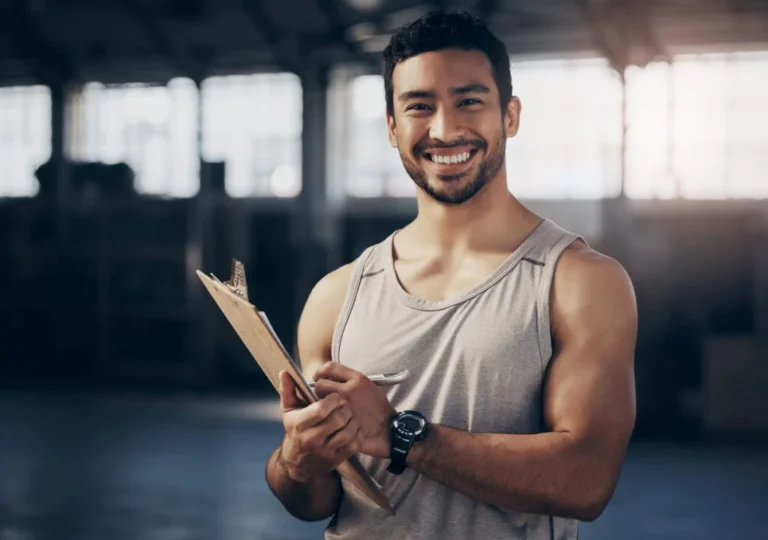
"Many of my clients come to me convinced that their only hope is to pick up heavier dumbbells," says Tyler Read, a certified personal trainer with 15 years of experience. "What they don’t realize is that isolation exercises—like standard bicep curls—often do very little to address the structural sagging. Firmer arms are a byproduct of functional, multi-joint strength. When we focus on the triceps, shoulders, and upper back in tandem, we create a more stable foundation that actually changes the look of the arm."
Chronology of Improvement: What to Expect
Building muscle definition after 55 is not about the intensity of a single workout, but the consistency of a routine.
- Weeks 1–2 (The Neurological Phase): During the first fortnight, the primary change is not muscle growth, but "neuromuscular adaptation." The brain becomes more efficient at signaling the muscles to fire. Clients often report feeling more "awake" in their arms and notice improved posture.
- Weeks 3–6 (The Endurance Phase): As the body adapts to resistance band and bodyweight training, individuals typically see an increase in muscular endurance. Activities like carrying groceries or pushing open heavy doors begin to feel effortless.
- Weeks 8–12 (The Structural Phase): By the second and third month, consistent movement—coupled with adequate protein intake—begins to yield visible results. The skin appears tauter as the underlying muscle tone increases, and the triceps begin to show more definition.
Supporting Data: Why Resistance Bands and Bodyweight Win
The shift away from heavy weights is backed by sound physiological principles. When training over the age of 55, the primary goal is to provide enough stimulus to trigger muscle protein synthesis without overwhelming the tendons and joints, which may have reduced synovial fluid levels or minor wear and tear.
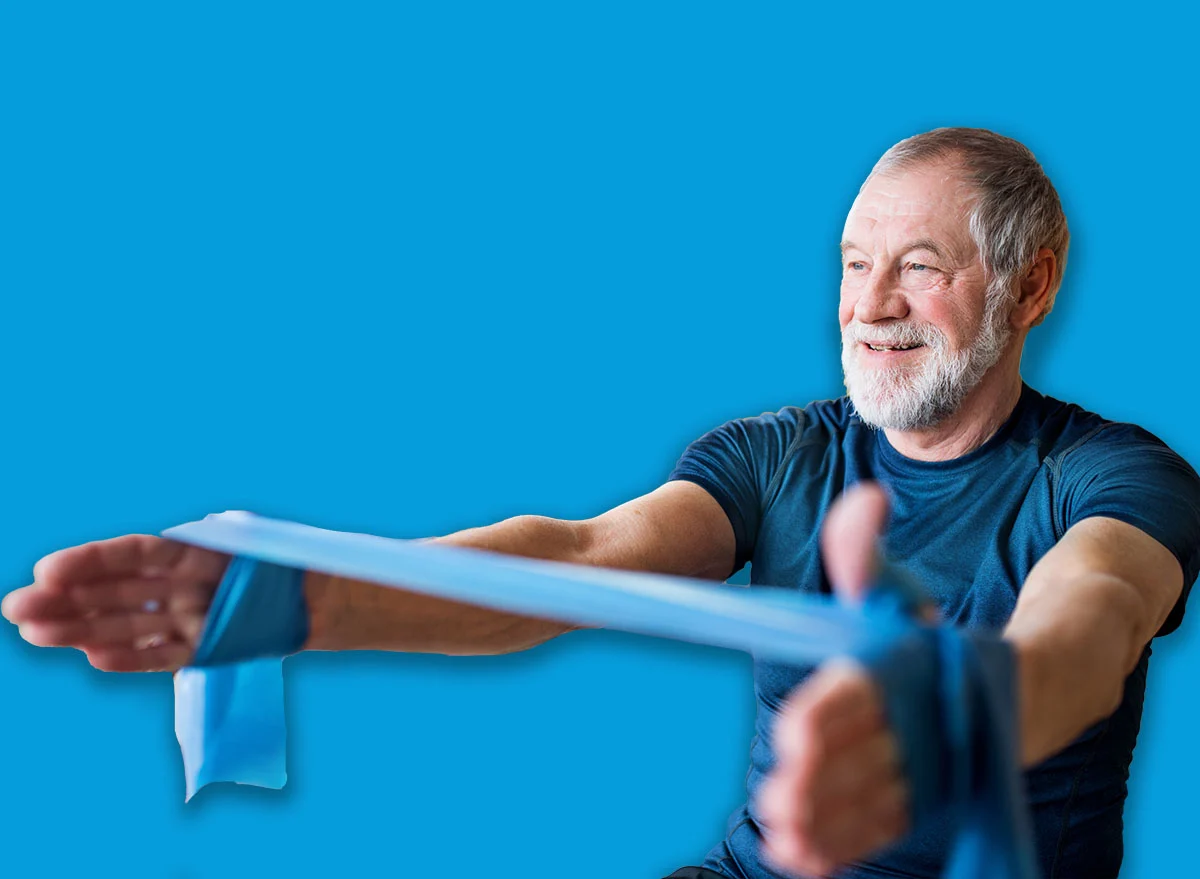
Resistance bands offer a unique advantage: they provide "variable resistance." As the band stretches, the tension increases, which forces the muscle to work harder at the peak of the contraction. This creates a safer environment for the elbows, which are frequent sites of tendonitis in older adults. Furthermore, bodyweight exercises like wall push-ups allow for a "closed-chain" movement, which promotes better shoulder stability and core engagement compared to the "open-chain" movement of lifting a dumbbell.
Five Essential Movements for Arm Definition
To achieve professional-level results, these five exercises should be integrated into a weekly routine.
1. Wall Push-Ups: The Foundation
The wall push-up is the gold standard for chest, shoulder, and triceps development in the over-55 demographic. By using the wall, you eliminate the excessive gravity load of a floor push-up, allowing you to focus entirely on form and muscle engagement.
- The Technique: Stand arm’s length from a wall. Place palms flat at shoulder height. Keeping your core tight, slowly bend your elbows to bring your chest toward the wall. Push back to the start.
- The Benefit: It engages the core and stabilizers, preventing the "slouching" that often accompanies aging, while directly targeting the back of the arms.
2. Resistance Band Triceps Press-Downs
Since the triceps are the "engine" of the arm, they require targeted attention. A press-down using a band provides constant tension that is impossible to replicate with a static weight.
- The Technique: Anchor a band to a high point (or hold it with one hand overhead). Keep your elbow pinned to your side and extend your forearm downward until your arm is straight.
- The Benefit: This isolates the triceps with zero impact on the elbow joint, making it ideal for those with previous joint sensitivities.
3. Resistance Band Pull-Aparts
Often, arm "sag" is actually a symptom of poor posture. When shoulders roll forward, the skin on the back of the arms loses its natural alignment.
- The Technique: Hold a band in front of you with arms straight. Pull the band apart by squeezing your shoulder blades together.
- The Benefit: This strengthens the rear deltoids and rhomboids, correcting posture and creating a "lifted" appearance throughout the entire upper body.
4. Modified Chair Triceps Dips
Dips are notoriously hard on the shoulders, but the modified version is a game-changer.
- The Technique: Sit on the edge of a sturdy chair. Place hands beside your hips. Scoot off the chair, but keep your back close to the seat. Bend your elbows only to a 45-degree angle—do not go all the way down.
- The Benefit: This controlled range of motion keeps the tension on the triceps while keeping the shoulder joint in a safe, neutral position.
5. Overhead Resistance Band Press
This is the ultimate functional movement. It forces the triceps and shoulders to work in unison to stabilize a load above the head.
- The Technique: Stand on the center of the band. Hold the handles at shoulder height and press upward until your arms are locked out.
- The Benefit: It mimics the real-world motion of reaching for items on high shelves, building the "capable" strength that defines a youthful, healthy physique.
Official Perspectives: Professional Recommendations
Experts in gerontology and sports science agree that the "use it or lose it" mantra is literal. After 55, the body requires a higher threshold of stimulation to maintain muscle mass. According to the American College of Sports Medicine, resistance training is no longer optional for aging adults; it is a clinical necessity for metabolic health and bone density.
"The goal is not just aesthetic," notes Read. "It is about autonomy. When you have strong triceps and stable shoulders, you are less likely to experience falls, more likely to remain independent, and you certainly feel more confident in your clothing. We aren’t just firming arms; we are fortifying the body against the natural progression of time."
Implications: The Path Forward
The implications of this training philosophy are clear: you do not need a commercial gym membership or heavy equipment to reverse the signs of aging in your upper arms. The modern approach to fitness after 55 prioritizes joint longevity and functional movement.
By dedicating just 15 minutes, three times a week, to these movements, you are signaling to your body that it needs to maintain muscle tissue rather than letting it atrophy. As you build this strength, the "softer" appearance of the arms will naturally dissipate, replaced by the firm, capable muscle tone that serves as a testament to your commitment to health.
Ultimately, the goal is to build a body that feels as good as it looks. By shifting focus from the vanity of isolation exercises to the utility of functional, multi-joint movements, you aren’t just turning back the clock—you are ensuring that your arms remain strong, defined, and capable of handling whatever the next decade brings.