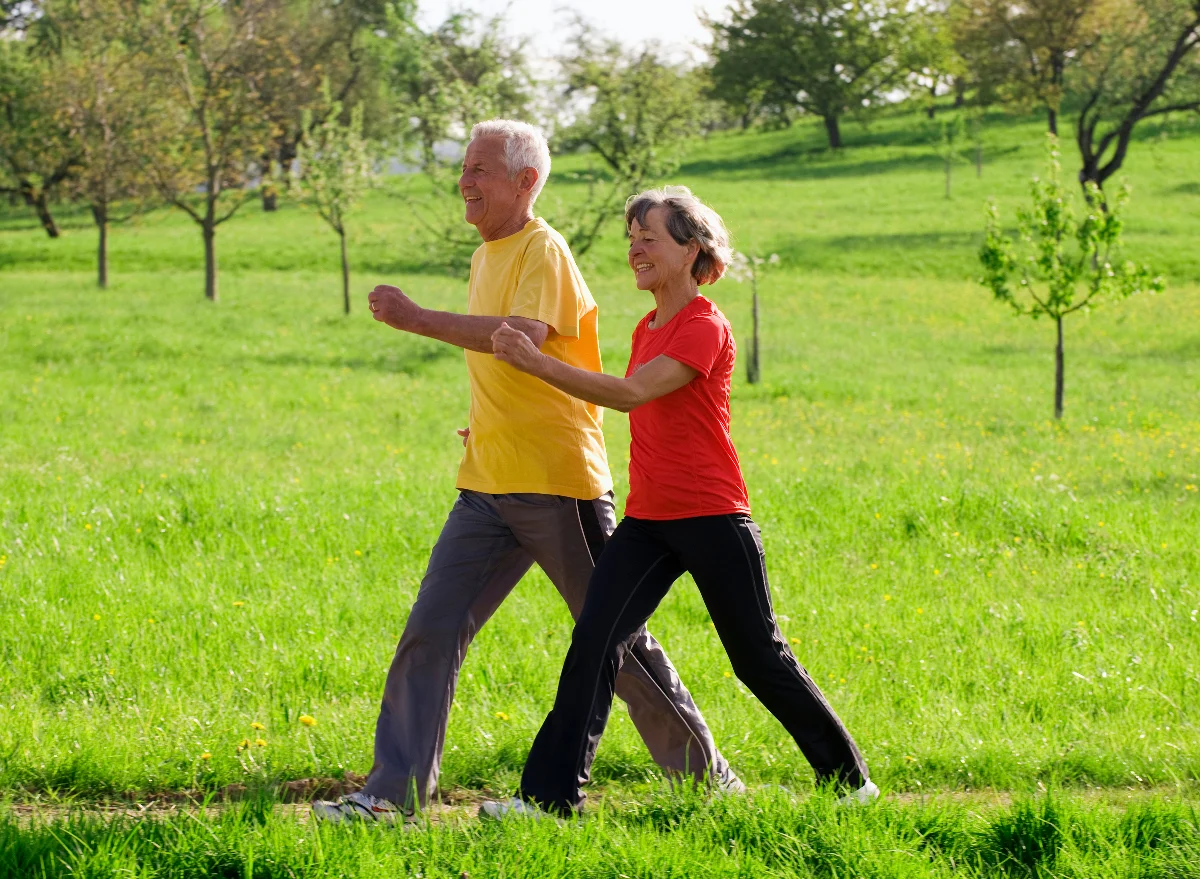
Do you wake up feeling like your joints are rusted shut? If you’ve ever noticed that the first few steps out of bed are accompanied by a nagging stiffness or a "creaky" sensation in your knees, you are far from alone. For millions of adults, particularly those over the age of 60, the difference between "warmed up" and "ready for the day" is a physiological hurdle that becomes increasingly prominent as the years pass.
While it is common to reach for the squat as the "gold standard" of lower-body exercise, a singular focus on this movement can actually be counterproductive if the surrounding musculature is not adequately prepared. True knee health requires a holistic approach: the thighs must extend the joint, the hips must act as the primary stabilizers for alignment, and the lower leg must remain steady as the body’s center of gravity shifts.
In this deep dive, we explore why knee stiffness occurs, the biomechanical necessity of multi-planar training, and a specialized four-move morning protocol designed to restore fluid movement without the need for a gym membership or heavy iron.
The Physiology of Morning Stiffness
The sensation of morning stiffness is largely a result of the body’s natural inflammatory response and the viscosity of synovial fluid within the joint capsule. During sleep, our activity levels drop significantly, causing the lubricating fluid in our joints to thicken. Furthermore, as we age, the cartilage that cushions the ends of our bones can experience minor wear and tear, making the transition from rest to movement more noticeable.
"The knee is a hinge joint, but it does not operate in a vacuum," explains Jarrod Nobbe, MA, CSCS, a national-level sports performance coach. "The knee is essentially a hostage between the hip and the ankle. If the hip is weak, the knee takes the brunt of the load. If the ankle lacks mobility, the knee compensates. Therefore, to fix the knee, you have to look at the entire kinetic chain."
When we move, the muscles around the joint—the quadriceps, hamstrings, and glutes—begin to engage, pumping blood into the tissues and warming the synovial fluid, which essentially "oils" the joint. A focused, low-impact morning routine can accelerate this process, turning a stiff morning into a productive day.
The Biomechanics of Stability
The primary goal of any knee-strengthening regimen is "tracking." Proper tracking refers to the alignment of the kneecap (patella) as it moves through the groove of the femur. When a knee "collapses" inward (medial collapse) during movement, it puts undue stress on the ligaments and the meniscus.
To ensure your knees track cleanly, you must engage the gluteus medius—the muscle on the side of your hip—which acts as the steering wheel for your lower body. By integrating lateral movements and single-leg stability exercises, we can train the brain and the muscles to keep the knee in a safe, neutral path, regardless of whether you are climbing stairs or simply walking to the kitchen.
The Four-Move Morning Protocol
This sequence is designed to be performed in the comfort of your home. Each movement is chosen for its ability to reinforce functional patterns rather than merely building bulk.
1. Supported Split Squat: The Single-Leg Foundation
The split squat is superior to the traditional bilateral squat for those with knee sensitivity because it shifts the load to one leg at a time, allowing for greater balance and control.
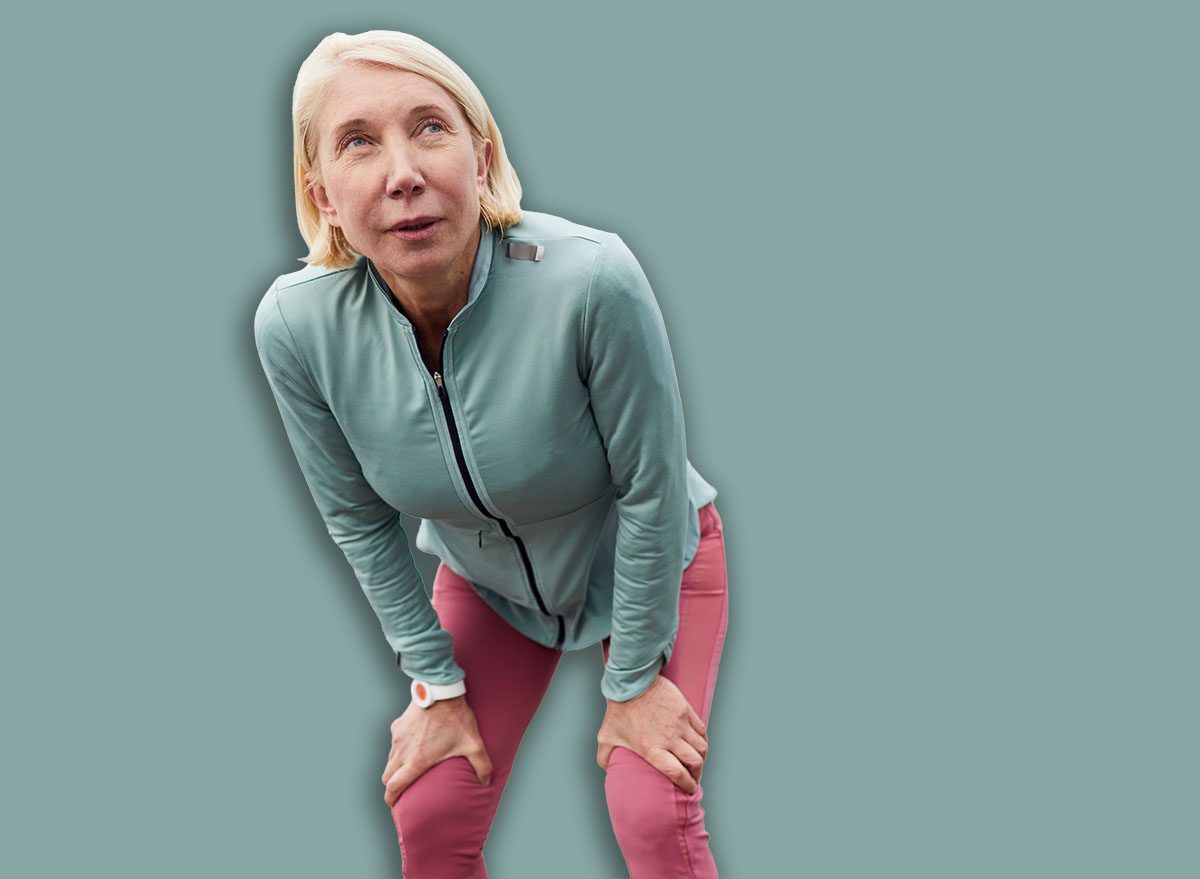
- The Benefit: By using a wall or a sturdy kitchen counter for support, you can focus on the depth of the lunge without the fear of losing your balance. This movement forces the quadriceps and glutes to work in isolation, smoothing out muscular imbalances.
- Execution: Stand with one foot in front of the other. Lower your back knee toward the floor, keeping your front heel planted. Use your support to ensure your front knee stays in line with your toes.
- Volume: 3 sets of 8–10 reps per side. Rest 45–60 seconds between sets.
2. Lateral Band Walk: The Hip Stabilizer
The lateral band walk is the secret weapon for preventing knee valgus (the inward collapse of the knees). By placing a resistance band just above the knees or around the ankles, you create a demand for the glutes to work harder to keep the legs abducted.
- The Benefit: This is an "impact-free" way to strengthen the outer hips. Stronger outer hips take the pressure off the medial compartment of the knee, which is often the site of pain for many older adults.
- Execution: With a light resistance band in place, adopt a "quarter-squat" stance. Step to the side, maintaining tension on the band. Keep your toes facing forward—not outward—to maximize glute recruitment.
- Volume: 3 sets of 8–12 steps per direction.
3. The Sit-to-Stand: Functional Independence
We perform the "sit-to-stand" dozens of times every day, yet we rarely treat it as a deliberate exercise. By practicing this under controlled conditions, you build the "motor memory" required to move confidently throughout the day.
- The Benefit: The chair provides a clear, safe target for your depth. It eliminates the anxiety of "how low should I go?" while ensuring the glutes are fully activated at the bottom of the movement.
- Execution: Sit on a sturdy chair. Lean your chest slightly forward, drive through your heels, and stand tall, fully extending your hips. Tap the seat lightly on the way down—do not collapse into it.
- Volume: 3 sets of 10–12 reps.
4. Low Box Step-Up: The Stair-Climbing Essential
Stairs are a common pain point for those with knee issues. The low box step-up mimics the exact biomechanical pattern of climbing, allowing you to strengthen the muscles required for stairs in a safe, controlled environment.
- The Benefit: This movement forces the lead leg to do the work of lifting the body weight, improving both strength and proprioception (the body’s ability to perceive its position in space).
- Execution: Using a low, stable step or the bottom stair, place one foot firmly on the surface. Drive through that heel to lift your body, focusing on a smooth, controlled ascent. Avoid "pushing off" with the trailing foot.
- Volume: 3 sets of 8–10 reps per side.
Implications for Long-Term Mobility
The implications of adopting this routine extend far beyond the elimination of morning stiffness. Research published in geriatric sports medicine journals consistently shows that consistent, low-intensity resistance training increases bone density and improves the structural integrity of connective tissues.
By performing these exercises two to four times per week, you are essentially "future-proofing" your joints. The goal is not to become an Olympic lifter, but to maintain the range of motion and muscular support required to live a life of independence.
Implementation Strategy
For best results, treat these movements as a "warm-up" for life.
- Consistency: Perform the routine in the same order as listed above.
- Rest: Adhere to the rest intervals. If you feel winded, extend your rest to 90 seconds.
- Progression: Once these movements become easy, you can increase the challenge by slowing the tempo—taking three seconds to lower yourself into the squat or the step-up—which forces your muscles to work under tension for longer.
Official Perspective and Clinical Support
Physical therapists and sports performance coaches agree that the trend toward "exercise snacking"—short, frequent bursts of activity—is far more sustainable for the aging population than one-hour gym marathons. According to the National Strength and Conditioning Association (NSCA), the key to knee longevity is maintaining "full active range of motion."
If you experience sharp, shooting pain rather than dull stiffness, it is always advisable to consult with a primary care physician or a licensed physical therapist. However, for the majority of individuals, the culprit behind morning stiffness is simply a lack of movement. By systematically engaging the muscles that support the knee, you can effectively "oil the hinge," allowing for a more fluid, pain-free morning and a more active life.
The science is clear: strength is the best medicine for joint longevity. By dedicating just fifteen minutes to this routine, you are investing in the most important asset you own: your ability to move through the world with confidence and grace.