As the medical community converges in Allen, Texas, for the Ehlers-Danlos Society’s 2026 Global Learning Conference (July 24–26), the atmosphere is charged with a dual sense of accomplishment and sober reflection. This year’s theme, “Exploring Comorbidities in EDS & HSD,” marks not only a scientific milestone but also the tenth anniversary of the founding of the Ehlers-Danlos Society. For many patients, caregivers, and advocates, this decade represents a complex journey: while our understanding of the genetic and physiological landscape of Ehlers-Danlos Syndrome (EDS) and Hypermobility Spectrum Disorders (HSD) has expanded, the systemic barriers to equitable, informed care remain stubbornly entrenched.
The Chronology of a Movement: From 2013 to 2026
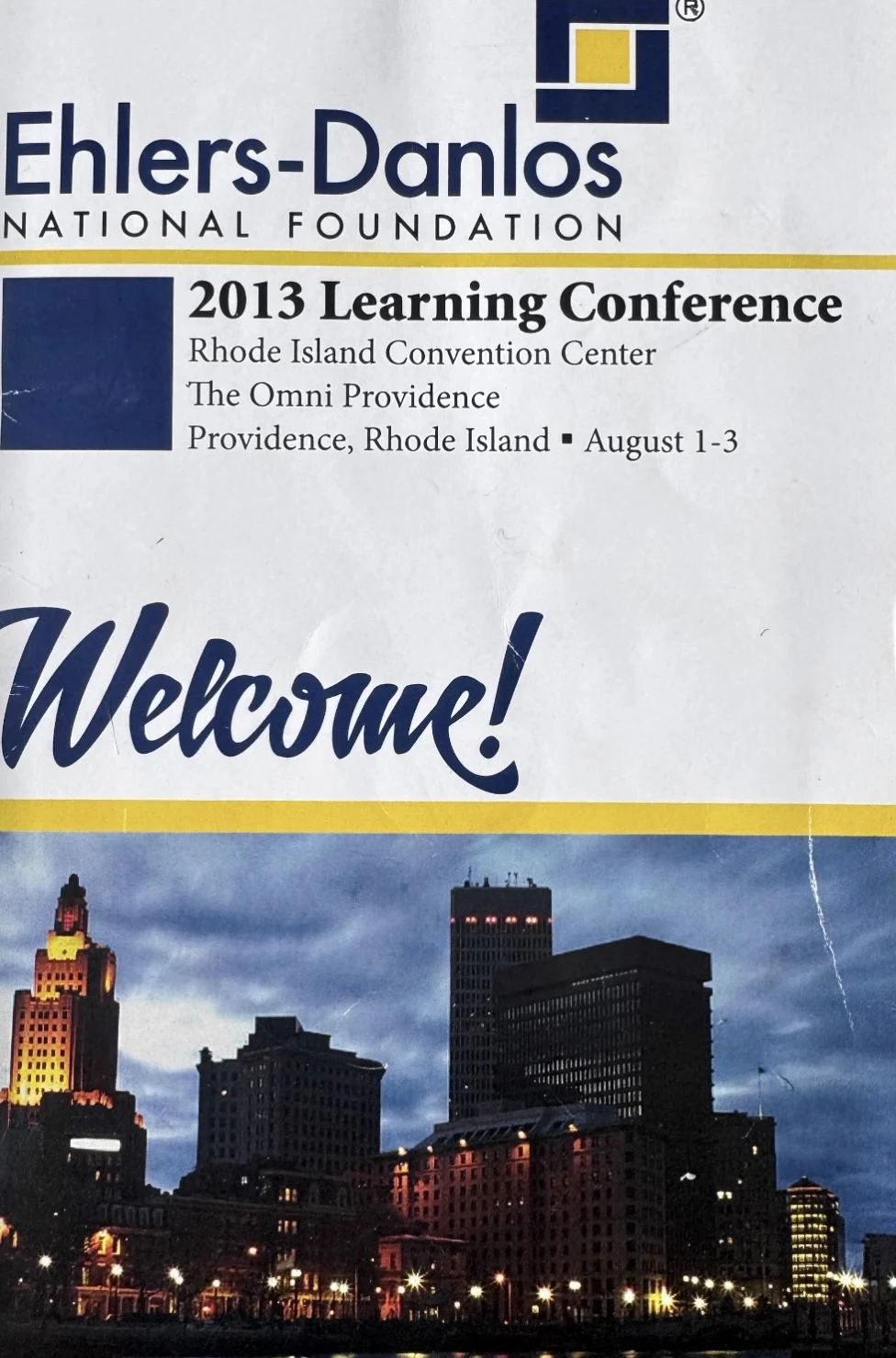
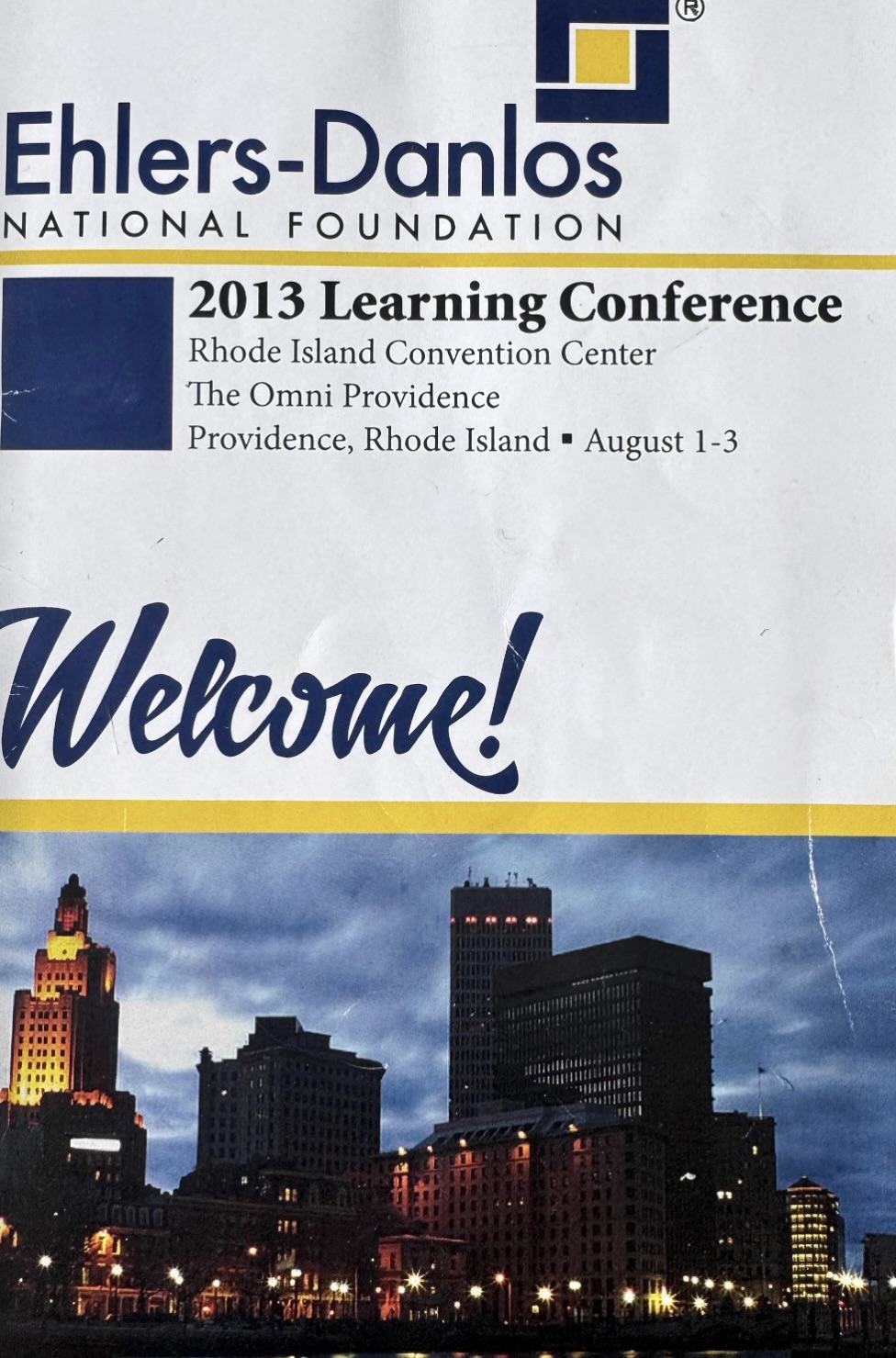
To understand where we are, one must look at where we started. A recent discovery of a 2013 conference brochure—a relic from the Ehlers-Danlos National Foundation’s early efforts—serves as a poignant time capsule. In 2013, the landscape for EDS patients was vastly different, characterized by profound isolation. For many parents, including myself, the diagnosis was a solitary island. Pediatricians often admitted to having never heard of the condition, leaving families to navigate a labyrinth of systemic symptoms without a map.
The 2013 conference was a watershed moment, gathering pioneers such as Dr. Claire Francomano, Dr. Frasier Henderson, and Dr. Pradeep Chopra. Looking back at the sessions from that era, one is struck by the irony of history. Dr. Rodney Grahame’s 2013 presentation, “What Should We Call Our Syndrome?”, resonates with startling relevance today as the community awaits potential updates to diagnostic nomenclature. Similarly, early sessions by Dr. Alan Pocinki and Dr. Richard Barnum on “pseudopsychiatric” symptoms in EDS were decades ahead of their time, attempting to warn the medical establishment about the dangers of mislabeling physical pain as psychological.
Yet, as we look back, the progress feels bittersweet. Despite the advocacy of these physicians, the issue of “gaslighting”—a term that was not even part of the medical lexicon in 2013—remains a pervasive barrier. Patients continue to report that their physical symptoms are dismissed as psychosomatic, proving that while research has evolved, the cultural competency of the broader medical system has not kept pace.
Supporting Data: The Persistence of Systemic Gaps
The primary focus of the 2026 conference—addressing comorbid conditions—is not merely an academic exercise; it is an urgent public health necessity. EDS is rarely a singular diagnosis. It is a systemic condition that frequently intersects with immune, neurological, gastrointestinal, and vascular complications. These overlapping conditions are precisely where disability begins, yet they are the most frequently ignored by general practitioners.
Recent data, including studies highlighted in the Journal of Chronic Pain, suggests that patients with connective tissue disorders continue to face an average diagnostic delay of several years. Even after diagnosis, the "care gap" widens. Research consistently shows that patients with EDS are more likely to undergo unnecessary diagnostic procedures and experience higher rates of medical trauma due to provider skepticism.
The film Complicated, which is being showcased at this year’s conference, serves as a visceral reminder of this reality. By documenting the lived experience of patients like Karen Richards—whom I first met as a vibrant 12-year-old at that 2013 conference—the film highlights how the lack of coordinated care transforms manageable conditions into life-altering disabilities.
The Power of Community and the Weight of Experience
The true strength of the Ehlers-Danlos community has always been its ability to bridge the gap where the medical system fails. At the 2013 conference, the camaraderie among families was a lifeline. I recall vividly meeting Dr. Frasier Henderson in a hotel lobby, where he provided guidance on a complex X-ray that had baffled my daughter’s local orthopedist. That single interaction, born out of a conference hallway encounter, was the difference between continued suffering and a path toward stabilization.
However, the "memory that hurts the most" is the realization that ten years later, the burden of finding care still rests almost entirely on the shoulders of the patient. Despite personal growth in knowledge, access to medical experts, and the expansion of the Ehlers-Danlos Society, the journey remains exhausting. For my own family, the intersection of the COVID-19 pandemic and the onset of new, complex neurological symptoms has meant that we are still fighting the same battles for diagnostic validation and coordinated care that we fought a decade ago.
Official Responses and the Path Forward
The Ehlers-Danlos Society’s commitment to the “Road to 2026” and the ongoing development of new diagnostic criteria reflects a structural commitment to progress. The organization has successfully fostered global collaboration, bringing industry partners, researchers, and patients into the same room. The integration of new healthcare voices and the willingness to tackle the "messy" reality of comorbidities suggests that the medical establishment is finally listening to what patients have been saying for decades.
However, policy and research must be translated into clinical reality. The current crisis in care coordination—where a patient with EDS must act as their own case manager, traveling across state lines to see specialists who understand the systemic nature of their condition—is unsustainable.
Implications: Moving from Awareness to Action
As I prepare to attend the 2026 conference, my hope is tempered by the reality of the last decade. We have moved from a state of “what is this?” to a state of “we know what this is, but we don’t know how to treat it effectively within current systems.”
The implications of this year’s focus on comorbidities are significant:
- Standardization of Care: We must move beyond "awareness" toward standardized clinical pathways that account for the multi-systemic nature of EDS/HSD.
- Education as Prevention: Medical schools must integrate connective tissue disorders into core curricula to prevent the "diagnostic odyssey" that continues to harm patients.
- Prioritizing Coordination: A patient-centered model of care, where specialists in neurology, GI, and vascular medicine communicate directly with one another, must become the standard rather than the exception.
When I arrive in Texas next week, I will again pick up a conference brochure. I will tuck it into a drawer, just as I did in 2013. But my aspiration for 2036 is fundamentally different than it was for 2023. I hope that when I inevitably clean out that closet again in ten years, that brochure will serve as a historical marker of a time when the path to diagnosis was a battle, rather than a reflection of the status quo.
We have the research. We have the community. Now, we must demand the infrastructure. The next decade of the Ehlers-Danlos Society must be defined not by the number of people who attend a conference, but by the number of patients who can access comprehensive, respectful, and effective care in their own communities.
DM Sullivan is an author, the producer of the documentary "Complicated," and the Founder and Executive Director of Elevate Rare. Her work continues to bridge the gap between patient advocacy and medical systemic change.