For more than a decade, the summer solstice has served as more than just the longest day of the year; for the Alzheimer’s Association and its vast network of supporters, it has functioned as a poignant metaphor. The extra hours of sunlight were framed as a symbol of hope—a collective effort to "shine a light" on the darkness of a disease that strips away memory, identity, and independence.
However, as of 2026, the Alzheimer’s Association is pivoting. The campaign formerly known as The Longest Day has been rebranded as Do What You Love to End ALZ. This shift is not merely a change in nomenclature; it represents a fundamental evolution in how the nonprofit sector engages donors, empowers caregivers, and accelerates the search for a cure. By removing the constraints of a single day in June, the organization is acknowledging the relentless, year-round nature of the Alzheimer’s epidemic.
The Evolution of a Grassroots Movement: A Chronology
The inception of The Longest Day was rooted in the realization that traditional fundraising—often characterized by black-tie galas or high-intensity marathons—did not resonate with everyone. Many caregivers and family members of those living with Alzheimer’s were already physically and emotionally exhausted; asking them to train for a marathon was often an insurmountable burden.
- 2013–2015: The Launch and Early Adoption. The Alzheimer’s Association introduced The Longest Day as a flexible, activity-based fundraising model. The core premise was simple: pick an activity you love—whether it’s knitting, golfing, baking, or playing bridge—and turn it into a fundraiser.
- 2016–2020: Scaling the Concept. As the digital landscape matured, the campaign exploded. Thousands of participants used social media to crowd-fund their passions. The initiative proved that personal, small-scale efforts, when aggregated, could generate millions of dollars for research.
- 2021–2025: The Pandemic Pivot and Digital Integration. During the global health crisis, the "do it from anywhere" nature of the campaign became its greatest asset. Virtual events replaced in-person gatherings, and the community aspect of the movement became a vital lifeline for isolated caregivers.
- 2026: The Paradigm Shift. Recognizing that the "one day" limit was actually a bottleneck, the Association rebranded to Do What You Love to End ALZ. This change signals a move toward a perpetual fundraising cycle, emphasizing that Alzheimer’s does not take a day off, and neither should the movement to cure it.
Supporting Data: Why Flexibility Matters
The shift to Do What You Love to End ALZ is supported by data regarding donor behavior and the shifting demographics of caregivers. Research indicates that modern donors, particularly Millennials and Gen Z, prioritize "cause-alignment" over traditional organizational loyalty. They prefer initiatives that integrate seamlessly into their daily lives rather than those that require a significant departure from their existing schedules.
Furthermore, the economic burden of Alzheimer’s is staggering. According to the Alzheimer’s Association’s own annual reports, the cost of caring for individuals with Alzheimer’s and other dementias is projected to reach trillions of dollars by the middle of the century if no disease-modifying treatments become widely available.
Small, grassroots fundraisers are essential in bridging the gap between federal research grants and the immediate, urgent needs of families. By decoupling the campaign from the summer solstice, the Association is aiming to increase the frequency of donations. A donor who is passionate about, for example, seasonal holiday baking in December can now channel that passion into the cause, rather than waiting for the following June.
Official Perspectives: The Strategic Rationale
Katrin Werner-Perez, Director of Health Programs at the Alliance for Aging Research, emphasizes that this change is about accessibility and sustainability.
"The name The Longest Day served a purpose for years, but it created a psychological anchor to a specific date," Werner-Perez notes. "By transitioning to Do What You Love to End ALZ, we are removing the barrier of ‘when’ and focusing entirely on ‘how.’ We want people to feel that their contribution is valid, whether it’s a marathon or a book club meeting, and we want them to feel that their contribution matters 365 days a year."
The Association’s official stance is that the flexibility of the new model allows for "hyper-personalization." A participant who loves mountain climbing can organize a climb in the fall; a local choir can hold a concert in the winter. This broadens the tent, allowing the organization to reach demographics that may have felt excluded by the summer-centric focus of the original campaign.

The Implications: Moving the Needle on Research
While the Do What You Love campaign is focused on individual participation, the implications for the broader scientific community are profound. Research into neurodegenerative diseases is notoriously expensive and high-risk. Federal funding from the National Institutes of Health (NIH) is critical, but private funding—often sourced from campaigns like this—is what allows labs to pursue "high-risk, high-reward" pilot projects.
The Landscape of Care and Research
The funds raised through these personal endeavors go toward three primary pillars:
- Caregiver Support: Programs designed to mitigate the psychological and physical burden on the millions of unpaid family caregivers who provide the vast majority of daily care for Alzheimer’s patients.
- Scientific Research: Grants directed toward understanding the underlying pathology of the disease, including the development of biomarkers for early detection and the exploration of new therapeutic targets.
- Advocacy: Funding the lobbying efforts necessary to ensure that Alzheimer’s remains a top-tier priority in federal budget allocations.
As we look toward the future, the integration of technology—such as AI-driven care tools and improved diagnostic screenings—will rely on the steady influx of capital. By making the Do What You Love campaign a year-round reality, the Alzheimer’s Association is creating a more stable and predictable funding pipeline.
How You Can Participate: A New Call to Action
The beauty of the new model is its simplicity. The Association has distilled the process into three manageable steps that prioritize individual agency:
- Select Your Passion: Identify an activity that brings you joy. Whether it is physical, creative, or social, the key is that it is something you would be doing anyway.
- Register Your Event: Utilize the Do What You Love to End ALZ portal to set up a personalized fundraising page. This page acts as your hub, allowing you to share your "why"—the story of the loved one you are honoring.
- Engage Your Network: Leverage your personal and professional networks. The digital tools provided by the Association make it easier than ever to share your progress and invite others to contribute to your cause.
Beyond the Diagnosis: The Human Element
It is vital to remember that behind every statistic and every fundraising dollar are individuals like the seniors depicted in the campaign imagery: active, engaged, and determined to maintain their quality of life. The movement is as much about raising awareness for the humanity of those with Alzheimer’s as it is about raising funds for a cure.
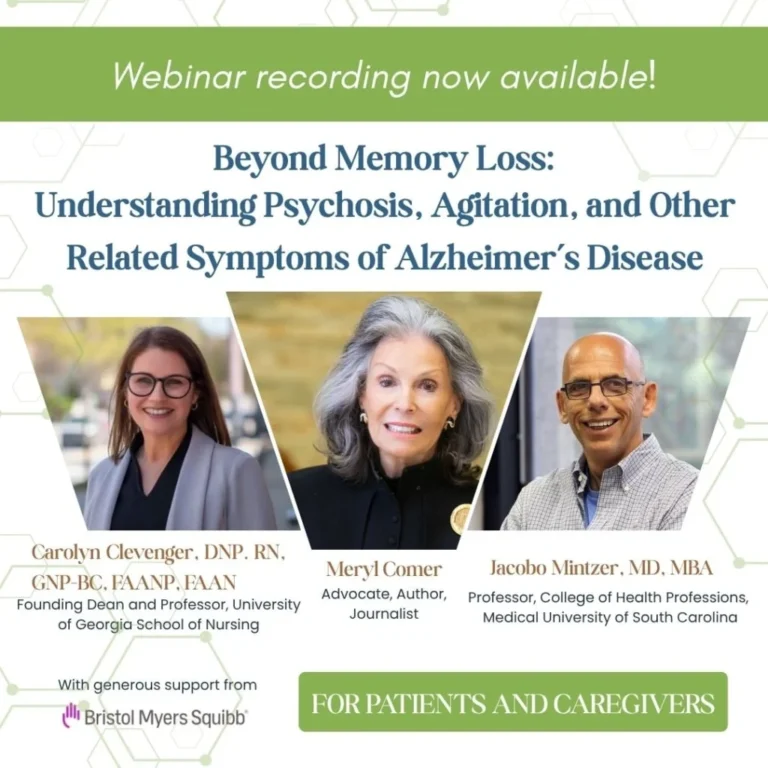
Projects such as Project PAUSE and research into Neuropsychiatric Symptoms (NPS) of Alzheimer’s highlight the importance of viewing the patient as a whole person, not just a set of symptoms. Agitation, sleep disturbances, and depression are often more distressing to caregivers than the memory loss itself. Funds from initiatives like Do What You Love to End ALZ help support education for families on how to manage these complex behavioral challenges, providing them with the tools they need to maintain their own well-being while caring for their loved ones.
Conclusion: A Sustained Commitment
The transition from a single-day event to a year-round movement is a reflection of a maturing approach to one of the greatest health challenges of the 21st century. Alzheimer’s is a marathon, not a sprint, and the strategies to combat it must be as resilient and adaptable as the families who face it every day.
By reclaiming the power of personal passion, the Alzheimer’s Association is not just asking for donations; it is asking for a sustained, collective commitment. Whether you choose to bake, hike, sing, or code, your contribution is now part of an infinite loop of support. As the research continues to make strides in early diagnosis and potential treatments, the Do What You Love to End ALZ campaign ensures that the resources required to cross the finish line remain available, accessible, and ready to be mobilized whenever inspiration strikes.
To learn more about the ongoing research into Alzheimer’s, the latest on neuropsychiatric symptom management, or to start your own fundraiser, visit the official Do What You Love to End ALZ website. Every activity, regardless of its size, brings us one step closer to a world without Alzheimer’s.