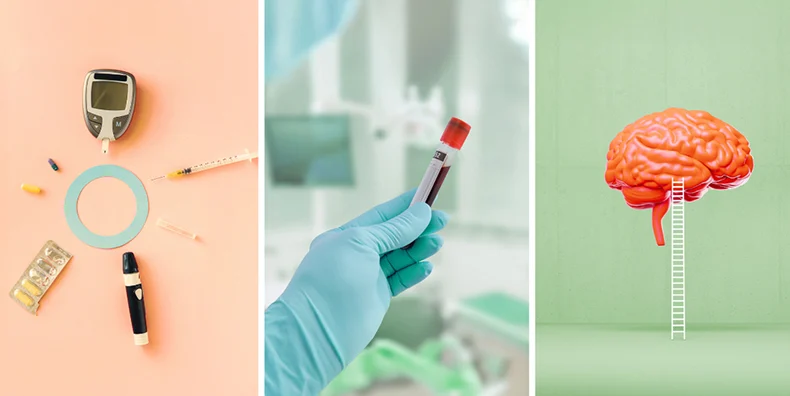
The landscape of bipolar disorder treatment is undergoing a significant transformation. For decades, the therapeutic toolkit for managing this complex psychiatric condition remained relatively static, relying heavily on mood stabilizers like lithium, antipsychotics, and, in severe cases, electroconvulsive therapy (ECT). However, three groundbreaking studies recently published in major medical journals are challenging the status quo. These studies explore a refined form of brain stimulation that preserves memory, the potential for diabetes medications to reduce suicide risk, and a thyroid biomarker that could predict how a patient responds to traditional treatments. Together, these findings signal a move toward more personalized, effective, and tolerable interventions for those living with bipolar disorder.
Main Facts: A Triad of Scientific Breakthroughs
The recent surge in bipolar research focuses on three distinct yet interconnected areas of medicine: neuro-modulation, metabolic health, and immunology.
- Magnetic Seizure Therapy (MST) as an ECT Alternative: A pilot study published in The American Journal of Psychiatry suggests that MST—a technique using high-intensity magnetic pulses to induce therapeutic seizures—offers antidepressant efficacy comparable to ECT but with significantly fewer cognitive side effects. While ECT remains the gold standard for treatment-resistant depression, its association with memory loss has long been a deterrent for patients.
- SGLT2 Inhibitors and Mortality Reduction: Research published in the Journal of Affective Disorders indicates that Sodium-Glucose Cotransporter-2 (SGLT2) inhibitors, commonly used to treat Type 2 diabetes, are associated with a marked decrease in suicidal behavior and all-cause mortality among patients with bipolar disorder. This suggests a powerful "pleiotropic" effect—where a drug designed for one system (renal/metabolic) provides unexpected benefits to another (the central nervous system).
- Thyroid Antibodies as Clinical Signposts: A study in the International Journal of Bipolar Disorders has identified that the presence of thyroid peroxidase antibodies (TPO-Ab) may delineate a specific subtype of bipolar disorder. Patients with these antibodies appear less likely to experience psychosis but are also less responsive to lithium, providing a potential roadmap for more targeted prescribing.
Chronology: The Evolution of Bipolar Treatment
To understand the weight of these new findings, one must look at the timeline of bipolar care.
For over 70 years, lithium has been the cornerstone of treatment, discovered almost by accident in 1949. While revolutionary, its narrow therapeutic window and side-effect profile left many patients seeking alternatives. In the mid-20th century, Electroconvulsive Therapy (ECT) emerged as a life-saving intervention for those in the depths of suicidal depression or catatonic mania. Despite its efficacy, the "blunt instrument" nature of ECT—applying electrical currents across the scalp—frequently resulted in retrograde and anterograde amnesia.
The 1990s and 2000s saw the rise of atypical antipsychotics and anticonvulsants, which expanded the pharmacopeia but often brought metabolic burdens, such as weight gain and insulin resistance. This created a secondary crisis: people with bipolar disorder began dying at significantly higher rates from cardiovascular and metabolic diseases than the general population.
By the 2010s, the "neuro-inflammation" theory of bipolar disorder gained traction. Researchers began to suspect that the disorder was not just a chemical imbalance of neurotransmitters like dopamine and serotonin, but a systemic condition involving the immune system and metabolic pathways. This shift in thinking set the stage for the three studies currently under review, which represent the culmination of a decade of cross-disciplinary investigation.
Supporting Data: Deep Dives into the Research
1. The MST vs. ECT Comparison
In the international pilot study involving 55 participants, researchers sought to determine if the precision of magnets could replace the broad application of electricity.
- Efficacy: Both groups showed significant improvement. Approximately 50% of participants in both the ECT and MST cohorts saw a reduction in depressive symptoms. Remission rates (the total clearing of symptoms) were 30% for ECT and 20% for MST—a difference researchers considered statistically comparable for a pilot study.
- Cognitive Safety: The standout data point was the memory test performance. While 22% of the ECT group showed measurable cognitive impairment post-treatment, only 7% of the MST group experienced similar issues. This suggests that by using magnetic fields to focus the seizure activity on specific brain regions, clinicians can spare the hippocampus and other memory-critical structures.
2. SGLT2 Inhibitors: Beyond Blood Sugar
The study of SGLT2 inhibitors (such as Jardiance and Farxiga) utilized a massive dataset of 1.23 million adults with bipolar disorder.
- Risk Reduction: Over a five-year observation period, the 36,000 patients taking SGLT2 inhibitors showed a 25% lower risk of suicidal behavior. Even more striking was the 45% reduction in all-cause mortality.
- The Biological Mechanism: Unlike GLP-1 drugs (like Ozempic) which mimic hormones, SGLT2 inhibitors work by prompting the kidneys to excrete excess glucose. Researchers believe this process reduces systemic inflammation and oxidative stress—two factors heavily implicated in the "brain fog" and mood instability of bipolar disorder.
3. The TPO-Ab Marker
The investigation into thyroid antibodies involved 339 adults, providing a snapshot of the immune-endocrine interface.
- Prevalence: 24% of the bipolar participants tested positive for TPO-Ab, nearly double the rate found in the general population (10–15%).
- Phenotypic Correlation: The data revealed that antibody-positive patients were significantly less likely to have a history of psychosis. However, they also showed a "non-responder" profile toward lithium, suggesting that their version of bipolar disorder might be driven more by autoimmune-related neuro-inflammation than by the pathways lithium typically targets.
Official Responses and Clinical Context
While the scientific community has greeted these findings with optimism, official responses from leading psychiatric bodies emphasize a cautious, evidence-based approach.
Dr. Sarah Johnson, a researcher not involved in the MST study, noted in a commentary that "MST represents the ‘gentler’ future of brain stimulation, but we must be careful not to over-promise. We need larger, Phase III trials to confirm that the lower remission rate (20% vs 30%) isn’t a significant hurdle for the most severely ill patients."
Regarding the SGLT2 inhibitor study, the consensus among metabolic-psychiatrists is that while the data is "staggering," the study’s observational nature is a limitation. Because the study looked at existing health records rather than a controlled experiment, it is possible that patients prescribed SGLT2 inhibitors were already receiving better overall medical care, which could skew the mortality data. "We are seeing a signal that is too loud to ignore," stated a representative from the Journal of Affective Disorders, "but we are not yet at the stage where these should be prescribed as primary psychiatric medications."
On the thyroid front, endocrinologists have pointed out that "subclinical" thyroid issues have long been known to mimic or exacerbate mood disorders. The new study provides the first hard evidence that specific antibodies—not just thyroid hormone levels—could serve as a biomarker for "lithium-resistant" bipolar disorder, a finding that could eventually find its way into clinical practice guidelines.
Implications: A New Paradigm for Patient Care
The implications of this research for the average person living with bipolar disorder are profound. We are moving away from a "one-size-fits-all" model toward a more nuanced, "precision psychiatry" framework.
For the Treatment-Resistant Patient
For those who have tried multiple medications without success, the development of MST offers hope. If MST becomes widely available, the fear of "losing one’s past" to memory loss may no longer be a barrier to seeking life-saving seizure therapy. This could lead to earlier intervention for severe depression, potentially preventing years of disability.
For the Metabolically At-Risk Patient
The SGLT2 inhibitor data suggests that the "physical" and "mental" aspects of bipolar disorder are inseparable. For a patient struggling with both bipolar disorder and metabolic issues (like pre-diabetes or weight gain from other meds), these drugs might offer a "double win"—stabilizing blood sugar while simultaneously providing a protective shield for the brain. This could shift the focus of psychiatric care toward a more holistic, "whole-body" approach.
For the Newly Diagnosed
The discovery of the TPO-Ab marker suggests that a simple blood test at the time of diagnosis could eventually save years of trial-and-error. If a patient tests positive for these antibodies, a psychiatrist might choose to bypass lithium in favor of other mood stabilizers or anti-inflammatory strategies, getting the patient to stability much faster.
Conclusion
The science of bipolar disorder is no longer confined to the study of neurotransmitters in a vacuum. By looking at the brain through the lenses of magnetism, metabolism, and immunity, researchers are uncovering a more complex—but more treatable—picture of the condition. While more trials are needed to bring MST into every hospital and SGLT2 inhibitors into every psychiatric clinic, the path forward is clear: the future of bipolar care lies in innovation that respects both the complexity of the brain and the health of the entire body.