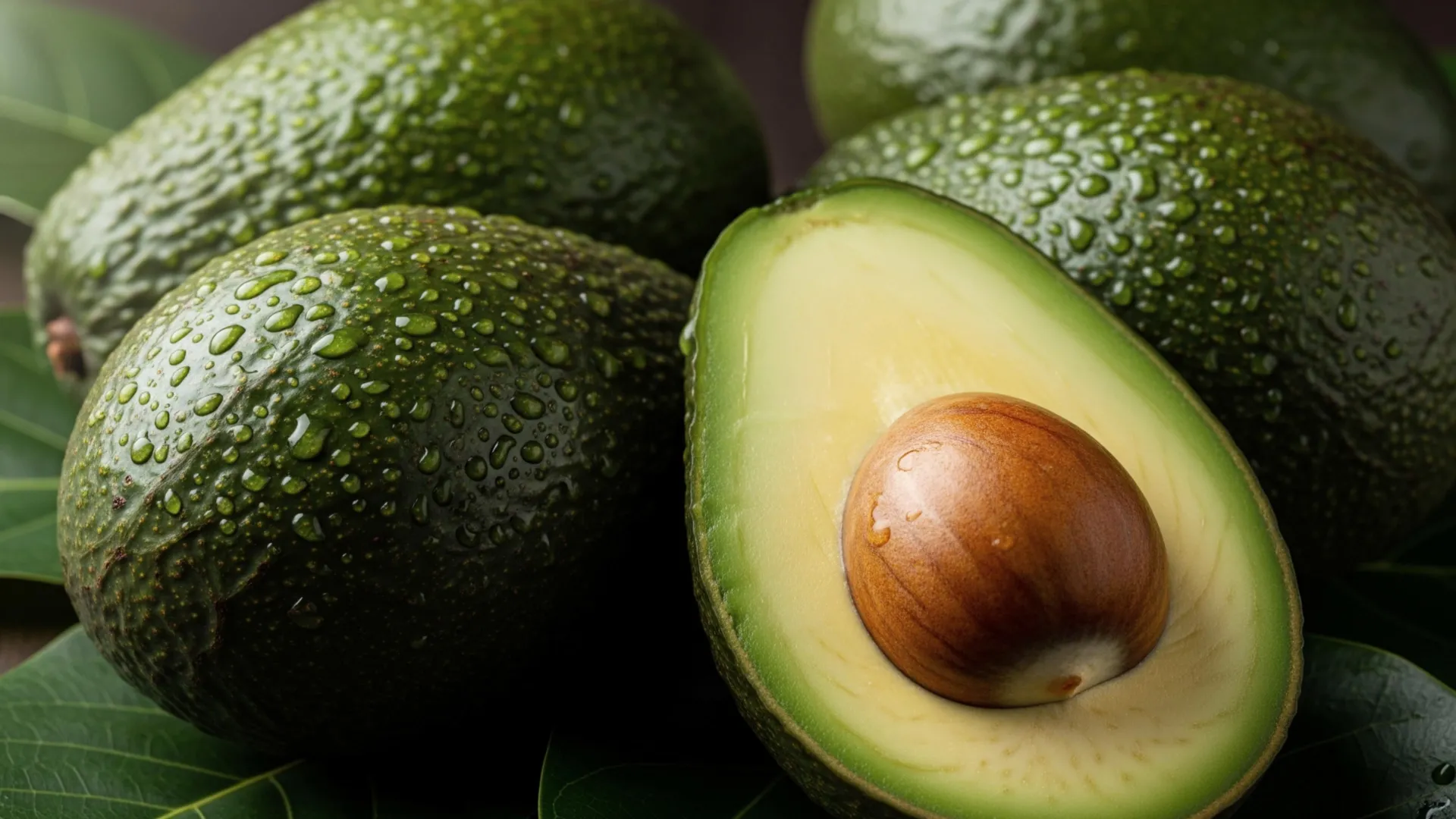
For millions of adults grappling with obesity, the prospect of overhauling one’s lifestyle to combat cardiovascular risk can feel insurmountable. From strict caloric restriction to intensive exercise regimens, the path to a healthier heart is often paved with daunting, complex mandates. However, new research from Penn State University offers a more accessible alternative: the humble avocado.
According to a study published in the Journal of Clinical Lipidology, incorporating just one avocado into a daily diet may provide a measurable, albeit modest, reduction in heart disease risk. By targeting specific lipid particles in the bloodstream—often overlooked in standard medical screenings—this simple dietary addition suggests that small, sustainable changes can serve as a potent entry point for long-term health improvements.
The Core Findings: A Shift in Cardiovascular Strategy
The research, led by the Penn State Department of Nutritional Sciences, focused on a specific metric of cardiovascular health: the concentration of low-density lipoprotein (LDL) particles. While the general public is familiar with "LDL cholesterol" as the "bad" cholesterol, the study highlights a more nuanced danger: the number of particles that carry this cholesterol through the bloodstream.
The analysis revealed that participants who consumed one avocado per day experienced a reduction in LDL particle concentration by approximately 49 nanomoles per liter. Researchers estimate that this shift corresponds to a 4% decrease in the risk of developing heart disease. While the figure may appear modest, the study’s authors emphasize that in the context of chronic health management, every increment of risk reduction is a step toward preventing major cardiac events.
A Chronological Look at the Habitual Diet and Avocado Trial
The journey to these findings began with the expansive "Habitual Diet and Avocado Trial," a six-month longitudinal study designed to test the impact of avocados in a "real-world" setting rather than a strictly controlled laboratory environment.
Phase 1: Enrollment and Baseline Assessment
Researchers recruited 786 participants aged 25 and older. To qualify for the study, participants had to meet specific criteria for abdominal obesity: a waist circumference of greater than 40 inches for men and greater than 35 inches for women. This demographic was chosen specifically because individuals with abdominal obesity are statistically at a higher risk for cardiovascular issues related to LDL particle counts.
Phase 2: The Intervention
The cohort was divided into two groups. The control group was instructed to maintain their habitual diet and physical activity levels. The intervention group was asked to integrate one fresh avocado into their daily nutritional intake while otherwise continuing their normal routines. Unlike previous studies, which provided participants with all their meals to ensure strict compliance, this trial allowed participants to live their daily lives, providing a clearer picture of how avocados interact with diverse, non-standardized diets.
Phase 3: Data Collection and Analysis
Over the course of the six-month study, the research team monitored health markers through blood samples collected at the beginning and end of the trial. The focus was not on weight loss or waist circumference—which researchers found remained largely unchanged throughout the study—but rather on the biochemical composition of the participants’ blood.
Decoding the Science: Why Particle Count Matters
To understand the significance of this study, one must distinguish between LDL cholesterol and LDL particles. As lead author Janhavi Damani, a postdoctoral scholar at Penn State, explains, the standard lipid panel used in doctor’s offices tells only part of the story.
The Particle Paradox
LDL cholesterol cannot navigate the bloodstream alone; it requires protein "taxis" known as LDL particles. The danger arises when the number of these particles becomes excessive.
"Imagine two people with the same high levels of LDL cholesterol," Damani illustrates. "Person A carries their cholesterol in fewer, larger LDL particles, and Person B carries their cholesterol in more, smaller LDL particles. Person B’s heart disease risk would be higher because their overall particle count is higher, even though a test of their LDL cholesterol would look identical."
The Mechanics of Plaque Buildup
Small, dense LDL particles are particularly insidious. Because of their size, they can more easily penetrate the arterial walls, leading to the accumulation of plaque. This process, known as atherosclerosis, narrows the arteries and reduces their elasticity.
When the cardiovascular system is under stress—whether through physical exertion, high temperatures, or psychological pressure—stiffened, plaque-ridden vessels struggle to adapt. This inability to accommodate increased blood flow can cause blood pressure to spike, significantly raising the risk of a cardiac event, such as a heart attack. By reducing the concentration of these particles, the daily avocado serves as a structural defense for the arteries.
Expert Perspectives: Sustainability in Nutritional Science
The research team emphasized that the study’s strength lies in its practicality. In the realm of nutrition, the "perfect" diet is often the enemy of the "good." Many patients abandon complex dietary changes within weeks.
"If people want to improve the quality of their diet, making one small change might be a more feasible strategy than attempting to change their entire diet," Damani noted. "For people with obesity, including avocados in their daily diet might be a good starting place."
Kristina Petersen, associate professor of nutritional sciences and the study’s senior author, highlighted the importance of testing this in a "real-world" setting. Previous studies had shown similar benefits in tightly controlled environments where researchers dictated every calorie consumed.
"This study demonstrated benefits in the real world, where people’s diets are much less predictable," Petersen said. "In the course of people’s normal lives, avocado consumption still contributes to a healthier diet."
Implications for Public Health and Future Research
The findings suggest that the benefits of avocado consumption are broad-reaching, with no significant differences in the efficacy of the intervention based on the participants’ sex, race, ethnicity, age, or baseline body mass index. This universality suggests that the inclusion of avocados could be a widely applicable recommendation for clinicians.
A Modest but Meaningful Contribution
While a 4% reduction in risk is lower than the 14-29% reduction often cited for comprehensive dietary overhauls, the researchers remain optimistic. The key takeaway is the "low barrier to entry." By recommending a single food item, clinicians can foster a sense of agency in patients who might otherwise feel discouraged by the prospect of radical lifestyle changes.
Limitations and Clinical Advice
It is important to note that the study did not result in weight loss. Therefore, avocados should be viewed as a heart-health supplement rather than a weight-loss tool. The research team advises that before making any significant dietary adjustments, individuals should consult with a registered dietitian or a physician. A professional can help ensure that the addition of an avocado fits into an individual’s overall caloric needs and health profile.
Conclusion: Small Steps toward Cardiovascular Wellness
The research from Penn State serves as a reminder that cardiovascular health is not exclusively determined by the "all-or-nothing" approach to dieting. While exercise and overall dietary quality remain the gold standards for heart health, the integration of nutrient-dense, heart-healthy foods like avocados provides a practical, science-backed tool for those looking to mitigate risk.
By focusing on LDL particle concentration, scientists have identified a subtle but critical indicator of health that can be improved through simple, daily habits. As the field of nutritional science continues to evolve, the "green prescription" of an avocado a day stands as a testament to the idea that, sometimes, the smallest changes can have the most enduring impact on our long-term health.
This study was supported by the Avocado Nutrition Center and featured contributions from esteemed researchers at Tufts University, UCLA, Loma Linda University, and the Wake Forest University School of Medicine.