As we navigate the later chapters of life, our bodies undergo profound physiological changes. One of the most common aesthetic and functional concerns for adults over 60 is the loss of muscle tone in the upper arms. While the occasional desire to feel confident in a sleeveless dress or a swimsuit is a common motivator, the underlying reality is far more significant: maintaining upper-body strength is a critical pillar of healthy aging.
We sat down with Melissa Leach, a certified Yoga Instructor and Strength & Conditioning Coach at Yoga-Go, to explore how targeted, daily movement can revitalize your upper-body strength, improve your metabolic health, and restore the functional capacity that often wanes with time.
The Physiology of Aging: Why Arms Lose Tone
It is a biological inevitability that as we age, our bodies experience a natural decline in lean muscle mass—a process known as sarcopenia. Coupled with a reduction in skin elasticity, hormonal fluctuations, and, often, a more sedentary lifestyle, this can lead to the "flabby" appearance many associate with the triceps area.
"While it is important to clarify that you cannot ‘spot-reduce’ fat through exercise alone, you absolutely can build the muscle beneath that skin," explains Leach. "When you strengthen the biceps, triceps, and deltoids, you create a firmer foundation. This doesn’t just change the way your arms look; it changes how your body functions."
Beyond aesthetics, building upper-body strength is a marker of overall health. Strong arms and shoulders support joint stability, protect against injury, and make the activities of daily living—from lifting groceries to picking up grandchildren—significantly safer and easier.
The Expert Approach: Five Daily Moves for Results
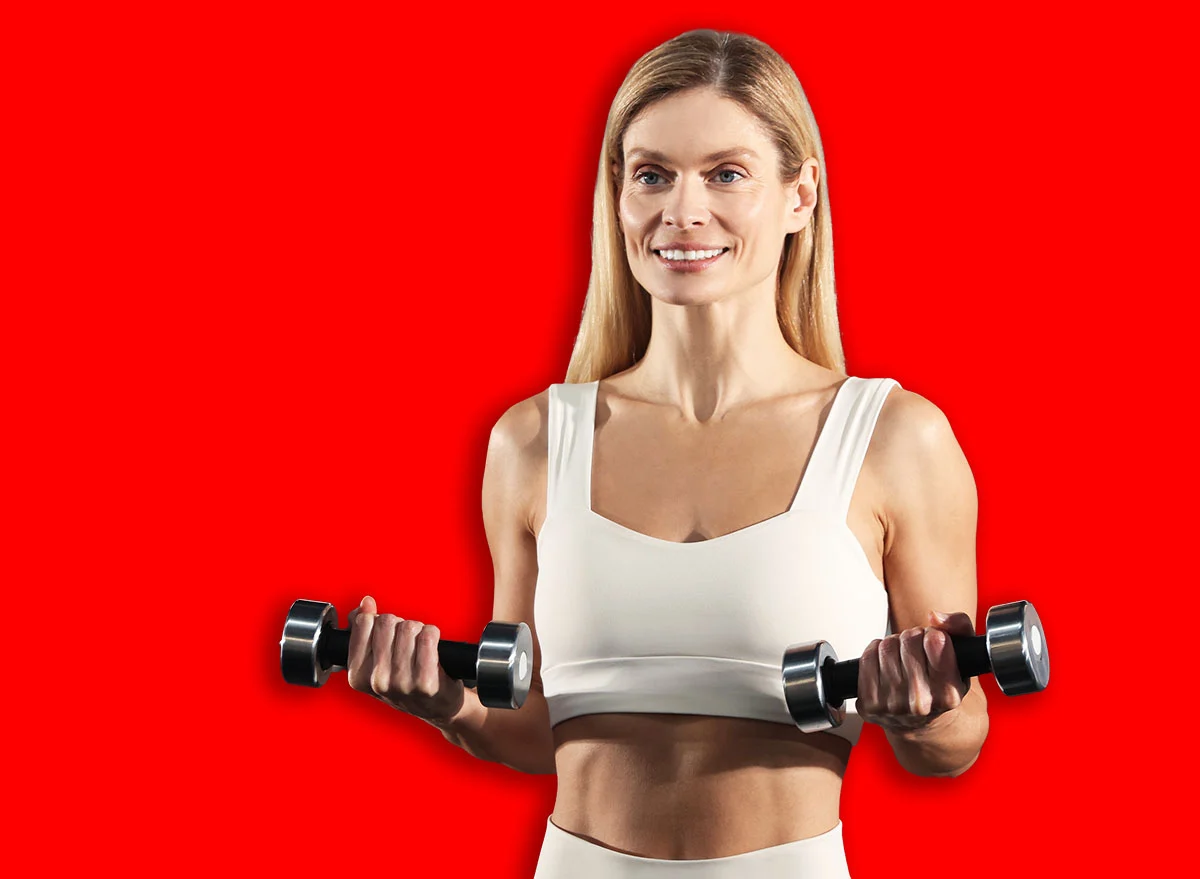
Leach emphasizes that you do not need a commercial gym or heavy, intimidating equipment to see results. Whether you utilize small dumbbells, wearable wrist weights, or simply the resistance of your own body weight, the key is consistency and proper form.
"I always advise starting small," says Leach. "Focus on the quality of the movement. As your posture improves and your muscles adapt, you can gradually increase the intensity."
1. Arm Circles: The Foundation of Mobility
Often underestimated, arm circles are a powerful tool for endurance and shoulder health.
- The Technique: Stand with feet hip-width apart. Extend your arms out to the sides at shoulder height. Keeping your shoulders relaxed—avoiding any tension creeping up toward your ears—begin to draw small, controlled circles.
- The Focus: The goal here is not speed, but sustained tension. Keep the motion smooth to encourage mobility and endurance without relying on momentum.
2. Single-Arm Lat Pull-Downs
This move targets the latissimus dorsi and the muscles of the upper back, which are essential for posture.
- The Technique: Utilizing a light resistance band or a small dumbbell, extend one arm upward. With control, pull the weight down toward your shoulder, squeezing the side of your back as you do so.
- The Focus: The resistance should be entirely muscle-driven. Avoid swinging your body; the efficacy of this move relies on the intentional engagement of the back and shoulder muscles.
3. Side-Body Reach Pulses
This exercise is excellent for lengthening the body and engaging the stabilizer muscles of the core and shoulders.
- The Technique: Plant your feet firmly. Reach one arm overhead and slightly to the side. Perform small, rhythmic pulses to feel the stretch and activation from your hip to your fingertips.
- The Focus: Keep the pulses small. The objective is to maintain a constant state of tension, creating "length" in the muscle fibers.
4. Steering Wheels
This move is a favorite for shoulder stabilization and forearm engagement.
- The Technique: Hold your arms out in front of you, as if gripping an invisible steering wheel. Rotate your hands back and forth in a slow, controlled motion.
- The Focus: Distance is your ally here. The further your arms are from your torso, the more your shoulders must work to stabilize the load. Keep your core tight to support the spine.
5. Bicep Curl to Shoulder Press
A compound movement that maximizes efficiency by hitting two muscle groups in one fluid motion.
- The Technique: Start with a bicep curl, bringing the weight toward your chest. Without pausing, transition into an overhead press.
- The Focus: Transitions are where most people lose form. Keep your ribs pulled in and your core engaged throughout to protect your lower back and ensure the effort remains isolated in your arms and shoulders.
Supporting Data: Why Strength Training Matters Post-60
The medical community has reached a consensus regarding the necessity of resistance training for seniors. According to research from the National Institute on Aging, strength training helps maintain bone density, which is critical in preventing fractures as we age. Furthermore, increased muscle mass is directly correlated with a higher resting metabolic rate. Simply put, the more muscle you have, the more calories your body burns at rest, which aids in overall weight management.
Chronology of Progress: What to Expect
If you are new to this routine, it is vital to approach it with a structured mindset:
- Weeks 1–2: Neuromuscular Adaptation. You may not see physical changes immediately, but your brain is learning how to recruit muscle fibers more efficiently. You will likely feel less fatigued during daily tasks.
- Weeks 3–6: Increased Endurance. The exercises that felt challenging on day one will begin to feel manageable. This is the time to consider increasing your weight or resistance.
- Weeks 8 and Beyond: Structural Changes. By the two-month mark, consistent practitioners often report increased definition and a palpable improvement in skin firmness and muscle tone.
Implications for Longevity
The implications of adopting a daily movement practice extend far beyond the vanity of "toned arms." By prioritizing strength, you are investing in your autonomy. Functional fitness—the ability to move through life with ease—is the greatest indicator of quality of life in later years.
When you strengthen your upper body, you are also strengthening your core and improving your posture. A tall, strong frame prevents the "slumping" that often accompanies aging, which in turn improves respiratory capacity and circulation.
Expert Advice: Safety and Sustainability
Leach offers a final word of caution for those just starting out: "Listen to your body. There is a difference between the ‘burn’ of a muscle working hard and the sharp pain of an injury. If something hurts your joints, stop and re-evaluate your form."
To maximize your results, combine these exercises with a protein-rich diet, which provides the necessary building blocks for muscle repair, and adequate hydration. Remember, you are not just working out to look better for a vacation; you are working out to build a stronger, more resilient version of yourself for years to come.
Consistency is the most important factor in any fitness journey. By dedicating just 10 to 15 minutes a day to these five movements, you are taking a proactive step toward maintaining your independence and physical confidence. As Leach notes, "It’s never too late to start building the strength you deserve."