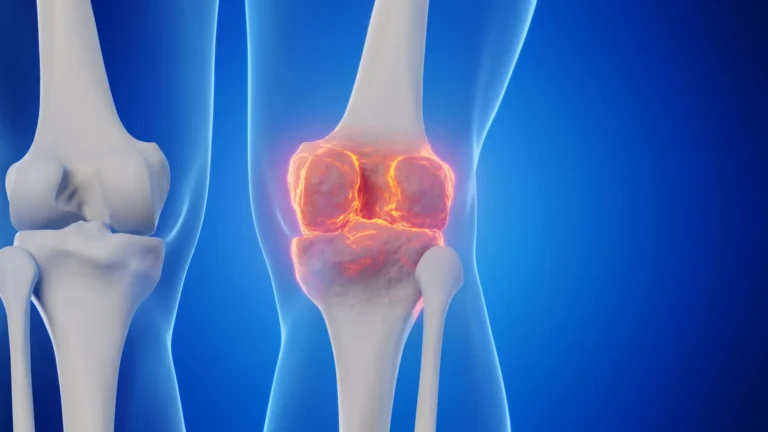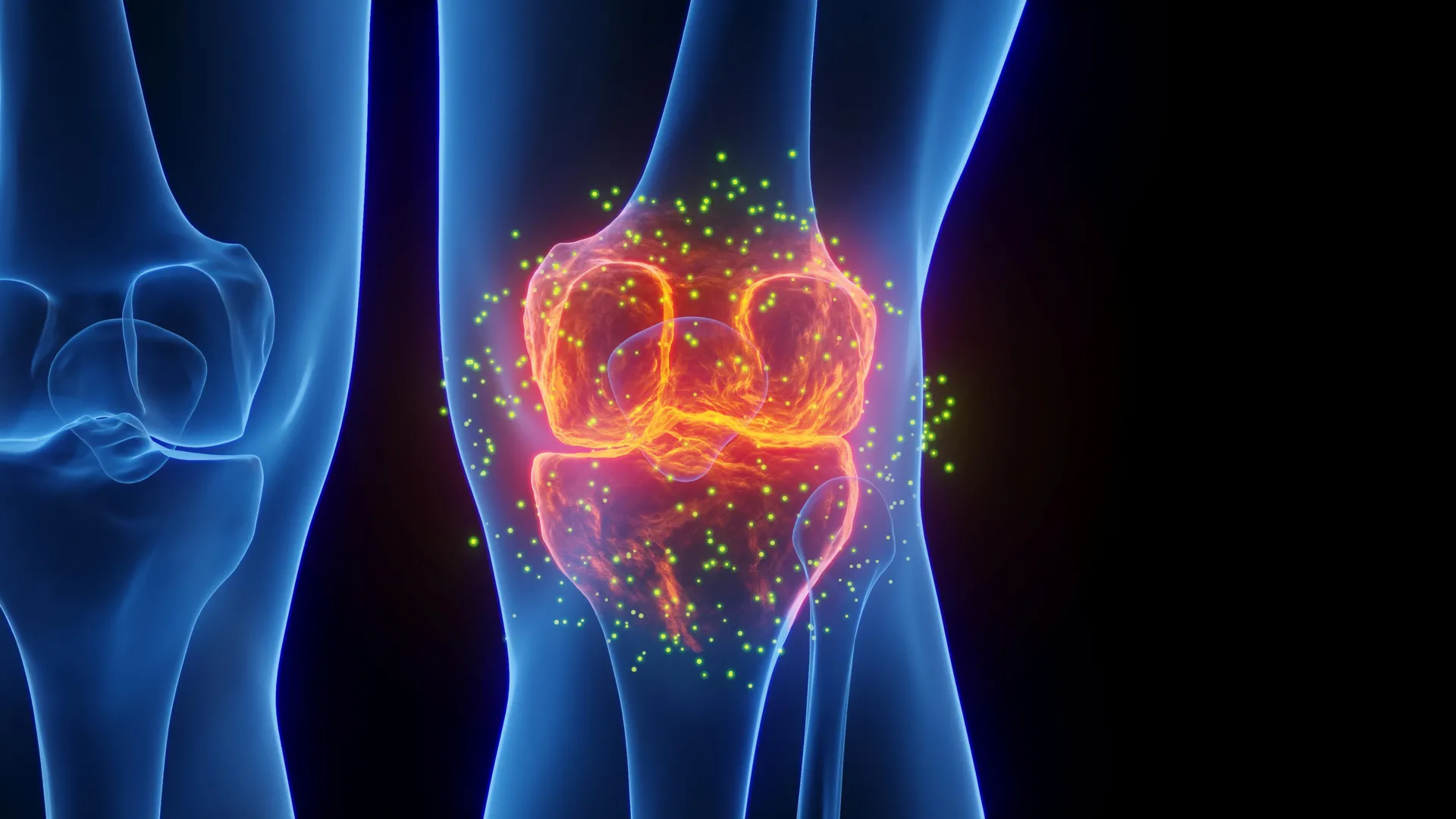
For millions of people worldwide, the aging process is measured not just in years, but in the slow, grinding erosion of mobility. Osteoarthritis, the most prevalent form of arthritis, affects one in five American adults, manifesting as chronic pain, stiffness, and the gradual degradation of articular cartilage—the smooth, slippery tissue that allows joints to move without friction. Historically, medicine has treated this condition as a one-way street: once cartilage is gone, it is gone forever, leaving patients to manage pain until they reach the inevitable threshold for total joint replacement surgery.
However, a groundbreaking study led by Stanford Medicine has challenged this medical dogma. Researchers have identified a protein, 15-PGDH, that acts as a molecular "gerozyme"—an aging enzyme—that stifles tissue repair. By blocking this protein, the team successfully restored lost knee cartilage in aging mice and prevented the onset of arthritis following significant joint injuries. Even more promising, human tissue samples exposed to the treatment began to produce new, functional cartilage, offering a glimmer of hope for a future where joint replacement is a rarity rather than a standard of care.
The Mechanism: Targeting the "Gerozyme"
To understand the magnitude of this discovery, one must look at the body’s internal regulatory systems. In 2023, the same Stanford research team identified a class of proteins they dubbed "gerozymes," which accumulate as organisms age and contribute to the systematic decline of tissue health. Among these, 15-PGDH stands out as a primary culprit in cartilage degradation.
The protein’s function is intrinsically linked to prostaglandin E2, a molecule critical for the healthy maintenance and regeneration of various tissues, including muscle, nerve, and bone. In a healthy, youthful joint, levels of 15-PGDH are low, allowing prostaglandin E2 to foster maintenance and repair. As we age, however, the concentration of 15-PGDH roughly doubles, effectively suppressing the regenerative potential of our cells.
By administering a small-molecule inhibitor to block 15-PGDH, the Stanford researchers were able to artificially restore the levels of prostaglandin E2. The result was not merely a slowing of decay, but a robust reversal of age-related cartilage loss. In animal models, the treatment stimulated the growth of hyaline cartilage—the specialized, smooth tissue required for healthy joint function—rather than the fibrous, less effective scar tissue that often forms after injury.
A Chronology of Discovery
The path to this breakthrough was not linear, but rather the result of years of cross-disciplinary research into cellular biology and stem cell function.
- Early Findings (Prior to 2023): The lab of Helen Blau, PhD, professor of microbiology and immunology, had previously established that prostaglandin E2 was a vital mediator for muscle stem cell function. They observed that blocking 15-PGDH led to significant muscle mass and endurance gains in older mice.
- The 2023 Milestone: The team officially identified 15-PGDH as a gerozyme, establishing a link between the protein and the decline of diverse tissue types throughout the body.
- The Current Study: Building on these findings, researchers Mamta Singla, PhD, and Yu Xin (Will) Wang, PhD, hypothesized that the same mechanism might be responsible for the lack of regeneration in articular cartilage. They tested this by comparing the cartilage of young and old mice, confirming that 15-PGDH levels were significantly higher in older specimens.
- Experimental Validation: The team treated older mice with a 15-PGDH inhibitor. Both systemic (abdominal) and localized (intra-articular) injections yielded striking results: the cartilage grew thicker, smoother, and more functional.
- Injury Prevention Trials: Recognizing the high rate of post-traumatic osteoarthritis—where individuals who tear their ACL often develop arthritis within 15 years—the team applied the inhibitor to a mouse model of ACL injury. Treated mice showed a drastic reduction in arthritis development and improved gait compared to untreated controls.
Rethinking Tissue Regeneration: Beyond Stem Cells
One of the most startling aspects of the Stanford study is that it upends traditional theories about how tissue heals. In many biological contexts, regeneration is synonymous with stem cells: undifferentiated cells that multiply and evolve into the specialized tissue needed to repair damage.
However, the researchers found no evidence of stem cell involvement in this process. Instead, they discovered that existing, specialized cells known as chondrocytes possess the latent ability to "reprogram" themselves. When the 15-PGDH inhibitor is introduced, these chondrocytes shift their gene expression profile. Cells that were previously locked into a state of inflammation and degradation began to behave like their younger, more productive counterparts.
"This is a new way of regenerating adult tissue," said Dr. Helen Blau. "We were looking for stem cells, but they are clearly not involved. It’s very exciting." The data confirms a significant shift: after treatment, the population of cells responsible for building healthy hyaline cartilage nearly doubled, while the population of cells contributing to inflammation and structural breakdown significantly declined.
Supporting Data: From Mice to Human Tissue
The validation of these findings in human tissue is perhaps the most significant hurdle cleared by the study. The researchers obtained cartilage samples from patients undergoing total knee replacement surgery—tissue that was, by definition, in the terminal stages of osteoarthritis.
When exposed to the 15-PGDH inhibitor for just one week, these human samples exhibited a measurable reduction in the gene activity linked to cartilage breakdown. More importantly, the samples began to generate new, articular cartilage matrix. This suggests that the "biological machinery" for repair remains present even in severely damaged human joints, simply waiting for the right signal to resume operation.
The economic implications are staggering. Osteoarthritis currently accounts for roughly $65 billion in direct healthcare costs annually in the United States alone. By moving toward a treatment that addresses the root cause of the disease—rather than merely masking pain through painkillers or replacing the joint with metal and plastic—the medical community could potentially slash the demand for surgery and significantly improve the quality of life for an aging global population.
Official Responses and Future Outlook
The senior authors of the study, Dr. Helen Blau and Dr. Nidhi Bhutani, an associate professor of orthopedic surgery, have expressed immense optimism regarding the transition from the laboratory to the clinic.
"Until now, there has been no drug that directly treats the cause of cartilage loss," noted Dr. Bhutani. "But this gerozyme inhibitor causes a dramatic regeneration of cartilage beyond that reported in response to any other drug or intervention."
The transition to human clinical trials may be faster than expected. Because an oral version of a 15-PGDH inhibitor is already undergoing Phase 1 clinical trials for age-related muscle weakness, the safety profile of the compound is already being documented in healthy human volunteers. If those trials continue to show safety and efficacy, the researchers hope to pivot the drug toward orthopedic applications.
"Our hope is that a similar trial will be launched soon to test its effect in cartilage regeneration," said Dr. Blau. "Imagine regrowing existing cartilage and avoiding joint replacement. It is a huge, unmet medical need."
Implications for the Future of Medicine
The study, published in the journal Science, represents a paradigm shift in how we perceive the aging process. By identifying 15-PGDH as a regulator of tissue decay, researchers have opened a door to a new field of "rejuvenation medicine."
While the prospect of a simple oral medication or local injection to reverse arthritis is still in the experimental phase, the foundational science is robust. The ability to reprogram existing cells rather than relying on the complex and often controversial use of stem cell therapies simplifies the potential treatment path.
As the medical community watches the ongoing trials for muscle weakness, the prospect of an anti-arthritic drug looms large. If the results seen in Stanford’s laboratories translate to the real-world clinic, the standard of care for millions of aging adults may soon change from "wait until it’s bad enough for surgery" to "take a pill to restore your joint." It is a vision of medicine where the clock of biological decay is not just watched, but actively wound backward.