For many, the act of drafting a will is a practical necessity—a way to ensure that family and loved ones are provided for. However, for a growing community of forward-thinking donors, it has become something much more profound: a strategic investment in the future of human health. As August marks "Make-A-Will Month," the Cancer Research Institute (CRI) is highlighting the transformative power of legacy gifts, a philanthropic vehicle that is currently fueling the most ambitious immunotherapy research in history.
By including the Cancer Research Institute in a will or living trust, donors are not merely leaving a gift; they are ensuring that the quest to create a world immune to cancer persists long after their own lifetime.
The Evolution of Immunotherapy: A Historical Perspective
To understand why legacy giving is so critical to CRI, one must look at the trajectory of cancer treatment. For decades, the pillars of oncology were limited to surgery, radiation, and chemotherapy. While these methods saved countless lives, they often came with grueling side effects and limitations.
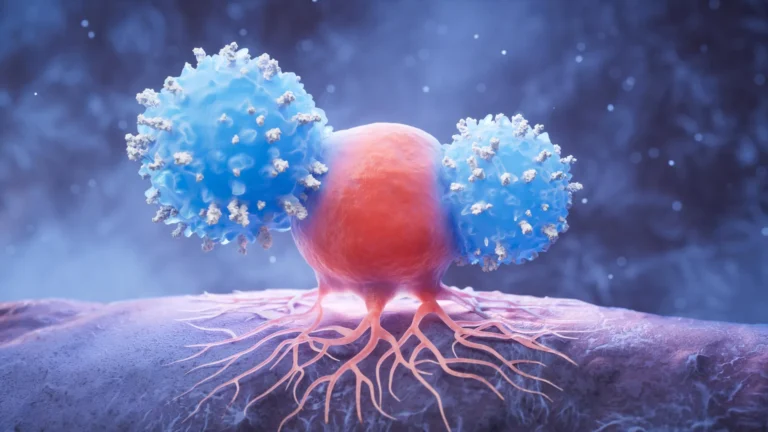
The paradigm shift began with the radical idea that the body’s own immune system—the most sophisticated defense mechanism known to man—could be harnessed to identify and destroy cancer cells. In the mid-20th century, this was considered a fringe theory. It was the unwavering commitment of organizations like CRI that kept this flame of research alive during the decades before immunotherapy became a clinical reality.
Chronology of Progress
- The Early Years (1953–1970s): CRI was founded on the belief that immunotherapy was the "fourth pillar" of cancer care. During these formative years, the organization funded small, high-risk, high-reward studies that major pharmaceutical companies deemed too speculative.
- The Breakthrough Era (1980s–2000s): As our understanding of T cells, antibodies, and immune checkpoints expanded, CRI-funded scientists were at the center of the discovery process. They began mapping the molecular signals that allow cancer to "hide" from the immune system.
- The Modern Frontier (2010–Present): Immunotherapy has moved from the laboratory to the bedside. Today, checkpoint inhibitors, CAR T-cell therapy, and cancer vaccines are standard-of-care treatments for dozens of cancer types. This success is directly tied to the persistent funding provided by individual donors, including those who have made legacy commitments.
The Financial Mechanics of Hope: Supporting Scientific Innovation
Supporting CRI through a will or trust provides the organization with the long-term financial stability necessary to pursue multi-year research projects. Unlike annual donations, which often cover immediate operational costs, legacy gifts often contribute to an endowment of knowledge, ensuring that the "next wave" of scientific talent is nurtured without the fear of funding cliffs.
Transparency and Governance
In an era where philanthropic due diligence is paramount, donors are increasingly looking for efficiency. CRI’s commitment to excellence is well-documented. The organization has consistently earned top-tier, four-star ratings from independent charity evaluators, reflecting its rigorous fiscal responsibility and strong governance.
"When a person generously gives through a will or living trust, they can do so with confidence knowing CRI regularly receives recognition from third-party assessors for its good governance and fiscal responsibility," notes Katherine Pooser, Director of Planned Giving at CRI.
This transparency is not just an administrative metric; it is a promise to the donor that their life’s work—the assets they have accumulated over a lifetime—will be deployed with maximum impact.
Official Perspectives: The Scientist’s Vital Role
The impact of these gifts is best understood through the scientists who rely on them. CRI-funded researchers are currently tackling some of the most complex puzzles in biology, ranging from the intersection of the nervous system and cancer to the application of artificial intelligence in immunology.
A Network of Innovation
One of the most effective programs funded by these donations is the CLIP (Cancer Research Institute-Ludwig Cancer Research) Investigator program. This program does more than provide a grant; it integrates promising early-career scientists into a global network of mentors and peers.
Dr. Lloyd Bod, an assistant professor of medicine at Massachusetts General Hospital and a CRI Thompson Family Foundation CLIP Investigator, emphasizes the necessity of this support. "Being a CRI CLIP Investigator is an honor," says Dr. Bod. "It not only provides crucial funding but also connects me with a network of researchers dedicated to making groundbreaking discoveries in immunotherapy. It is a commitment to pursuing innovative science that can lead to life-saving therapies for patients worldwide."
When a donor includes CRI in their will, they are essentially underwriting the salary, laboratory equipment, and research materials for investigators like Dr. Bod. They are providing the "runway" needed to transform a theory into a therapy.
Implications for Patients and the Global Community
The implications of legacy giving extend far beyond the laboratory walls. Every breakthrough in immunotherapy represents a shift in prognosis for patients. Where a diagnosis of metastatic melanoma or non-small cell lung cancer was once a near-certain death sentence, immunotherapy has enabled long-term survival for many.
The Ripple Effect of Bequests
Bequests of all sizes, when aggregated, form a substantial portion of the capital that drives the field forward. Whether a gift is large or small, it creates a ripple effect:
- Talent Retention: By funding young investigators, CRI prevents a "brain drain," ensuring that the brightest minds in biology stay focused on cancer research rather than pivoting to more lucrative sectors.
- High-Risk Exploration: Legacy funds allow for "blue-sky" research—the kind of experimental, unconventional study that is often too risky for government grants but essential for scientific leaps.
- Patient Access: As research progresses, the cost of treatments potentially drops as more effective, less invasive, and more targeted therapies are developed.
A Call to Action: Why Now?
August, designated as "Make-A-Will Month," serves as a gentle but urgent reminder of the importance of planning. For many, the decision to support the Cancer Research Institute arises from a personal connection. Some donors are themselves cancer survivors who credit immunotherapy for their recovery; others are grieving the loss of a loved one and wish to see a future where such loss is no longer the norm.
"Supporters can also be confident that their gift makes a real difference," says Pooser. "Bequests of every size come together to make up a substantial part of the funding that drives the next wave of immunotherapy developments."
How to Take the Next Step
Creating a legacy gift does not have to be complicated. It can be as simple as adding a codicil to an existing will or naming the Cancer Research Institute as a beneficiary of a retirement account or life insurance policy.
For those who have already decided to include CRI in their estate plans, the impact is immediate in spirit, providing the organization with the confidence to plan long-term research strategies. For those considering it, the CRI office of gift planning stands ready to provide information and guidance, ensuring that the donor’s intent is honored with precision and care.
Conclusion: Crafting a Legacy of Health
The fight against cancer is a marathon, not a sprint. While we have witnessed extraordinary advancements in the last decade alone, the work is far from finished. There are still many cancers that remain resistant to current therapies, and the biological complexity of the disease continues to challenge our best scientific minds.
By including the Cancer Research Institute in a will or living trust, you are joining a legacy of visionaries who refused to accept the status quo. You are choosing to stand on the side of innovation, scientific rigor, and, ultimately, human life.
As we observe Make-A-Will Month, we invite you to consider what kind of future you wish to leave behind. A world immune to cancer is an ambitious goal, but through the collective, enduring support of donors like you, it is a goal that moves closer to reality every single day.
If you are interested in learning more about how you can create a legacy of hope, please contact the CRI office of gift planning at 212-792-5212. Your inquiry is the first step toward a future defined by discovery and health.