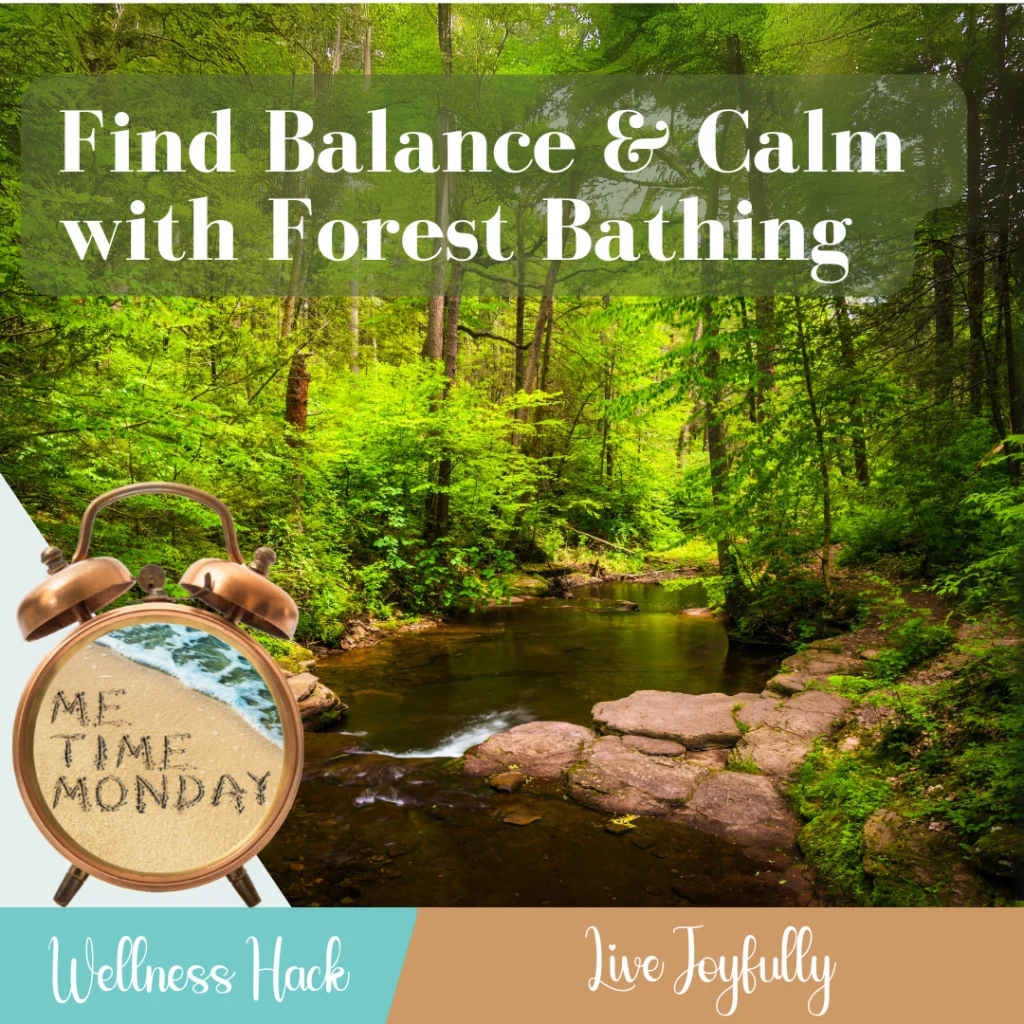
As the calendar turns to April, the focus shifts to Stress Awareness Month—a critical period for the millions of individuals navigating the demanding world of caregiving. For members of the "Sandwich Generation"—those caught between the responsibilities of raising children and caring for aging parents—the concept of "free time" is often an elusive luxury. However, new research in neuroscience suggests that profound restoration does not require hours of meditation or expensive retreats. Instead, it is achievable in just seven-minute intervals by engaging the five senses.
As detailed in the Me Time Monday methodology, brain health and longevity are intrinsically linked to the intentional stimulation of our sensory systems. By mapping these sensory inputs to specific observances throughout April, caregivers can transform mundane tasks into powerful, stress-busting therapeutic hacks.
The Neuroscience of the Seven-Minute Reset
The core premise of the Me Time Monday philosophy is that the brain is a biological organ that responds predictably to sensory environmental cues. When a caregiver is under chronic stress, the body enters a state of persistent "fight or flight," characterized by elevated cortisol levels and systemic inflammation.

Neuroscience indicates that by shifting focus to the five senses—sight, sound, touch, taste, and smell—we can manually override the brain’s stress-processing centers. The seven-minute threshold is not arbitrary; it represents a sufficient duration to trigger a "parasympathetic nervous system" response, which is the body’s "rest and digest" mode. This brief cognitive redirection is enough to break the cycle of ruminative anxiety, allowing the prefrontal cortex to regain executive function.
Chronology of Sensory Self-Care: An April Roadmap
To maximize the impact of Stress Awareness Month, we have curated a series of sensory-based interventions aligned with key national observances. These strategies are designed to be accessible, immediate, and effective for the busiest of schedules.
April 1: National Walking Day (Visual Stimulation)
Walking is often viewed as a physical exercise, but on National Walking Day, we invite caregivers to reframe it as a visual mindfulness practice. Instead of tracking steps or heart rate, the goal is to "walk with your eyes."

- The Practice: Dedicate seven minutes to a walk in a natural setting. Actively observe the environment. Note the textures of bark, the movement of leaves, or the specific shade of the sky.
- The Data: Studies consistently demonstrate that seven minutes of walking in nature provides physiological benefits equivalent to twenty minutes on an indoor treadmill. Beyond the cardiovascular gains, outdoor immersion reduces oxidative stress, which is a primary driver of chronic inflammation in the body.
National Humor Month: The Social Wellness Muscle
Laughter is far more than a reaction to amusement; it is an ancient biological bonding mechanism. During National Humor Month, we emphasize the "social wellness muscle."
- The Practice: Engage in a genuine, in-person belly laugh with a friend or colleague.
- The Science: Laughter triggers the release of oxytocin—the body’s "bonding hormone." This chemical acts as a buffer against cortisol, fostering feelings of trust and connection. According to the Harvard Adult Development Study—the longest-running study on human happiness spanning 85 years—the quality of one’s relationships is the single greatest predictor of health, happiness, and longevity.
National Healthy Home Month: The Power of Green
"Healthy Home" is often interpreted as physical safety, but it also encompasses nutritional and aesthetic health.
- The Practice: Incorporate more green, specifically avocados, into your diet and home aesthetic.
- The Neuroscience: The color green is evolutionarily associated with thriving, reliable food sources, making it a source of innate pleasure for the brain. For older adults, green remains the most optimistic and visually accessible color. Avocados, which are botanically classified as berries, serve as a "guacamole Rx." They are rich in lutein and zeaxanthin, which block the blue light emitted by digital screens, protecting eye cells from damage caused by the devices we rely on for caregiving logistics.
April 26: National Get Organized Day (Environment as Stressor)
Clutter is not just a visual nuisance; it is a neurological irritant. A chaotic environment signals a state of danger to the primal brain, which struggles to scan for threats in messy spaces.

- The Practice: Spend seven minutes on "micro-decluttering." Focus on one desk drawer or a single countertop.
- The Impact: Clearing space reduces the "visual noise" that causes an unconscious stress response. By creating order, you lower the baseline anxiety level of your immediate environment, allowing for greater focus and mental clarity.
April 30: National Sense of Smell Day (Air Quality)
The final day of the month focuses on the olfactory system, which has a direct, rapid-fire connection to the brain’s emotional center, the limbic system.
- The Practice: Improve your home’s air quality using NASA-recommended houseplants.
- The Science: The average household accumulates significant levels of dust and volatile organic compounds (VOCs) annually. Incorporating plants like the Areca Palm, Aloe, Bamboo, English Ivy, or the Spider Plant filters these toxins. The psychological benefit of "living air" combined with the scent of nature provides a low-tech, high-reward sensory environment.
Supporting Data: Why "Me Time" Matters
The necessity for these interventions is supported by shifting demographics. The Sandwich Generation is currently facing an unprecedented "caregiving cliff," where the demands of the workforce, the needs of children, and the medical requirements of aging parents converge.
Research from the Caregiving Club highlights that the primary barrier to self-care is not lack of desire, but the perceived lack of time. By breaking self-care into "7-minute hacks," we remove the barrier of entry. When caregivers view these actions as "wellness prescriptions" rather than "indulgences," adherence rates increase significantly.

Furthermore, the integration of forest bathing, social laughter, and environmental optimization is backed by recent neuro-imaging studies that show a decrease in amygdala activity—the brain’s fear center—following these specific sensory interventions.
Official Responses and Expert Perspectives
Experts in gerontology and stress management emphasize that the "caregiver burden" is a public health issue that requires structural solutions, but individual self-regulation is the first line of defense.
"Caregiving is an endurance sport," notes one leading health advocate. "If the caregiver collapses, the entire support structure fails. The Me Time Monday approach is not just about feeling better; it is a vital maintenance strategy for those who are the foundation of our society’s care infrastructure."

Employers are increasingly adopting these seven-minute modules for their workforce, recognizing that caregiver burnout leads to significant absenteeism and decreased productivity. By offering workshops and webinars that teach these sensory hacks, corporations are investing in the long-term viability of their employees.
Implications for the Future of Caregiving
The implications of this sensory-based wellness model are far-reaching. As we continue to navigate an aging population, the role of the informal caregiver will only become more critical. Moving forward, the focus must shift from "curing" the stress of the caregiver—which is often an impossible task given the external circumstances—to "managing" the physiological response to that stress.
- Normalization of Micro-Rest: We must normalize the idea that seven minutes of deep breathing, walking, or laughing is not "slacking off," but rather a high-level cognitive maintenance task.
- Environmental Design: Families should look at their living spaces not just as areas to store medical equipment, but as sensory environments that can either exacerbate or alleviate stress.
- Community Connection: The reliance on the "social muscle" suggests that caregiver support groups should focus less on the burden of care and more on shared, positive experiences that trigger oxytocin production.
In conclusion, April serves as a vital reminder that stress is not an inevitable outcome of caregiving, but a biological state that can be managed. By applying the principles of neuroscience—working out your five senses, decluttering your environment, and prioritizing human connection—the Sandwich Generation can secure the longevity and mental health necessary to continue their essential work.

For further guidance, caregivers are encouraged to explore the full library of "Self-Care in 7 Minutes" videos on the Caregiving Club YouTube channel, which provide visual and auditory tools to complement these physical and environmental strategies. Remember: in the race of caregiving, success is not defined by how much you do, but by how well you sustain your capacity to keep going.