In the complex landscape of oncology, the speed at which a tumor expands has long been viewed as a primary indicator of its lethality. However, a groundbreaking study published in Science Advances suggests that this relentless pursuit of rapid division may come at a hidden, self-inflicted cost. New research reveals that the very biological "accelerators" cancer cells use to fuel their growth are simultaneously tearing their genetic code apart, creating a cycle of damage and repair that may ultimately dictate the tumor’s evolutionary trajectory.
Led by PhD student Osama Hidmi and Professor Rami Aqeilan of the Hebrew University of Jerusalem, the study uncovers how "super-enhancers"—potent genetic control regions—act as double-edged swords. While they force essential growth genes into overdrive, they also place unsustainable physical strain on the DNA double helix, leading to frequent, severe fractures that leave the cancer vulnerable to its own genetic instability.
The Mechanics of Malignancy: When Growth Becomes a Burden
To understand the gravity of these findings, one must first consider the nature of a cancer cell. Unlike healthy cells, which operate under strict regulatory checks, cancer cells are masters of overproduction. They hijack the cellular machinery to prioritize rapid division, survival, and the maintenance of aggressive growth programs. This requires the constant, high-volume expression of specific genes.
The research team focused their investigation on super-enhancers—large clusters of transcriptional enhancers that drive the massive expression of genes defining cell identity. In the context of cancer, these super-enhancers become hyper-active, effectively acting as high-pressure control panels that keep growth genes permanently "switched on."
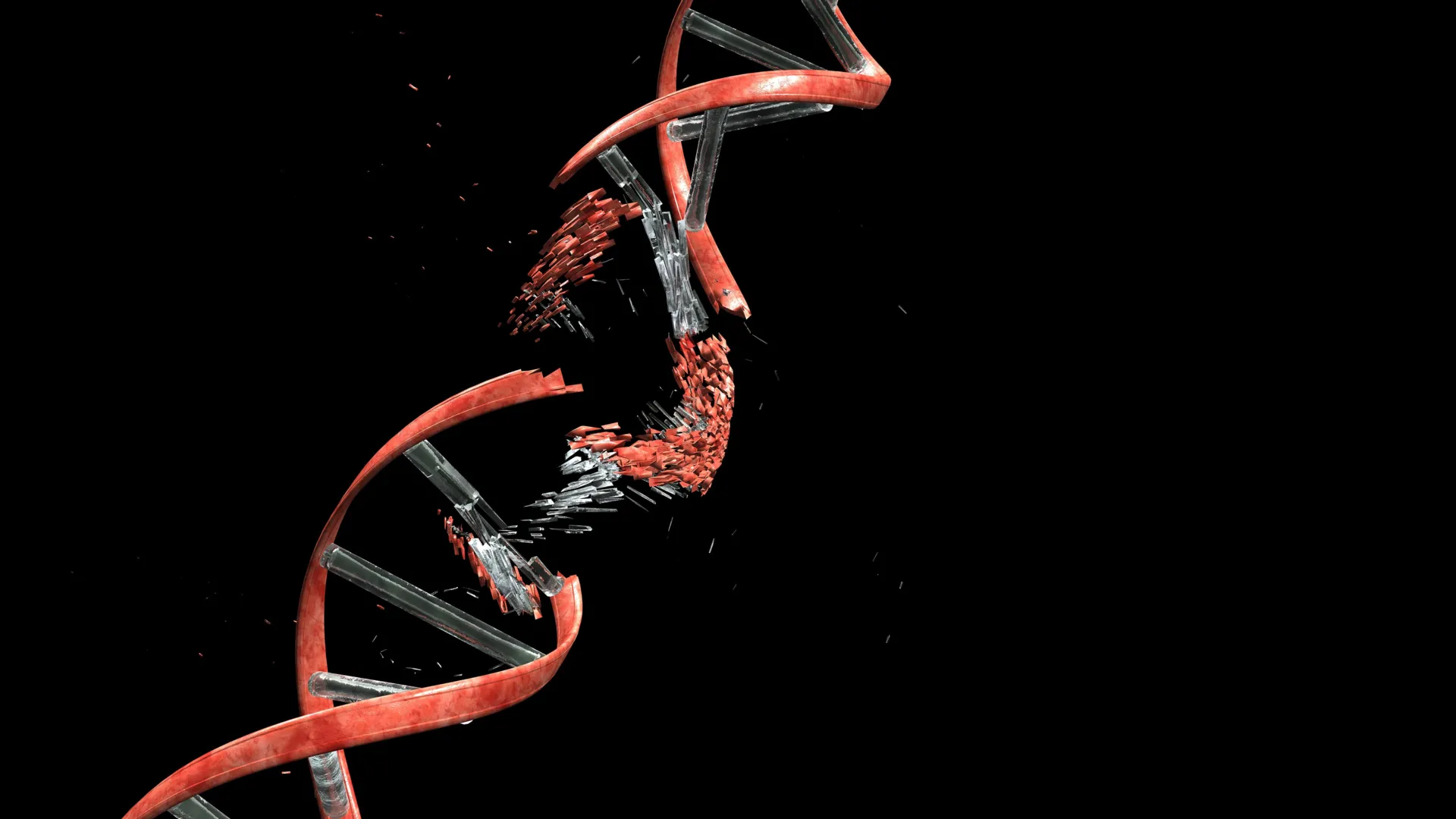
However, the Hebrew University team hypothesized that this high-output state is not physically free. By mapping the genome of cancer cells, the researchers identified a striking correlation: the sites of the most intense gene activity were also the sites where double-strand DNA breaks—the most dangerous form of genetic damage—occurred most frequently.
Chronology of the Discovery: From Hypothesis to Genomic Mapping
The path to these findings involved a rigorous, multi-stage analytical approach that began by questioning why certain regions of the cancer genome are more prone to mutations than others.
- Initial Observations: The team noted that genomic instability in cancer is not distributed randomly. Certain "hotspots" appeared consistently across different tumor samples.
- Genome Mapping: Utilizing advanced, sensitive mapping techniques, the researchers created a high-resolution map of double-strand breaks. These maps allowed them to overlay the locations of DNA fractures with the locations of super-enhancers.
- Correlation Analysis: The data revealed that the physical breaks were not occurring by chance. Instead, they were clustered precisely within the genes managed by super-enhancers. This provided the first concrete evidence that the act of "reading" these genes at extreme speeds creates mechanical stress on the DNA molecule itself, leading to snaps in the genetic backbone.
- Repair Dynamics: The team tracked the cellular response to these breaks using specific molecular "alarm" signals. They observed that the cancer cells were not just breaking; they were constantly undergoing a cycle of damage and frantic repair to maintain viability.
Supporting Data: The Cycle of Mutation
The significance of this discovery lies in the concept of "error-prone repair." When a double-strand break occurs, the cell must deploy specialized proteins to stitch the DNA back together. While this process is essential for the cell’s immediate survival, it is rarely perfect.
Every time a cancer cell repairs a break at a super-enhancer site, it risks introducing a small transcription error or a point mutation. Over thousands of cycles of rapid division, these minor errors accumulate. The result is a paradox: the same machinery that allows the tumor to grow aggressively is the very engine driving its genetic evolution. By repeatedly damaging and repairing its own DNA, the tumor creates a landscape of diversity, allowing it to adapt to environmental stressors, such as chemotherapy or the immune system’s attacks.
Official Perspectives: Decoding the "High-Speed" Dilemma
Professor Rami Aqeilan, who oversaw the research, emphasizes the systemic nature of this phenomenon. "Cancer cells rely on super-enhancers to keep growth genes running at high speed," Aqeilan noted. "What we found is that this same high-output activity can put real strain on the DNA, creating break hotspots that the cell has to repair again and again. That cycle may help tumors survive in the short term, but it also increases the risk of mutations that can fuel cancer’s evolution."
Osama Hidmi, the lead researcher on the study, highlights the potential for clinical intervention. "What is especially exciting is that because cancer cells depend on these high-stress DNA regions to keep growing, they may also be more vulnerable there," Hidmi stated. "This opens the door to treatments that target the very processes tumors rely on to survive."
The researchers suggest that the "addiction" cancer has to these super-enhancers could be the key to turning a tumor’s greatest strength into its ultimate weakness.
Implications for Future Cancer Therapeutics
The implications of this research are far-reaching, particularly in the development of "synthetic lethality" treatments. If researchers can develop drugs that specifically disrupt the function of super-enhancers, or inhibitors that prevent the DNA repair machinery from fixing the breaks created by these regions, they could effectively force the tumor to collapse under the weight of its own genetic damage.
1. Targeting the Achilles’ Heel
Current chemotherapy often damages DNA in both healthy and cancer cells. However, if therapies are designed to specifically target the unique, hyper-active gene expression profile driven by super-enhancers, clinicians might achieve higher precision, sparing healthy cells while crippling the tumor’s ability to repair itself.
2. Preventing Tumor Evolution
A major challenge in oncology is the emergence of drug resistance. Tumors often "evolve" during treatment to bypass the effects of a drug. By inhibiting the repair mechanisms that cancer cells use to fix super-enhancer-driven breaks, scientists may be able to lock the tumor in a state of high genomic instability, preventing it from adapting to new therapies.
3. A New Diagnostic Frontier
These findings also suggest that mapping the "break hotspots" of a patient’s tumor could provide a personalized blueprint of their cancer’s behavior. By understanding which specific genes are under the most mechanical stress, oncologists might predict how a tumor is likely to evolve and choose targeted therapies accordingly.
Conclusion: Turning the Tide
The study from the Hebrew University of Jerusalem represents a significant shift in our understanding of genomic instability. Rather than viewing genetic mutations as a chaotic, incidental byproduct of cancer, we can now see them as a direct consequence of the tumor’s "growth-at-all-costs" strategy.
The super-enhancer-mediated stress creates a fragile, high-maintenance system that the tumor must continuously patch up to survive. This inherent fragility provides a clear, actionable target for future drug development. As science moves toward a more nuanced understanding of cancer’s internal pressures, we may be approaching an era where we no longer just fight the tumor’s growth—we use the tumor’s own desperate drive for survival to accelerate its downfall.
The research underscores a fundamental truth about cancer: it is a biological entity pushed to its absolute limits. By forcing those limits to their breaking point, the next generation of cancer treatments may finally be able to silence the engine of malignancy once and for all.