








Introduction: Redefining Wellness in a Changing World
As the global community continues to navigate the long-term ripples of the COVID-19 pandemic, the fundamental pillars of health have shifted from abstract ideals to immediate, non-negotiable priorities. The crises of recent years—ranging from widespread income disruption and food insecurity to unprecedented levels of emotional distress—have underscored a vital truth: health is not merely the absence of disease, but the active cultivation of resilience.
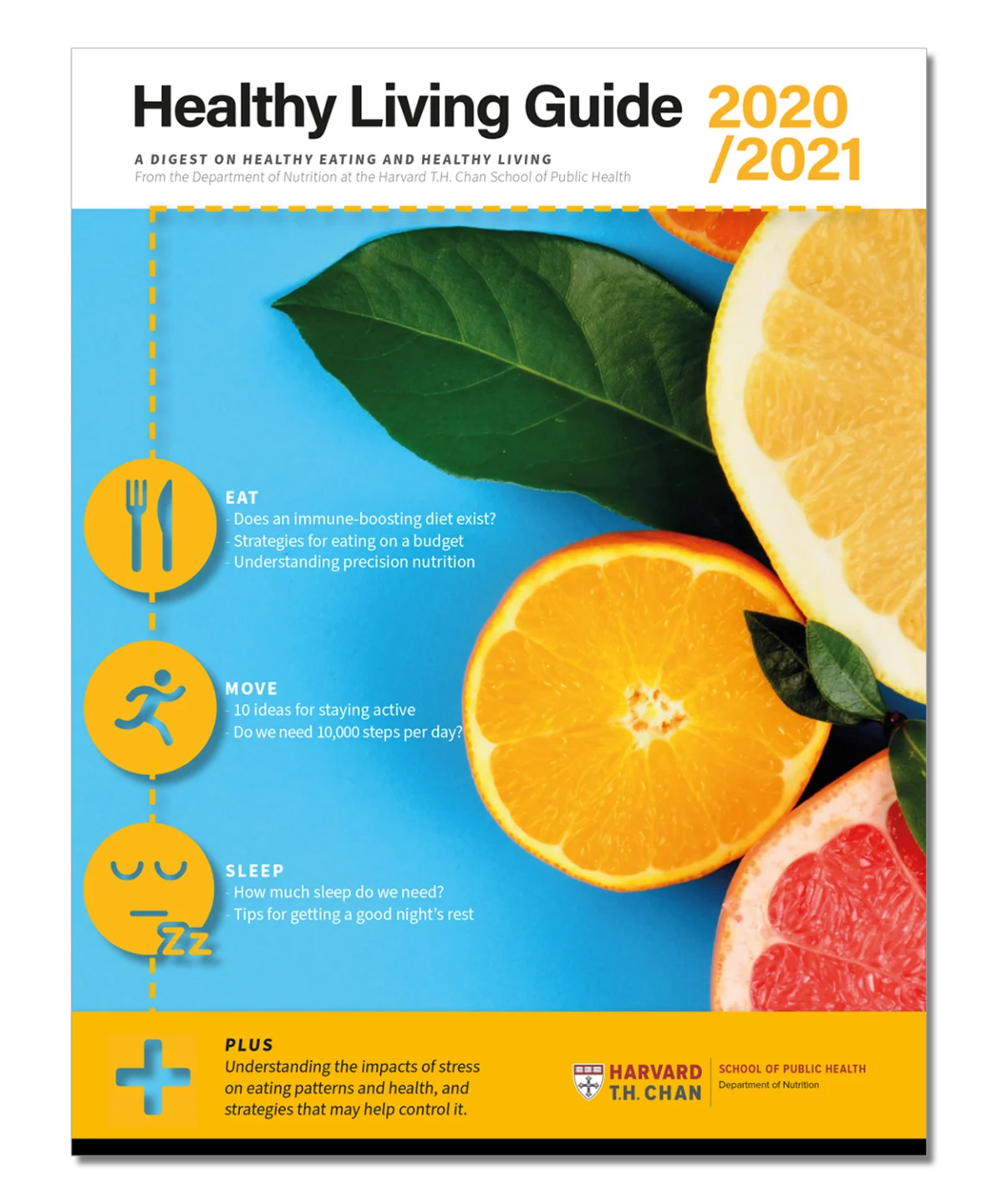
In response to these challenges, experts have pivoted toward a more integrative approach, focusing on evidence-based lifestyle modifications that strengthen the immune system and bolster long-term vitality. A recently published "Healthy Living Guide" by the Harvard T.H. Chan School of Public Health serves as a blueprint for this endeavor, offering a synthesis of nutritional science, behavioral psychology, and preventative medicine designed to help individuals reclaim their well-being in uncertain times.
Main Facts: The Five Pillars of a Longer Life
The core philosophy of modern preventative health is anchored in five fundamental habits. While the pandemic has highlighted the importance of acute immune health, long-term research indicates that these same practices are the most effective hedge against chronic disease and premature mortality.
- A Nutrient-Dense Diet: Moving beyond calorie counting, the focus is on whole foods—vegetables, fruits, whole grains, and healthy proteins—that provide the micronutrients necessary for physiological repair.
- Consistent Physical Activity: Regular movement is essential not just for weight management, but for metabolic health, cardiovascular function, and mood regulation.
- Maintaining a Healthy Body Weight: Achieving and sustaining a healthy weight reduces the inflammatory markers associated with nearly every major chronic disease.
- Moderate Alcohol Consumption: The data is clear: minimizing alcohol intake significantly reduces the risk of liver disease, certain cancers, and neurological decline.
- Tobacco Cessation: Smoking remains the single most preventable cause of death. Eliminating tobacco use is the most rapid way to improve lung function and systemic cardiovascular health.
When practiced in tandem, these five habits do more than just add years to a person’s life; they add "life to those years." Research suggests that individuals who adhere to these habits can live over a decade longer than those who do not, while simultaneously remaining free from the debilitating effects of type 2 diabetes, cancer, and cardiovascular disease during their middle-aged years.
Chronology: The Pandemic as a Catalyst for Change
The timeline of global health has been irrevocably altered by the events of 2020 and 2021.
- Early 2020: The emergence of COVID-19 forced a sudden re-evaluation of personal health. As lockdowns restricted movement and access to fresh food, the vulnerability of populations with underlying chronic conditions became painfully apparent.
- Late 2020: As the pandemic persisted, the "mental health pandemic" began to mirror the physical one. Experts noted a decline in exercise and an increase in processed food consumption, largely driven by stress and economic instability.
- Early 2021: This period marked a transition toward recovery. The publication of comprehensive guides like the Healthy Living Digest served as a public health intervention, aiming to bridge the gap between scientific consensus and daily practical application.
- Present Day: The emphasis has shifted from short-term survival to sustainable, lifelong habit formation. The focus is now on how to integrate these health-protective behaviors into a "new normal" that includes remote work, fluctuating economic conditions, and a heightened awareness of hygiene and immune support.
Supporting Data: Why Lifestyle is Medicine
The empirical evidence supporting these lifestyle interventions is robust. A landmark study cited by Harvard researchers revealed that middle-aged adults who maintained these five healthy habits experienced a significantly lower incidence of chronic disease.
For instance, the data indicates that healthy weight management, when paired with regular exercise, acts as a primary preventative measure against insulin resistance. Furthermore, the correlation between a fiber-rich diet and cardiovascular longevity is one of the most consistently supported findings in nutritional epidemiology.
While the scientific community admits that there is no "magic bullet" to prevent COVID-19 through diet alone, the data confirms that a robust immune system—fostered by a balanced diet and low chronic stress—provides the best possible foundation for the body to mount an effective defense against viral pathogens. The cumulative effect of these habits creates a "biological buffer," reducing the risk of complications if the body is challenged by illness.
Official Responses and Expert Perspectives
Public health officials and nutritionists have adopted a sympathetic but firm tone regarding the difficulty of these lifestyle changes. Recognizing that "easier said than done" is the primary barrier to change, the current expert consensus emphasizes behavioral flexibility.
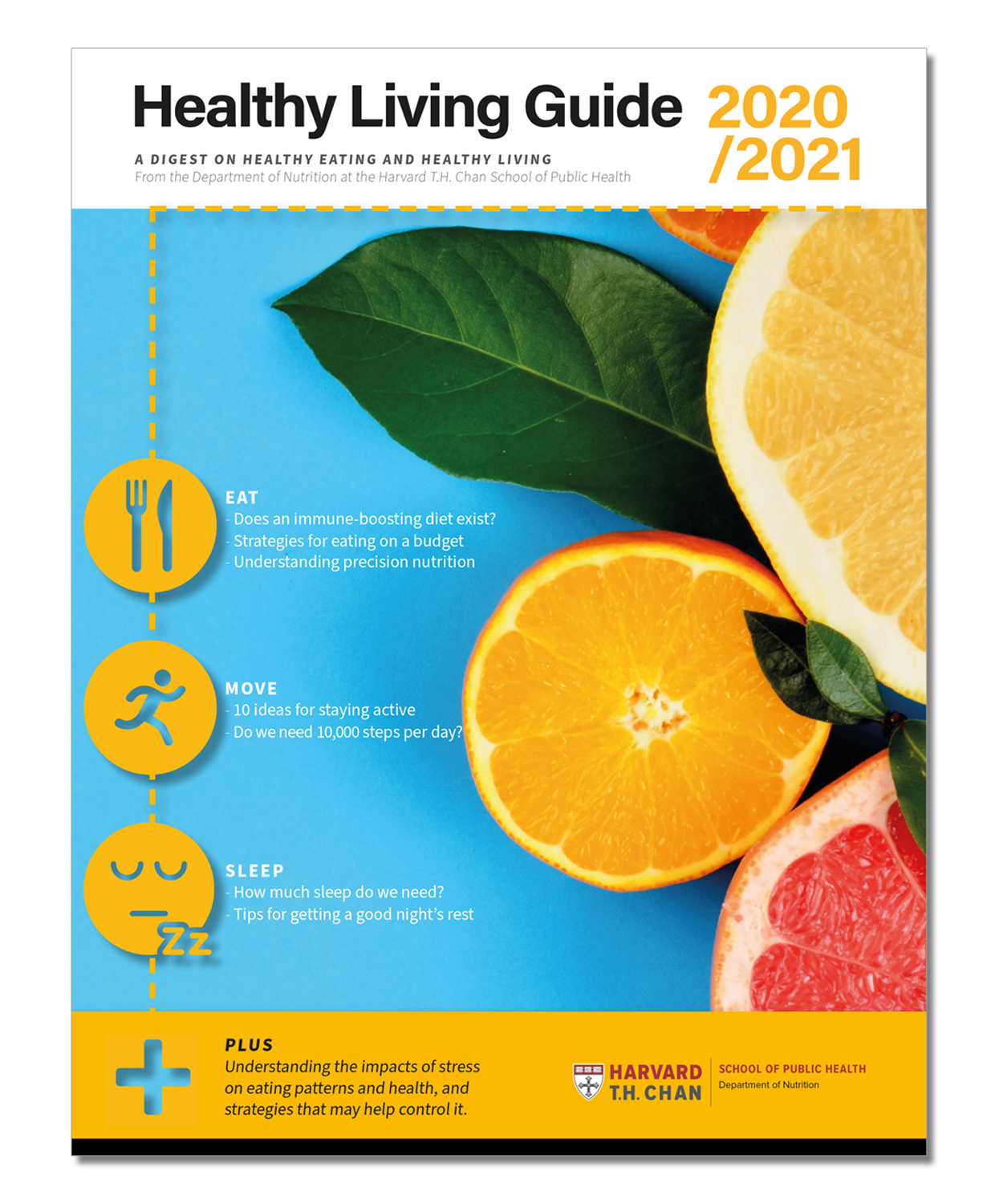
"We recognize that people are living under immense pressure," notes the Harvard Healthy Living Guide team. "Our goal is not to shame individuals into perfect habits, but to provide actionable strategies that make healthy choices the path of least resistance."
Experts suggest that the current environment requires a shift from "all-or-nothing" thinking to "incremental progress." Whether it is replacing a sugary beverage with water, taking a ten-minute walk during a lunch break, or trying one new vegetable-heavy recipe per week, these small, consistent actions are what eventually compound into the significant health outcomes mentioned in the longitudinal studies.
Implications: Building Resilience for the Future
The implications of this movement toward proactive health are profound. On an individual level, the goal is to decouple aging from inevitable decline. By prioritizing these five habits, individuals can effectively "compress" the period of time they spend living with chronic illness, allowing them to remain active and independent well into their later years.
On a societal level, the implication is a potential reduction in the massive economic and social burden of chronic disease. If a significant percentage of the population adopted even three of the five key habits, the pressure on healthcare systems would be substantially alleviated.
Overcoming Barriers
The "Healthy Living Guide" acknowledges the hurdles, such as:
- Food Insecurity: The guide addresses that healthy eating must be accessible. Tips include purchasing frozen produce, which is often as nutritious as fresh, and buying in bulk to save costs.
- Sedentary Lifestyles: With the rise of home offices, the guide emphasizes "movement snacks"—short bursts of activity throughout the day that replace the need for hour-long gym sessions that may be difficult to schedule.
- Mental Fatigue: The inclusion of gamified elements, such as the "Healthy Living Bingo Challenge," is a strategic psychological tool. By turning health goals into a game, the brain releases dopamine upon completion, creating a positive feedback loop that makes sticking to habits easier.
Conclusion: A Call to Action
As we move further away from the height of the pandemic, the lessons learned should not be discarded. The importance of a strong immune system, the value of mental health, and the undeniable impact of daily lifestyle choices have been laid bare.
The path to longevity is not found in a pill or a trend, but in the mundane, daily commitment to these five pillars of health. Whether it is through downloading a printable tip sheet, engaging in a bingo challenge, or simply committing to one extra serving of greens a day, the journey begins with a single, intentional choice. In an unpredictable world, our health remains one of the few things we can actively influence. The research is clear: the time to invest in our future selves is now.
For those seeking to implement these changes, the Harvard T.H. Chan School of Public Health provides free access to the full Healthy Living Guide, including printable trackers and detailed dietary breakdowns, ensuring that high-quality, evidence-based information is available to everyone, regardless of their starting point.