For decades, the morning cup of coffee has been a global ritual, a source of comfort, and a fuel for productivity. Beyond its role as a stimulant, however, coffee has long occupied a privileged status in the world of nutritional science. Observational studies have consistently linked regular coffee consumption to a lower risk of chronic diseases, including type 2 diabetes, Parkinson’s, Alzheimer’s, and certain forms of cancer.
Despite these compelling associations, the biological "why" has remained largely elusive. Why does a complex beverage derived from roasted beans provide such systemic protection? New research from the Texas A&M College of Veterinary Medicine and Biomedical Sciences (VMBS) suggests that the answer may lie in a specific molecular pathway: the activation of the NR4A1 receptor.
The Missing Link: Unveiling the NR4A1 Mechanism
The study, recently published in the journal Nutrients, bridges a significant gap between epidemiological observations and molecular biology. While previous research established that coffee drinkers often live longer and healthier lives, it failed to pinpoint the exact physiological mechanism at play.
Dr. Stephen Safe, a distinguished professor and the Sid Kyle Endowed Chair in Veterinary Toxicology at VMBS, spearheaded the investigation. His team discovered that specific compounds found in coffee interact directly with NR4A1, a nuclear receptor that acts as a sentinel for cellular health.
"Coffee has well-known health-promoting properties," Dr. Safe explained. "What we’ve shown is that some of those effects may be linked to how coffee compounds interact with this receptor, which is involved in protecting the body from stress-induced damage."
NR4A1 functions as a "nutrient sensor," a critical component of the body’s internal surveillance system. When cells are exposed to stress, inflammation, or trauma, NR4A1 springs into action, modulating gene activity to initiate repair and mitigate damage. By identifying that coffee compounds can bind to and activate this receptor, researchers have provided the first direct molecular explanation for why coffee might exert such a wide-reaching protective effect on the human body.
Chronology of the Discovery
The journey to this discovery was not instantaneous; it was the result of a multi-year effort to understand how dietary components influence human aging at the genomic level.
- Initial Observations: For years, Dr. Safe and his colleagues studied the broad role of nuclear receptors in metabolic health. They hypothesized that the protective benefits of plant-based diets were not merely the result of antioxidants, but rather the result of specific "signaling molecules" that tell cells how to respond to environmental stress.
- The "Nutrient Sensor" Hypothesis: Through previous work, the team characterized NR4A1 as a key player in tissue repair. They observed that when NR4A1 was deleted in laboratory models, tissue damage from injuries or chronic stress worsened significantly. This established the receptor as a primary guardian of cellular integrity.
- Targeting Coffee: Recognizing the epidemiological data surrounding coffee, the team began screening the chemical constituents of the beverage against the NR4A1 receptor. They sought to determine if any components of coffee acted as "ligands"—substances that bind to and activate a receptor.
- Validation of Compounds: The research team, which included experts in neurology, pharmacology, and biomedical engineering, confirmed that polyhydroxy and polyphenolic compounds—specifically caffeic acid—were the primary agents capable of binding and activating NR4A1.
- The "Knockout" Confirmation: To verify the causality, the researchers conducted a crucial experiment: they removed the NR4A1 receptor from cell lines and introduced the coffee compounds. Without the receptor present, the protective benefits vanished, confirming that NR4A1 is an essential mediator of coffee’s biological influence.
Beyond Caffeine: The Power of Polyphenols
One of the most surprising takeaways from the study is the role of caffeine versus other coffee compounds. While caffeine is the most famous component of coffee, the study indicates it may be a secondary player in the beverage’s long-term health benefits.
"Caffeine binds the receptor, but it doesn’t do much in our models," Dr. Safe noted. "The polyhydroxy and polyphenolic compounds are much more active."
This finding is of significant clinical interest, as it potentially explains why longitudinal studies have found similar health benefits in both caffeinated and decaffeinated coffee drinkers. If the primary health-promoting mechanism relies on polyphenols rather than caffeine, it suggests that the "protective" power of coffee is intrinsic to the bean’s chemistry, not its stimulant content.
These polyphenols, which are also found in various fruits and vegetables, appear to be the "heavy lifters" in the body’s defense system. They influence pathways related to inflammation, metabolism, and cell cycle regulation, essentially "priming" the body to withstand the insults of aging.
Supporting Data: Implications for Disease Prevention
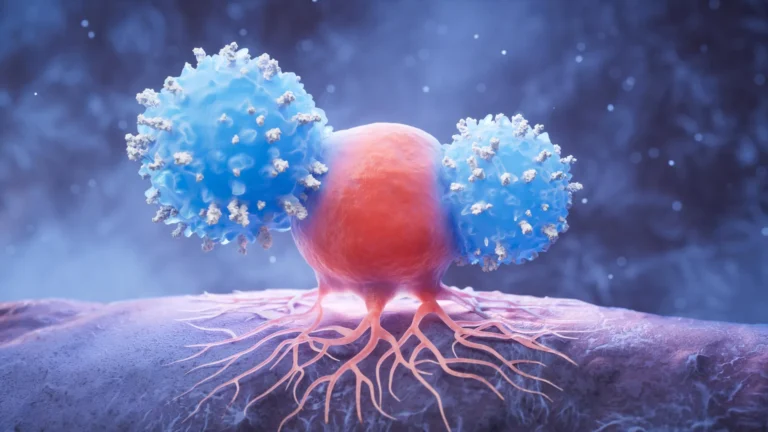
The study utilized sophisticated neurological and cellular models to observe how these compounds influence cell behavior. When the coffee compounds activated NR4A1, the researchers observed a marked reduction in cellular damage and a notable slowdown in the growth of cancer cells.
These effects are highly relevant to the chronic conditions that define modern aging:
- Neurodegeneration: By promoting better tissue repair and reducing oxidative stress, the activation of NR4A1 may explain the reduced incidence of Parkinson’s and Alzheimer’s among coffee drinkers.
- Metabolic Health: As a sensor that regulates metabolic processes, NR4A1 activation may help the body manage glucose and lipid levels more effectively, offering a mechanism for the reduced risk of type 2 diabetes.
- Cancer Prevention: The inhibition of cancer cell growth in models suggests that the anti-inflammatory nature of the receptor pathway acts as a barrier against the uncontrolled proliferation of cells.
Official Perspectives and Future Directions
The research team, which included Dr. Robert Chapkin, Dr. Roger Norton, Dr. James Cai, and Dr. Shoshana Eitan, emphasized that this study represents a foundational step in a much larger field of research. While the results are promising, they do not yet prove that drinking a specific amount of coffee will prevent disease in humans.
"There’s still a lot of work to be done," Dr. Safe said. "We’ve made the connection, but we need to better understand how important that connection is."
The implications for drug development are particularly exciting. Because NR4A1 is a "druggable" target, the team is already investigating synthetic compounds that mimic these natural coffee polyphenols but with greater potency and precision. The goal is to develop therapies that could treat cancer or chronic inflammatory diseases by essentially "turning on" the body’s innate defense systems via the NR4A1 pathway.
The Takeaway for the Daily Consumer
For the average coffee drinker, these findings provide a comforting scientific validation for a lifelong habit. However, the researchers are careful to advise that this does not constitute a "medical prescription."
"Coffee is a very complex mixture of compounds," Dr. Safe noted. "It’s a very potent combination."
Individual responses to coffee vary wildly due to genetics, metabolism, and overall diet. Furthermore, the way coffee is prepared—whether it is consumed black or laden with sugars and creams—can significantly alter its health profile. The researchers emphasize that the benefits are tied to the bioactive compounds, not necessarily the ritual of coffee consumption itself.
Ultimately, the study highlights the profound impact that routine dietary choices have on our biological machinery. It serves as a reminder that we are not just consuming calories; we are consuming information that interacts with our DNA, our receptors, and our cellular defense mechanisms.
The research at Texas A&M has moved the conversation regarding coffee from the realm of observation into the realm of mechanics. By identifying the NR4A1 receptor as a key protagonist in this story, scientists have finally begun to pull back the curtain on the biological wisdom of one of humanity’s oldest and most popular habits. Whether through a cup of coffee or future pharmacological interventions, the mastery of the NR4A1 pathway could be a vital key to unlocking healthier, longer lives.