For generations, the societal narrative surrounding weight loss has been characterized by a singular, persistent mantra: "Eat less, move more." It is a philosophy rooted in the belief that body weight is a simple equation of caloric intake versus expenditure, and that failure to maintain a slender physique is a moral failing—a lack of willpower or discipline. However, a seismic shift in medical research is dismantling this outdated paradigm. Modern science has unequivocally demonstrated that weight management is not merely a matter of character; it is a complex, biological struggle governed by ancient survival mechanisms that our brains are hardwired to defend.
The Evolutionary Burden: A Lifeline Turned Liability
To understand the modern obesity epidemic, we must look back hundreds of thousands of years to our early human ancestors. In the prehistoric landscape, food scarcity was the constant, defining challenge of existence. For early humans, body fat was not a cosmetic concern; it was a biological lifeline. Excess energy stored as adipose tissue acted as a crucial buffer against periods of famine. Conversely, being too thin meant an inability to survive during lean times, while carrying too much weight could impede mobility and increase vulnerability to predators.
Over eons, the human body evolved into a master of energy conservation. We developed sophisticated, multifaceted neurological defenses designed to guard these energy reserves at all costs. The brain became an expert at monitoring and protecting "set points" for body weight.
In the contemporary world, however, the environment has shifted drastically. We exist in an era of "caloric abundance," where ultra-processed, calorie-dense foods are ubiquitous and sedentary lifestyles are the norm. The irony of our biological heritage is that the very mechanisms designed to keep our ancestors alive during periods of starvation are now maladapted to a world of endless plenty. When we attempt to lose weight today, our bodies perceive the reduction in energy stores not as a health goal, but as a direct, existential threat to survival.
The Biological Defense: Why the Body Fights Back
When an individual initiates a calorie-restricted diet, the body’s internal sensors trigger a cascade of hormonal and metabolic responses designed to restore "normalcy"—which the brain defines as the highest weight it has previously reached.
- Hormonal Surges: Hunger-regulating hormones, such as ghrelin, skyrocket, creating an unrelenting physiological drive to consume calories.
- Intensified Cravings: Neurological pathways associated with food reward become hyper-activated, making high-calorie, sugary, and fatty foods appear irresistible.
- Metabolic Slowdown: Simultaneously, the body lowers its basal metabolic rate—decreasing energy expenditure to ensure that whatever fuel is consumed is used with maximum efficiency.
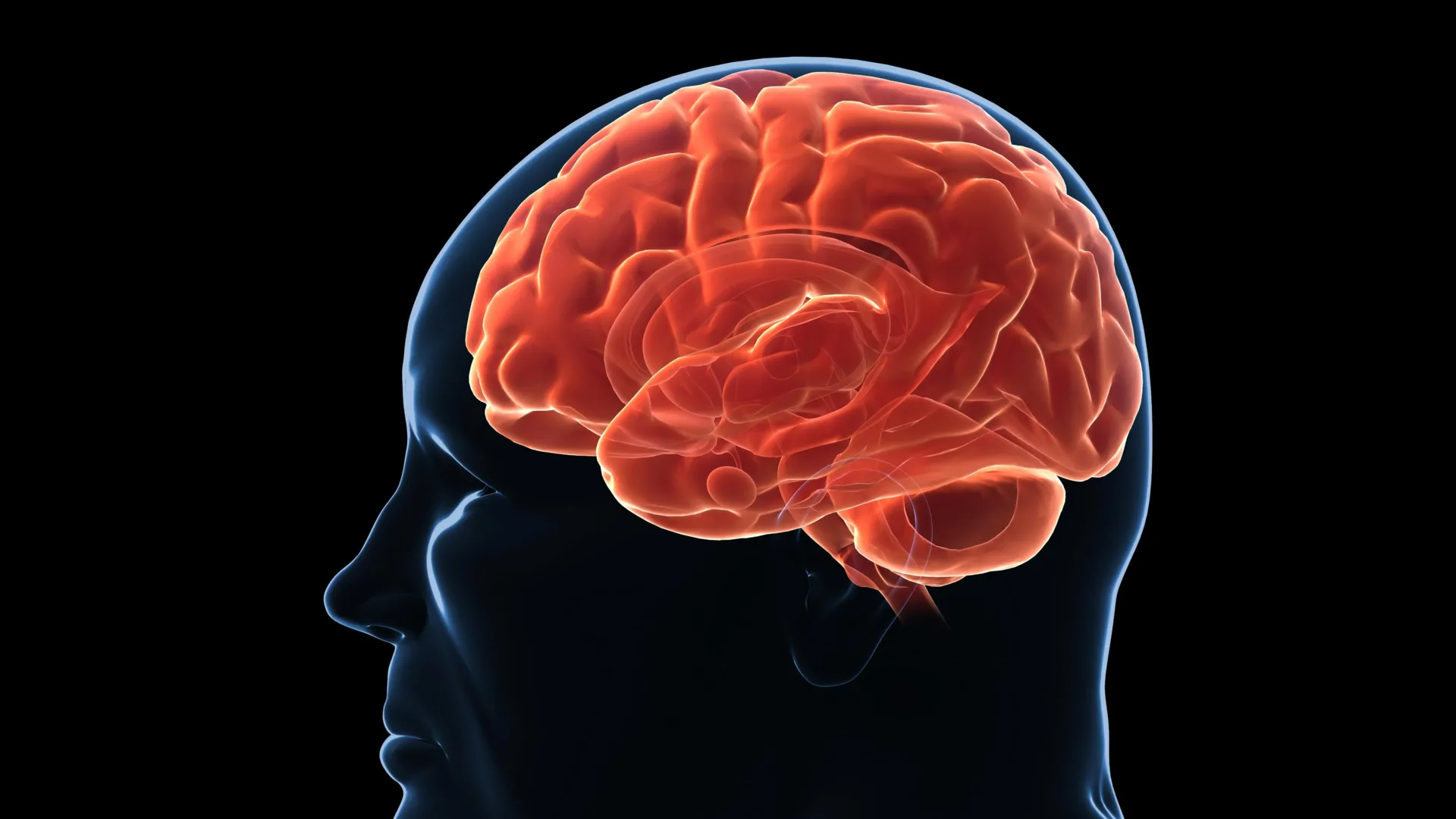
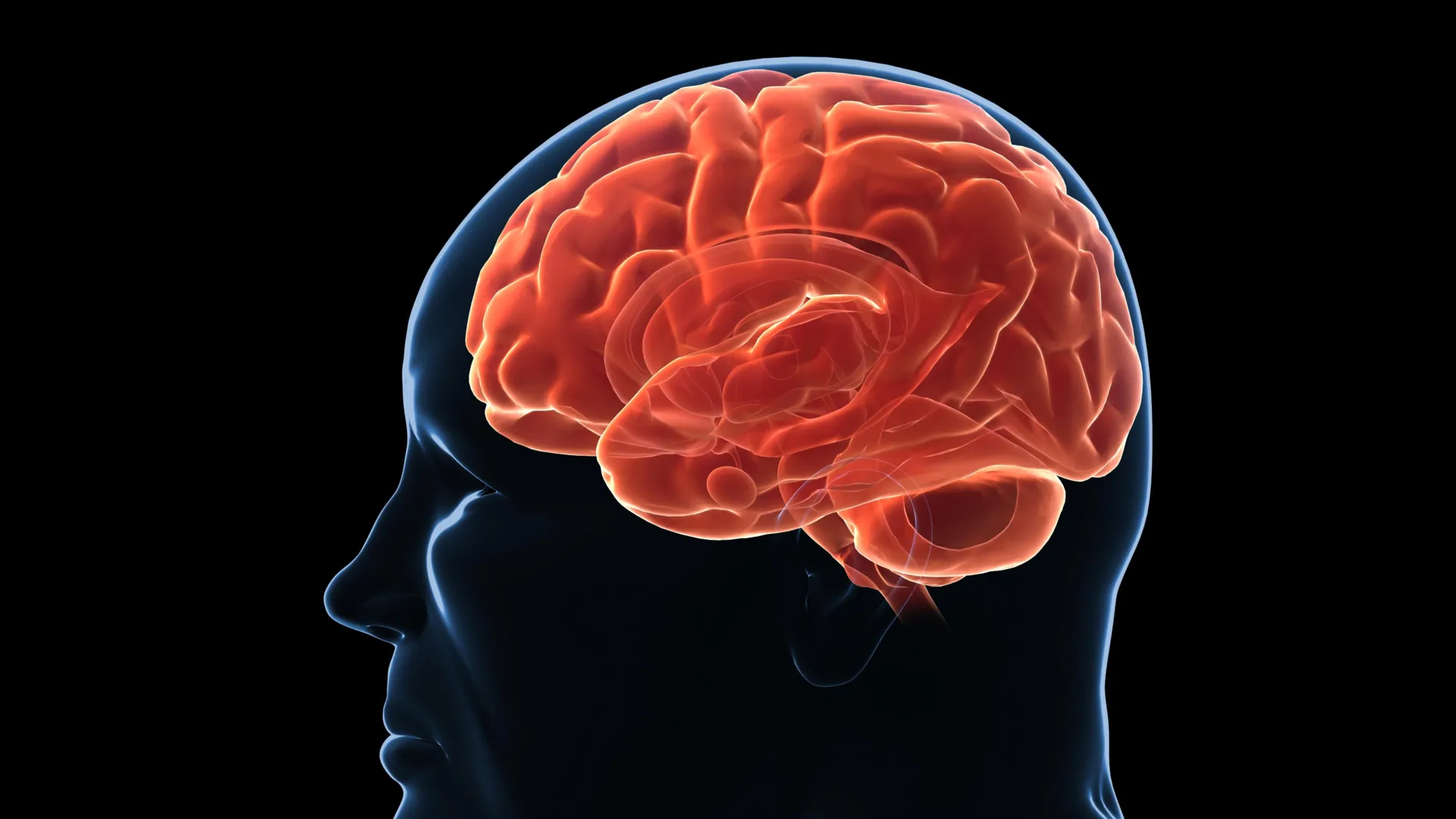
Recent research published in Cell highlights that our brains possess a "weight memory." Much like a thermostat, the brain defends a specific body weight. If an ancestor lost weight during a drought, their body would fight to regain it once resources returned to ensure survival. For modern humans, the brain treats any historical peak in weight as the mandatory "new normal." This explains the notoriously high rates of weight regain following successful dieting. The struggle is not a lack of discipline; it is a manifestation of the body performing its primary evolutionary function: defending against energy depletion.
Hacking the Biological Code: The Rise of GLP-1s
The realization that obesity is a biological, rather than behavioral, condition has ushered in a new era of pharmaceutical intervention. Medications such as Wegovy and Mounjaro represent a milestone in medical history. These drugs, often referred to as GLP-1 receptor agonists, work by mimicking gut hormones that signal to the brain that the stomach is full, effectively "hacking" the appetite regulation centers in the hypothalamus.
While these medications offer genuine hope to millions, they are not a panacea. Clinical outcomes are heterogeneous:
- Response Variability: A subset of the population experiences little to no weight loss, suggesting that the biological drivers of obesity vary significantly between individuals.
- Side Effects: Gastrointestinal issues, including nausea, severe dry mouth, and other discomforts, lead many to discontinue treatment.
- The Rebound Effect: Perhaps most critically, evidence suggests that upon cessation of these drugs, the biological defenses return to their previous baseline, leading to rapid weight regain.
Current research is now focused on "next-generation" therapies that aim to permanently reset these biological signals, potentially allowing patients to maintain a lower weight long after the active pharmacological treatment has concluded.
Shifting the Goalposts: Health vs. The Scale
A critical component of this evolving scientific understanding is the distinction between "a good weight" and "good health." Data increasingly indicates that the number on a bathroom scale is an imperfect proxy for metabolic well-being.
Studies show that individuals who maintain a consistent routine of balanced nutrition, restorative sleep, and regular physical activity can see significant improvements in cardiovascular health, blood pressure, and insulin sensitivity, even in the absence of significant weight loss. This "health at any size" approach shifts the focus from aesthetic results to tangible biomarkers. Prioritizing sleep, in particular, has been found to be a massive regulator of the hunger hormones that trigger overeating, proving that lifestyle habits remain a foundational, if secondary, pillar of health management.
A Societal Responsibility: Beyond Individual Intervention
If obesity is a condition shaped by the intersection of genetics, neuroscience, and environment, then individual responsibility is an insufficient framework for a solution. A society-wide approach is required to mitigate the root causes that trigger our biological defenses.
Key Areas for Reform:
- Early Life Nutrition: Scientists have identified a critical window from pregnancy through age seven when a child’s weight-regulation system is most malleable. Policies ensuring healthy nutrition during these formative years are essential for long-term health.
- Urban Design: Our current infrastructure prioritizes the automobile over human movement. Redesigning neighborhoods to facilitate walking and cycling can naturally integrate physical activity into daily life.
- Corporate and Policy Regulation: The unchecked marketing of ultra-processed, calorie-dense foods to children and the lack of standardized portion control in the hospitality industry contribute significantly to the environment that triggers our ancient, food-seeking instincts.
- School Food Programs: Investing in nutrient-dense school meals is a primary preventative measure that shields children from the dietary patterns that contribute to early-onset metabolic dysfunction.
Implications for the Future
The implication of this research is profound: we are witnessing the end of "blame the victim" medicine. By acknowledging that the brain is a formidable opponent—wired to defend against weight loss to ensure survival—we can replace shame with science.
The path forward involves a three-pronged strategy:
- Medical Advancement: Continued development of pharmacotherapies that can safely and sustainably recalibrate the brain’s weight-regulation centers.
- Biological Literacy: Educating the public on why their bodies resist weight loss, thereby reducing the psychological burden of failed diets.
- Structural Change: Recognizing that a "toxic" food environment requires regulatory intervention, not just individual willpower.
As we move forward, the goal is to decouple the concept of health from the rigid demands of body weight. By utilizing the tools of modern neuroscience and advocating for environments that support, rather than undermine, our biological needs, we are beginning to change the rules of the game. For those who have struggled for years, the message of modern science is clear: you are not failing your body; your body is simply fighting a battle for survival that the modern world has made obsolete. Understanding this is the first, most important step toward true health.