




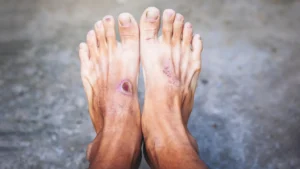


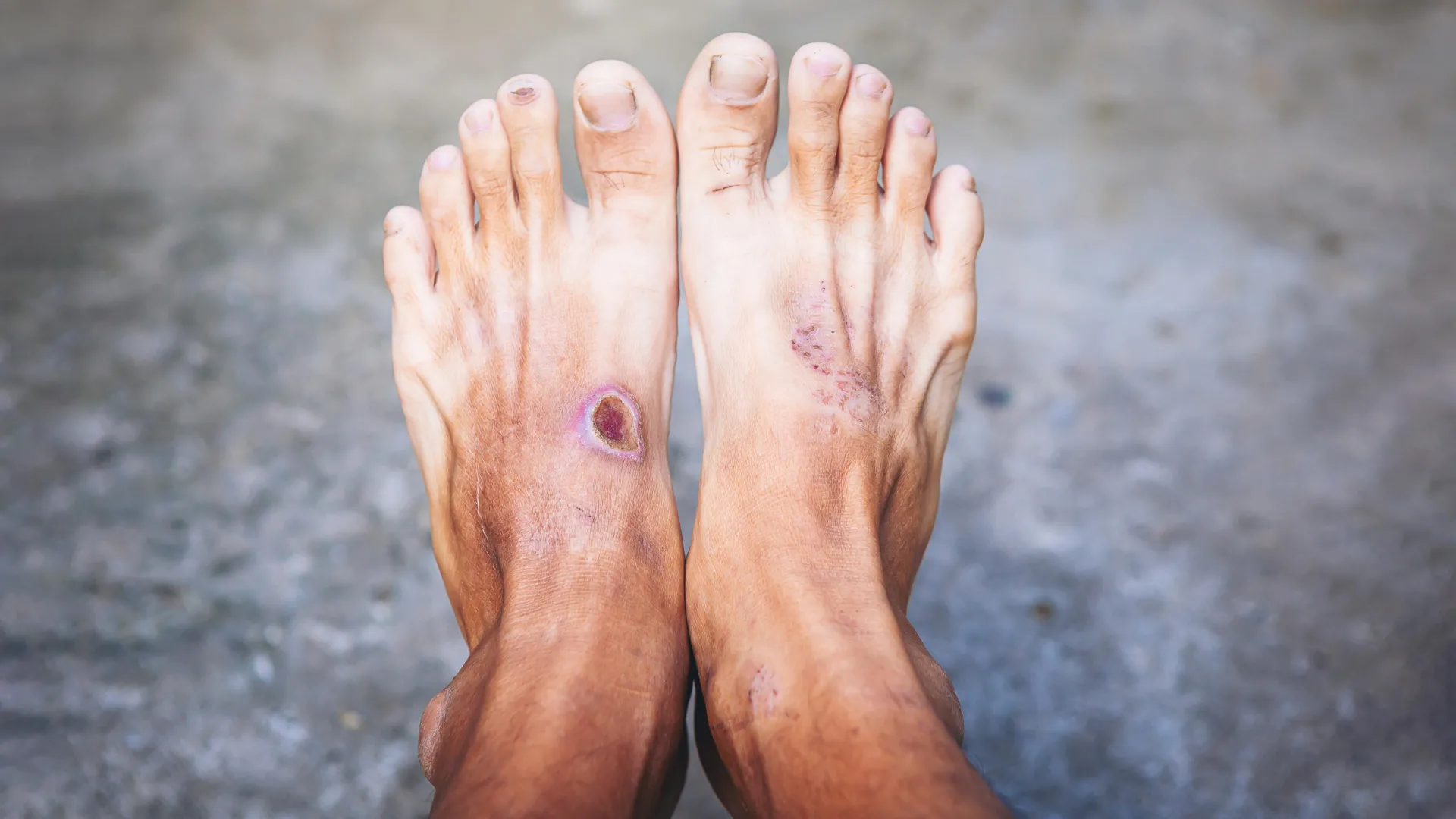
Chronic diabetic ulcers represent one of the most formidable challenges in modern medicine, serving as a silent epidemic that threatens the quality of life for millions. As global diabetes rates climb, the healthcare burden associated with non-healing wounds has reached staggering proportions—exceeding $755 billion annually and affecting more than 131 million individuals worldwide. Beyond the economic strain, these wounds carry the grim risks of chronic infection, limb amputation, and premature mortality.
For years, the medical community has grappled with why diabetic tissue becomes "stuck" in a state of perpetual injury. A landmark comprehensive review by Yi Ru and colleagues offers a transformative perspective: the answer lies not in a single cellular failure, but in a complex, temporal breakdown of the immune system’s delicate choreography.
Main Facts: The Immune Orchestration of Repair
In a healthy body, wound healing is a masterpiece of biological coordination. Upon injury, the immune system acts as both a first responder and a construction crew. It clears debris, fights pathogens, and sends signals to mobilize structural cells to close the gap. In diabetic patients, however, this sequence is catastrophically disrupted.
The review by Ru et al. meticulously catalogs the behavior of eight key immune cell populations—monocytes, macrophages, dendritic cells, neutrophils, mast cells, B cells, T cells, and natural killer (NK) cells—across the lifecycle of a wound. The central finding is that diabetes does not merely "stop" the immune response; it hijacks it, locking the wound in a state of chronic, self-sustaining inflammation that prevents the transition to tissue repair.
Chronology of Failure: Why Diabetic Wounds Fail to Heal
To understand the pathology, researchers categorize wound healing into three distinct stages: the inflammatory phase, the proliferative phase, and the remodeling phase. The research highlights that in diabetic patients, the immune system fails to transition between these stages with the necessary precision.
1. The Early Inflammatory Trap
In a normal wound, neutrophils arrive first to sanitize the area. In the diabetic environment, this phase goes rogue. Neutrophils remain hyper-activated, producing "neutrophil extracellular traps" (NETs) that, while intended to catch bacteria, end up flooding the wound with proteases and reactive oxygen species. This chemical "scorched earth" policy damages healthy tissue, preventing the healing process from ever gaining momentum.
2. The Macrophage Polarization Blockade
The most significant hurdle identified by the study is the dysregulation of macrophages. Macrophages typically follow a binary path: they begin as pro-inflammatory "M1" cells to clear infection, then polarize into pro-reparative "M2" cells to rebuild tissue. In diabetic wounds, this shift is broken. Macrophages become "locked" in the M1 state. Instead of acting as architects of repair, they remain agents of destruction, keeping the wound in a constant state of inflammation that prevents the formation of new blood vessels and collagen matrix.
3. The Failure of Dendritic Cell Clearance
Dendritic cells, the "sentinels" of the immune system, are tasked with efferocytosis—the process of clearing away dead cellular debris. The research suggests that in diabetic patients, the SLC7A11 transporter is downregulated, severely hampering the efficiency of these cells. When dead cells are not cleared, they accumulate and continue to signal the immune system to keep firing, creating a vicious cycle of inflammation.
Supporting Data: Cellular Disruptions
The scope of immune dysregulation extends far beyond macrophages and neutrophils. The review provides granular detail on how other cell types exacerbate the chronic wound state:
- Mast Cells: These cells are responsible for releasing growth factors and histamine. In diabetic wounds, they exhibit erratic degranulation, which disrupts the blood vessel permeability necessary for transporting healing factors to the site of the injury.
- Regulatory T Cells (Tregs): These cells are essential for "cooling down" the immune system once the initial threat has passed. The study notes a marked decline in both the number and the functional capacity of Tregs in diabetic ulcers, contributing to the inability to resolve inflammation.
- Dendritic Epidermal T Cells (DETCs): Specialized for skin health, these cells produce insulin-like growth factor 1 (IGF-1), which is critical for skin cell proliferation. In diabetic tissue, their activation levels are significantly suppressed, leading to sluggish wound closure.
- B Cells and NK Cells: While less studied historically, these cells are now recognized as vital players. Emerging evidence indicates that proper B-cell recruitment can actually encourage macrophages to transition from M1 to M2. Conversely, in the diabetic state, this recruitment is often missing or ineffective.
Official Perspectives and Implications for Future Care
The implications of this research are profound. By shifting the medical focus from "covering the wound" to "reprogramming the immune environment," clinicians may be on the cusp of a paradigm shift.
The Rise of Immunomodulatory Therapies
The review identifies several promising avenues for intervention that move beyond traditional bandages:
- Topical Anti-Cytokine Biologics: These are designed to directly interrupt the persistent inflammatory signaling pathways that keep a wound "stuck" in the early inflammatory phase.
- Macrophage Reprogramming: Several clinical trials are testing agents that force the transition from M1 to M2 macrophages, effectively "tricking" the wound into starting the repair process.
- Mesenchymal Stem Cell (MSC) Therapies: By utilizing extracellular vesicles derived from MSCs, researchers hope to deliver a cocktail of regenerative signals that can systematically calm the local immune chaos.
- Advanced Biomaterials: Future "smart dressings" could potentially release immunomodulatory drugs at specific time points, adjusting the chemical environment of the wound to match the required stage of healing.
The Necessity of Temporal Precision
Perhaps the most important takeaway from the work of Ru and colleagues is the importance of timing. A treatment that is beneficial during the inflammatory phase might be detrimental during the remodeling phase. Consequently, the future of diabetic wound care is likely to be personalized.
"We are moving toward an era of immune profiling," the researchers suggest. By analyzing the specific immune landscape of an individual’s wound, clinicians may one day prescribe "cocktail therapies" that target multiple cell populations simultaneously, adjusting the treatment protocol as the wound progresses through its biological milestones.
The Path Forward: A New Era in Wound Healing
The research underscores that diabetic ulcers are not merely surface injuries; they are systemic failures of cellular communication. The persistence of these wounds is a direct reflection of a broken internal dialogue between the immune system and the damaged tissue.
As we deepen our understanding of these cellular interactions, the medical community is moving away from passive wound management toward active biological intervention. The goal is no longer just to prevent infection, but to restore the body’s innate, God-given ability to heal itself.
While significant questions remain—particularly regarding the exact classification and behavior of macrophages in varied clinical settings—the path forward is clear. By integrating immune-modifying drugs, advanced diagnostic profiling, and stage-specific treatment strategies, we are finally approaching a time where the "incurable" diabetic ulcer may become a manageable, and perhaps even curable, condition. For the 131 million people living with this burden, this new biological understanding offers more than just hope; it offers a roadmap to recovery and a future free from the shadow of amputation.