





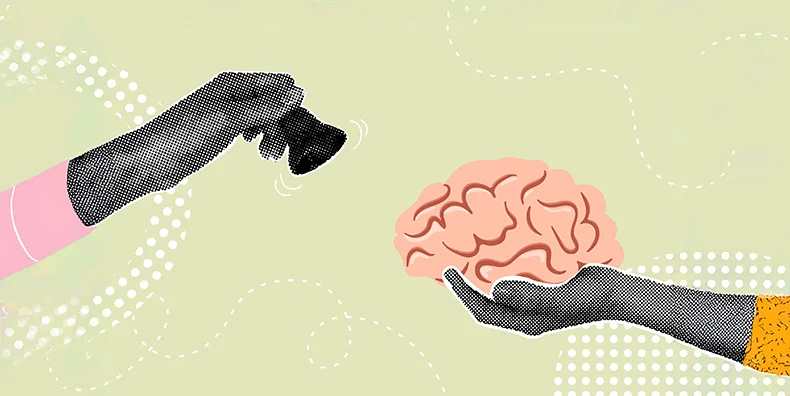
Living with bipolar disorder is often described as a perpetual balancing act—a high-wire walk where the wind speed and the stability of the rope can change without warning. While the condition is fundamentally biological, rooted in brain chemistry and genetics, its course is significantly influenced by external and internal "triggers." Understanding these triggers is not merely a clinical exercise; for the millions of individuals living with bipolar I and II, it is a vital survival strategy.
Recent clinical insights and personal testimonies suggest that learning to recognize the unique patterns of one’s mood shifts can drastically lower the risk of severe manic or depressive episodes. By identifying the specific events, behaviors, or environmental changes that precede a shift, individuals can move from a reactive state to a proactive stance of management.
Main Facts: Defining the Bipolar Trigger
A "trigger" in the context of bipolar disorder is an internal or external stimulus that can precipitate a mood episode. It is important to distinguish between the cause of the disorder and the trigger of an episode. While the cause is a complex interplay of genetics and neurobiology, triggers are the catalysts that set a cycle of mania, hypomania, or depression into motion.
Triggers are highly individualized. What might cause one person to spiral into a week of sleepless mania—such as a promotion at work or a cross-country flight—might barely affect another. However, clinicians generally categorize triggers into several primary domains:
- Sleep and Circadian Rhythm Disruptions: The most potent biological trigger, involving any shift in the body’s internal clock.
- Interpersonal and Social Stress: Conflict with loved ones or changes in social status.
- High-Intensity Life Events: Both "negative" (loss of a job) and "positive" (marriage, birth of a child).
- Substance Use: The introduction of alcohol, caffeine, or stimulants into the system.
- Medical and Hormonal Shifts: Thyroid fluctuations, postpartum changes, or chronic pain.
According to data from mental health advocacy groups, nearly 233,000 individuals have sought information on trigger management through leading portals like bpHope, highlighting a massive demand for self-regulation tools in the bipolar community.
Chronology: The Lifecycle of a Mood Episode
The development of a bipolar episode rarely happens in a vacuum. Instead, it often follows a predictable, albeit rapid, chronology.
Phase 1: The Accumulation of Stressors
Before a trigger "fires," there is often a period of accumulating stress. Chronic pressures—such as ongoing financial strain or a demanding work environment—thin the individual’s psychological and biological resilience. This is often referred to as the "kindling effect," a theory suggesting that initial episodes may require a significant life stressor, but over time, the brain becomes more sensitive, and smaller triggers can set off subsequent episodes.
Phase 2: The Trigger Event
A specific event occurs. This could be a "social rhythm" disruption, such as staying up until 3:00 a.m. to finish a project, or an emotional blow, such as a heated argument with a spouse. For individuals like Steven L. of Massachusetts, the trigger can be as seemingly minor as a disorderly home environment. For Steven, disarray in his physical space acts as a mirror to internal chaos, triggering dysphoric hypomania characterized by racing thoughts and irritability.
Phase 3: The Prodromal Period (Warning Signs)
Following the trigger, there is a window of time where "prodromal" symptoms appear. These are early warning signs: a slight increase in speech speed, a decrease in the need for sleep, or a sudden withdrawal from social activities. This is the critical window for intervention.
Phase 4: The Full Episode
If the trigger is not managed and the prodromal signs are ignored, the individual moves into a full-blown manic, depressive, or mixed episode. At this stage, clinical intervention (medication adjustment or hospitalization) is often required to ensure safety and stability.
Supporting Data: The Science of Stability
Research consistently supports the link between routine and mood regulation. A study published in The Lancet Psychiatry emphasizes that disruptions to the circadian rhythm are a hallmark of bipolar disorder. This is not just about feeling tired; it is about the "Social Rhythm Theory," which posits that stable daily routines (consistent times for eating, sleeping, and socializing) help keep the brain’s biological clock in sync.
Sleep and Light Sensitivity
Data shows that even a single night of sleep deprivation can induce mania in susceptible individuals. Furthermore, seasonal changes play a significant role. The reduction of sunlight in autumn can trigger depressive "crashes," while the increase in daylight during spring can overstimulate the brain, leading to a spike in manic admissions to hospitals.
The Impact of Relationship Strain
A study in the journal Bipolar Disorders found that "Expressed Emotion" (EE)—a measure of criticism, hostility, or emotional over-involvement within a family—is a significant predictor of relapse. Individuals living in high-EE environments are nearly three times more likely to experience a recurrence of symptoms than those in supportive, low-conflict households.
Task Overload and Executive Function
For many, like Charlene L. of Ohio, the trigger is "cognitive load." When the number of daily tasks exceeds the individual’s ability to process them, the resulting anxiety can trigger a mixed-state episode. Charlene’s experience with "screaming" phone reminders illustrates how even tools designed to help can become triggers if they contribute to sensory or cognitive overwhelm.
Official Responses: Expert Perspectives on Management
Mental health professionals emphasize that while triggers cannot always be avoided, they can be "tamed."
Dr. Cassandra Joubert, a psychologist and author of Losing Control, suggests that managing triggers requires a deep dive into emotional history. "What feelings came up for you when those events occurred? And what situations today bring up those same feelings?" she asks. Dr. Joubert advocates for a "strategic pause"—teaching oneself to stop, breathe, and do nothing for a moment to allow the logical mind to catch up with the emotional response.
Therapist Stephanie Wilson, MA, MEd, stresses the importance of objective data. She encourages her patients to maintain a "mood chart" or a longitudinal digital log. "A therapist can tell a patient a million times what they should do," Wilson notes, "but ultimately the patient has to be the one to manage the disorder." By tracking sleep, mood, and daily events, patients can see the mathematical correlation between a trigger (like a late night) and a symptom (like irritability three days later).
Medical experts also warn about the "dual-edged sword" of medication. While essential for stability, changes in medication—even those done under supervision—can act as triggers. Missing a single dose or changing the timing of a prescription can create a chemical instability that allows a mood episode to take hold.
Implications: Long-Term Strategies for Resilience
The implications of mastering trigger identification are profound. It shifts the paradigm of bipolar disorder from a "mysterious affliction" to a "manageable condition."
The Role of the "Supportive Witness"
One of the most effective strategies for long-term stability is the involvement of a "supportive witness"—a friend, spouse, or family member trained to spot early warning signs. As seen in the case of Judy N. from British Columbia, checking in with trusted friends provides an "external reality check." Because mania often impairs self-awareness (anosognosia), having someone else say, "I notice you’re talking much faster than usual," can be the difference between a minor adjustment and a major crisis.
Creative Processing and Communication
For individuals like Jason I. of New Jersey, creative outlets serve as a pressure valve. By journaling, writing poetry, or blogging, he processes internal stressors before they reach a boiling point. Open communication with his wife ensures that triggers are discussed rather than suppressed, preventing the escalation of domestic tension.
The Necessity of Self-Compassion
Perhaps the most important implication for those living with bipolar disorder is the move away from self-blame. Even with the most meticulous mood charting and the strictest routines, episodes can still occur. Experts agree that recognizing a trigger is not about achieving "perfection" but about building a toolkit.
Conclusion
Managing bipolar disorder is a marathon, not a sprint. By identifying personal triggers—whether they be a messy kitchen, a missed hour of sleep, or a stressful holiday—individuals can reclaim agency over their lives. The data is clear: self-awareness, coupled with clinical support and a stable routine, forms the bedrock of long-term recovery. As the community of those with lived experience grows, the collective knowledge of how to "tame the trigger" continues to evolve, offering hope for a more stable and predictable future for those navigating the complexities of the bipolar brain.