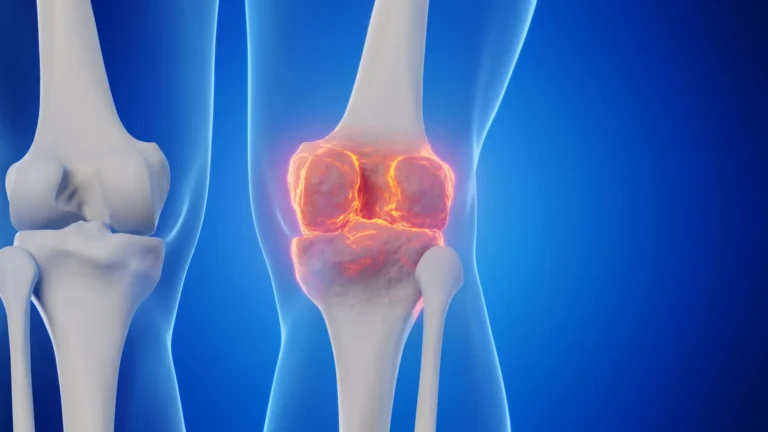
In the landscape of modern fitness, a quiet revolution has been taking place. For decades, the wellness industry was dominated by a singular focus: static stretching and raw flexibility. However, a seismic shift has occurred, moving the needle away from merely reaching for one’s toes and toward the sophisticated, multidimensional discipline of mobility training.
Today, mobility training has transcended the niche interests of physical therapists and elite athletes, becoming a staple in commercial gyms, home workout apps, and high-performance training centers. By emphasizing movement quality, joint control, and functional range of motion, this new paradigm is fundamentally altering how we perceive physical health, injury prevention, and athletic longevity.
Main Facts: Defining the Mobility Paradigm
To understand the current trend, one must first distinguish between "flexibility" and "mobility." While the terms are often used interchangeably in casual conversation, they are distinct physiological concepts. Flexibility refers to the passive lengthening of a muscle—the degree to which a joint can be moved through its range of motion with external assistance or gravity.
Mobility, by contrast, is the ability to actively control a joint through its full range of motion. It is a combination of flexibility, motor control, and strength. If flexibility is the "range," mobility is the "capacity to use that range."
The Core Pillars of Mobility Training:
- Joint Health: Focusing on the integrity of the joint capsule rather than just the muscle belly.
- Motor Control: Enhancing the neuromuscular connection to ensure the brain can "command" the body to move safely in deep positions.
- Functional Range: Prioritizing the ability to stabilize and express strength at the end-ranges of motion, which is where most injuries occur.
A Chronological Evolution: From Physical Therapy to Mainstream Fitness
The ascent of mobility training did not happen overnight. Its trajectory can be traced through several distinct phases over the last two decades.
The Early 2000s: The Corrective Exercise Boom
In the early 2000s, concepts like the Functional Movement Screen (FMS) began to gain traction. Pioneers like Gray Cook and Lee Burton introduced a systematic way to look at movement patterns. It was the first time that mainstream trainers were taught to "screen" a client before asking them to perform a back squat or a deadlift. This period shifted the focus from "how much can you lift?" to "how well do you move?"
2010–2015: The Rise of the "Movement Guru"
As the internet matured, influencers and specialized coaches began to demystify the complex world of human biomechanics. Books like Becoming a Supple Leopard by Dr. Kelly Starrett turned the fitness world on its head, suggesting that sedentary lifestyles were "de-training" the human body. This period saw the normalization of foam rolling, lacrosse ball soft-tissue work, and the "movement prep" warm-up.
2016–Present: Social Media Democratization
The current era is defined by the rapid spread of information via platforms like Instagram and TikTok. Fitness professionals now share quick, actionable drills—such as 90/90 hip rotations, thoracic extensions, and scapular glides—that reach millions of consumers. This has created a demand for "prehab" (preventative rehabilitation) that is no longer exclusive to those undergoing physical therapy.
Supporting Data: Why the Shift is Necessary
The shift toward mobility training is backed by an increasing body of research concerning the consequences of modern sedentary behavior.
The Impact of Sedentary Lifestyle
According to data from the World Health Organization (WHO), physical inactivity is one of the leading risk factors for non-communicable diseases. Beyond systemic health, inactivity leads to "adaptive shortening," where tissues adapt to the shapes they are held in most often. For the average office worker, this means tight hip flexors, rounded shoulders, and a locked thoracic spine.
Performance Metrics
Studies in the Journal of Strength and Conditioning Research have consistently shown that static stretching prior to explosive exercise can actually diminish power output. Mobility training, which often utilizes dynamic, active movements, serves as a superior "neurological priming" technique. Athletes who engage in consistent mobility work report:
- A 15-20% increase in deep-squat depth without compensatory rounding of the spine.
- Reduced recovery times due to improved lymphatic flow and joint lubrication.
- Lower rates of non-contact soft tissue injuries, particularly in the hamstrings and lower back.
Official Responses: Insights from the Experts
The fitness industry has responded to this trend with enthusiasm, though with a note of caution from the medical community.
The Professional Fitness Perspective
"We have moved past the era of the ‘bodybuilder’ who is physically strong but structurally rigid," says Marcus Thorne, a certified strength and conditioning specialist (CSCS). "The modern client wants to be an athlete in their daily life. They want to be able to pick up their children, play weekend sports, and sit comfortably at a desk without chronic pain. Mobility training is the tool that bridges that gap between aesthetics and function."
The Clinical Perspective
Physical therapists, while generally supportive, emphasize the necessity of individualization. Dr. Sarah Jenkins, a clinical DPT, notes: "Mobility is not a one-size-fits-all protocol. Just because a drill is popular on social media doesn’t mean it’s the right drill for everyone. Some people have hypermobility issues where ‘stretching’ is the last thing they need—they need stability. The danger of this trend is the ‘cookbook’ approach, where people apply advanced mobility drills to underlying structural issues that might require a medical diagnosis."
Implications: The Future of Health and Longevity
The widespread adoption of mobility training has profound implications for how we view the "aging" process.
Redefining Athletic Longevity
Historically, fitness was viewed as a finite pursuit—one that peaked in the late 20s and declined steadily thereafter. Mobility training challenges this. By prioritizing joint health and range of motion, many practitioners are finding that they can maintain high-intensity training regimens well into their 50s and 60s. The focus on "movement quality" ensures that the body does not simply break down under the weight of repetitive loading.
Corporate Wellness and Ergonomics
The implications extend beyond the gym. As remote work continues to evolve, corporations are increasingly interested in "mobility breaks" as a way to combat the musculoskeletal disorders associated with prolonged sitting. Integrating five minutes of mobility work into the workday is becoming recognized as a cost-effective strategy to improve employee morale and reduce healthcare-related absences.
The Consumer Power Shift
Perhaps the most significant implication is the democratization of health. Consumers are no longer reliant solely on a physician or a personal trainer to understand their bodies. With an abundance of educational content, the average person is more aware of their movement limitations than ever before. This "body literacy" leads to a more proactive approach to health. People are now treating their joints like an investment—maintaining them daily to ensure they function well for the long term.
Conclusion
The mobility revolution is more than just a passing fitness trend; it is a fundamental correction in our approach to physical health. By pivoting away from the narrow goal of static flexibility and embracing the complex, holistic requirements of human movement, the industry is setting a new standard for performance and wellness.
As we continue to navigate a world that is increasingly sedentary, the skills taught through mobility training—active joint control, awareness of movement patterns, and the commitment to daily maintenance—will remain essential. Whether one is an elite athlete aiming for the podium or an office professional aiming for a pain-free life, the lesson is clear: if you want to perform better and stay active longer, you must earn the right to move by mastering the quality of your movement. The future of fitness is not just about how much you can lift, but about how well you can move through the journey of life.