





By Jana Wu, LCSW, LADC
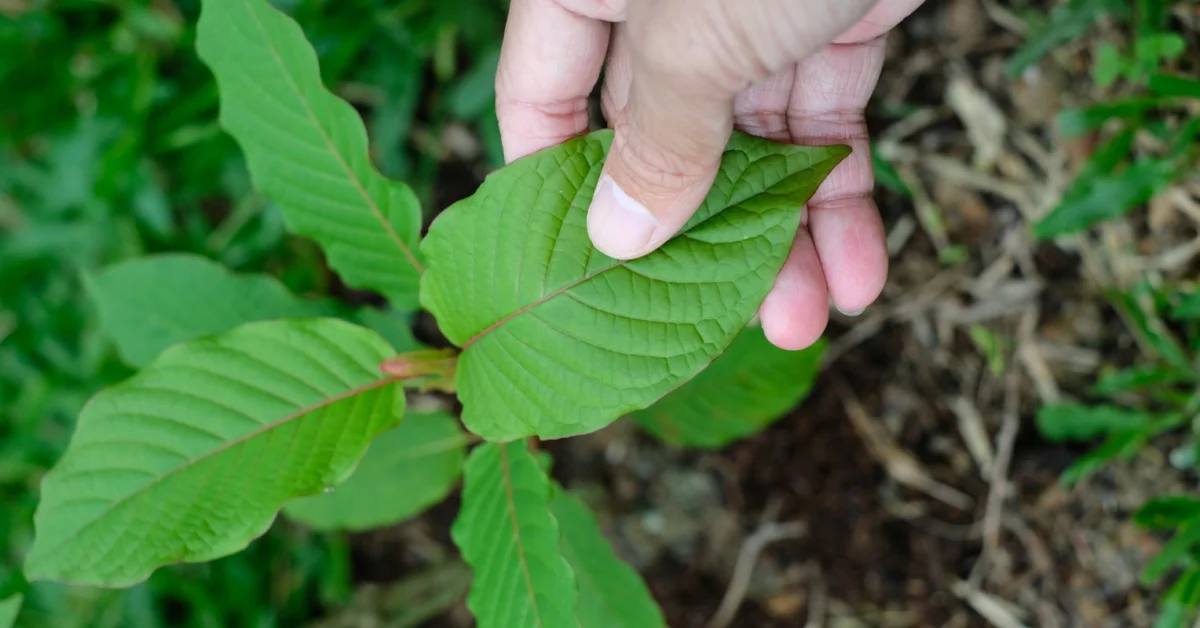
In the landscape of modern wellness, few substances have sparked as much debate as kratom (Mitragyna speciosa). From the neon-lit displays in gas stations to the curated shelves of upscale health food stores, kratom—a tropical tree native to Southeast Asia—has quietly woven itself into the fabric of American daily life. For centuries, laborers in regions like Thailand and Malaysia chewed the bitter leaves to stave off fatigue and dull the aches of manual labor. Today, however, the substance has moved from traditional, localized use to a globalized, multi-million-dollar industry that sits at the uncomfortable intersection of self-medication, scientific uncertainty, and regulatory ambiguity.
While proponents laud it as a "lifesaving" botanical, clinical professionals and federal agencies are sounding the alarm. To understand kratom is to navigate a complex narrative where genuine patient relief often collides with the harsh realities of addiction and physical dependence.
The Landscape: Understanding Kratom’s Rise
Kratom is a plant-based substance that interacts with the body’s opioid receptors, producing effects that vary drastically based on dosage. In lower amounts, it acts as a stimulant, offering energy and focus. In higher doses, it functions more like a sedative or analgesic, mimicking the pain-relieving properties of traditional opiates.
The current surge in popularity in the United States—with an estimated two million active users—is largely fueled by word-of-mouth success stories. Many individuals who have been failed by conventional medicine or who seek alternatives to prescription opioids have turned to kratom. They report that it provides a "bridge" away from substances like heroin or oxycodone, helping them manage withdrawal symptoms and persistent cravings.
However, the "natural" label attached to kratom is a double-edged sword. Just because a substance is plant-derived does not mean it is devoid of physiological risk. The lack of standardized manufacturing, combined with an unregulated marketplace, means that the product a consumer buys at a vape shop may contain varying concentrations of alkaloids, or worse, be contaminated with heavy metals or synthetic additives.
A Chronology of the Kratom Controversy
The trajectory of kratom in the U.S. has been marked by a constant tug-of-war between public demand and government caution:
- Pre-2000s: Kratom remains a niche, culturally specific botanical in Southeast Asia with virtually no presence in the American market.
- 2010s: As the opioid epidemic intensifies, interest in "natural" alternatives to prescription painkillers leads to a rapid expansion of kratom sales via online marketplaces and smoke shops.
- August 2016: The Drug Enforcement Administration (DEA) announces its intent to list kratom as a Schedule I controlled substance, citing public safety concerns.
- October 2016: Following an unprecedented public outcry from researchers, patients, and advocacy groups, the DEA abruptly withdraws its proposal, citing the need for more scientific review.
- April 2022: The Food and Drug Administration (FDA) issues a formal public alert, advising consumers to avoid kratom entirely, noting that it has not been approved for any medical use and carries risks of abuse and addiction.
- June 2023: Florida signs the "Kratom Consumer Protection Act" into law, marking a shift toward state-level regulation. The law restricts sales to those under 21, mirroring tobacco and alcohol regulations and acknowledging the substance’s potential for harm.
Supporting Data: The Dual-Nature of Effects
The clinical profile of kratom remains murky. A 2022 study published in Frontiers in Pharmacology noted that over 90 percent of respondents in a specific survey found the substance "very effective" for treating chronic pain. For these individuals, kratom represents a pathway to functioning without the perceived stigma or side effects of pharmaceutical opioids.
Conversely, the physiological toll of chronic use is well-documented in clinical settings. According to the Mayo Clinic and various toxicological reports, the side effects of frequent or high-dose kratom use include:
- Cardiovascular strain: Elevated heart rate, hypertension, and heart palpitations.
- Gastrointestinal distress: Nausea, constipation, and vomiting.
- Neurological impact: Tremors, seizures, and in rare but severe cases, psychosis.
- Behavioral shifts: Increased irritability, anxiety, and a withdrawal from social activities or hobbies previously enjoyed.
The danger is amplified when users combine kratom with other substances, including alcohol, benzodiazepines, or other prescription medications. These interactions can lead to respiratory depression—the same fatal mechanism associated with traditional opiate overdoses.
Official Responses and Regulatory Gaps
The regulatory environment remains a "wild west." Because the FDA does not oversee the purity, labeling, or dosage of kratom products, consumers are effectively participating in an unregulated experiment.
States like Florida have begun to step into this void, creating consumer protection acts that focus on age restrictions and product labeling. These legislative efforts aim to prevent minors from accessing the substance and to ensure that products are not adulterated. However, these laws do not address the fundamental issue of the substance’s addictive potential. They treat it as a product to be sold responsibly, rather than a drug to be studied medically.
For the healthcare community, this creates a significant barrier to care. When a patient uses kratom to self-medicate, they are often hesitant to disclose this to their primary care physician, fearing judgment or legal consequences. This secrecy prevents clinicians from providing necessary guidance on potential drug-drug interactions.
The Human Cost: Clinical Implications
In my professional experience at the Mountainside treatment center, I have seen the human cost of kratom dependence. I have treated clients who began using kratom as a tool to quit opiates, only to find themselves trading one addiction for another.
The pattern is often insidious. It begins with the belief that because it is "natural," it is safer. As tolerance develops, the user must increase the dose to achieve the same effect. Soon, the financial burden of purchasing consistent supplies leads to desperate choices: draining savings, neglecting work responsibilities, and straining the most important familial relationships.
Withdrawal from kratom, while not always life-threatening in the acute phase, is profoundly uncomfortable. Patients report symptoms reminiscent of opiate withdrawal: muscle aches, insomnia, severe anxiety, and deep depression. The psychological grip is often just as strong as the physical, as the user grapples with the loss of their "coping mechanism."
Path to Recovery: A Holistic Approach
Recovery from kratom dependence requires a multi-faceted approach. Because the physical withdrawal can be taxing, medically assisted detox is often the first step. This allows for the safe management of chills, body aches, and nausea, ensuring the patient remains stable during the initial phase of abstinence.
However, detox is only the beginning. True recovery requires addressing the "why" behind the use. Many individuals reach for kratom to numb underlying trauma, chronic stress, or mental health challenges. Individual, group, and family therapy are essential to:
- Identify Triggers: Recognizing the emotional states that lead to the urge to use.
- Develop Healthy Coping Mechanisms: Replacing the substance with mindfulness, meditation, and exercise.
- Community Support: Connecting with peers who have navigated the same challenges. Mountainside is currently pioneering exploratory support groups that provide a space for users to discuss the long-term effects of use and the difficulties of cessation.
For those who are struggling with opioid use disorder, I strongly encourage a conversation with a medical professional regarding FDA-approved treatments, such as buprenorphine. These medications have been rigorously tested and are supported by an extensive body of clinical research, providing a much safer, evidence-based path to stability than self-treating with unregulated botanicals.
Looking Ahead: The Necessity of Informed Consent
We are at a crossroads regarding kratom. To move forward, we must abandon the polarized "miracle cure" versus "dangerous drug" narrative. Instead, we need a progressive, science-led approach. We need:
- Rigorous Clinical Research: We must determine safe dosage levels, understand long-term neurological impacts, and clarify how kratom interacts with other medications.
- Public Education: Users must have access to objective information regarding the risks of dependence and withdrawal.
- Healthcare Integration: Physicians should be trained to discuss kratom with their patients without judgment, ensuring that individuals seeking help can find it.
Until we have a clearer understanding of this substance, the most important tool we have is informed consent. Users must understand that they are entering an unregulated space where the potential for physical and psychological harm is real. As healthcare providers, our duty is to offer guidance that is rooted in compassion and science, ensuring that no one has to struggle in silence.
If you or a loved one are struggling with kratom use, remember that help is available. Recovery is not just about stopping a substance; it is about reclaiming your agency, your health, and your future.
To find a therapist, please visit the Psychology Today Therapy Directory.