






Date: 5 August, 2026
As Europe stands at a pivotal crossroads in public health policy, the European Respiratory Society (ERS) and the European Lung Foundation (ELF) have issued a unified rallying cry to the medical community and patient advocacy networks. With the inaugural EU Screening Week set to take place from 28 September to 4 October 2026, these leading organizations are spearheading a mission to ensure that respiratory health is not merely a footnote, but a central pillar of the European Commission’s broader preventative healthcare strategy.
The initiative marks a significant shift in how the European Union approaches chronic disease management, moving away from reactive treatment models toward proactive, community-based early detection. By integrating respiratory checks into the cardiovascular-focused screening framework, the ERS and ELF aim to demonstrate that the health of the heart and the lungs are inextricably linked, necessitating a holistic approach to patient wellness.
The Core Mandate: Integrating Lung Health into the EU Agenda
The European Commission’s decision to launch the first-ever EU Screening Week is rooted in the urgent need to address the rising burden of non-communicable diseases (NCDs). While cardiovascular health has long been a priority in EU policy, the respiratory community is now demanding parity.
The primary objective of this week-long event is twofold: to mobilize stakeholders across all EU Member States and to empower citizens to take immediate, simple actions regarding their own health. By fostering a "visible European health moment," the Commission hopes to create a synchronized, continent-wide effort that transcends national borders, providing a unified message on the importance of early detection.
For the ERS and ELF, the participation of respiratory professionals is not optional—it is a strategic necessity. "Respiratory health is the silent partner of cardiovascular stability," says an industry expert. "You cannot address one without the other. By including lung function testing in this week of action, we are creating a blueprint for the future of routine, preventative screenings across the continent."
Chronology: A Roadmap to EU Screening Week
To ensure maximum impact and organization, the ERS and ELF have established a clear timeline for stakeholders wishing to participate:
- August 2026: The launch of the call-to-action, encouraging hospitals, clinics, and patient associations to begin planning their events.
- August – September 2026: The period for downloading the "Healthy Lungs for Life" toolkit, which provides logistical guidance, educational resources, and promotional materials for event organizers.
- 20 September 2026: The final deadline for registering events on the European Commission’s official portal. This registration is critical, as it ensures that each individual event is mapped and recognized on the Commission’s central dashboard, creating a visual representation of the scale of the effort.
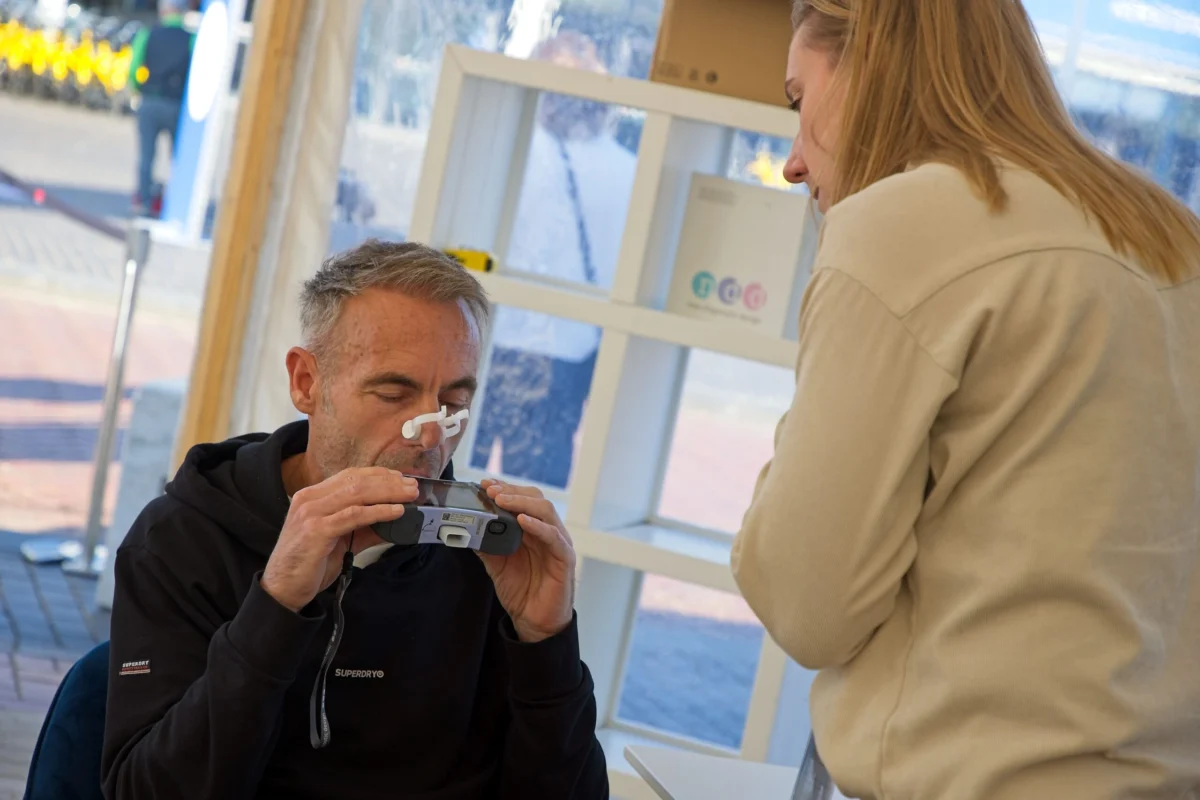
- 28 September – 4 October 2026: EU Screening Week. This period will see a flurry of activity, from community lung function testing to public awareness seminars and direct advocacy sessions.
- Post-October 2026: Evaluation and analysis. The data gathered during these events will be instrumental in lobbying for the long-term inclusion of respiratory health in national and EU-wide routine health policies.
Supporting Data: Why Early Detection Matters
The impetus for this movement is backed by over a decade of scientific evidence gathered through the "Healthy Lungs for Life" campaign. For ten years, the ERS and ELF have utilized a multi-pronged approach—combining rigorous scientific research with public engagement—to highlight the factors that contribute to, and compromise, lung health.
The Economic and Clinical Case
Current projections indicate that by failing to prioritize early screening for conditions like Chronic Obstructive Pulmonary Disease (COPD), asthma, and interstitial lung diseases, healthcare systems are incurring preventable costs that scale into the billions of Euros annually.
Data from the "Healthy Lungs for Life" initiative suggests that:
- Reduced Hospitalization: Early intervention through lung function tests significantly lowers the incidence of acute exacerbations, which are the primary drivers of emergency respiratory admissions.
- Productivity Gains: A healthier workforce, free from the undiagnosed burden of respiratory distress, contributes to higher labor participation rates and lower absenteeism.
- Cross-Pathology Benefits: Because respiratory and cardiovascular systems operate in a feedback loop, early detection of lung inflammation or obstruction can often serve as an early warning system for undiagnosed cardiac issues.
By positioning lung health within the EU’s cardiovascular plan, proponents are not just asking for visibility; they are presenting a data-driven argument for fiscal responsibility in public health.
Official Perspectives: Shaping the Future of Respiratory Care
The vision for the future of this initiative is best articulated by those at the forefront of the movement. Prof. Raquel Duarte, the incoming ERS Director of Scientific Relations with the EU, has emphasized that this is a "make-or-break" moment for respiratory medicine.
"Prevention of respiratory diseases is at an extremely crucial moment," says Prof. Duarte. "We are edging ever closer to ensuring that respiratory health checks form part of standardised health checks across Europe, but we need the help of our networks of professionals and patients to make it happen."
Prof. Duarte stresses that the size of the event is less important than the commitment to the cause. "No matter how small or large, each event will make a difference to local people and will contribute to our ultimate objectives. Respiratory being included in the European Commission’s cardiovascular plan would be a gamechanger. The benefits to public health, and to national and regional economies, would be vast."
Her sentiment is echoed by patient advocates who argue that "Screening Week" must transcend the traditional "awareness day" model. Instead of one-off pamphlets or social media posts, the focus is on tangible, actionable health screenings that provide participants with immediate knowledge about their lung function.
Implications: The Path to Standardized Care
The implications of a successful EU Screening Week extend far beyond the October deadline. The primary goal is to shift the European Commission’s policy trajectory toward the standardization of respiratory health.
1. Standardization of Care
Currently, access to respiratory screening varies wildly across the EU. Some member states have robust, systematic screening programs, while others rely entirely on symptomatic presentation—which is often too late for effective intervention. By creating a template for screening during this week, the ERS and ELF hope to provide the Commission with a scalable, proven model that can be adopted as a standard of care across all member states.
2. Mobilizing the Community
The inclusion of both patients and professionals is vital. By leveraging the existing "Healthy Lungs for Life" infrastructure, the ERS is fostering a community-led movement. This dual approach ensures that scientific rigor (provided by the professionals) is paired with lived experience and public advocacy (provided by the patients).
3. A Lasting Legacy
The Commission’s ambition is for this to become an annual, high-impact event. The legacy of the 2026 Screening Week will be measured by the number of people who, for the first time, received a lung function test. These records will serve as the baseline for future advocacy. If the respiratory community can prove that these screenings identify asymptomatic patients and lead to early, cost-effective treatment, the argument for permanent integration into the EU’s health plan becomes undeniable.
How to Get Involved: A Call to Action
The window for participation is narrow, and the ERS and ELF are urging all interested parties to act immediately. The registration process is designed to be user-friendly, ensuring that a diverse range of organizations—from rural community centers to major university hospitals—can participate.
Key Action Items for Stakeholders:
- Register Your Activity: Use the official European Commission portal to document your planned events. This ensures your data is included in the European-wide map.
- Utilize the Toolkit: The "Healthy Lungs for Life" event toolkit provides essential resources, including posters, educational brochures, and technical guidelines for setting up safe and effective testing environments.
- Collaborate: Reach out to local patient networks to ensure that the events are accessible and inclusive.
As the calendar turns toward September, the eyes of the European public health community will be on the organizers. The success of this initiative will be a testament to the power of coordinated advocacy. By standing together during EU Screening Week, the respiratory community is not just participating in a campaign—it is helping to write the future of preventative medicine in Europe.
For those ready to join this transformative effort, the path forward is clear: register, engage, and advocate. The health of Europe’s lungs depends on it.