





By Jana Wu, LCSW, LADC, ICAADC, CASAC
For more than 15 years, I have navigated the complex, often heartbreaking landscape of mental health and substance use treatment. As I approach my 50th birthday, I find myself circling back to a question that is both deeply personal and professionally haunting: Why is our healthcare system so perpetually quick to alleviate women’s distress before we have taken the time to fully understand its origins?
This inquiry has been brought into sharp focus by the rise of kratom—a tropical tree leaf from Southeast Asia that has quietly infiltrated the lives of countless women in their late 30s through their 60s. These are not individuals seeking a "high"; they are women desperately searching for a way to function in a world that demands an impossible level of endurance.
The Search for Sustainability: Why Women Turn to Kratom
In my clinical practice, I hear a recurring narrative. Women describe stumbling upon kratom while hunting for a solution to persistent anxiety, chronic pain, or the crushing weight of exhaustion. Crucially, they cite a benefit that traditional pharmaceuticals often fail to provide: energy.
For these women, kratom is not a recreational escape; it is a tool for survival. They describe it as a mechanism to keep up with the grueling "second shift" of modern life—managing high-pressure careers, raising children, caring for aging parents, and maintaining households. They use it to push through the fatigue of perimenopause and the relentless expectations of the "sandwich generation." They are not looking to check out; they are looking to keep going.
A Historical Echo: The Legacy of "Mother’s Little Helper"
To understand the current attraction to kratom, one must look at the long, troubled history of how we treat women’s distress. The medical impulse to sedate or suppress female anxiety is not a new phenomenon; it is a cyclical, systemic response.
In the 19th century, the diagnosis of "hysteria" or "neurasthenia" functioned as a catch-all for women suffering from anything from insomnia to fatigue. By the mid-20th century, the tools shifted from vague diagnoses to chemical ones. The 1950s and 60s saw the rise of tranquilizers like Miltown, followed by the juggernaut of the pharmaceutical industry: Valium.
Introduced in 1963, Valium became the most prescribed medication in the United States. Its cultural ubiquity was cemented in 1966 by The Rolling Stones’ hit "Mother’s Little Helper," which depicted a woman relying on "yellow pills" to navigate the drudgery of domestic life. Nearly 60 years later, the medications have evolved from barbiturates to benzodiazepines, but the underlying social contract remains: society prefers a medicated, functioning woman over an anxious, vocal one. When the distress doesn’t dissipate, we simply increase the dosage or switch the drug.
The Midlife Precipice: A Perfect Storm of Biology and Expectation
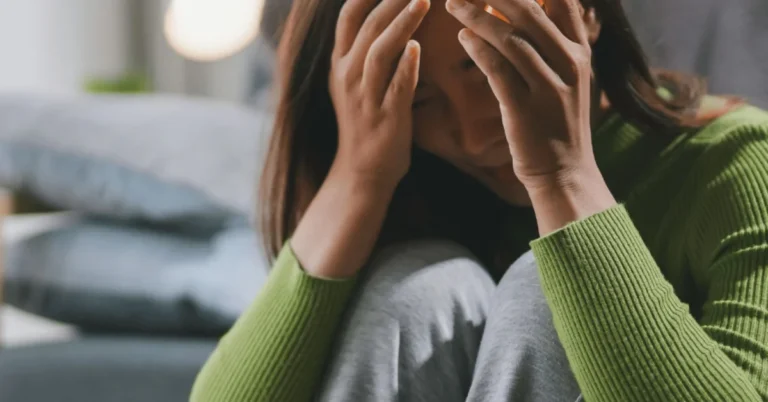
Midlife represents a uniquely vulnerable transition. Perimenopause and menopause trigger physiological shifts that manifest as intense anxiety, sleep disruption, and emotional volatility. When these biological changes collide with the peak of professional and familial responsibilities, the resulting distress is profound.
Current medical models often treat these symptoms in isolation. A woman presents with insomnia, and she is prescribed a sedative. She presents with panic, and she is given a benzodiazepine. While these medications have a legitimate place in acute crisis management, they are frequently prescribed as long-term solutions without a broader therapeutic plan.
The danger, particularly for women in midlife, is that we are prioritizing the silencing of symptoms over the investigation of their root causes. When we ignore the systemic exhaustion or the biological reality of hormonal shifts, we treat the woman as a malfunctioning machine rather than a human being navigating a life transition.
The Regulatory Gap: Why "Natural" Does Not Mean "Safe"
Kratom has gained traction in part because it offers an alternative to the "Big Pharma" narrative. Many women perceive it as a "natural" plant-based remedy, which creates a sense of comfort and control. However, this perception is a dangerous oversimplification.
Unlike FDA-approved medications, the kratom market in the United States is largely unregulated. Products vary wildly in potency, purity, and contamination risks. From a clinical perspective, the most alarming trend is the "stacking" of substances. I frequently treat women who are combining kratom with alcohol, prescribed benzodiazepines, or opioids.
This polydrug use is a silent crisis. Combining substances with sedating or opioid-like effects significantly increases the risk of respiratory depression and excessive sedation—complications that are rarely discussed in the context of "natural" wellness. The lack of standardized dosing, combined with a lack of awareness regarding drug-drug interactions, makes kratom an unpredictable variable in an already fragile health profile.
Implications for Clinical Practice: Whose Discomfort Are We Treating?
If we are to move toward a more compassionate and effective model of care, we must confront a difficult question: Whose discomfort are we treating?
Often, the rush to provide a prescription is driven by a desire to make the patient’s distress manageable for those around her—her employer, her family, or even the clinician who feels uncomfortable sitting with a patient’s unresolved suffering.
To shift this paradigm, we must:
- Prioritize Holistic Assessment: Before reaching for a prescription pad, we must investigate the interplay of hormones, lifestyle, trauma, and societal expectations.
- Move Beyond "Relief-Only" Models: We must offer women more than the binary choice between suffering in silence or relying on a substance to stay functional. True care requires building coping mechanisms, lifestyle interventions, and psychological support that can sustain a woman through midlife transitions.
- Address the Stigma of "Functioning": We must stop rewarding women for "powering through" at the expense of their physical and mental health.
- Increase Public Literacy on Substance Interactions: As clinicians, we must be more transparent about the dangers of combining kratom with other substances. We need to normalize conversations about supplement safety in the same way we discuss pharmaceutical interactions.
The Path Forward: Listen, Don’t Just Suppress
The emergence of kratom as a staple in the medicine cabinets of high-functioning women is a signal—a flashing red light indicating that our current system is failing to meet their needs.
When a woman turns to a substance, it is almost always a sign of a deeper, unmet need. Sometimes, the story began years earlier with a well-intentioned provider who prescribed a medication to help her keep her life on track, only for that "help" to become a source of dependence.
As we move forward, the goal of research and clinical practice should not be to simply categorize kratom as "good" or "bad." Instead, we must treat it as a symptom of a much larger, structural issue. We need to listen to the stories of these women. We need to understand that the desire for "relief" is a human response to an inhumane amount of pressure.
Until we change the way we view female distress—from a nuisance to be suppressed into a legitimate, multifaceted health concern—women will continue to look for their own solutions. We owe it to them to provide a better path, one that doesn’t rely on quick fixes, but on the hard, necessary work of truly understanding the lives they are leading.
About the Contributor
Jana Wu, LCSW, LADC, ICAADC, CASAC, is a clinician at Mountainside Treatment Center specializing in PTSD, anxiety, depression, and co-occurring disorders. A nationally recognized expert on kratom, she founded the country’s first clinician-led kratom support group and has presented on kratom and emerging substances to professional audiences nationwide. Her expertise has been featured in The Wall Street Journal, Rolling Stone, and on NBC News and iHeartRadio. She was a founder of the Addictions Committee of the Connecticut chapter of the National Association of Social Workers.