










The post-workout "glow" is a universally recognized reward for physical exertion. Yet, for many, that sense of accomplishment is fleeting, replaced hours later by the dull, throbbing reality of Delayed Onset Muscle Soreness (DOMS). This discomfort, which can linger for days, transforms simple daily activities—climbing stairs, carrying groceries, or even sitting down—into arduous challenges.
In response, the fitness industry has undergone a radical shift. Recreational gym-goers, influenced by the meticulous routines of elite professional athletes and the curated snapshots of social media, are increasingly adopting high-tech recovery modalities. From cryogenic chambers and compression gear to specialized nutritional supplements, the market for "recovery" is booming. However, as science begins to peel back the layers of these popular interventions, a complex picture emerges: while some techniques offer genuine physiological benefits, many are grounded more in marketing hype than in clinical efficacy.
Main Facts: The Science of "Feeling Better" vs. "Getting Better"
The fundamental misunderstanding in modern fitness culture is the conflation of perceived recovery with functional recovery. When you step into an ice bath or undergo a deep-tissue massage, your brain registers a reduction in pain and a boost in comfort. However, reduced pain does not always equate to restored muscle function or accelerated biological repair.
Current research indicates that many of these popular strategies act as "symptom masks." They effectively dampen the inflammatory response or modulate sensory input, providing immediate relief. But the human body relies on natural biological stress responses—including inflammation—to trigger the very adaptations that lead to strength gains and hypertrophy (muscle growth). By aggressively interfering with these processes, we may inadvertently be blunting the long-term benefits of our training.
Chronology: The Evolution of Recovery Trends
The history of recovery has moved from the locker room to the living room. Historically, "recovery" was synonymous with rest, hydration, and nutrition. In the 1980s and 90s, professional athletes began introducing cryotherapy and specialized massage as competitive advantages.
- The Professionalization Phase (2000–2015): Elite sports science departments began integrating compression garments and advanced cryotherapy, treating recovery as a quantifiable metric.
- The Digital Dissemination Phase (2015–2020): High-definition photography and fitness influencers brought these once-exclusive tools to the masses. The "recovery industry" transitioned from specialized clinics to consumer-grade home equipment.
- The Critical Appraisal Phase (2020–Present): A surge in meta-analyses and independent scientific reviews has begun to challenge the efficacy of these modalities, highlighting the "placebo-plus" nature of many fitness trends.
Supporting Data: Analyzing the Modalities
Ice Baths (Cold Water Immersion)
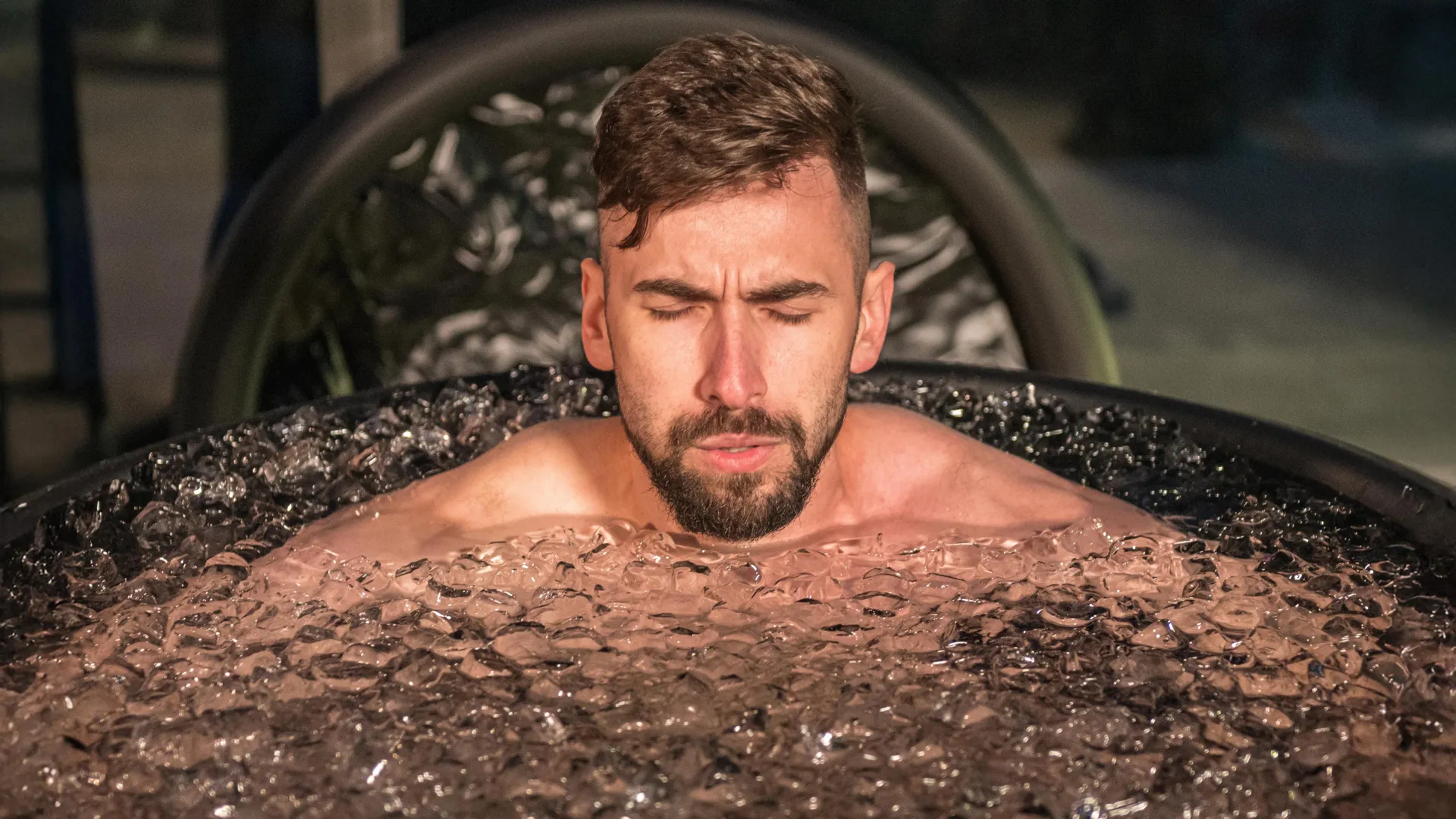
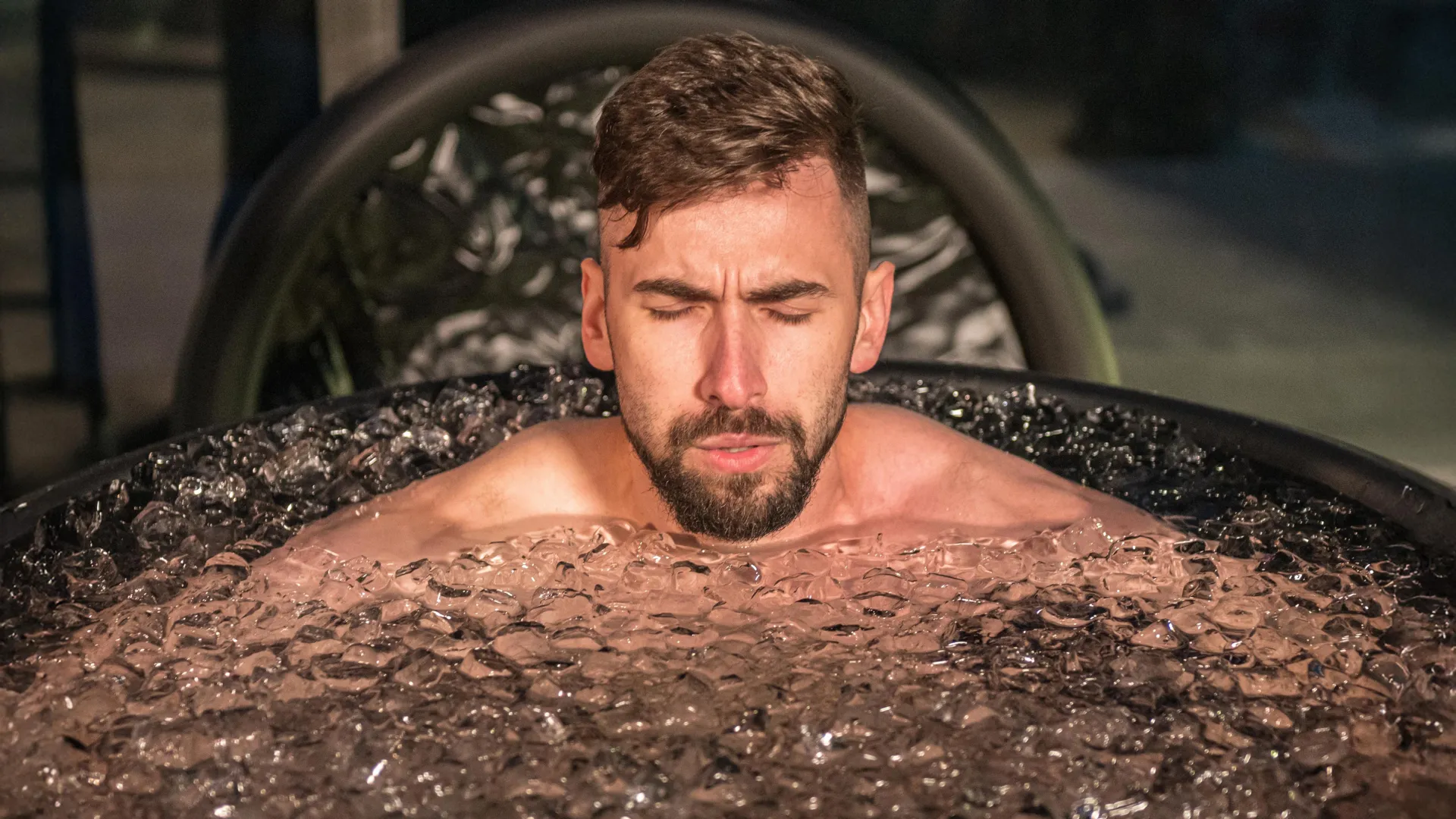
Immersion in water below 15°C is arguably the most polarized topic in recovery science. While ice baths are undeniably effective at reducing acute inflammation and perceived soreness within a 24-hour window, the trade-off is significant. Inflammation is a signaling mechanism. By cooling the body, we effectively mute the biochemical pathways responsible for muscle protein synthesis. Regularly utilizing ice baths after hypertrophy-focused training sessions has been shown in several studies to limit long-term strength gains.
Compression Garments
Compression gear is often marketed on the promise of "enhanced blood flow." A landmark 2022 study compared compression wear against a placebo, finding that while the garments did physically improve blood flow markers, this did not translate to a meaningful restoration of muscle function. The conclusion? Compression may provide a psychological "buffer," helping athletes feel more comfortable, but it is not a shortcut to tissue repair.
Massage Therapy
Massage remains one of the few interventions with consistent support for reducing soreness and improving mood. Mechanistically, it is thought to reduce muscle stiffness and promote parasympathetic nervous system activity (relaxation). However, objective performance metrics—such as vertical jump height or force production—show only modest and inconsistent improvements following a massage. It is a tool for comfort, not a performance enhancer.
Nutritional Supplements: The Myth of the "Bottled Gains"
The supplement market is perhaps the most heavily saturated segment of the recovery industry. Despite the flashy packaging and bold claims, the science remains skeptical.
- Whey Protein: This is the "gold standard" for a reason. As a complete protein source, it provides the essential amino acids necessary for muscle repair. It is effective, though it does not necessarily eliminate soreness.
- BCAAs (Branched-Chain Amino Acids): Once the darling of the supplement world, BCAAs have fallen out of favor among researchers. Because they lack the full spectrum of essential amino acids, they are less effective than whole-protein sources like chicken, beef, or tofu.
- Tart Cherry Juice: Emerging research suggests the polyphenols in tart cherry juice may offer small-to-moderate benefits in reducing post-exercise damage.
- Omega-3s: While popular for their anti-inflammatory properties, the evidence that they significantly accelerate recovery is inconsistent at best.
Official Responses and Expert Consensus
The consensus among exercise physiologists is shifting toward a "less is more" approach. Many experts, including those from the American College of Sports Medicine, suggest that the focus on "recovery gadgets" distracts from the non-negotiable foundations of health.
When asked about the rise of commercial recovery products, researchers often emphasize that the body is highly resilient. "We are trying to medicate away the normal process of biological adaptation," says one leading expert in sports nutrition. "The soreness you feel is a byproduct of growth. If you stifle the process at every turn, you are essentially paying to hinder your own progress."
Implications: Building a Sustainable Strategy
The implications for the average gym-goer are clear: stop chasing shortcuts. The recovery "industry" is designed to monetize your discomfort, but the most effective recovery tools are free and require no subscription.
The New "Gold Standard" of Recovery:
- Prioritize Sleep: There is no supplement or ice bath that can replace the hormonal optimization that occurs during 7–9 hours of quality sleep. It is the primary time for tissue repair and neurological recovery.
- Nutritional Foundation: Before investing in expensive powders, focus on whole-food nutrition. The synergy of nutrients in a balanced diet (proteins, complex carbohydrates, and micronutrients) is superior to the isolated effects of single-ingredient supplements.
- Active Recovery: Light movement, such as walking or low-intensity cycling, is consistently shown to be superior to sedentary recovery. It promotes blood flow without the mechanical stress of heavy lifting.
- Listen to the Body: Sometimes the best recovery tool is a scheduled rest day. Overtraining is a systemic issue that cannot be "cured" by a cold plunge.
Ultimately, the lesson is that recovery cannot be bottled, sold, or worn. It is a biological process that requires time, patience, and a respect for the body’s natural limits. While gadgets may provide a temporary sense of relief, they are no substitute for the consistent application of sound training principles and the fundamental requirements of human health. If you are looking to get the most out of your training, the best "hack" is to stop looking for one.