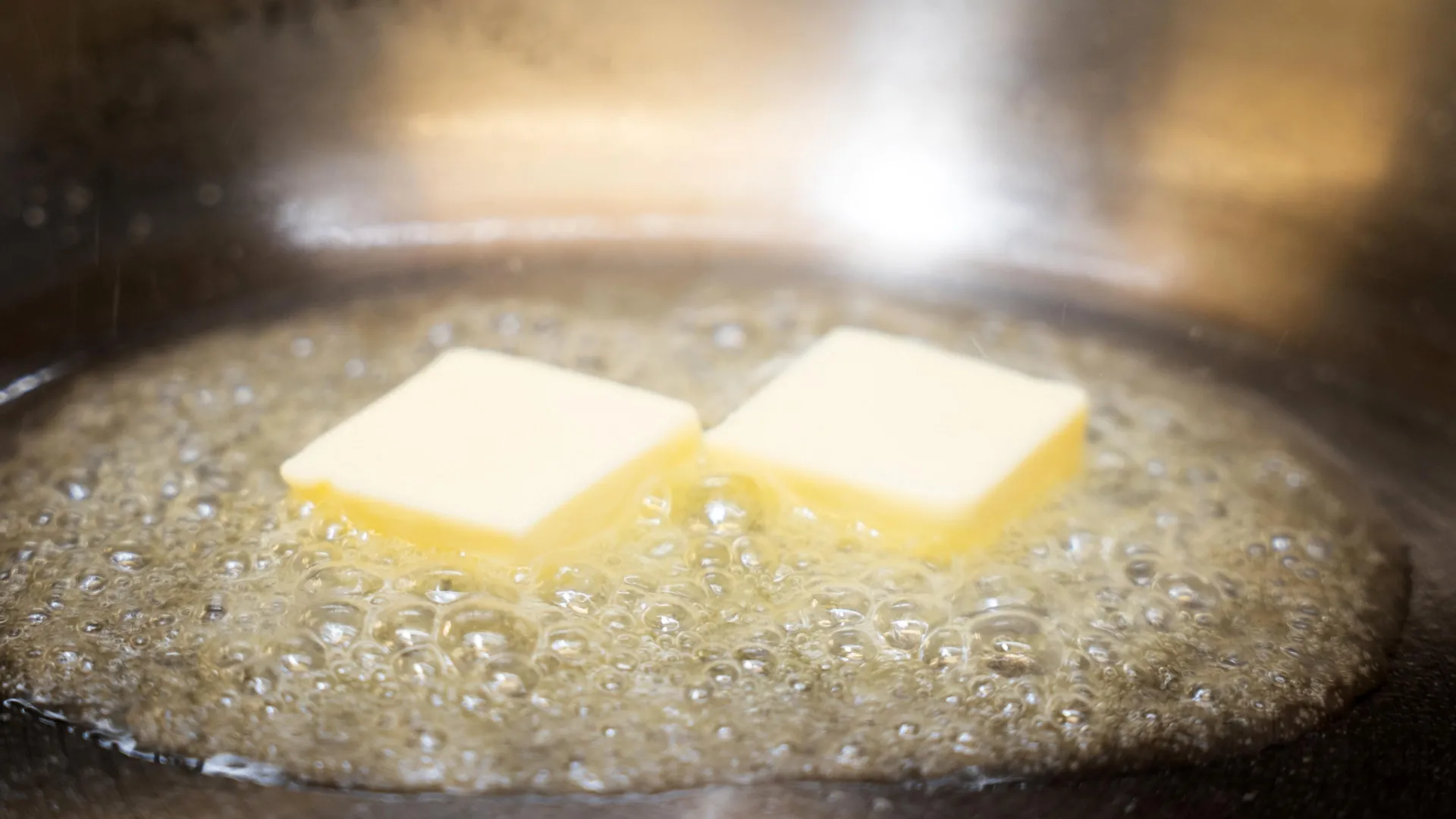
For many, the scent of melting butter is the quintessential aroma of home. It is a fundamental building block of baking, a rich finish to a vegetable medley, and a staple of the culinary arts. Yet, as nutrition science has evolved, so too has our relationship with the fats we consume. The debate between butter—a naturally occurring animal fat—and margarine—a product of industrial innovation—has long occupied the intersection of health, chemistry, and convenience. As a food scientist, I have spent my career examining how these two seemingly similar substances behave, how they are synthesized, and why their subtle molecular differences fundamentally dictate the success of a recipe.
Main Facts: The Molecular Architecture of Fat
At their core, both butter and margarine are classified as emulsions: complex mixtures where tiny droplets of water are suspended within a continuous matrix of fat. This fat matrix is composed primarily of triglycerides—the most prevalent form of fat in the human diet.
A triglyceride molecule is built upon a three-carbon glycerol backbone, to which three fatty acid chains are attached. While the backbone remains constant, the length and structure of the fatty acid chains are the variables that define the characteristics of the fat. In cream, these triglycerides are organized into globules or crystals, which determine the physical state of the substance.
The primary distinction between butter and margarine lies in the saturation of these fatty acid chains. Butter is dominated by saturated fatty acids. Because these chains lack double bonds between carbon atoms, they are chemically "straight," allowing them to stack together with high density. This orderly packing is precisely why butter is firm at room temperature and why it possesses such a distinct melting profile.
Conversely, margarine is derived from plant-based oils, which are naturally rich in unsaturated fatty acids. These molecules contain double bonds that introduce "kinks" into their structure. These irregular shapes prevent the molecules from stacking neatly, resulting in a fat that behaves differently under thermal stress. This molecular architecture is the reason butter softens gradually, while margarine often transitions more abruptly.
A Chronological Journey: From Churn to Interesterification
The history of these two fats is a study in human ingenuity. For millennia, the process of making butter has remained largely unchanged: the mechanical agitation of cream. When cream is churned, the protective membranes of the fat globules are ruptured. The internal fat leaks out, coalescing into semi-solid grains. As the process continues, these grains aggregate, eventually separating from the watery, low-fat buttermilk. The final product is then kneaded to achieve the desired consistency. In some cases, lactic acid bacteria are introduced to ferment the lactose, producing flavor compounds that impart the signature tangy profile of cultured butter.
Margarine, by contrast, is a relatively modern invention. Early iterations often relied on hydrogenation to turn liquid plant oils into shelf-stable solids. However, the discovery that partially hydrogenated oils created trans fats—compounds now known to be strongly linked to cardiovascular disease and elevated cholesterol—led to a global shift in food technology.
Today, the industry utilizes a process called "interesterification." In this method, the fatty acids on the glycerol backbone are chemically rearranged. This process creates a solid, uniform fat without the need for trans fats or high levels of saturated fats. Because the process is invisible to the consumer and not currently required to be listed on packaging, the average shopper is often unaware of the technological manipulation behind their spread.
Supporting Data: Composition and Standards of Identity
The U.S. government maintains strict "standards of identity" for butter, marking it as one of the oldest regulated food categories in the country. To be labeled as butter, a product must contain at least 80% milk fat. In practice, many premium butters hover closer to 85%. The remaining 15% to 20% is composed of water, milk proteins, lactose, and trace vitamins and minerals.
Margarine also adheres to similar fat-content requirements to maintain its structural integrity as a fat source. However, its composition is vastly different. Because it starts as a liquid oil, manufacturers must add emulsifiers—such as lecithin or monoglycerides—to prevent the water and fat from separating. Furthermore, because margarine is naturally colorless, synthetic beta-carotene is added to replicate the golden hue that cows derive naturally from grazing on grass.
Flavor, too, is an industrial achievement in margarine. Because margarine lacks the biological complexity of milk, producers must inject diacetyl (a compound responsible for the classic "buttery" taste) and add blends of whey and preservatives to mimic the sensory experience of dairy.
Official Perspectives and Regulatory Landscapes
The dairy industry has historically been protective of the term "butter," viewing the rise of margarine as a challenge to the traditional agricultural model. Regulatory bodies like the U.S. Food and Drug Administration (FDA) have set specific guidelines to ensure that consumers can distinguish between these products.
From a health perspective, the dialogue has shifted significantly over the last several decades. For a time, margarine was hailed as a heart-healthy alternative to the saturated fats in butter. However, as the science of nutrition evolved, the focus shifted from simple fat reduction to the quality of the fat. Nutritionists now emphasize that while butter is an animal-derived product with inherent cholesterol and saturated fat, margarine is an ultra-processed food. The "healthiness" of a choice often depends on the specific brand, the method of processing (such as whether interesterification was used), and the overall diet of the individual.
Implications for the Culinary Arts
When it comes to the kitchen, the differences between butter and margarine are not merely theoretical—they are functional.
The Chemistry of Browning
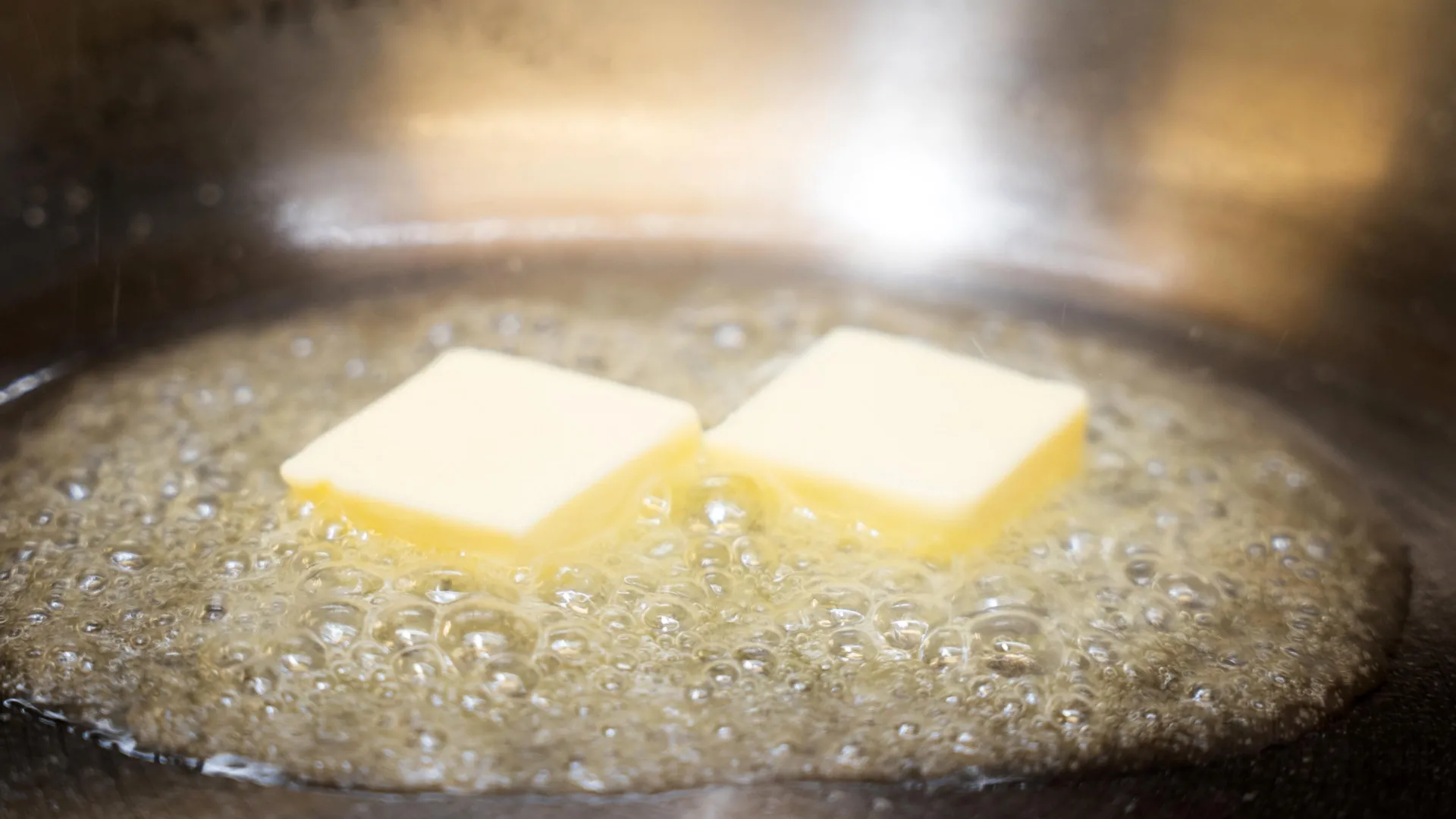
One of the most significant advantages of butter is its performance in high-heat applications. Butter contains milk solids (proteins and lactose) that, when heated, undergo the Maillard reaction. This is the chemical process responsible for the golden-brown color and the complex, nutty, toasted aroma of browned butter. Margarine, lacking these dairy components, does not brown in the same way and therefore cannot impart the same depth of flavor to pastries or sauces.
Structural Integrity
Butter’s unique crystalline structure makes it a superior choice for baking applications that require aeration. When butter is creamed with sugar, the crystals trap air bubbles, which expand during baking to provide lightness and porosity. Margarine’s inconsistent melting point and different water-to-fat ratios mean that it may not yield the same "lift" in cakes or the same flaky, layered texture in pastry dough.
Shelf Life and Consistency
However, margarine is not without its merits. Its shelf stability is superior to that of butter, which can absorb refrigerator odors and oxidize over time. Furthermore, because margarine is engineered to have a precise melting point, it offers a level of consistency that butter—which can vary based on the cow’s diet and the season—cannot always guarantee.
Conclusion: Making the Informed Choice
The choice between butter and margarine is rarely as simple as "good versus bad." It is a decision that balances nutrition, flavor, and culinary necessity. For the baker seeking the complex, caramelized notes of a classic cookie or the flaky layers of a croissant, butter remains the gold standard. For those looking for a spreadable, shelf-stable product with a potentially lower saturated fat profile, modern margarines offer a sophisticated, technologically advanced solution.
Understanding the chemistry of these fats allows us to move beyond marketing claims and focus on the functional reality of our ingredients. Whether you are a home cook or a professional pastry chef, recognizing that these two substances are fundamentally different tools in your culinary arsenal is the first step toward mastering your craft. As science continues to refine the way we process and consume fats, one thing remains clear: the tiny, invisible interactions of carbon, hydrogen, and oxygen will continue to dictate the flavor and texture of our most beloved meals.