











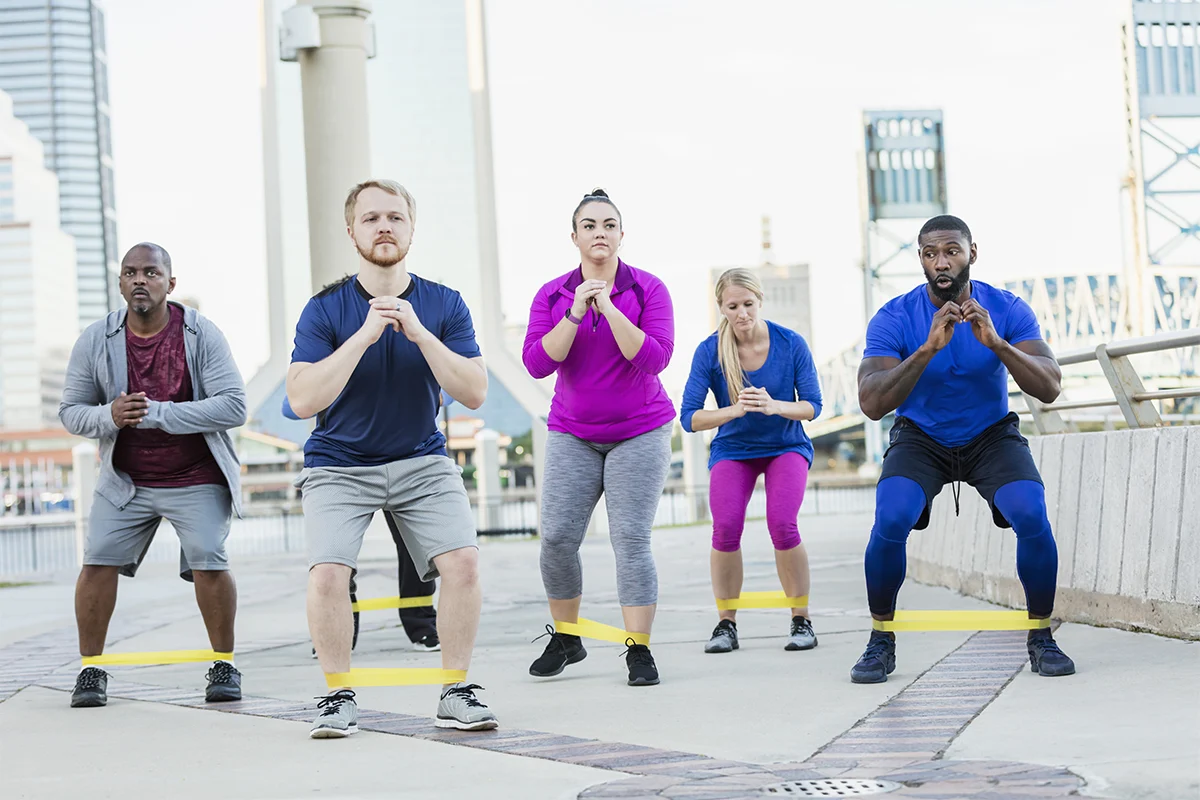
As the post-pandemic landscape of health and wellness continues to evolve, a profound shift is occurring in how individuals approach physical activity. The era of the "all-in-one" big-box gym, while still a staple of the fitness industry, is increasingly being challenged by a burgeoning movement toward outdoor exercise. From organized park-based boot camps and urban walking clubs to guided wilderness hiking expeditions, participants are trading climate-controlled treadmills for the unpredictable, restorative environment of the great outdoors.
This trend represents more than a temporary deviation from routine; it signals a fundamental change in the consumer’s relationship with wellness, prioritizing mental stimulation, social integration, and a connection to the natural world over the mechanical repetition of traditional gym equipment.
The Main Facts: A Paradigm Shift in Wellness
The move toward outdoor fitness is rooted in the convergence of two distinct desires: the need for functional, varied movement and the craving for human connection. Unlike the solitary nature of gym training, outdoor fitness is inherently communal.
Current market observations indicate that participants are increasingly opting for "lifestyle fitness"—activities that integrate seamlessly into their daily routines or offer an experiential element. Whether it is a yoga session on a beach, a trail-running group, or a community-led calisthenics program in a local park, the focus has shifted from "working out" to "engaging in activity." This shift is driven by the realization that gym environments can feel sterile or intimidating, whereas outdoor spaces offer a sense of freedom, reduced cost of entry, and the added psychological benefits of "biophilia"—the innate human tendency to seek connections with nature.
Chronology: The Evolution of the "Gym-Free" Movement
2018–2019: The Pre-Pandemic Foundation
Before 2020, outdoor fitness was largely niche, dominated by specialized adventure sports clubs and grassroots running groups. The traditional gym model was at its peak, with boutique fitness studios and high-intensity interval training (HIIT) centers dictating the industry standard.
2020–2021: The Great Forced Migration
The onset of the global pandemic served as the primary catalyst for the current movement. With indoor gyms shuttered by public health mandates, fitness professionals and enthusiasts were forced to innovate. Parks, parking lots, and suburban streets became the new fitness hubs. During this period, the industry saw an explosion of digital fitness platforms paired with outdoor, socially distanced training sessions. This era normalized the idea that fitness does not require expensive machinery or a membership card.
2022–2023: The Hybrid Consolidation
As gyms reopened, the industry expected a full return to pre-pandemic habits. Instead, a hybrid model emerged. Consumers grew to appreciate the autonomy of outdoor exercise. They maintained their gym memberships for heavy lifting or inclement weather but began prioritizing outdoor hiking, cycling, and group classes as their primary sources of cardiovascular and mental health maintenance.
2024–Present: Institutionalization of Outdoor Wellness
Today, outdoor fitness is no longer an "alternative" method; it is a mainstream segment. Municipalities are redesigning urban spaces to include outdoor gym equipment, and fitness corporations are increasingly launching outdoor-focused brand pillars to retain members who refuse to spend their entire week inside a building.
Supporting Data: The Science of "Green Exercise"
The transition to outdoor environments is backed by a growing body of academic research, often referred to as "Green Exercise" studies.
Mental Health and Mood Regulation
Research published in the Journal of Environmental Psychology has consistently demonstrated that physical activity performed in natural environments is associated with greater feelings of revitalization, increased energy, and positive engagement, compared to the same activity performed indoors. The study noted a significant decrease in tension, confusion, anger, and depression among participants who exercised in "green" settings.
Adherence and Longevity
One of the most persistent challenges in the fitness industry is "adherence"—the ability of a client to stick to a long-term exercise program. Data suggests that outdoor exercise increases adherence by reducing the monotony of indoor training. The "distraction" provided by nature—the changing scenery, the terrain, and the weather—makes the physical exertion feel less strenuous than it would on a treadmill, a phenomenon often called "perceived exertion reduction."
The Social Connection Factor
A longitudinal survey of community-based fitness groups found that social cohesion is the primary driver of program retention. Participants who join walking groups or hiking clubs report higher levels of accountability. The social dynamic of an outdoor group acts as a psychological anchor, encouraging participants to return week after week to maintain their connection with the community.
Official Responses and Industry Perspectives
Fitness industry leaders and public health officials have begun to pivot their messaging to accommodate this shift.
The Public Health Perspective:
Dr. Helena Vance, a spokesperson for an urban health advocacy group, notes: "We are finally recognizing that physical health cannot be siloed from environmental health. When we encourage citizens to utilize parks for movement, we aren’t just improving their VO2 max; we are decreasing the burden on mental health services. The evidence is clear: nature is a co-therapist."
The Industry Response:
Large fitness chains have responded with "Outdoor-First" initiatives. "We aren’t fighting the trend; we are integrating it," says Marcus Thorne, a director of operations for a national gym franchise. "We now offer ‘Gym-to-Trail’ programs where our personal trainers take clients on hikes or park sessions once a week. It bridges the gap between the structured environment of the gym and the freedom of the outdoors. It’s about meeting the member where they want to be, not where we want them to be."
Implications: The Future of the Fitness Economy
The long-term implications of this shift are profound for urban planning, personal training, and the retail fitness market.
1. Urban Planning and "Active Architecture"
City planners are increasingly pressured to integrate "fitness infrastructure" into urban design. This includes creating dedicated running paths, installing high-quality, weather-resistant outdoor exercise stations, and ensuring that green spaces are accessible and safe. The "15-minute city" concept relies heavily on the ability of residents to access nature for their daily health requirements.
2. The Evolution of Personal Training
The role of the personal trainer is changing. Trainers are moving away from being "gym monitors" to "wellness guides." A trainer who can lead a client through a mountain hike, analyze their gait on uneven terrain, and incorporate functional natural movements is becoming more valuable than one who simply counts repetitions on a weight machine.
3. The Retail Fitness Market
The rise of outdoor fitness has created a surge in demand for versatile athletic gear. Manufacturers are shifting focus from indoor-only wear to high-performance, weather-resistant clothing and gear designed to handle the rigors of the elements. This is a massive shift in a multi-billion dollar apparel industry.
4. Democratization of Fitness
Perhaps the most significant implication is the democratization of health. Traditional gym memberships are often expensive and geographically limiting. By moving fitness to public spaces, the barrier to entry is lowered, potentially addressing health disparities in lower-income communities that lack access to private fitness facilities.
Conclusion: A Holistic Path Forward
The movement toward outdoor fitness is a reflection of a society seeking to reclaim its connection to the natural world. As we look to the future, it is clear that the "four-wall" model of the 20th century is no longer sufficient to meet the complex health needs of the modern individual.
By blending the structure of traditional exercise with the psychological and physical benefits of the outdoors, we are creating a more sustainable, enjoyable, and inclusive model for wellness. Whether it is a brisk walk in a local forest or an intense boot camp in a city park, the message from the public is clear: fitness is not a destination you go to—it is an experience you live, and it belongs outside.
As more data emerges and as infrastructure catches up to consumer demand, the integration of nature into the fitness routine will likely become the gold standard for long-term health, proving that sometimes, the best equipment for a workout is simply the world around us.