By Jackie Keating, LCSW
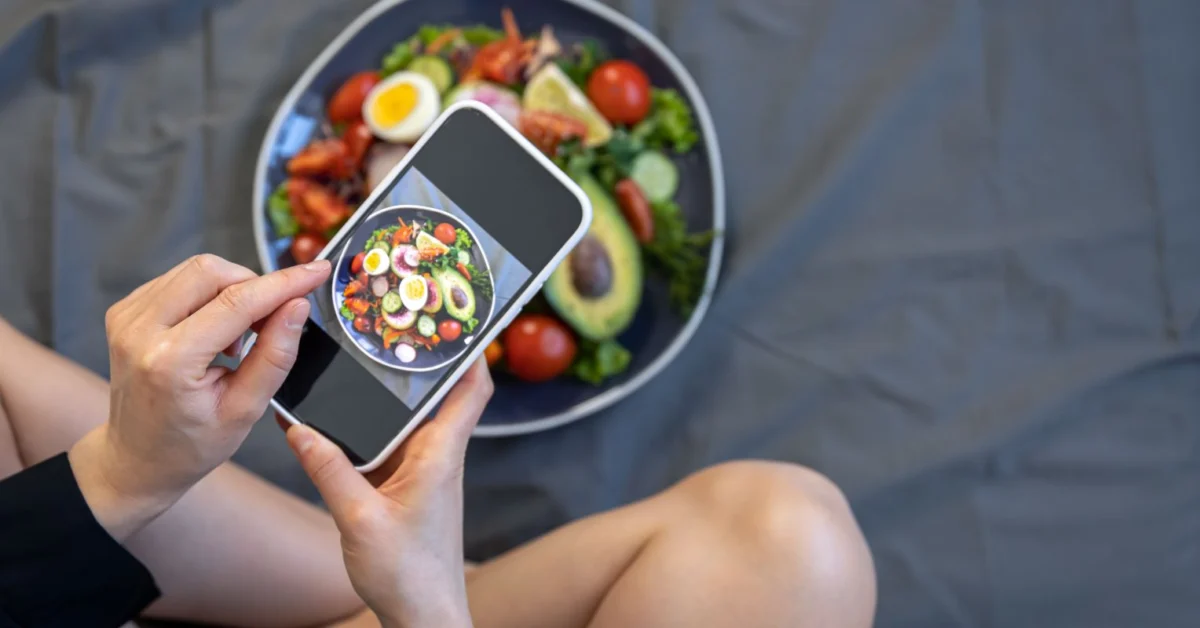
It is a familiar Sunday night ritual: the house is quiet, the week’s pressures are looming, and you reach for your phone to find a moment of digital solace. As you scroll, the algorithm serves up an influencer’s "What I Eat in a Day" post—a curated display of aesthetic, low-calorie, carb-free meals. Swipe again, and you encounter a humorous take on a chaotic night of drinking, followed by a "relatable" post from a mother claiming she needs a glass of wine to survive the afternoon. Mixed into this stream are advertisements promising a "life-fix" in three simple steps through a new fitness program.
By Monday morning, these digital echoes manifest in real-world conversations: a coworker mentions starting a restrictive new diet, a friend texts about "summer body" preparations, and a celebrity endorses a rigid plant-based regimen. These messages are pervasive, relentless, and, according to mental health professionals, increasingly dangerous.
The Mechanics of Modern Diet Culture
Social media functions as a paradox. While it offers a space for connection and community, it simultaneously acts as a high-speed engine for diet culture—a system of beliefs that equates thinness with health and moral virtue.
Diet culture thrives on the promise of happiness, yet its primary output is a cycle of shame, guilt, and anxiety regarding food and weight. The "wellness" industry, which generated over $160 billion in 2024 and is projected to reach a staggering $360 billion by 2034, has mastered the art of monetizing insecurity. Digital creators profit by promoting restrictive habits and demonizing entire food groups. The subtext is constant: if you replicate their lifestyle, you will attain their aesthetic, and in turn, their perceived happiness.
In reality, health is a deeply individual state, not a standardized outcome of a three-step program. When influencers promote extreme restriction or fasting, they often obscure the reality of their own lives. Behind the flawless imagery often lie significant struggles with anxiety, depression, and disordered eating. The data is sobering: 46% of teens aged 13–17 report feeling worse about themselves following social media exposure, and those spending more than three hours a day on these platforms are twice as likely to develop eating disorders compared to their peers with less screen time.
A Chronology of Influence: From Wellness to Obsession
The trajectory from casual social media use to clinical pathology often follows a recognizable, albeit insidious, timeline.
- Phase 1: Exposure. Users are introduced to "wellness" content that appears benign. Terms like "clean eating," "bio-hacking," or "detox" create a false sense of medical authority.
- Phase 2: Comparison. Users begin comparing their daily intake and bodies to the curated, edited images of influencers. This phase often triggers a decline in self-esteem.
- Phase 3: Restriction. Driven by the desire to mimic the "ideal," users begin to restrict food intake or adopt rigid exercise routines. The goal shifts from health to an aesthetic benchmark.
- Phase 4: Normalization of Coping Mechanisms. As stress from restricted eating and societal pressure mounts, users may adopt other maladaptive coping mechanisms, such as alcohol or substance misuse, which are also often glamorized on social media as "adulting" necessities.
- Phase 5: Clinical Dysfunction. What began as a "lifestyle change" evolves into a co-occurring disorder, where the individual is battling both disordered eating and substance dependency.
The Dangerous Overlap: Eating Disorders and Substance Use
While eating disorders (EDs) and substance use disorders (SUDs) may manifest differently to the outside observer, they share a common root: both serve as coping mechanisms for managing underlying emotional pain, trauma, or the stress of modern life.
The National Eating Disorders Association (NEDA) reports that approximately 50% of people with eating disorders also misuse alcohol or drugs. This is not a coincidence. Research indicates an interdependent relationship where each disorder acts as a risk factor for the other. When social media platforms normalize both extreme restriction and substance-based escapism, they lower the barrier to entry for these dangerous behaviors. For many, the transition from an "all-or-nothing" diet to "all-or-nothing" substance use happens with little conscious realization that a clinical problem has developed.
The Toll: Mortality and Co-occurring Disorders
The gravity of these disorders cannot be overstated. Anorexia nervosa maintains the highest mortality rate of any mental illness. When an eating disorder is compounded by substance use, the risk of fatality skyrockets. Data suggests that co-occurring alcohol and hard drug use nearly quadruples the mortality risk of an eating disorder alone.
The clinical reality is complex. Individuals with these co-occurring issues face higher rates of suicide attempts, severe psychiatric distress, and mood disorders. These individuals are trapped in a cycle where physical deterioration feeds psychological agony, which in turn fuels the drive to continue the behaviors that provide a temporary—albeit destructive—sense of control.
The Fragmented System: Barriers to Care
Despite the clear biological and psychological links between EDs and SUDs, the healthcare system remains largely siloed. Patients often find themselves navigating a "game of whack-a-mole," bouncing between specialized eating disorder clinics that may not be equipped to treat substance use, and addiction treatment centers that lack the expertise to address the nuances of disordered eating.
This fragmented care prevents sustained recovery. When one issue is addressed in isolation, the underlying coping mechanism remains intact, waiting for the patient to return to the path of least resistance. For effective treatment to occur, an integrative, holistic approach is mandatory—one that addresses the individual as a whole, rather than treating symptoms in a vacuum.
Implications: Reclaiming Health in the Digital Age
The rise of the multi-billion-dollar wellness industry is not merely a market trend; it is a public health crisis. To mitigate the damage, we must move toward a more critical, informed consumption of digital content.
Policy and Professional Recommendations
- Integrated Care Models: Mental health facilities must adopt "dual-diagnosis" protocols that treat EDs and SUDs concurrently, rather than sequentially.
- Algorithmic Accountability: There is an urgent need for platform-level interventions that identify and flag content promoting extreme, medically dangerous dieting trends.
- Digital Literacy Education: Schools and community programs must prioritize teaching young people how to deconstruct the "flawless" imagery of social media, emphasizing that the "perfect" bodies seen on screens are often the product of filters, lighting, and, in some cases, severe physical illness.
- Clinical Advocacy: Mental health professionals must continue to push back against the "wellness" narrative, validating the fact that true health is not found in a restrictive diet or a supplement, but in a sustainable, flexible, and intuitive relationship with one’s body and mind.
The digital world thrives on our feelings of inadequacy. It profits when we believe we are one purchase, one diet, or one "detox" away from perfection. However, the path to genuine well-being requires us to step away from the mirror of social media and recognize that the "ideal" being sold is not just unattainable—it is a construct designed to keep us unwell.
Recovery, ultimately, is an act of rebellion. It is the decision to prioritize one’s humanity over an algorithm’s demand for aesthetic uniformity. By advocating for integrated care and fostering a culture that rejects the commodification of our bodies, we can begin to dismantle the systems that profit from our struggle and build a healthier, more authentic future.
References
- Dane, A., & Bhatia, K. (2023). The social media diet: A scoping review to investigate the association between social media, body image and eating disorders amongst young people. PLOS Global Public Health.
- Finklea, K. (2025). The wrong influence: The link between diet culture and eating disorder. HopeHealth.
- Gordon, K. H., et al. (2023). Co-occurring substance use and eating disorders. Psychiatric Times.
- Mellentin, A. I., et al. (2022). The impact of alcohol and other substance use disorders on mortality in patients with eating disorders. The American Journal of Psychiatry.
- Pierce, S., Joy, J. M., & David, W. (2025). Abstinence-based treatment of comorbid eating disorders and ultra-processed food addiction. Frontiers in Psychiatry.
- The REACH Institute. (2025). How social media is impacting teens.