






15 July, 2026
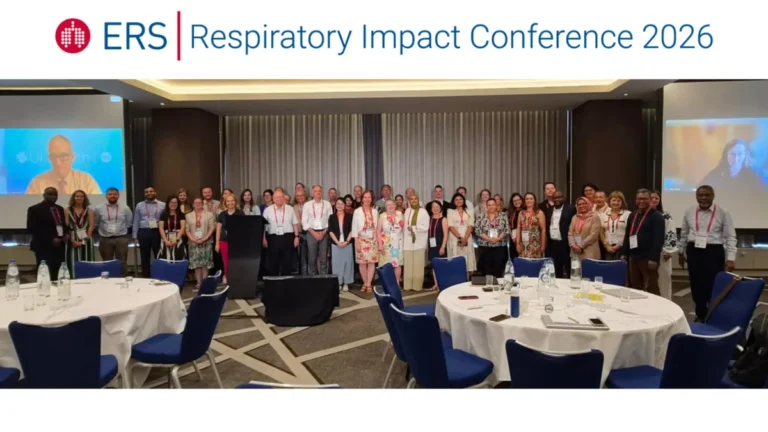
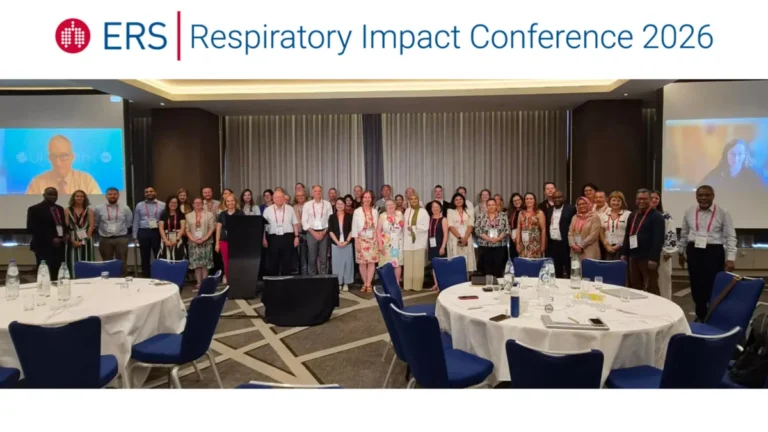
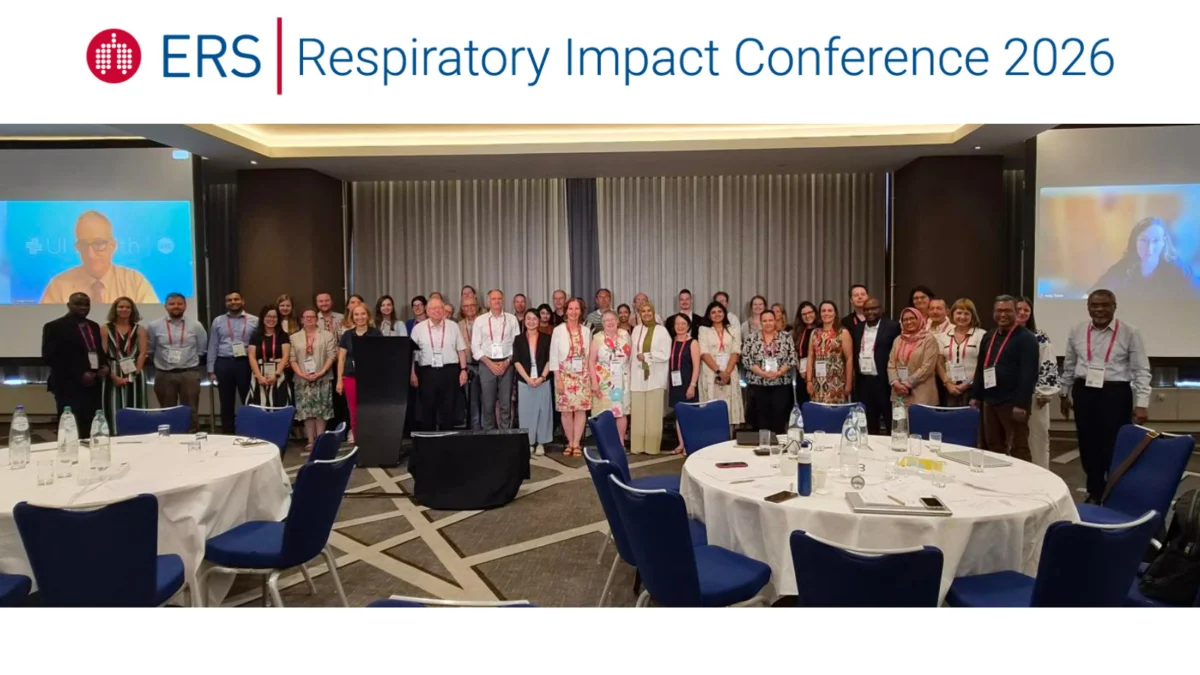
In an era where medical innovation moves at an unprecedented pace, the translation of laboratory breakthroughs into tangible, everyday clinical practice remains one of the most significant challenges in modern medicine. Recognizing this, the European Respiratory Society (ERS) took a historic step at the end of June 2026 by convening the inaugural Respiratory Impact Conference. This landmark event, the first of its kind dedicated specifically to the implementation of evidence-based care, signaled a paradigm shift in how the global medical community approaches respiratory health.
Gathering a diverse cohort of experts from 38 countries, the conference served as a crucible for collaboration, aiming to dismantle the traditional silos that often separate bench-side research from bedside application. By bridging the chasm between scientific discovery and population-level health improvements, the ERS has set a new benchmark for professional societies worldwide.
The Main Facts: A New Chapter for Respiratory Science
The Respiratory Impact Conference was born out of a strategic necessity. While the ERS Lung Science Conference has long provided a world-class platform for fundamental discovery and the mechanics of disease, the leadership recognized that discovery alone is insufficient. True impact requires a roadmap for implementation.
The event focused on the "translational pathway"—the complex, multi-layered process of moving a proven therapy or diagnostic protocol into the chaotic, real-world environment of routine primary and secondary care. Attendees represented a comprehensive cross-section of the healthcare ecosystem, including:
- Clinicians and Researchers: The frontline providers and the architects of new medical knowledge.
- Policymakers: Those responsible for the systemic frameworks and funding models that determine access.
- Implementation Scientists: Specialists who study the "how-to" of integrating evidence into complex organizational cultures.
- Patient Representatives: The ultimate stakeholders, ensuring that scientific outcomes align with lived experiences and quality-of-life needs.
The core objective was to foster a culture of "implementation science," where the adoption of clinical guidelines is not left to chance but is engineered through rigorous study, advocacy, and educational outreach.
Chronology of the Event: A Roadmap to Implementation
The conference program was meticulously structured to mirror the real-world trajectory of medical innovation.
Day One: The Macro View and Policy Frameworks
The conference opened with a keynote address by José Luis Castro, Director-General Special Envoy for Chronic Respiratory Diseases for the World Health Organization (WHO). Mr. Castro’s presence underscored the global urgency of the meeting. He framed the discussion within the context of global health equity, emphasizing that evidence-based care is a fundamental human right. His address set the stage for a series of high-level panels that examined how national governments can incentivize the uptake of respiratory best practices, moving from abstract clinical guidelines to robust, state-funded health programs.
Day Two: The Mechanics of Change
The middle sessions transitioned from policy to the "how." Interactive workshops and breakout sessions focused on the challenges of clinical inertia—the tendency for healthcare providers to stick to outdated practices despite the availability of superior evidence. Attendees participated in simulation exercises designed to identify barriers to implementation, such as inadequate staffing, lack of digital health infrastructure, and resistance to change within institutional hierarchies.
Day Three: Synthesis and Future Directions
The final day was dedicated to the "Three Pillars of ERS": Science, Education, and Advocacy. The sessions here were designed to be highly participatory, encouraging delegates to draft localized action plans that they could take back to their home institutions. The closing plenary session focused on the metrics of success, asking a critical question: How do we measure the impact of our interventions beyond mortality rates, incorporating patient-reported outcome measures (PROMs)?
Supporting Data: Why Implementation Matters
The urgency of this conference is rooted in sobering global health statistics. Despite decades of research into chronic obstructive pulmonary disease (COPD), asthma, and interstitial lung diseases, a significant "implementation gap" persists.
- The Lag Time: Historical data suggests that it takes, on average, 17 years for just 14% of research findings to become part of everyday clinical practice. The Respiratory Impact Conference was specifically designed to accelerate this timeline.
- Global Burden: According to recent WHO data, chronic respiratory diseases remain a leading cause of morbidity and mortality worldwide. Millions of patients continue to suffer from preventable exacerbations due to the delayed adoption of standardized treatment protocols.
- Economic Impact: The cost of non-evidence-based care is staggering, contributing to unnecessary hospital admissions, prolonged recovery times, and inefficient resource allocation. By focusing on implementation, the ERS aims to optimize health expenditure, ensuring that every euro spent on respiratory medicine delivers maximum clinical value.
Official Responses and Expert Commentary
The success of the conference was largely attributed to the collaborative spirit fostered by its organizers. Prof. Hilary Pinnock, ERS Education Council Chair and Professor of Primary Care Respiratory Medicine at The University of Edinburgh, served as a primary architect of the event.
Speaking on the event’s unique value, Prof. Pinnock remarked:
"ERS recognises that the translational pathway extends beyond ‘bench to bedside’ to encompass how effective treatments can be implemented in routine care to benefit the respiratory health of populations. The Respiratory Impact Conference complements the discovery science focus that has been served so well by the ERS Lung Science Conference. Together, these meetings represent the full spectrum of respiratory science—from understanding the mechanisms of disease and developing new therapies through implementation and population health."
This dual approach—balancing fundamental science with the pragmatism of delivery—is what sets the ERS apart in the current medical landscape. Prof. Pinnock further highlighted the synergy required to achieve these goals:
"The faculty and highly interactive sessions demonstrated that achieving impact relies on the three pillars of ERS working together: science, education, and advocacy. It was inspiring to see so many disciplines coming together with a shared goal of improving respiratory health."
Implications: The Long-Term Vision for Respiratory Health
The implications of the 2026 Respiratory Impact Conference extend far beyond the three days of the event. The ERS has effectively declared that the "era of the passive publication" is over. For the medical community, the message is clear: generating data is only half the job.
1. The Rise of Implementation Science
In the coming years, we can expect to see an increase in clinical research that includes "implementation components." Researchers will be increasingly expected to outline not just the efficacy of a drug or a diagnostic tool, but the pathway through which that tool will reach the patient. This will likely involve closer collaboration between clinicians and social scientists, health economists, and behavioral experts.
2. A Redefinition of "Excellence"
For healthcare institutions, success will no longer be defined solely by the number of high-impact papers published. Instead, hospitals and clinics will be evaluated on their "implementation capacity"—the speed and efficiency with which they adopt evidence-based guidelines. This will create a competitive landscape that rewards quality of care and patient outcomes over mere volume.
3. Strengthening the Advocacy-Policy Link
The presence of WHO leadership at the conference suggests that the ERS is moving toward a more activist role in global policy. By providing policymakers with the data and the implementation frameworks they need, the ERS is positioning itself as a primary advisor to governments on the front lines of respiratory policy.
4. Patient-Centricity
Ultimately, the most significant implication is the shift toward a truly patient-centered model. By involving patient representatives in the conversation about implementation, the ERS ensures that scientific advances are not just theoretically sound, but practical and accessible for the individuals who rely on them for their daily health.
Conclusion
The 2026 Respiratory Impact Conference was more than just an academic meeting; it was a rallying cry for the global respiratory community. By bridging the gap between what we know and what we do, the ERS has laid the groundwork for a future where medical breakthroughs reach the patient faster, more efficiently, and with greater consistency.
As the delegates return to their respective countries, the real work begins. The challenge now lies in maintaining the momentum generated in late June. If the level of engagement, expertise, and shared commitment displayed at this inaugural event is any indication, the future of respiratory health looks not only promising but profoundly practical. Through the pillars of science, education, and advocacy, the ERS is ensuring that the "translational pathway" is no longer a bottleneck, but a bridge to a healthier world.