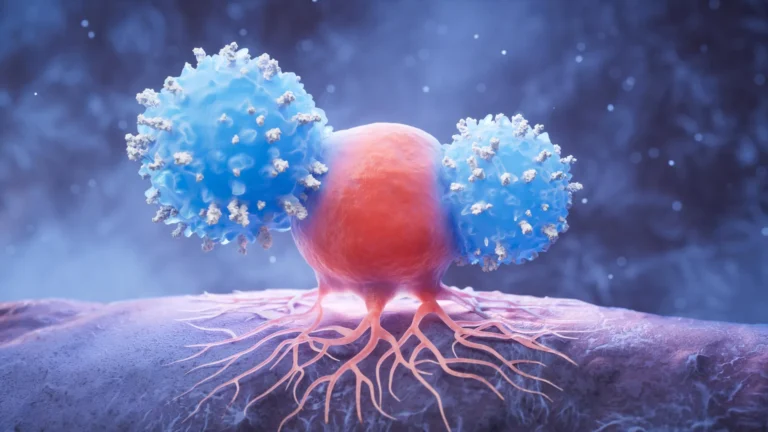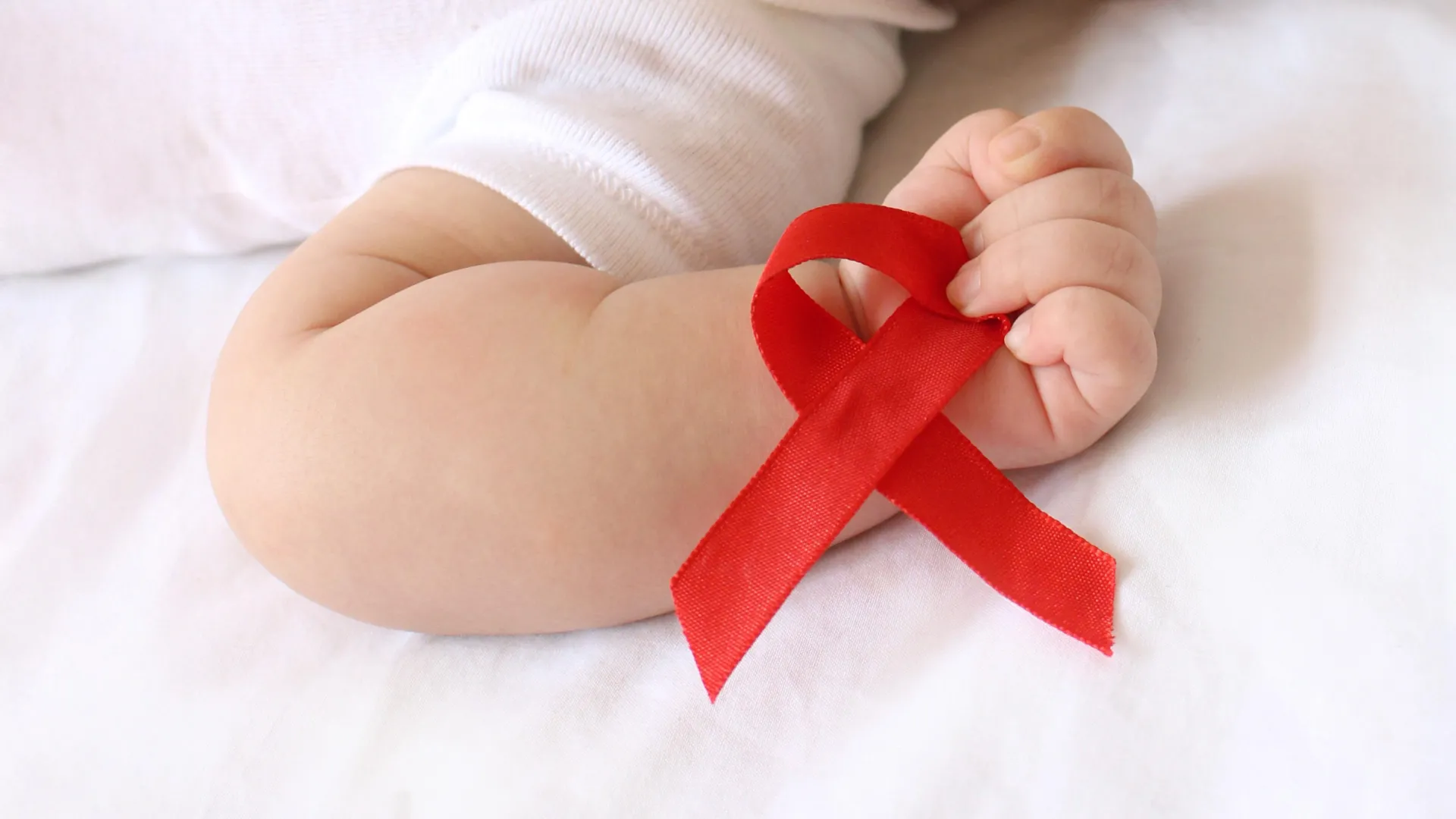
Every year, the global health community faces a sobering statistic: more than 120,000 infants are born with HIV. For the millions currently living with the virus, management is a lifelong commitment, requiring daily antiretroviral therapy (ART) to keep the infection suppressed. While modern medicine has transformed HIV from a death sentence into a manageable chronic condition, a functional cure remains the "Holy Grail" of infectious disease research.
Now, a groundbreaking study led by Oregon Health & Science University (OHSU) has unveiled a potentially transformative approach. Researchers have discovered that a specific combination of three therapies, when administered to newborns within 72 hours of exposure, can permanently eradicate the virus. The findings, recently published in the journal Nature Microbiology, suggest that the window of opportunity immediately following infection may be the key to purging HIV from the body entirely.
The Science of the "Triple-Strike" Strategy
The research, which involved a collaborative effort across the Oregon and California National Primate Research Centers, tested a novel cocktail of interventions. Rather than relying on a single drug, the scientists utilized a three-pronged assault:
- Standard Antiretroviral Therapy (ART): The backbone of current HIV treatment, used to inhibit viral replication.
- Neutralizing Antibodies: Specialized proteins that identify and "corral" circulating viral particles, effectively neutralizing their ability to infect further cells.
- Leronlimab: An experimental monoclonal antibody that acts as a gatekeeper for immune cells.
For years, these therapies had been studied in isolation, yet none had achieved the elusive goal of permanent viral clearance. The OHSU team’s success stems from the synergistic effect of combining these disparate mechanisms.
Dr. Jonah Sacha, professor and chief of pathobiology and immunology at OHSU’s Oregon National Primate Research Center, admitted he was initially skeptical. "There was no reason to think this would completely clear the virus," Sacha noted. "It’s one of those things where you test it and, holy cow, it works and you’ve discovered something new."
Chronology of Discovery: From Skepticism to Breakthrough
The road to this discovery was paved with years of immunological research and intellectual debate. Dr. Nancy Haigwood, a veteran virologist and immunologist who previously served as the director of the Oregon National Primate Research Center, spent decades studying the complex behavior of HIV antibodies. She remained convinced that the key to eradication lay not in more potent versions of existing drugs, but in a multi-layered approach.
For years, Dr. Sacha had been instrumental in developing leronlimab, a drug designed to block the CCR5 surface protein—a crucial "doorway" HIV uses to enter and infect human immune cells. While Sacha focused on the mechanics of the drug, Haigwood proposed that pairing leronlimab with traditional antiretrovirals and neutralizing antibodies could overwhelm the virus before it established a permanent, latent reservoir in the host’s DNA.
The researchers began their trial using nonhuman primates, subjects that share critical anatomical and physiological similarities with humans. They administered the triple-therapy regimen within the first 72 hours of exposure. The results were immediate and, according to the researchers, "astounding." Following the treatment period, the virus was not just suppressed; it appeared to be entirely eliminated from the subjects’ systems.
The Mechanics: How the Triple-Therapy Functions
To explain the success of this combination, Dr. Haigwood employs a vivid, three-part analogy:
- Turning off the faucet: The antiretroviral therapy acts as the primary control mechanism, minimizing the virus’s ability to replicate and spread throughout the body.
- Mopping up: The neutralizing antibodies act as a cleaning crew, effectively corralling the virus so that there is significantly less circulating in the blood supply.
- Sealing off: Leronlimab provides the final structural defense. By blocking the CCR5 receptors, it seals the immune cells, preventing any remaining viral particles from gaining entry.
Dr. Sacha expands on the importance of the leronlimab component: "For reasons we don’t understand, HIV really wants to use CCR5 receptors to infect cells. By blocking access, it’s like you’ve kept fuel away from the fire."
Implications for the HIV Epidemic
The implications of this study are profound, particularly regarding the timing of treatment. Currently, HIV treatment is often initiated after the virus has had time to establish a foothold. This study suggests that the first week of infection is a period of intense, dynamic interaction between the virus and the host’s immune system. By intervening during this brief window, researchers believe they can prevent the formation of the "latent reservoir"—the hidden pockets of HIV that current drugs cannot reach and which necessitate lifelong treatment.
If this strategy translates to human trials, it could rewrite the global response to the HIV epidemic, which still claims roughly 600,000 lives annually.
Moving Toward Clinical Trials
The research team is already looking toward the next phase. "The really exciting part is that it could go to clinical trials immediately to eliminate HIV infection in newborns," Dr. Sacha stated.
The researchers anticipate that the initial human studies will likely involve adults who have been recently exposed to the virus. These trials will serve as a bridge to testing the regimen in infants. A critical objective for future research will be defining the limits of the treatment window. While the current study successfully cleared the virus when administered within 72 hours, the team plans to test whether this efficacy holds true if the treatment is delayed by one or two weeks.
Official Responses and Scientific Context
The study has been met with guarded optimism within the infectious disease community. While the results in nonhuman primates are compelling, the transition to human clinical trials involves rigorous safety protocols and regulatory hurdles.
The project was heavily supported by the National Institutes of Health (NIH), reflecting the high priority placed on finding a cure for pediatric HIV. Funding was provided by the Eunice Kennedy Shriver National Institute of Child Health and Human Development (NICHD) and the National Institute of Allergy and Infectious Diseases (NIAID), among others.
Dr. Haigwood reflected on the emotional weight of the findings, stating, "We were astounded and overjoyed, actually. It’s a remarkable result."
Conclusion: A New Horizon
While the world awaits the results of future human clinical trials, the OHSU study provides the most promising evidence in years that a permanent cure for HIV might be within our grasp. By targeting the virus during its most vulnerable, early stage of infection with a multi-modal strategy, science may finally be closing the door on a virus that has defined the medical landscape for over four decades.
The success of this experiment underscores the importance of interdisciplinary collaboration and the value of fundamental research in primate models. As the researchers move toward testing in adults, the global community looks on with hope—hope that the "lifelong treatment" model may one day be replaced by a short-term, curative regimen that allows those exposed to the virus to live their lives free from the burden of chronic infection.
Research Funding Disclosure
This research was supported by the National Institutes of Health (NIH) under the following award numbers: R01HD080459 (NICHD); R01AI154559, R01AI166969, and R01AI129703 (NIAID); K01OD036063 (OD); P51OD011092 and U42OD010426 (ORIP/Oregon National Primate Research Center); and P51OD011107 (ORIP/California National Primate Research Center). The content of this report is solely the responsibility of the authors and does not necessarily represent the official views of the National Institutes of Health.