In the quiet hours of the night, millions of people struggle with a thief that steals their rest, their energy, and, if left unchecked, their long-term cardiovascular health. This thief is obstructive sleep apnea (OSA), a condition characterized by repeated pauses in breathing during sleep. Often dismissed as mere snoring or simple exhaustion, OSA is a serious medical disorder. However, identifying it has become significantly easier thanks to a deceptively simple screening tool: the STOP-BANG questionnaire.
For those who wake up feeling unrefreshed, find themselves dozing off during afternoon meetings, or are regularly nudged by a partner complaining of loud, disruptive snoring, the STOP-BANG tool offers a gateway to clarity. While it is not a diagnostic instrument, it serves as a critical first line of defense in the modern medical landscape.
The Anatomy of the STOP-BANG Questionnaire
The STOP-BANG questionnaire is an eight-item screening tool designed to stratify patients based on their risk of obstructive sleep apnea. Its brilliance lies in its brevity and accessibility. By combining patient-reported symptoms with objective physical measurements, the questionnaire provides a snapshot of a person’s physiological risk profile.
What the Acronym Stands For
Each letter in the acronym "STOP-BANG" corresponds to a specific, evidence-based risk factor:
- S (Snoring): Do you snore loudly? (Loud enough to be heard through closed doors or enough to annoy others?)
- T (Tired): Do you often feel tired, fatigued, or sleepy during the daytime?
- O (Observed): Has anyone observed you stop breathing or choking/gasping during your sleep?
- P (Pressure): Do you have or are you being treated for high blood pressure (hypertension)?
- B (BMI): Is your Body Mass Index greater than 35 kg/m²?
- A (Age): Are you older than 50 years?
- N (Neck circumference): Is your neck circumference greater than 16 inches (40 cm)?
- G (Gender): Are you male?
Each "yes" answer equates to one point. The scoring system is straightforward, yet it has been validated in numerous clinical studies as a robust predictor of OSA severity.
Chronology: The Evolution of Sleep Screening
The journey to our current understanding of sleep apnea screening is a testament to the growth of sleep medicine as a distinct medical discipline.
The Early Days of Sleep Observation
For decades, sleep apnea was an unrecognized medical mystery. It wasn’t until the late 20th century that the medical community began to grasp the systemic impact of nocturnal breathing cessation. In the early years, diagnosis required expensive, time-consuming, and highly invasive overnight polysomnography (in-lab sleep studies).
The Rise of Simplified Screening
As the prevalence of obesity and sedentary lifestyles surged in the 1990s and 2000s, the demand for a more efficient way to triage patients grew. Clinicians needed a way to identify high-risk individuals before they reached the doors of a sleep laboratory.
The Introduction of STOP-BANG
The STOP-BANG questionnaire was developed by Dr. Frances Chung and her colleagues at the University Health Network. Originally designed for the surgical population—where undiagnosed sleep apnea can lead to dangerous complications during anesthesia—it quickly proved its utility in primary care. Over the past decade, it has transitioned from a niche pre-surgical checklist to a global standard for general health screening.
Supporting Data: Why Accuracy Matters
The clinical utility of the STOP-BANG questionnaire is backed by a substantial body of peer-reviewed research.
Predictive Validity
Data consistently demonstrates that a score of 3 or higher is highly sensitive for detecting moderate to severe obstructive sleep apnea. In many clinical settings, a score of 3+ triggers a referral for a formal sleep study. The higher the score, the higher the probability that a patient is suffering from significant airway collapse during sleep.
The Burden of Disease
According to the American Academy of Sleep Medicine (AASM), millions of adults in the United States remain undiagnosed. Untreated OSA is linked to:
- Hypertension: The stress of intermittent hypoxia causes blood pressure spikes.
- Type 2 Diabetes: Sleep disruption alters glucose metabolism.
- Cognitive Decline: Poor sleep quality impacts memory, focus, and emotional regulation.
- Motor Vehicle Accidents: Excessive daytime sleepiness is a leading cause of drowsy driving crashes.
The STOP-BANG tool serves as a critical bridge. It moves the patient from a state of "unconscious incompetence"—where they don’t know they have a problem—to "conscious competence," where they are empowered to seek a professional diagnosis.
Official Perspectives: The Role of the Expert
Medical organizations, including the AASM and the American College of Physicians, emphasize that the STOP-BANG questionnaire is a tool for screening, not diagnosis.
A Necessary Nuance
"A high score does not mean you have sleep apnea, and a low score does not definitively rule it out," says Dr. Katherine Moawad, DO. The questionnaire identifies a predisposition. To confirm a diagnosis, a physician must evaluate the patient’s complete medical history, physical anatomy, and, most importantly, the results of an objective sleep test.
When to Seek an Accredited Center
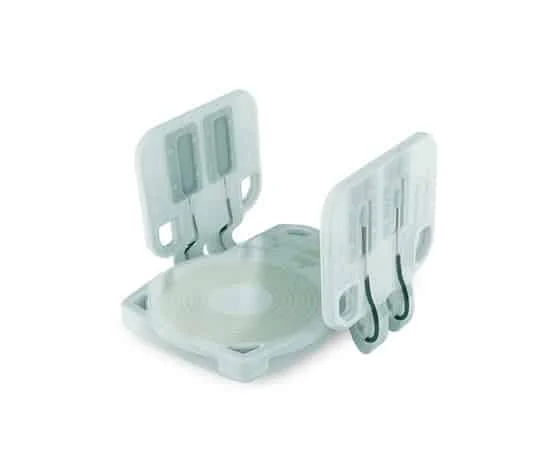
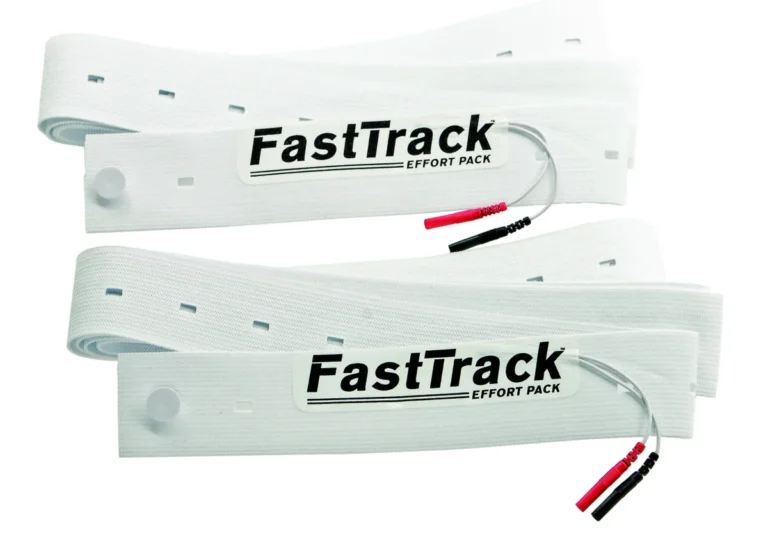
If a patient scores high on the questionnaire, the standard of care involves a consultation with a primary care provider. If symptoms persist or the risk is deemed high, the patient is often referred to an AASM-accredited sleep center. These centers provide the gold standard in diagnostic care, utilizing either in-lab polysomnography or high-quality home sleep apnea tests (HSATs) to monitor heart rate, oxygen levels, and respiratory effort.
The Implications of Early Detection
The implications of taking the STOP-BANG quiz extend far beyond the bedside. By normalizing sleep screening, we are shifting the paradigm of healthcare toward prevention.
Improved Quality of Life
For many, the diagnosis of OSA is a turning point. Treatment, often in the form of Continuous Positive Airway Pressure (CPAP) therapy, oral appliances, or lifestyle modifications, can lead to a "second lease on life." Patients often report increased energy, better moods, and reduced reliance on blood pressure medications within weeks of successful treatment.
Economic Impact
Undiagnosed sleep apnea is an economic drain, contributing to billions in lost productivity and increased healthcare expenditures. Early detection through simple, low-cost screening tools like STOP-BANG allows the healthcare system to allocate resources more efficiently, focusing on those who are truly in need of intensive diagnostic services.
Empowering the Patient
Perhaps the most significant implication is the empowerment of the individual. By providing a clear, actionable path, the STOP-BANG questionnaire demystifies sleep health. It transforms a vague, persistent feeling of "being tired" into a manageable medical question that has a clear answer and an effective solution.
Conclusion: Taking the Next Step
Sleep is not a luxury; it is the fundamental foundation of human health. If you recognize yourself in the descriptions provided, the STOP-BANG questionnaire is an excellent place to start. It is quick, it is based on sound science, and it is a gateway to the help you may need.
However, remember that the questionnaire is merely the beginning of the conversation. If your score suggests a risk, do not hesitate to schedule an appointment with your doctor. Whether you are dealing with mild snoring or severe, life-altering fatigue, professional guidance is the key to reclaiming your nights and, by extension, your days.
Disclaimer: This information is for educational purposes only and does not constitute medical advice, diagnosis, or treatment. Always seek the advice of your physician or other qualified health provider with any questions you may have regarding a medical condition. The STOP-BANG questionnaire is owned by Dr. Frances Chung and UHN. For clinical use or to access the interactive version of the tool, please visit www.stopbang.ca.