







By Yashvi Bharariya
Published August 11, 2026
The clinical encounter is often framed as a neutral, objective space—a sanctuary where symptoms are identified, diagnoses are cataloged, and treatment plans are forged. However, for neurodivergent people of color (POC), this "neutral" space often functions as a site of profound erasure. When a 26-year-old Latine woman with ADHD recently remarked, “I was given a prescription for a diagnosis on a piece of paper, not for a Hispanic woman in her early 20s,” she articulated a systemic failure that transcends individual clinical errors. She was naming the "Identity Gap"—the chasm between a medical label and the lived reality of a human being existing at the intersection of neurodivergence and racialized identity.
New qualitative research, involving in-depth interviews with neurodivergent individuals from diverse backgrounds, suggests that the barriers to effective mental health care are not isolated incidents but are interconnected, systemic hurdles. These findings indicate that when clinicians fail to account for cultural context, the diagnostic process itself becomes skewed, leading to misidentification, inadequate support, and a breakdown of the therapeutic alliance.
Main Facts: The Reality of the "Clinical Miss"
The core of the issue lies in the concept of intersectionality—a term coined by Kimberlé Crenshaw to describe how various forms of inequality or identity do not exist independently but interact to create unique experiences of discrimination or privilege. In the context of neurodiversity, this means that a person’s experience of Autism or ADHD is inextricably linked to their race, gender, and cultural upbringing.

According to the research findings, three primary facts emerge regarding the current state of care for neurodivergent POC:
- The Diagnosis-Person Dichotomy: Clinicians frequently treat the "diagnostic criteria" rather than the patient. This leads to a scenario where medical interventions (such as medication) are provided without considering how the patient’s cultural environment influences their symptoms or their ability to implement treatment.
- The Compounding Effect of Cultural Gaps: A "cultural miss"—such as a therapist misunderstanding a patient’s family dynamics—does not remain a minor social awkwardness. It directly impacts clinical outcomes by altering how neurodivergent traits are interpreted. For instance, a trait like "sensory avoidance" might be misread as "social withdrawal" or "disrespect" in a cultural context that prioritizes collective engagement.
- The Curiosity Deficit: While "identity matching" (pairing a patient with a therapist of the same race) is often cited as a solution, the research suggests that "clinical curiosity" and cultural education are more vital. Patients reported that the most effective care came from clinicians who, regardless of their own background, were willing to investigate how a patient’s whole life—not just their symptoms—shaped their mental health.
Chronology: The Lifecycle of a Failed Diagnosis
The path to receiving support for neurodivergence is often a multi-year journey fraught with misdirection. For many people of color, this chronology follows a predictable and damaging pattern.
Phase I: The Labeling of Character Flaws
Long before a clinical diagnosis is even considered, neurodivergent POC often spend their formative years having their neurological traits interpreted through a lens of moral or character failure. In the research, participants described how difficulty focusing was labeled as "laziness," emotional dysregulation was dismissed as being "dramatic," and executive dysfunction was seen as "carelessness." Because the "standard picture" of neurodivergence—often based on studies of white, male children—does not always match the presentation in girls or children of color, these individuals are frequently overlooked for early intervention.
Phase II: The Repeated Testing Cycle
The diagnostic process itself can be a marathon of invalidation. One participant reported being tested five times before finally receiving an ADHD diagnosis. Her symptoms were overlooked because she did not present as "disruptive" in a classroom setting. Instead, she experienced "internal chaos"—a quiet, agonizing struggle that remained invisible to educators and clinicians who were looking for externalized, stereotypical behaviors.

Phase III: The Post-Diagnostic Translation Gap
Even when a diagnosis is finally secured, a new barrier emerges: the translation of clinical concepts into the home environment. For a Chinese-American participant with autism, the vocabulary of Western therapy—terms like "boundaries" and "sensory overload"—failed to translate into a cultural context that emphasizes familial harmony and collective responsibility. Consequently, the tools learned in the therapy room remained "locked" in that space, unable to be utilized in the very environment where they were most needed.
Supporting Data: The Systemic Scope of the Problem
While the qualitative research highlights individual stories, broader data supports the conclusion that neurodivergent POC are significantly underserved.
- Diagnostic Lag: Studies consistently show that Black and Latine children are diagnosed with Autism and ADHD significantly later than their white peers, often missing the critical window for early intervention services.
- Provider Demographics: According to the American Psychological Association, approximately 80% of the psychology workforce in the United States is white. This demographic imbalance makes identity matching statistically impossible for the majority of POC patients, placing a premium on the need for cultural competency training across the entire field.
- The Cost of Misdiagnosis: The research indicates that the "cost" of a delayed diagnosis is not just time; it is the accumulation of self-blame. When a medical explanation arrives after decades of being told one is "difficult," the diagnosis must compete with years of internalized stigma.
Official Responses and Advocacy: Moving Toward Inclusive Care
The findings of this research have prompted calls for action from mental health advocacy organizations, most notably Active Minds. As a leader in the youth mental health movement, Active Minds has emphasized that "leadership begins with youth and young adults," and that policy must reflect the diverse lived experiences of those it serves.
The Campus Lifeline Act
In response to the growing awareness of these disparities, advocates are championing the Campus Lifeline Act. This bipartisan bill, authored with input from student leaders, aims to strengthen mental health support on college campuses. A key component of the act is the expansion of the 988 Suicide & Crisis Lifeline visibility, including requiring its presence on student ID cards. Advocates argue that for neurodivergent POC, who may feel alienated from traditional campus counseling centers, having immediate, anonymous access to crisis resources is a vital safety net.
The Role of the Student Advisory Committee (SAC)
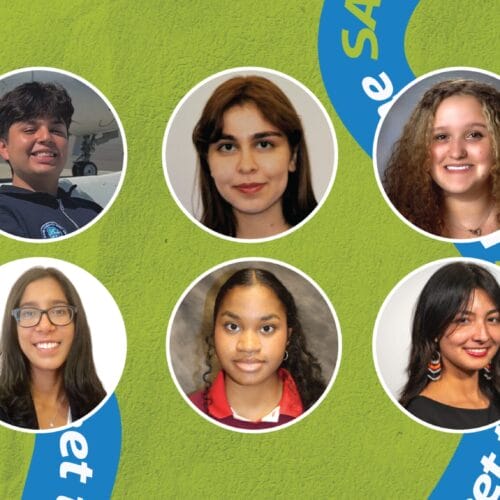
The Active Minds Student Advisory Committee, a diverse cohort of young leaders, has been vocal about the need for intersectional approaches. Members like Nadira Akilo, who navigates both African American and Asian heritage, and Angel Velazquez, a first-generation Latino student, are working to reduce the stigma that prevents POC from seeking neurodivergent-affirming care. Their work focuses on making mental health resources "visible and accessible" to communities where such topics have historically been dismissed.
Implications: The Future of Neurodivergent Care
The implications of this research are clear: the field of mental health must move beyond a "one-size-fits-all" diagnostic model. If clinicians continue to treat symptoms in a vacuum, they will continue to fail the populations that are already most vulnerable to systemic neglect.
Reimagining Clinical Training
The "curiosity" mentioned by research participants must be formalized in clinical training. This involves moving away from "cultural competency"—which can sometimes devolve into a checklist of stereotypes—toward "cultural humility" and "cultural education." Clinicians must be trained to ask: How does your community view this behavior? What words does your family use for struggle? How does your identity as a person of color change the way you experience this neurological trait?
Patient Empowerment
For neurodivergent POC, the research offers a form of validation. If therapy has felt like a "bad fit," it is often not because the patient is "difficult," but because the clinical framework was too narrow to hold their entire identity. Patients are encouraged to ask potential providers directly about their experience with intersectionality. A provider’s comfort—or lack thereof—with these questions is a primary indicator of therapeutic success.
A Call for Whole-Person Care
The ultimate goal is a healthcare system where a person can be seen as "all three" (or more) of their identities at once—neurodivergent, a person of color, and an individual with a unique personal history. As the research concludes, "Ask me about my whole life. Not just my symptoms." Every individual deserves to be seen as a whole person, and until clinical practices evolve to meet this standard, the promise of mental health equity will remain unfulfilled.
Yashvi Bharariya is a student researcher and advocate. The quotes and findings in this article are drawn from her original qualitative research, currently under review for publication.