







From the Yoga Journal Archives: Originally published in the September-October 1986 issue, this classic guide to the Standing Wide-Legged Forward Bend remains a cornerstone for modern practitioners.
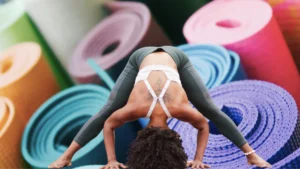
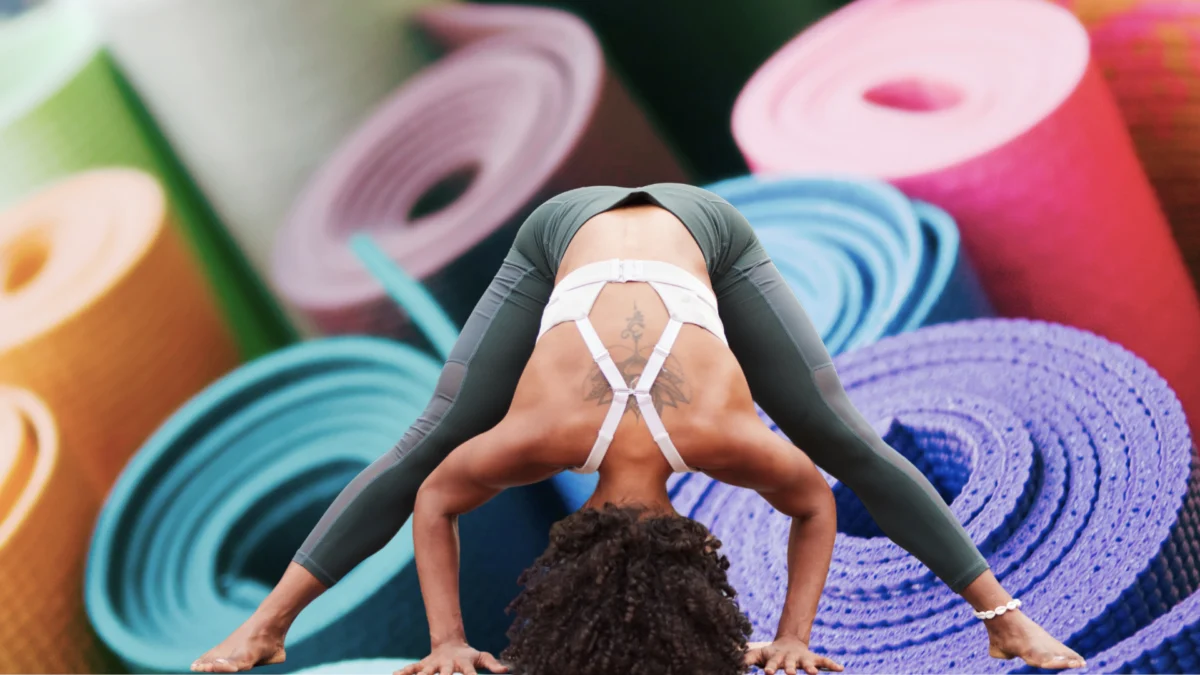
In the pursuit of flexibility, many modern yoga students fall into a common trap: the aggressive pursuit of "touching the toes." For the beginner, this often leads to rounded spines, strained lower backs, and a frustrating disconnect between intention and physical reality. However, as documented in the Yoga Journal archives dating back to 1986, there exists a pose that mitigates these risks while providing a profound release: Prasarita Padottanasana, or the Standing Wide-Legged Forward Bend.
The Anatomy of Resistance: Why We Struggle
The primary antagonist for most practitioners—particularly those who spend their days in sedentary office chairs or those who engage in repetitive athletic pursuits like running—is the hamstring. These muscles, located at the posterior of the upper thigh, are frequently tight, shortening over time and pulling on the pelvis.
When a student attempts a traditional seated forward bend, this tightness creates a mechanical disadvantage. To compensate for the lack of hamstring length, the spine rounds, placing undue pressure on the intervertebral discs. Prasarita Padottanasana serves as an elegant solution to this dilemma. By utilizing the width of the stance, the practitioner leverages gravity to facilitate a stretch that is both effective and structurally sound.
Chronology of a Classic Asana
The history of this pose is deeply rooted in the foundational methodologies of Hatha Yoga. While its inclusion in the 1986 Yoga Journal archives highlighted the growing need for accessible alignment cues during the burgeoning Western yoga boom, the pose itself has been a staple in traditional sequences for centuries.
In the mid-1980s, the focus shifted toward "therapeutic alignment." Experts of the era, such as those featured in the original article, emphasized that the goal was not the destination (the floor), but the integrity of the movement. By 2026, the scientific understanding of the kinetic chain has only reinforced these early observations. We now know that the wide-legged stance doesn’t just stretch the hamstrings; it recruits the adductor muscles of the inner thigh and stabilizes the pelvis, creating a holistic stretch that protects the lumbar spine.
Supporting Data: The Mechanics of the Wide-Legged Bend
To perform Prasarita Padottanasana with safety and efficacy, one must understand the interplay between the quadriceps and the posterior chain.
The Foundation of the Pose
- The Stance: Begin with the feet at least four feet apart. The toes should be aligned, creating a solid base that prevents unnecessary torque on the ankles or knees.
- The Quadriceps: The muscles in the anterior (front) thigh must remain active. A common mistake is to "lock" the knees, pushing the joint into hyperextension. Instead, the focus should be on engagement—lifting the kneecaps by firing the quadriceps—without forcing the joint backward.
- The Hinge: With hands on the waist, the practitioner should exhale and initiate a forward fold from the hip creases. The back should remain long, with a slight, natural curve in the lower back, rather than a forced, rounded shape.
The Role of Props
The archives from 1986 were ahead of their time in promoting the use of props. For the stiff practitioner, the floor is not always a realistic goal.
- The Blanket/Blocks: If the spine rounds, the floor is too low. Placing hands on a folded blanket or a stack of books allows the student to maintain a long, neutral spine.
- The Chair: For those with extreme tightness, resting the hands on the seat of a chair can provide the stability needed to "let go" into the pose without the fear of falling or straining the cervical spine.
Expert Perspectives and Refinements
The core philosophy of Prasarita Padottanasana is the preservation of the vertebral column’s natural curvature. When a student struggles to reach the floor, the resulting "hunch" (as illustrated in archival Figure 3) places dangerous shear forces on the lumbar vertebrae.
The Importance of Breath
Breath is the most reliable indicator of tension. If the breath is held or becomes shallow, the body is signaling that it has exceeded its current limit. The 1986 report notes: "Do not hold the breath, as this is as much a sign of resistance as tight muscles." Practitioners are advised to inhale while coming up and exhale while descending, using the breath to create space within the abdominal cavity.
The "Wide-Legged" Advantage
The wider the legs are positioned, the more the mechanical intensity of the hamstring stretch is modulated. For the stiff student, widening the stance slightly can actually make the pose more manageable by decreasing the extreme tension on the back of the legs. Furthermore, this adjustment engages the adductors, providing a secondary stretch that is often neglected in narrower forward bends.
Implications for Modern Practice
In the modern era, where desk-bound work has reached record highs, Prasarita Padottanasana is more relevant than ever. Its implications for the contemporary practitioner are threefold:
- Mental Regulation: The pose is naturally "cooling." In the middle of a high-intensity standing series, it acts as a restorative transition. The inversion of the head—even if only slightly—can help calm the nervous system and lower the heart rate.
- Transitionary Utility: Because it opens the hips and hamstrings, it is the perfect precursor to more advanced postures, such as Sirsasana (Headstand). It prepares the lower body for the demands of inversions while ensuring the back is warmed and supple.
- Long-Term Spinal Health: By emphasizing the use of the buttocks and abdominal muscles to control the descent and ascent, the pose strengthens the posterior chain, which is essential for supporting the spine throughout the aging process.
Conclusion: Returning to the Basics
As we look back at the 1986 archives, the takeaway is clear: Yoga is not about conquering the body; it is about working within its architecture. Prasarita Padottanasana is not merely a stretch; it is a lesson in patience. By honoring the body’s current limitations—using props when necessary and prioritizing the breath—the practitioner transforms a simple movement into a meditative experience.
Whether you are a seasoned yogi or a newcomer, the invitation remains the same: step wide, engage the legs, maintain the length of the spine, and let gravity do the work. In doing so, you are not just stretching your hamstrings; you are building a sustainable practice that will serve you for decades to come.
Quick Reference Checklist for Practice
- Stance: Feet 4+ feet apart, toes parallel.
- Leg Engagement: Keep quads firm; avoid hyperextending the knees.
- Spine: Hinge from the hips; maintain a slight, natural hollow in the lower back.
- Neck: Keep the neck long; avoid straining by looking up or tucking the chin too aggressively.
- Props: Use blankets, blocks, or chairs to ensure the back does not round.
- Breath: Even and free; exhale into the fold, inhale to rise.
This article is part of the Yoga Journal archives, celebrating the enduring wisdom of our teachers from the past 50 years.