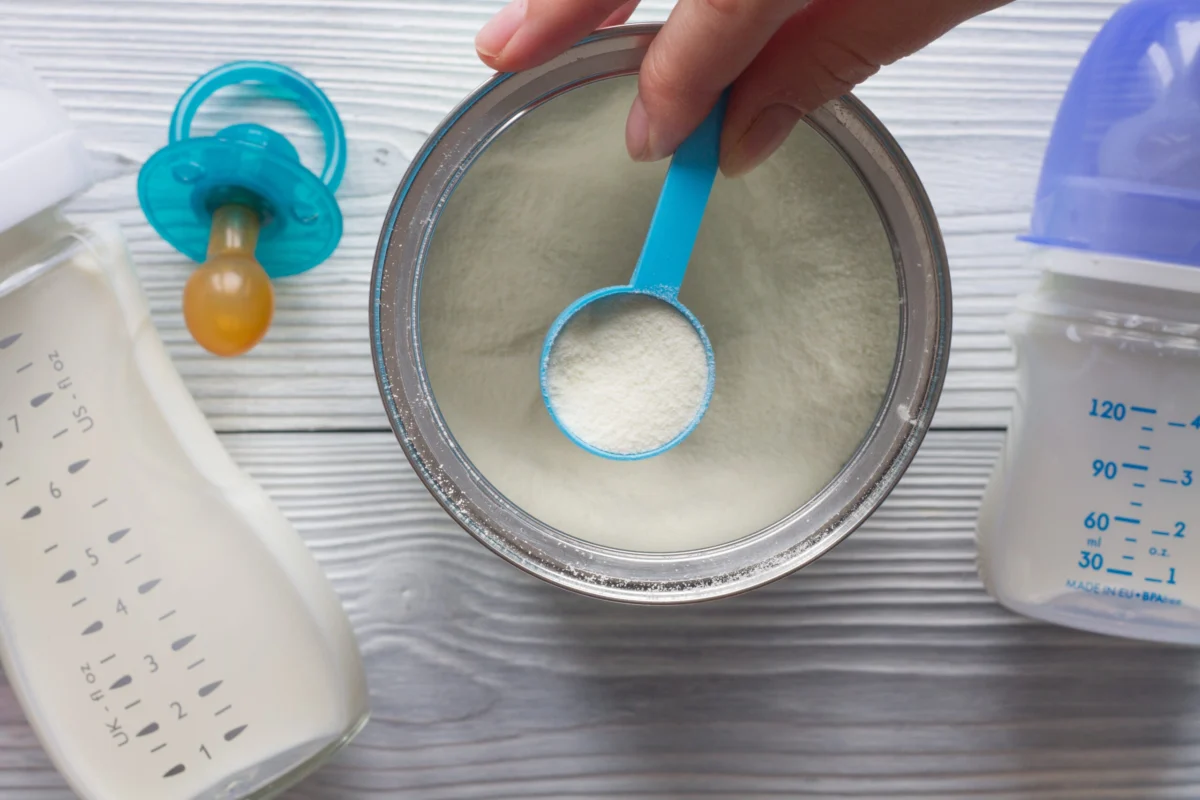
The sight of barren shelves in the baby aisle has become a haunting image for parents across the United States. For families who rely on infant formula—whether as a primary source of nutrition or a necessary supplement—the national shortage has transitioned from a logistical nuisance into a genuine public health crisis. As supply chains struggle to recover from the shocks of the global pandemic and localized production failures, the urgency of ensuring nutritional security for the nation’s most vulnerable population has never been clearer.
Main Facts: The Anatomy of a Nutritional Crisis
At its core, the infant formula shortage represents a systemic failure in a highly concentrated market. Unlike many other consumer goods, infant formula is a specialized, strictly regulated product that requires precise manufacturing standards. In the United States, the market is dominated by a small handful of manufacturers, creating a fragile ecosystem where a disruption at a single production facility can ripple across the entire country.
When human milk is unavailable, inaccessible, or insufficient, infant formula serves as the only medically recognized alternative. For infants with metabolic disorders, severe allergies, or specific gastrointestinal conditions, there is often no alternative at all. The current shortage has disproportionately affected these families, forcing parents to hunt for specialized hypoallergenic or elemental formulas that are not easily substituted.
The crisis was precipitated by a "perfect storm": pandemic-related labor shortages, transportation bottlenecks, and a massive voluntary recall of products from a major manufacturer. When a significant portion of the domestic supply was pulled from shelves due to safety concerns, the thin margins of the supply chain collapsed, leaving millions of parents without reliable access to essential nutrition.
Chronology: A Timeline of Disruption
The roots of the shortage extend back to the onset of the COVID-19 pandemic in early 2020. However, the situation reached a critical inflection point in early 2022.
- 2020–2021: The pandemic introduced volatility into every sector of the global economy. Formula manufacturers faced labor shortages and challenges in sourcing raw ingredients, such as specialized proteins and vitamins.
- February 2022: A major manufacturer issued a massive voluntary recall of powdered infant formula produced at their Sturgis, Michigan facility following reports of Cronobacter sakazakii infections. This facility, one of the largest in the country, ceased production, effectively removing a significant percentage of the national supply from the market.
- Spring 2022: As inventories dwindled, panic-buying exacerbated the scarcity. Retailers began implementing purchase limits to deter hoarding, but the disparity between supply and demand continued to widen.
- May 2022: The U.S. government invoked the Defense Production Act to prioritize the allocation of raw materials to formula manufacturers and utilized military aircraft—dubbed "Operation Fly Formula"—to import millions of cans of formula from international markets to bridge the gap.
- Late 2022–Present: While domestic production has largely stabilized, the industry remains in a precarious state. Ongoing efforts are now focused on diversifying supply chains and strengthening regulatory oversight to prevent a recurrence.
Supporting Data: Market Concentration and Vulnerability
The U.S. infant formula market is characterized by extreme consolidation. Data indicates that three major companies account for more than 90% of the domestic market share. This oligopolistic structure means that any disruption—be it a safety recall, a natural disaster, or a logistical delay—has immediate and severe consequences.
Furthermore, the "WIC" (Special Supplemental Nutrition Program for Women, Infants, and Children) program plays a massive role in the market. Many states contract exclusively with one manufacturer to provide formula to low-income families in exchange for significant rebates. While this saves the government money, it creates a "winner-take-all" dynamic that can make it difficult for smaller, independent manufacturers to enter the market and provide much-needed competition and supply redundancy.
Data from the Centers for Disease Control and Prevention (CDC) underscores the necessity of these products: while breastfeeding is the gold standard for infant nutrition, rates fluctuate significantly based on socioeconomic status, access to paid parental leave, and maternal health. When the safety net of formula fails, the impacts on infant health—including dehydration, electrolyte imbalances, and failure to thrive—are immediate and require emergency medical intervention.
Official Responses: Navigating the Policy Landscape
The federal response to the crisis was multi-faceted, involving the Food and Drug Administration (FDA), the Department of Agriculture (USDA), and the White House.
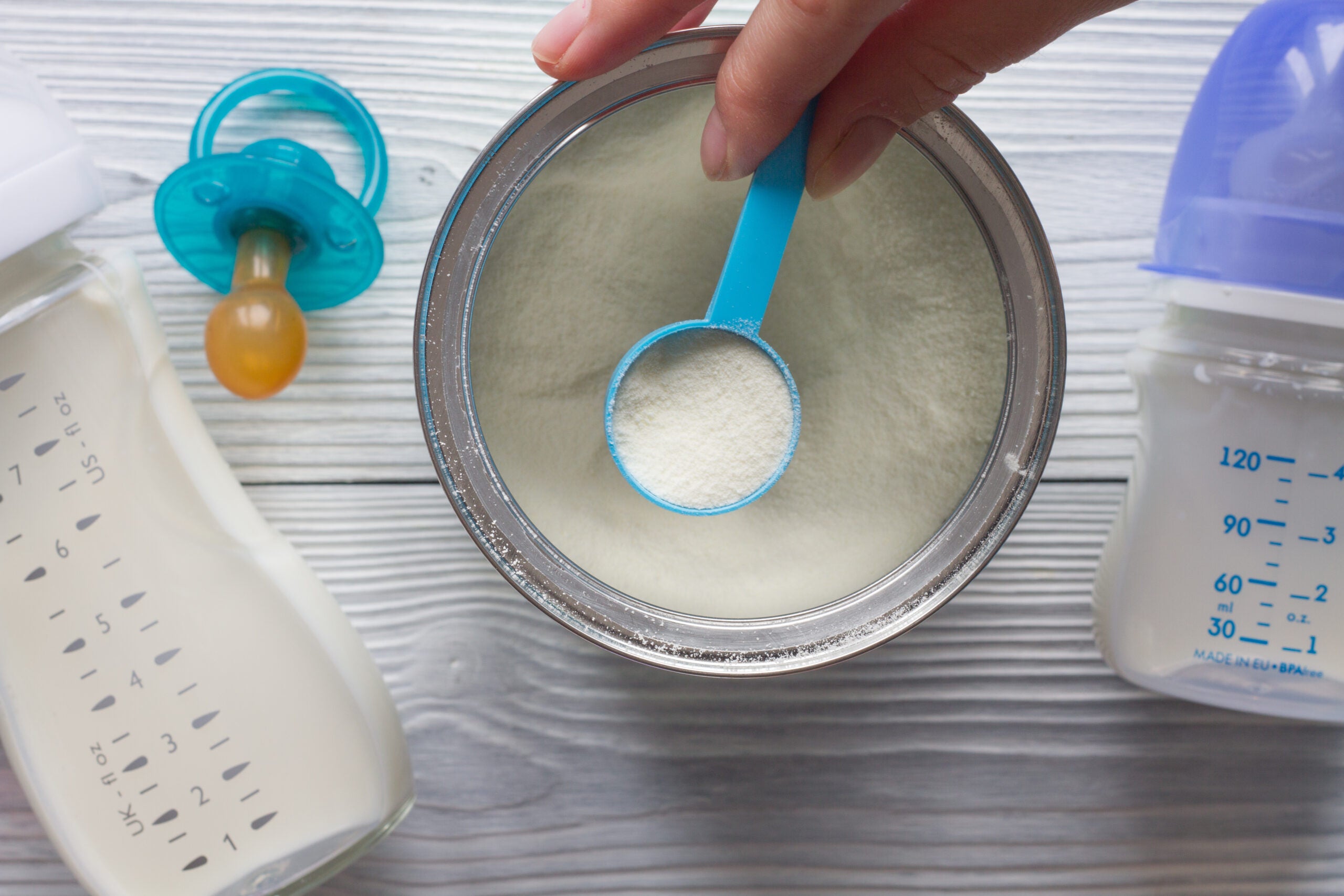
The FDA faced intense scrutiny regarding the speed of its investigation into the Michigan plant. In the aftermath, the agency has moved to modernize its inspection protocols and has signaled a commitment to streamlining the approval process for international manufacturers looking to enter the U.S. market.
The USDA took action by granting waivers to states, allowing them to relax WIC contract requirements. This enabled families to use their benefits to purchase whatever brand of formula was available on the shelf, rather than being restricted to a specific contract brand that might be out of stock. These temporary measures were crucial in preventing a total cessation of nutrition for vulnerable infants.
Future Directions: Building a Resilient System
The American Journal of Clinical Nutrition has provided a roadmap for ensuring that the U.S. never again faces such a catastrophic shortage. The consensus among public health experts involves a shift toward long-term structural reform:
- Diversifying Manufacturing: Policymakers must incentivize the entry of new, smaller manufacturers into the market to break the reliance on a handful of facilities.
- Strategic Stockpiling: Similar to the Strategic National Stockpile for medical supplies, the government should consider maintaining a reserve of essential infant nutrition products to buffer against supply chain shocks.
- Global Integration: By harmonizing regulatory standards with other developed nations, the U.S. can create a more fluid international market, allowing for the rapid importation of formula during emergencies without compromising safety.
- Investing in Lactation Support: While formula is essential, the government must also address the "feasibility gap." By mandating paid family leave and investing in robust lactation support systems, the U.S. can ensure that families who wish to breastfeed are not forced to abandon their goals due to the pressures of returning to work too early.
Implications: The Moral Imperative
The infant formula shortage has revealed a sobering truth: our current food system is not designed for resilience in the face of crisis. When we treat the nutrition of our infants as a standard commodity subject to the whims of just-in-time supply chains, we leave families exposed to unacceptable risks.
The implications for the future are clear. We must move beyond reactive, emergency-based policy and toward a framework that prioritizes the stability of essential infant nutrition. This requires a balanced approach that supports breastfeeding, ensures equitable access to high-quality formula, and maintains the rigorous safety standards that parents expect and deserve.
For parents currently navigating the remnants of this crisis, the advice from health professionals remains constant: prioritize safety, consult with pediatricians before making dietary changes, and avoid dangerous practices such as diluting formula or attempting to make homemade versions, which can lead to severe nutritional deficiencies.
As the nation looks forward, the goal is not merely to return to the status quo, but to build a more robust, diversified, and compassionate system of infant nutrition. The health of the next generation depends on our ability to learn from these recent trials and commit to the structural changes necessary to ensure that no infant goes without, regardless of the global circumstances.
Guidelines for Parents During Uncertain Times
What to do:
- Consult your Pediatrician: If you are having trouble finding your specific formula, your doctor may have access to samples or know of safe, comparable alternatives.
- Use Trusted Retailers: Stick to major retailers and pharmacies to ensure product authenticity.
- Check Local Resources: Contact local WIC offices or community health centers; they often have updated information on supply levels and can offer support.
What not to do:
- Do Not Dilute: Never add extra water to formula to make it "last longer." This reduces the nutrient density and can cause life-threatening electrolyte imbalances in infants.
- Do Not Make Homemade Formula: Internet recipes for homemade formula lack the precise balance of proteins, fats, vitamins, and minerals required for infant development and can be dangerous.
- Do Not Use Cow’s Milk: Before the age of one, cow’s milk is difficult for infants to digest and does not provide the correct nutritional profile for healthy growth.