




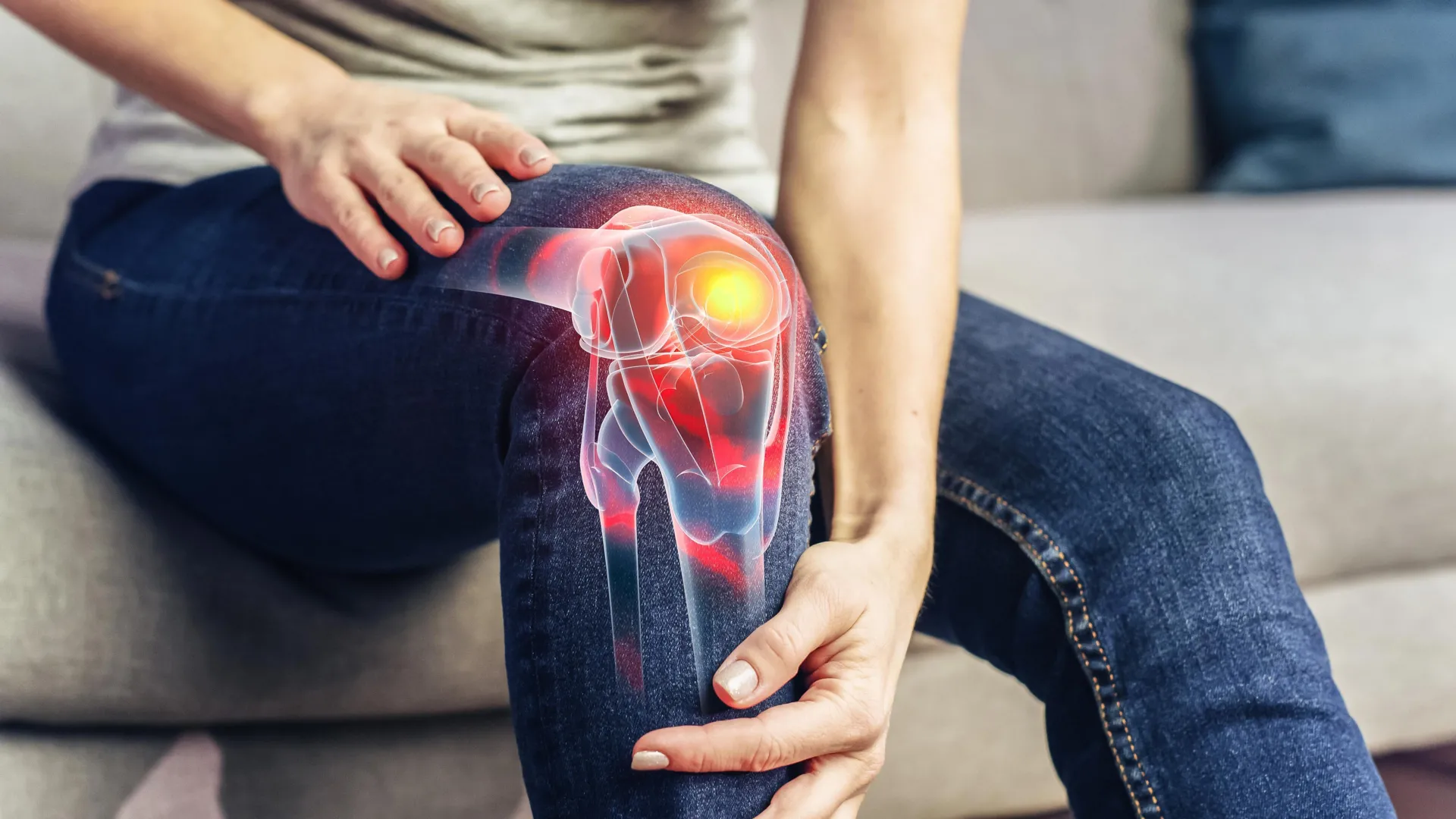
Aging is an inevitable biological process, and for many, it brings a familiar, unwelcome companion: joint discomfort. As the years progress, the structural integrity of our knees, hips, and shoulders often declines, leading to stiffness and pain. However, recent scientific consensus has shifted the narrative from "avoiding activity to protect joints" to "using motion to preserve them." By understanding the mechanics of cartilage and the role of synovial fluid, individuals can adopt targeted exercise regimens that not only mitigate pain but potentially stall the progression of age-related joint degradation.
Main Facts: The Anatomy of Joint Longevity
At the heart of the joint-aging conversation is articular cartilage, a specialized, tough, and flexible connective tissue that caps the ends of our bones. This tissue serves two critical purposes: it provides a smooth, low-friction surface for movement and acts as a shock absorber for the skeletal system.
Complementing this structure is synovial fluid, a viscous lubricant that fills the joint capsule. Beyond simply reducing friction, this fluid is the lifeblood of the joint; because cartilage lacks a direct blood supply—a condition known as being avascular—it relies entirely on the diffusion of nutrients from synovial fluid to maintain its health and structural integrity.
As we age, the volume of this fluid decreases, and the cartilage begins to thin and fray. This deterioration is the primary driver of osteoarthritis, a degenerative condition currently affecting more than 500 million people worldwide. Unlike skin or muscle, which possess robust regenerative capabilities, cartilage has a notoriously poor capacity for self-repair. When it breaks down, the friction between bone ends increases, leading to inflammation, swelling, and the chronic pain that often discourages physical activity.
Chronology: The Progressive Decline and the Role of Proprioception
The decline of joint health is rarely an overnight phenomenon. It is a slow, cumulative process marked by several physiological milestones:
- Early Adulthood: The joint tissues remain highly hydrated and resilient. Synovial fluid is abundant, and the "glide" of the joints is optimal.
- Mid-Life: Micro-traumas from years of activity begin to accumulate. The body’s ability to replenish synovial fluid slightly diminishes, and the elasticity of the cartilage begins to wane.
- The Senior Years: Proprioception—the body’s innate sense of its position in space—begins to decline. This neurological fading is crucial; when the brain cannot accurately register the position of a joint, the body often compensates by shifting weight unevenly. This "mal-loading" accelerates the wear-and-tear of specific surfaces within the joint, creating a vicious cycle of damage and further sensory loss.
Modern research highlights that this cycle can be interrupted. By engaging in specific types of movement, we can maintain the neurological pathways of proprioception and the mechanical health of the cartilage simultaneously.
Supporting Data: Why "Motion is Lotion"
The evidence supporting exercise as a primary intervention for joint health is overwhelming. A landmark Cochrane review—the gold standard in medical evidence—assessed the impact of exercise on knee osteoarthritis. The findings were definitive: regular, structured movement reduces pain and improves joint function as effectively as anti-inflammatory medication, but without the systemic side effects associated with long-term drug use.
The Power of Muscle Protection
Muscles act as the body’s primary shock absorbers. Research consistently demonstrates that strengthening the muscles surrounding a joint—particularly the quadriceps for the knee—significantly reduces the peak pressure placed on the articular cartilage. Strengthening these "muscular braces" ensures that the forces generated during walking or standing are absorbed by the muscle fibers rather than the bone ends.
The Fluid Dynamics of Movement
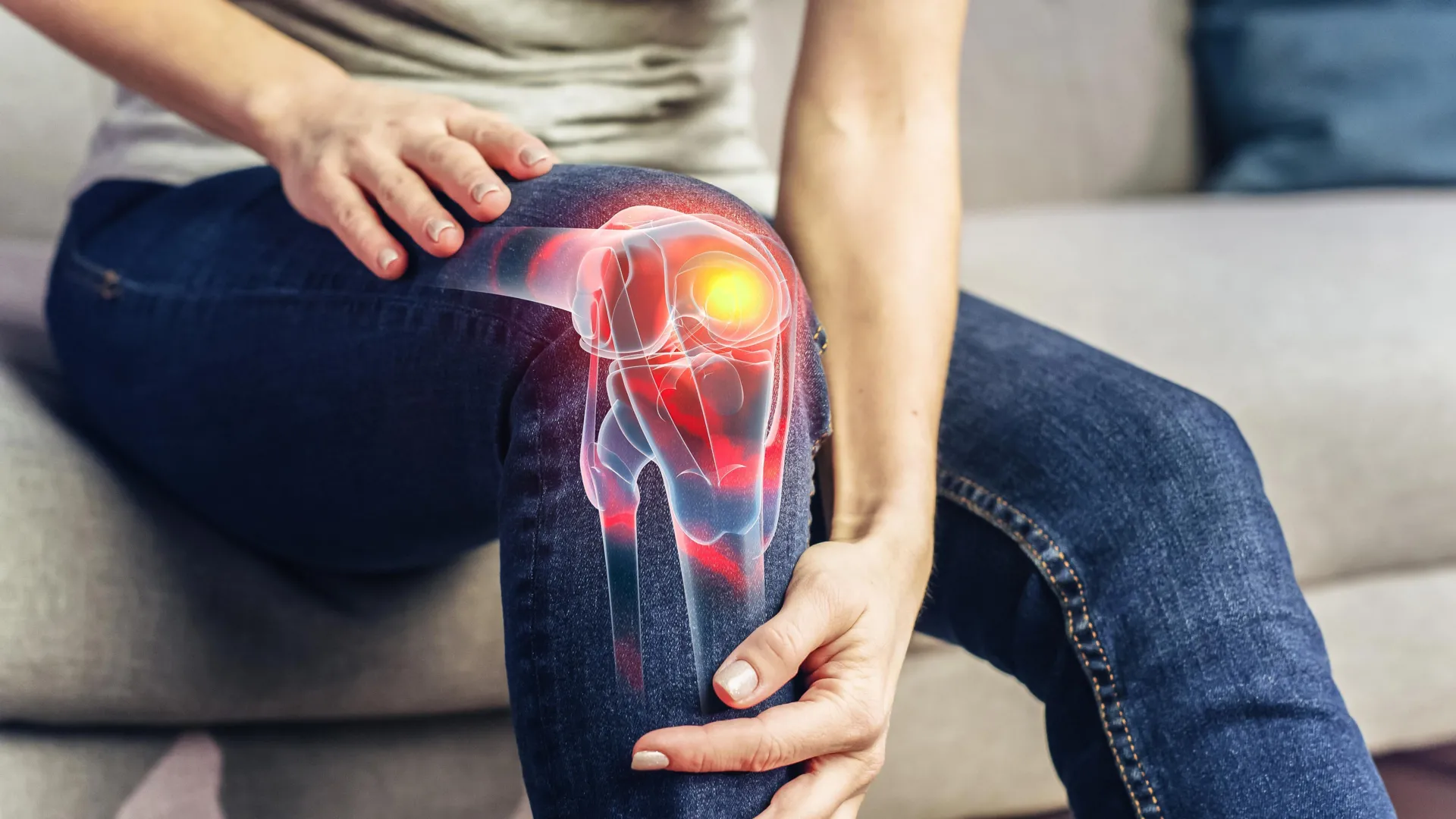
Movement is the pump for the joint. When we move, we compress and release the cartilage, essentially "squeezing" synovial fluid in and out of the tissue. This mechanical process is the only way to deliver nutrients to the cartilage and clear away metabolic waste products. Without movement, the joint effectively "starves," accelerating the degenerative process.
The Impact of Unstable Surfaces
Perhaps the most intriguing data comes from studies on "unstable surface training." By walking on uneven terrain—such as grass, gravel, or sand—or practicing balance exercises, the body is forced to recruit stabilizing muscles that remain dormant during steady-state treadmill walking. This constant, micro-adjusting movement keeps the joint capsule flexible and sharpens the brain’s proprioceptive feedback loops, reducing the risk of falls, which remain a leading cause of injury-related mortality in adults over 65.
Official Perspectives and Clinical Approaches
Medical organizations, including the American Academy of Orthopaedic Surgeons (AAOS), increasingly advocate for a "conservative-first" approach to joint care. This shift prioritizes physical therapy and low-impact exercise over early surgical intervention.
Physiotherapists emphasize that the "design" of an exercise program is just as important as the act of exercising. For instance, while high-impact activities like sprinting might cause excessive stress on already thinned cartilage, low-impact alternatives provide all the benefits of motion without the punishing forces of ground impact.
- Aquatic Therapy: Swimming and water aerobics are considered the "gold standard" for joint relief. Water supports up to 90% of body weight, allowing for high-repetition movement without gravity-induced joint stress.
- Tai Chi and Yoga: These disciplines focus on controlled, fluid motion and deep breathing. Research indicates that Tai Chi is as effective as physical therapy for knee pain, as it emphasizes slow, deliberate weight-shifting that strengthens the stabilizers around the knee and hip.
- Cycling: By removing the impact of foot-striking the ground, cycling provides an excellent mechanism for cycling synovial fluid through the knee joint while building the quadriceps and hamstrings.
Implications: Building a Sustainable Future
The implications for public health are profound. If the global population of older adults adopts even moderate, low-impact exercise habits, the burden of disability caused by osteoarthritis could be significantly reduced.
How to Safely Initiate a Joint-Health Program
For those who have been sedentary, the transition to an active lifestyle should be methodical:
- Start Small: Begin with ten minutes of walking on varied terrain. The simple act of stepping on grass or sand forces the ankle, knee, and hip to recalibrate, stimulating proprioception.
- Practice Static Balance: Incorporate "brush-your-teeth" balance exercises. Standing on one leg for 30 seconds while near a sink for support helps build the foundational stability required for more complex movements.
- Utilize Support: Never hesitate to use walking poles or stable furniture for balance. The goal is to challenge the joints, not to risk a fall.
- Professional Consultation: Before beginning a new regimen, seek the guidance of an exercise physiologist or physical therapist. They can perform a gait analysis and identify imbalances that, if left unaddressed, might lead to injury.
The Bottom Line
The aging of our joints is a biological reality, but it is not a sentence to immobility. By viewing our joints as dynamic systems that require consistent, strategic stimulation rather than static preservation, we can maintain functional independence well into our later years.
The science is clear: the path to healthy aging is paved with consistent, low-impact movement. Whether it is a daily walk on a local trail, a gentle yoga flow, or a session in the pool, every movement is an investment in the longevity of your joints. As we look toward a future with a larger aging population, the shift toward "motion as medicine" will prove to be one of the most effective strategies for maintaining quality of life, autonomy, and physical freedom. The joints you have are the only ones you get; it is time to start moving them with the care and intent they deserve.