



In the rapidly evolving landscape of cardiology, innovation is often synonymous with expensive, high-tech interventions and novel pharmaceutical compounds. However, a landmark series of studies led by cardiologists at the University Medical Center Groningen (UMCG)—Dirk Jan van Veldhuisen, Kevin Damman, and Peter van der Meer—has turned the spotlight back to one of the oldest medications in the medical arsenal: digoxin.
The findings, recently published in prestigious journals including Nature Medicine and the Journal of the American Medical Association (JAMA), suggest that a low-dose regimen of this centuries-old drug could serve as a powerful "fifth pillar" in the treatment of heart failure, potentially preventing thousands of hospitalizations and reducing mortality. Perhaps most compelling is the drug’s accessibility: at less than ten cents a day, it offers a cost-effective solution to a growing global health crisis.
The Scale of the Crisis: A Growing Heart Failure Epidemic
Heart failure represents a significant and escalating challenge for global healthcare systems. In the Netherlands alone, more than 500,000 individuals suffer from the condition, and epidemiological trends suggest that this figure will continue to rise as the population ages.
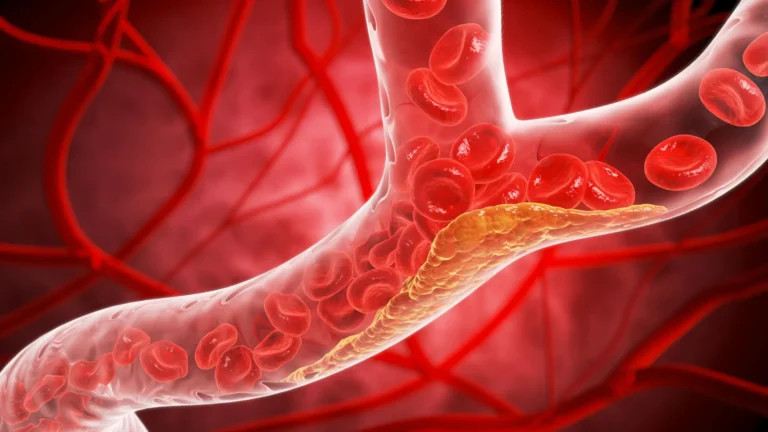
At its core, heart failure is a clinical syndrome where the heart muscle loses its ability to pump blood with the efficiency required to meet the body’s metabolic demands. This physiological breakdown manifests as debilitating symptoms: severe shortness of breath, profound fatigue, and a diminished quality of life. For patients, these symptoms often lead to a "revolving door" scenario—repeated hospital admissions that are physically, emotionally, and financially taxing.
Chronology: From Digitalis to Data-Driven Medicine
The history of digoxin—derived from the foxglove plant—dates back centuries, long before the advent of modern clinical trials. Throughout the 20th century, it was a cornerstone of heart failure treatment. However, its reputation became complicated as medical understanding evolved.
The Era of High-Dose Uncertainty
Historically, doctors prescribed higher doses of digoxin to force the heart to contract more vigorously. While this addressed the immediate need for improved pumping, long-term outcomes were inconsistent, and the drug’s narrow therapeutic window led to concerns regarding toxicity. Over the past three decades, as a new generation of sophisticated heart failure medications—the so-called "Fantastic Four"—emerged, the use of digoxin plummeted. Today, it is utilized in only about 15 percent of heart failure patients.
The UMCG Research Initiative
Recognizing a gap in current therapeutic guidelines, the UMCG team initiated a rigorous, multi-year research program. The goal was to determine if low-dose digoxin, when used as an adjunct to the standard "Fantastic Four" regimen, could provide additive protection.
- The Primary Trial: The researchers conducted a randomized, double-blind, placebo-controlled study involving 1,000 patients across 43 centers in the Netherlands. Participants were followed for an average of three years.
- The Meta-Analysis: Recognizing that individual trials sometimes lack the power to show statistically significant mortality reductions, the team performed a meta-analysis, incorporating data from two earlier, smaller studies to create a more robust dataset.
- The Discontinuation Study: A follow-up investigation examined approximately 600 of the original participants to see how the withdrawal of the drug impacted patient health, providing unique insights into the drug’s ongoing physiological necessity.
Supporting Data: Evidence of Efficacy
The clinical data generated by the UMCG team provides a compelling case for the re-evaluation of digoxin in modern cardiology.
Reducing the Burden of Hospitalization
The most striking result from the primary trial was the impact on hospital admissions. Patients receiving a low dose of digoxin experienced a 25 percent reduction in heart failure-related hospitalizations compared to those receiving a placebo. In the context of chronic heart failure management, this reduction represents a transformative improvement in patient stability and quality of life.
Mortality and Combined Outcomes
While the primary trial showed a 19 percent reduction in cardiovascular deaths and worsening heart failure, the initial result did not reach the threshold for absolute statistical significance on its own. However, once the UMCG researchers pooled their data with historical trials, the picture became clear. The combined analysis demonstrated a statistically significant benefit, proving that even when added to the "Fantastic Four," low-dose digoxin provides measurable clinical protection.
The "Withdrawal" Phenomenon
Perhaps the most surprising evidence came from the follow-up study of 600 patients. Researchers monitored individuals who were forced to stop their digoxin regimen. The findings were stark: those who stopped the medication experienced significantly more adverse events within the first six weeks compared to those who had never taken it. Specifically, out of 288 patients who ceased treatment, 14 suffered either a severe health crisis leading to hospitalization or death. This "rebound" effect suggests that the drug plays a vital, stabilizing role in the heart’s compensatory mechanisms.
Official Responses and Clinical Implications
The medical community has reacted with cautious optimism. Leading cardiologists note that the UMCG research addresses a long-standing "blind spot" in cardiology: the lack of high-quality, modern randomized data for older, off-patent drugs.
Why "Low Dose" Changes Everything
The researchers emphasize that the mechanism of action for low-dose digoxin is fundamentally different from the high-dose strategies of the past. Rather than acting as a simple "pump-stimulant," low-dose digoxin acts to reduce harmful compensatory responses. In a failing heart, the body often overcompensates by releasing excess stress hormones, such as adrenaline. These hormones, while initially helpful, eventually become toxic to the heart muscle. Low-dose digoxin appears to suppress these hormones, effectively "calming" the heart and reducing chronic strain.
Potential for Guideline Revision
The UMCG team believes these findings are strong enough to eventually influence international heart failure treatment guidelines. By integrating digoxin as an affordable fifth pillar of therapy, clinicians could potentially stabilize patients who remain symptomatic despite receiving standard care.
Implications: A Victory for Cost-Effective Medicine
In an era where the cost of new pharmaceutical therapies can reach thousands of euros per month, the economic implications of the UMCG study are profound.
The Economics of Care
Digoxin costs less than ten cents per day. When scaled across the hundreds of thousands of patients living with heart failure, the potential for savings is massive—not only in drug costs but, more importantly, in the reduction of hospital stays, which are the primary driver of heart failure expenditure.
The Funding Challenge
One of the most significant barriers to this research was funding. Because digoxin is an off-patent, inexpensive drug, there is little financial incentive for private pharmaceutical companies to invest in large-scale clinical trials. The UMCG research was only made possible through the support of the Hartstichting (Dutch Heart Foundation), which invested 3 million euros through its collaboration with ZonMw’s "Good Use of Medicines" program. This highlights a critical need for public and non-profit funding to explore the potential of existing medications.
Conclusion: A New Future for an Old Friend
The UMCG studies serve as a reminder that innovation is not always about discovering something new; sometimes, it is about re-discovering the hidden potential of what we already have. By applying rigorous, modern scientific standards to a classic medication, the researchers have opened a door to better, more accessible, and more affordable care.
For the hundreds of thousands of patients currently struggling with the symptoms of heart failure, the "foxglove" may soon find itself back at the center of the treatment table—not as a relic of the past, but as a vital tool for a healthier, more stable future.