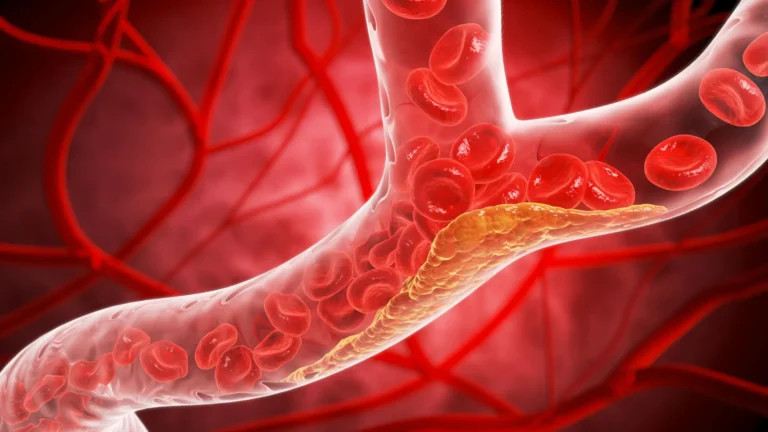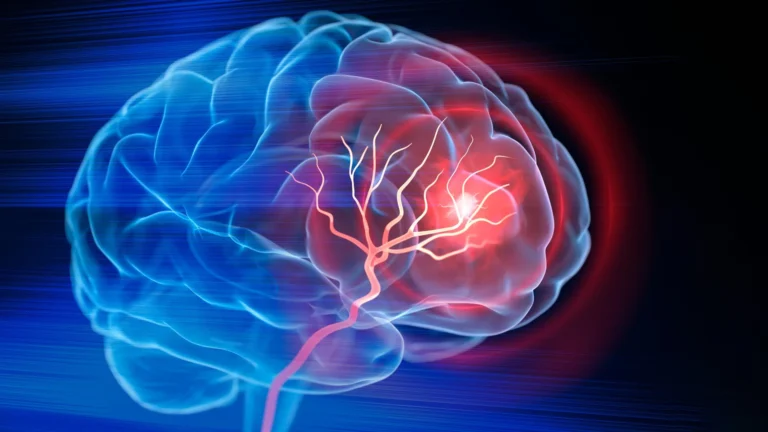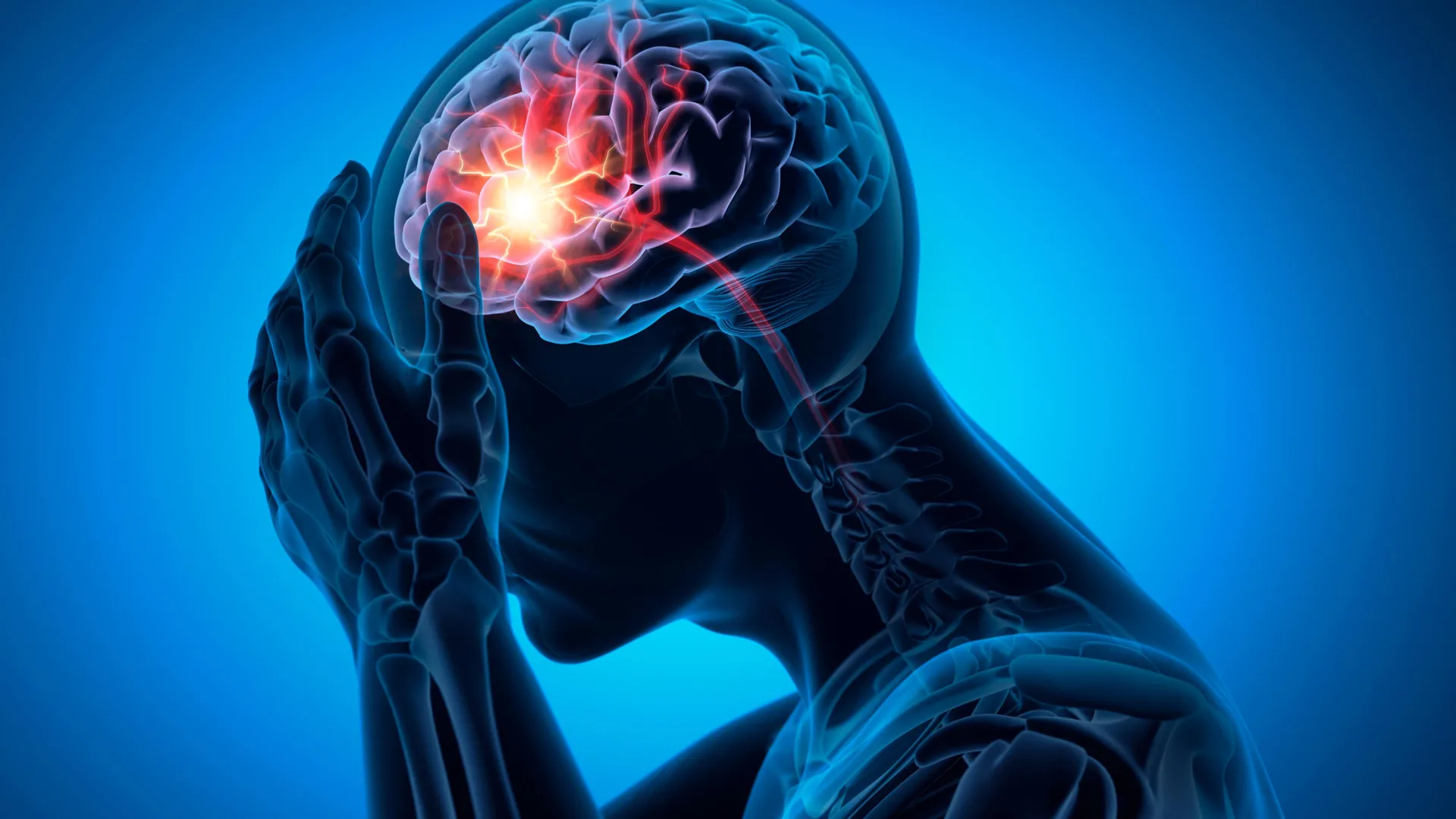
In a paradigm-shifting discovery that promises to reshape the landscape of neurology, an international team of researchers has uncovered evidence that challenges the foundational understanding of lacunar ischemic strokes. For decades, the medical community has operated under the assumption that these strokes—a significant driver of cognitive decline and physical disability—were primarily the result of fatty plaque buildup narrowing the arteries, much like the process seen in heart attacks.
New findings published in the journal Circulation suggest that this conventional wisdom is fundamentally flawed. Instead of arterial narrowing, the research points to the structural degradation of the brain’s smallest blood vessels, characterized specifically by their widening and elongation, as the primary culprit. This revelation offers a long-sought explanation for why standard stroke prevention therapies, such as aspirin and antiplatelet agents, have historically failed to provide adequate protection for patients suffering from lacunar disease.
Main Facts: A Shift in Pathophysiology
Lacunar stroke is a subtype of ischemic stroke that occurs when the brain’s deepest, smallest blood vessels are compromised by small vessel disease (SVD). While these events are often referred to as "minor" or "mild" due to the initial presentation of symptoms, their long-term consequences are anything but trivial. They are deeply linked to the progression of dementia, cognitive impairment, and the silent accumulation of further brain damage over time.
The study, conducted by researchers at the University of Edinburgh and the UK Dementia Research Institute, alongside collaborators from China and Mexico, moved beyond the traditional "clogged pipe" hypothesis. By utilizing high-resolution MRI scans, the team was able to distinguish between two distinct vascular phenomena: the narrowing of larger arteries due to atherosclerosis and the morphological changes—widening and lengthening—of the microvasculature within the brain.
The results were striking. Narrowing of larger arteries showed no correlation with the incidence of lacunar stroke or the progression of small vessel disease. Conversely, the widening of these tiny vessels was identified as a powerful biomarker, with affected patients being more than four times more likely to have experienced a lacunar stroke.
Chronology of the Investigation
The path to this discovery was paved by a longitudinal study involving 229 participants. Each individual had recently experienced either a lacunar stroke or a mild non-lacunar stroke, providing a controlled environment to contrast the two vascular mechanisms.
Phase 1: Baseline Evaluation
Upon recruitment, participants underwent a comprehensive series of clinical and cognitive assessments. Crucially, they were subjected to immediate MRI brain scans to establish a baseline for their neurological health, mapping out the existing state of their cerebral blood vessels and identifying any pre-existing lesions or areas of compromised blood flow.
Phase 2: Monitoring and Progression
The researchers followed the cohort over a one-year period. During this time, participants continued to receive standard clinical care, which included traditional antiplatelet medications. At the end of the 12-month window, the patients returned for repeat MRI scans. This second look was vital; it allowed the scientists to monitor the progression of small vessel disease in real-time and observe any new areas of "silent" brain injury—small, often asymptomatic strokes that occur when blood supply is interrupted.
Phase 3: Comparative Analysis
The final phase involved a rigorous statistical comparison between the two vascular variables. By analyzing the longitudinal data, the team determined that the structural decay of the microvasculature was the primary driver of disease progression, regardless of the patient’s status regarding large-artery atherosclerosis.
Supporting Data: The Evidence Against the Status Quo
The data generated by the study serves as a stark indictment of current treatment protocols. Among the 229 participants, more than one in four experienced "silent" strokes during the one-year follow-up period. This occurred despite the fact that these patients were being treated with the standard-of-care medications typically prescribed to prevent such events.
The correlation between artery widening and disease severity was statistically significant:
- Predictive Power: Patients exhibiting arterial widening were over 400% more likely to experience a lacunar stroke.
- Disease Progression: Artery widening was consistently associated with more severe small vessel disease and faster rates of brain tissue damage.
- Failure of Current Standards: The persistent occurrence of silent strokes among patients on antiplatelet therapy provides empirical evidence that targeting platelets—which are involved in blood clotting—is ineffective when the underlying pathology is a structural, degenerative change in the vessel wall rather than a blockage by fatty debris.
Official Responses and Expert Perspective
The scientific community has reacted with significant interest, noting that the study provides a concrete roadmap for future drug development. Professor Joanna Wardlaw, a leading expert in applied neuroimaging at the University of Edinburgh and the study’s lead, emphasized the gravity of these findings.
"This study provides strong evidence that lacunar stroke is not caused by fatty blockage of larger arteries, but by disease of the small vessels within the brain itself," Professor Wardlaw stated. "Recognising this distinction is crucial, because it explains why conventional treatments like antiplatelet drugs are not as effective for this type of stroke and highlights the urgent need to develop new therapies that target the underlying microvascular damage."
The research has received broad institutional backing, reflecting the global consensus on the importance of this work. The study was funded by a consortium of major health organizations, including the UK Dementia Research Institute, the Stroke Association, the British Heart Foundation, the Wellcome Trust, and the Leducq Foundation. This level of institutional investment underscores the potential for these findings to transition rapidly from the research lab to clinical trials.
Implications for Future Treatment Strategies
The implications of this research are transformative for stroke medicine. If the medical community accepts that lacunar stroke is a disease of the structural integrity of micro-vessels, the focus of pharmacology must shift from "blood thinning" to "vessel protection."
The LACI-3 Trial
The study is already informing active clinical trials, most notably the LACunar Intervention Trial 3 (LACI-3). This trial is testing whether medications designed to protect and support the brain’s smallest blood vessels can succeed where traditional antiplatelets have failed. Specifically, researchers are investigating drugs like cilostazol and isosorbide mononitrate. These medications work through mechanisms that differ vastly from standard blood thinners, aiming to improve vascular tone, reduce endothelial damage, and stabilize the delicate microvascular architecture.
Redefining Cognitive Health
Beyond immediate stroke prevention, the findings have profound implications for dementia research. Because small vessel disease is a known contributor to cognitive decline and vascular dementia, identifying and treating the structural widening of brain arteries could, in theory, slow or even prevent the onset of age-related cognitive impairment.
A New Diagnostic Standard
Clinicians may soon need to change how they read MRI scans. Rather than looking solely for evidence of clots or large-scale plaque, radiologists and neurologists are now encouraged to look for the structural markers of vessel widening as a warning sign for high-risk patients. This could lead to a more personalized approach to stroke prevention, where patients at risk for lacunar stroke are identified years before a major incident occurs.
Conclusion: A New Era in Stroke Care
The research published in Circulation represents a watershed moment in cardiovascular and neurological science. By deconstructing the long-held myth that lacunar strokes are simply "mini" versions of large-artery atherosclerosis, the research team has opened the door to a new generation of targeted therapies.
As the medical field pivots to address the structural integrity of the brain’s micro-vessels, the prospect of reducing the burden of disability and dementia associated with lacunar strokes becomes significantly more tangible. The findings do not merely suggest a different way of looking at a disease; they provide the necessary justification to abandon ineffective treatments and invest in innovative, precision-based medicine designed to preserve the brain’s most delicate and vital infrastructure. With ongoing trials like LACI-3, the future of stroke care looks increasingly focused on the preservation of vessel health, marking a hopeful departure from decades of clinical stagnation.