In a move underscoring the fragility of the modern produce supply chain, Taylor Fresh Foods has issued a voluntary recall for a variety of prepared food products containing jalapeños, citing potential contamination with Salmonella. This development arrives on the heels of a separate, high-profile health crisis involving Cyclospora, further intensifying scrutiny on food safety protocols in the United States.
The Scope of the Recall
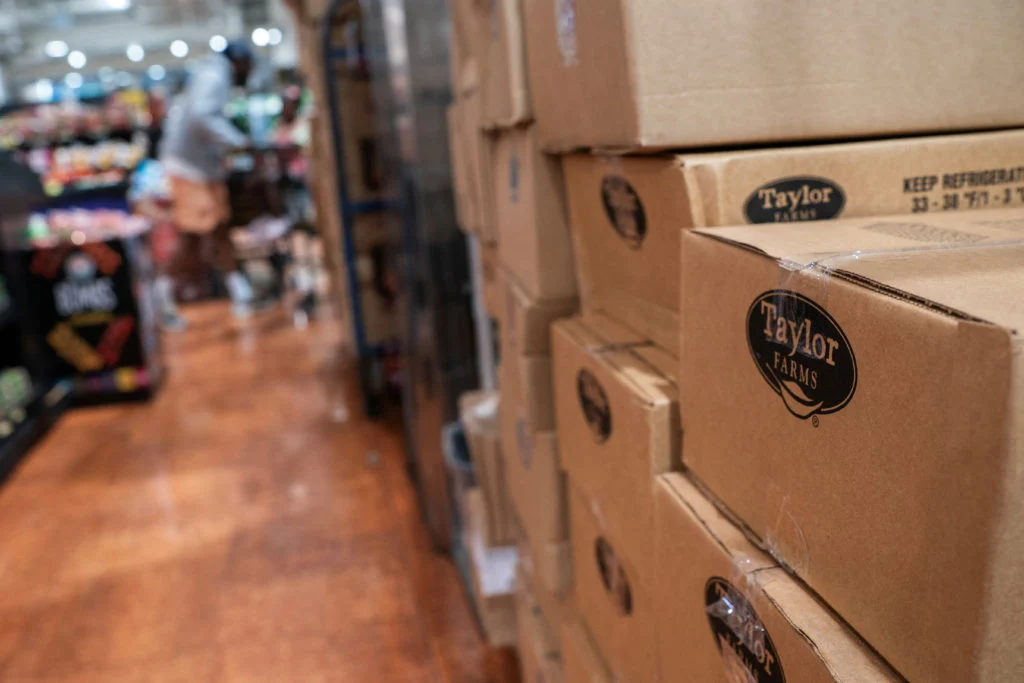
Taylor Fresh Foods, the parent company of the industry giant Taylor Farms, has taken swift action to pull products from shelves across the country. The recall encompasses an array of popular ready-to-eat items, including guacamole, pico de gallo, and various taco dips. The affected products were distributed to major national retailers, including Kroger, Stop & Shop, Target, Whole Foods, Trader Joe’s, and Walmart.
The recall specifically targets products with a "Best If Used By" date up to and including August 16, 2026. While the company has not yet received reports of illnesses directly linked to its own products, the precautionary measure is intended to mitigate the risk of foodborne infection as federal health agencies continue their investigation into the source of the pathogen.
Chronology: A Series of Supply Chain Disruptions
To understand the gravity of the current situation, one must view it within the context of recent weeks. The food industry has been reeling from a series of safety-related setbacks.
- Mid-August 2025: Taylor Farms issued a voluntary recall for iceberg lettuce sourced from central Mexico. This initial recall was triggered by a potential link to a multistate Cyclospora outbreak, which has resulted in reported illnesses across several U.S. states.
- Late August 2025: Following the Cyclospora investigation, federal authorities identified a potential Salmonella contamination issue stemming from a different supplier.
- The Chain Reaction: Coast Citrus Distributors, a supplier to Taylor Fresh Foods, initiated a voluntary recall of fresh jalapeños after testing revealed the potential for Salmonella contamination. Upon being notified of this contamination in their raw material supply, Taylor Fresh Foods acted immediately to recall its own prepared products that utilized these specific peppers.
- Current Status: As of late August, the FDA and CDC are working in tandem with state and local health departments to map the extent of the Salmonella outbreak. The grower responsible for the tainted jalapeños—located in Sinaloa, Mexico—has been identified as the potential source. Taylor Fresh Foods has severed ties with this grower and is transitioning to alternative suppliers to ensure the integrity of their future product lines.
The Science of Salmonella and Cyclospora
The dual threat of Salmonella and Cyclospora presents a complex challenge for public health officials.
Salmonella is a genus of bacteria that is a common cause of foodborne illness worldwide. It typically lives in the intestinal tracts of animals and humans and is shed through feces. Contamination often occurs when produce comes into contact with contaminated water or soil, or through inadequate hygiene practices during harvesting and processing. Symptoms include diarrhea, fever, and abdominal cramps, usually appearing within six hours to six days after infection. While most people recover without specific treatment, severe cases can require hospitalization.
Cyclospora, by contrast, is a microscopic parasite that causes an intestinal infection known as cyclosporiasis. It is transmitted by consuming food or water contaminated with the parasite. Unlike Salmonella, which can grow in food, Cyclospora does not grow in food; it only requires it as a vehicle for transport. The outbreaks of both pathogens within such a short window have raised significant alarms regarding the standards of agricultural operations in the regions supplying the U.S. market.
Official Responses and Regulatory Oversight
The Food and Drug Administration (FDA) and the Centers for Disease Control and Prevention (CDC) have been highly active in the investigation. Their focus is not only on the immediate recall of the products but also on the systemic failure that allowed contaminated produce to enter the U.S. supply chain.
In a statement regarding the ongoing investigations, federal officials emphasized that "food safety is a shared responsibility." They are currently conducting environmental assessments at the Mexican growing sites linked to the outbreaks. The investigation into the Sinaloa-based grower is ongoing, and officials are looking into whether irrigation practices or post-harvest handling contributed to the contamination.
Taylor Fresh Foods has cooperated fully with regulatory bodies. Their corporate response has focused on transparency and rapid remediation. "We have taken these steps out of an abundance of caution," a company spokesperson noted. "Our priority remains the health and safety of our consumers, and we are working tirelessly to ensure that our supply chain meets the highest standards of safety."
Implications for the U.S. Food Supply Chain
This incident has ignited a broader conversation about the "Just-in-Time" supply chain model that dominates the grocery industry. When retailers and manufacturers source ingredients from across international borders, the complexity of oversight increases exponentially.
The Vulnerability of Fresh Produce
Fresh produce is uniquely susceptible to contamination because it is often consumed raw, meaning there is no "kill step" (like cooking) to eliminate bacteria or parasites before it reaches the consumer. This places the entire burden of safety on the farm-to-table process. The reliance on centralized processing centers, where ingredients from multiple farms are combined—such as in the production of pico de gallo or guacamole—means that a single contaminated batch of jalapeños can contaminate an entire production run, exponentially increasing the number of affected units.
Economic and Consumer Trust Impacts
The economic impact on companies like Taylor Fresh Foods is significant. Beyond the direct costs of product retrieval, disposal, and refunding consumers, there is the long-term risk of brand erosion. Consumers, already anxious about the frequency of food recalls, may become more selective, potentially leading to a decrease in the demand for pre-packaged, ready-to-eat fresh items.
Furthermore, these recalls place an immense burden on retailers. Managing the logistics of a recall—clearing shelves, updating point-of-sale systems, and communicating with customers—requires significant labor and operational resources.
Consumer Guidance: What You Should Do
For those who may have purchased these products, the instructions from health authorities are clear and unequivocal:
- Check Your Fridge: Inspect any store-bought guacamole, salsa, or taco dip. If the item was purchased recently and contains jalapeños, cross-reference the brand and the "Best If Used By" date with the list provided by the FDA or the manufacturer’s website.
- Discard, Do Not Consume: Do not attempt to "wash off" the product or cook it to make it safe. If there is a potential for contamination, the safest course of action is to throw the product away in a sealed bag to prevent cross-contamination in your trash.
- Seek Refunds: Most major retailers are offering full refunds for recalled items. Return the product or a photo of the receipt/label to the place of purchase.
- Monitor Health: If you have consumed these products and begin to experience symptoms such as severe diarrhea, fever, or vomiting, contact your healthcare provider immediately.
For specific inquiries, consumers can contact Taylor Fresh Foods’ dedicated consumer support line at 855-455-0098, available Monday through Friday from 8:00 a.m. to 5:00 p.m. PT.
Conclusion: A Call for Stricter Standards
The current outbreak highlights a critical juncture for the U.S. food safety landscape. As climate change alters water availability and shifts agricultural zones, and as the global trade of fresh produce continues to grow, the industry must evolve. Enhanced testing, more robust traceability systems, and stricter auditing of international suppliers are no longer optional—they are essential requirements for maintaining public health.
As the investigations into the Sinaloa grower and the broader Salmonella and Cyclospora outbreaks continue, the food industry remains under a microscope. The goal of every stakeholder must be to move beyond reactive recalls toward a proactive model that prevents contamination at the source, ensuring that the fresh foods that form the basis of a healthy diet do not become a vector for disease.