








Introduction: The Marathon of Care
In the modern era, caregiving has evolved from a private family matter into a public health imperative. As the population ages, millions of Americans find themselves balancing professional responsibilities, personal lives, and the intensive demands of caring for an aging loved one. Often referred to as the "Sandwich Generation," these individuals are the backbone of the long-term care system. However, this marathon of care is frequently run without adequate support, leading to burnout, physical illness, and mental exhaustion.
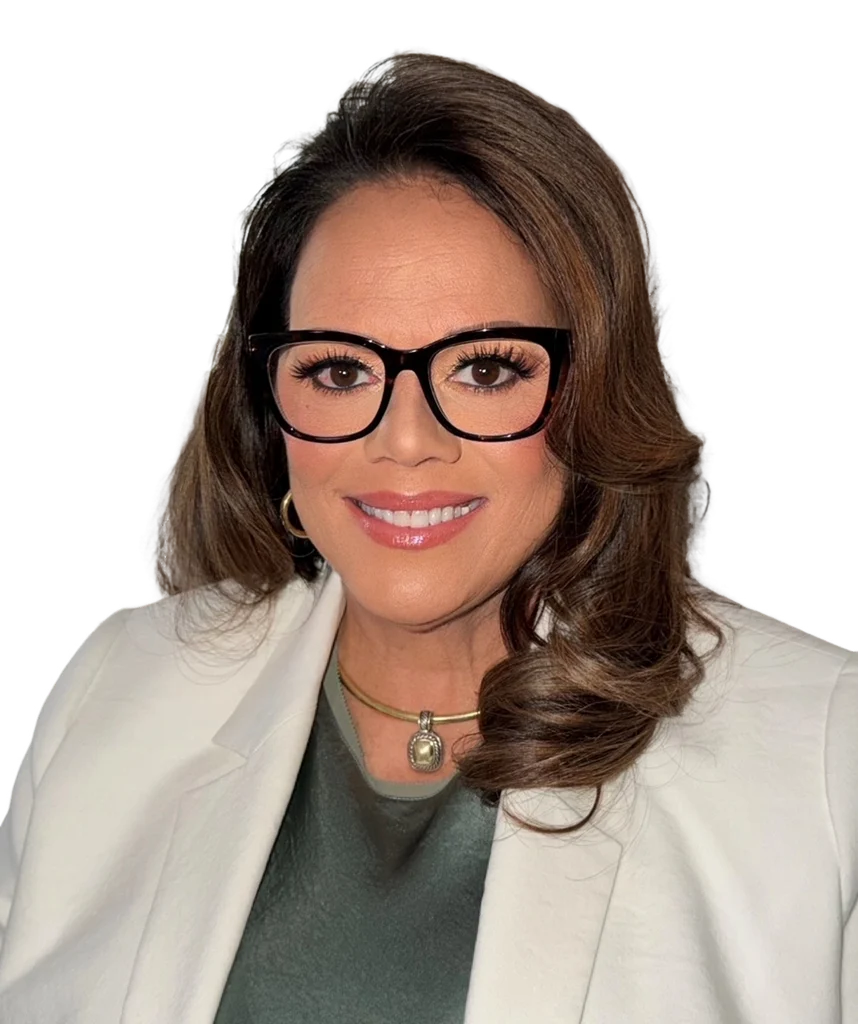
In honor of September’s Self-Care Awareness Month, Sherri Snelling—a renowned corporate gerontologist, author, and CEO of the Caregiving Club—dedicated the 74th episode of her acclaimed podcast, Caregiving Club On Air, to the critical necessity of respite. Joined by Laura Williams, the visionary founder and CEO of Respitely, Snelling explored how a paradigm shift in how we view "caregiver support" could be the key to sustaining the people who sustain our most vulnerable citizens.
The Genesis of a Movement: Laura Williams and Respitely
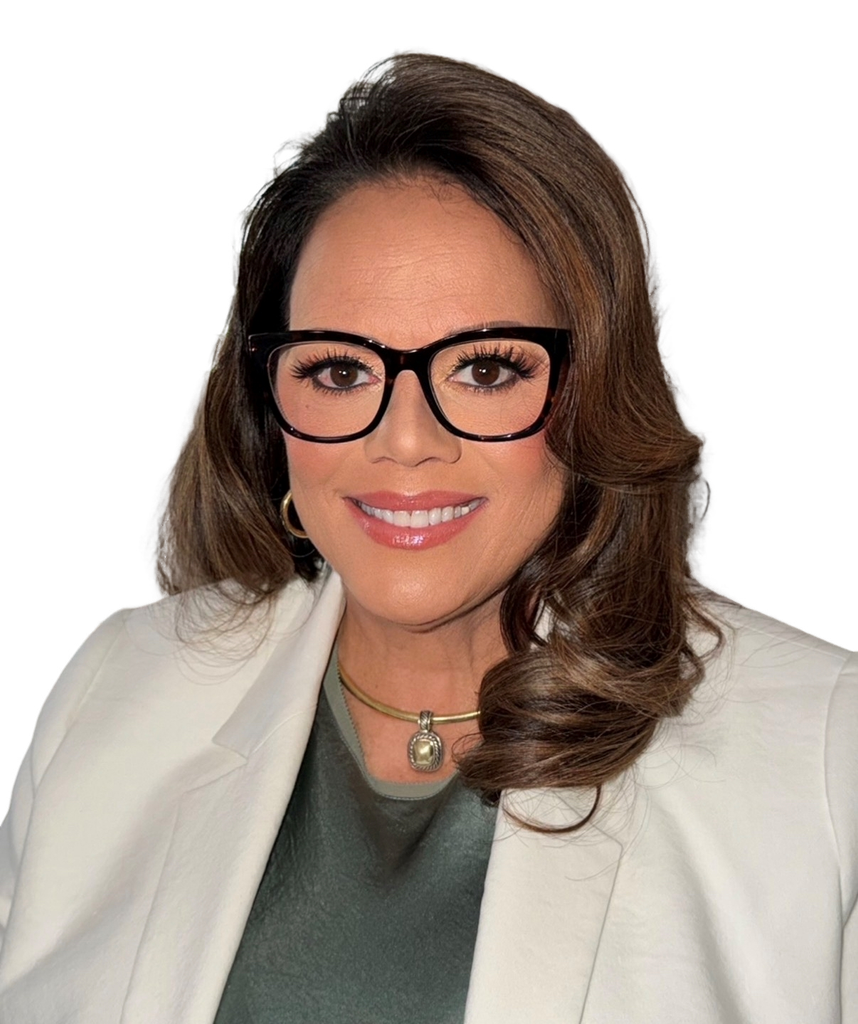
The concept behind Respitely was born not in a boardroom, but in the trenches of daily life. Laura Williams, a working mother who served as a long-distance caregiver for her own mother, experienced firsthand the cognitive and emotional load that defines the caregiving experience. She realized that while society celebrates the caregiver, it rarely provides the tangible tools required to keep them healthy.
"Caregiving is not a sprint; it is an ultramarathon," says Snelling. "To reach the finish line, you must take breaks—both physical and mental. It is the only way to create calm in the chaos."
Williams recognized a gap in the market: while food delivery services like Uber Eats and DoorDash have revolutionized how we handle household convenience, there was no equivalent for the most essential service of all: human relief. Respitely was built to bridge this gap. Unlike traditional caregiving platforms that require the primary caregiver to manage the logistics of booking help, Respitely introduces the concept of "CareGifting." It operates on the premise that those who care about the caregiver—friends, family, and colleagues—should take the initiative to fund and arrange the respite break. It turns the burden of logistics into a communal act of love.
Chronology of the Caregiver’s Burden
To understand the necessity of platforms like Respitely, one must look at the trajectory of the average caregiver’s journey:
- The Onset: The transition into caregiving often happens abruptly, following a health crisis or a slow decline in a loved one’s ability to perform activities of daily living (ADLs).
- The Hidden Phase: In the first 6–12 months, the caregiver absorbs the extra work, often sacrificing sleep, career advancement, and personal health.
- The Saturation Point: By the second year, the cumulative effect of chronic stress begins to manifest as "Caregiver Syndrome," characterized by anxiety, depression, and immune system compromise.
- The Breaking Point: Without a systemic intervention—a scheduled, reliable break—the caregiver reaches a point of physical or emotional collapse, often resulting in the very institutionalization of the loved one they were trying to prevent.
Respitely and similar initiatives aim to intercept this chronology at the "Saturation Point," providing the intervention necessary to reset the caregiver’s capacity to continue.
Supporting Data: Why Respite is a Medical Necessity
The implications of ignoring caregiver burnout are profound. Data consistently shows that caregivers who do not take time for self-care have higher rates of cardiovascular disease, chronic hypertension, and clinical depression.
According to recent studies highlighted by the Caregiving Club, the "Caregiver’s ROI" (Return on Investment) is substantial. When a caregiver receives just four to six hours of respite a week, their ability to provide quality care increases by an estimated 40%. This is not merely a matter of convenience; it is a matter of clinical outcomes. By offloading even a fraction of the physical labor—such as medication management, bathing assistance, or companionship—the caregiver is afforded the mental space to recover their own identity, which is often lost in the role of "provider."
Official Perspectives: The Role of Community and Policy
During the podcast, Snelling and Williams engaged in a deep dive into the systemic hurdles facing caregivers. The conversation emphasized that "CareGifting" is a cultural shift. It moves the needle from asking "What can I do?"—a phrase often met with a vague "I’m fine"—to taking active, funded responsibility for a caregiver’s time off.
The Corporate Perspective
Corporate entities are increasingly recognizing that their employees are also family caregivers. The "Gen C" (Generation Caregiver) movement suggests that companies offering respite-related benefits see a 20% increase in retention and a marked decrease in absenteeism. As noted in Snelling’s work for Care for Business, the future of the workplace relies on shifting from a "benefits checklist" culture to a genuine, empathetic culture of care.
The Public Resource Landscape
While private initiatives like Respitely are leading the charge, they exist within a broader, complex ecosystem. Agencies such as the ARCH National Respite Care Network and the Veteran’s Administration provide structured support for those who qualify. The VA, for instance, offers up to 30 days of respite care per calendar year—a vital lifeline for military families. However, as Williams notes, the complexity of navigating these systems is often a barrier in itself, which is why simplified, user-friendly digital interfaces are the future of social care.

Implications: A New Era of Caregiving
The intersection of technology and empathy is creating a "new normal" for caregivers. The implications of this are three-fold:
- De-stigmatization: By framing respite as a "gift" rather than a "failure," we remove the guilt that prevents caregivers from asking for help.
- Professionalization of Support: Platforms like Care.com and Comfort Keepers have turned companionship into a accessible, vetted commodity, allowing families to find matches that feel less like a clinical intervention and more like an extension of the family circle.
- The Digital Pivot: The migration of caregiving news and resources to platforms like YouTube—as evidenced by the Caregiving Club’s new, free, and accessible channel—ensures that vital information reaches those who have the least time to hunt for it.
Conclusion: The Path Forward
As we move past September’s Self-Care Awareness Month, the conversation must continue. The success of the Caregiving Club On Air podcast—now ranked #3 among caregiving podcasts—is a testament to the fact that caregivers are hungry for guidance, validation, and practical solutions.
Whether it is through the "Me Time Monday" initiative, which encourages seven-minute wellness hacks, or the financial support of a "CareGifting" program through Respitely, the goal remains the same: to ensure that the marathon of caregiving is sustainable. We must stop viewing the caregiver as an inexhaustible resource and start viewing them as an individual who, like everyone else, requires rest to thrive.
As Laura Williams poignantly reminds us, by giving a caregiver a break, you aren’t just giving them a few hours of freedom—you are giving them the longevity to continue the most important work of their lives.

Essential Resources for Caregivers
- Respitely: respitelycares.com – The premier platform for "CareGifting."
- ARCH National Respite Care Network: archrespite.org – National database for agency connections.
- Elder Care Locator: 1-800-677-1116 – Local government-funded resources.
- Hilarity for Charity: wearehfc.org – Grants specifically for dementia caregivers.
- Caregiving Club YouTube: youtube.com/@caregivingclub – For ongoing wellness, news, and "7-minute" self-care hacks.
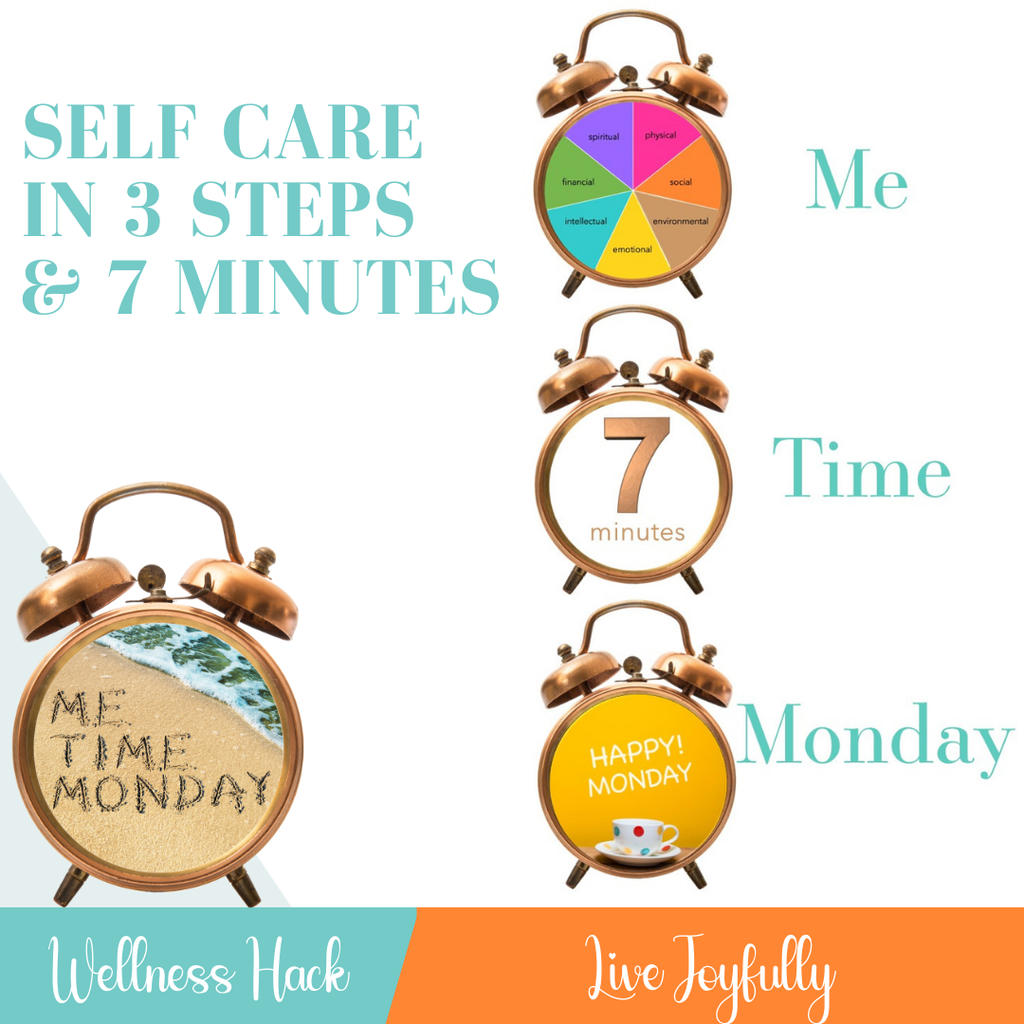
For those interested in diving deeper, Sherri Snelling’s "Me Time Monday" book and workshops provide a structured framework for implementing self-care into even the most chaotic schedules.