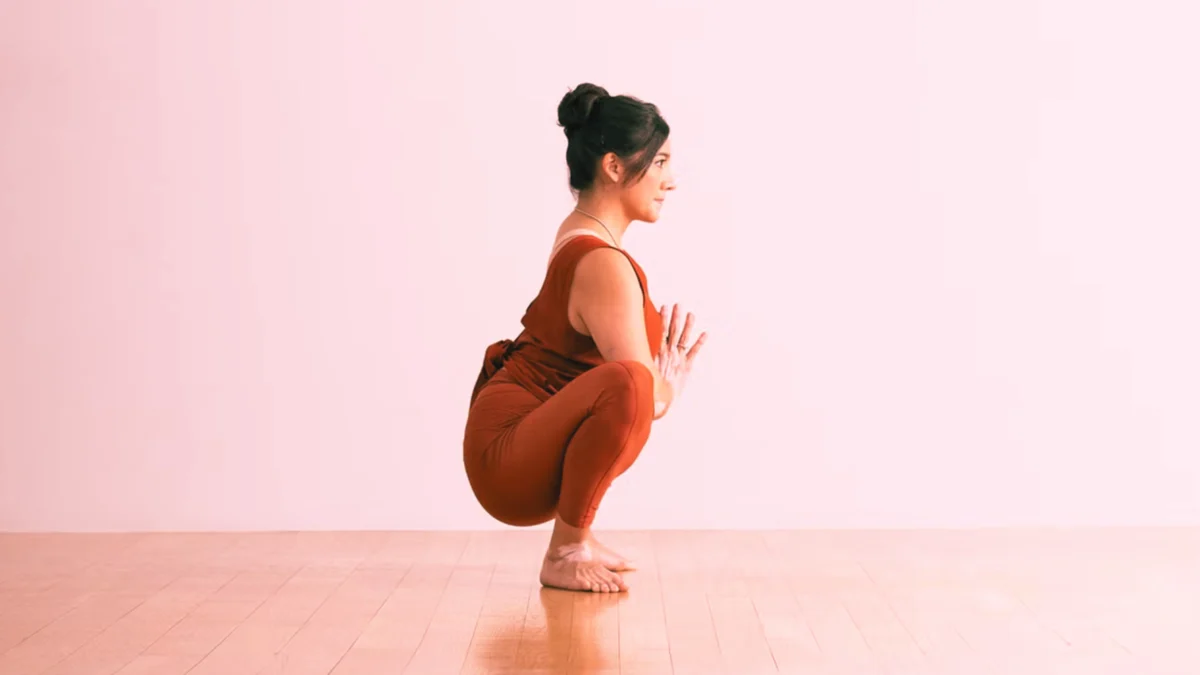
When the word "squat" is mentioned in a contemporary fitness context, the mind often drifts to the repetitive, high-intensity movements popularized by gym culture and social media influencers. We envision heavy barbells, rapid repetitions, and the singular goal of muscle hypertrophy. However, in the ancient tradition of yoga, the squat—known as Malasana or Garland Pose—is a vastly different endeavor. It is not merely a mechanism for building strength, but a meditative practice requiring a profound balance between muscular engagement and intentional stillness.
As we navigate an increasingly sedentary world, the ability to sit comfortably in a deep squat has become a lost fundamental human movement. Reclaiming this posture is not just a feat of athleticism; it is a vital step toward restoring pelvic health, lower-body mobility, and functional longevity.
The Catch-22 of Modern Mobility
For many, the transition into Malasana feels like a physical paradox. On one hand, the pose is a potent remedy for the stiffness caused by hours of chair-bound work. On the other, that same sedentary lifestyle often leaves the hips, ankles, and lower back so restricted that the pose feels entirely inaccessible. When the body is conditioned to remain at 90-degree angles—sitting at desks, in cars, and on sofas—the deep flexion required for Malasana can signal alarm to the nervous system.
The challenge, therefore, is not about "forcing" the body into a shape it isn’t ready for, but rather systematically unlocking the joints involved. By integrating targeted preparatory movements into your daily routine, you can bridge the gap between restriction and freedom.
Anatomy of the Challenge: Why Malasana is Difficult
To master Garland Pose, one must address three primary physiological bottlenecks:
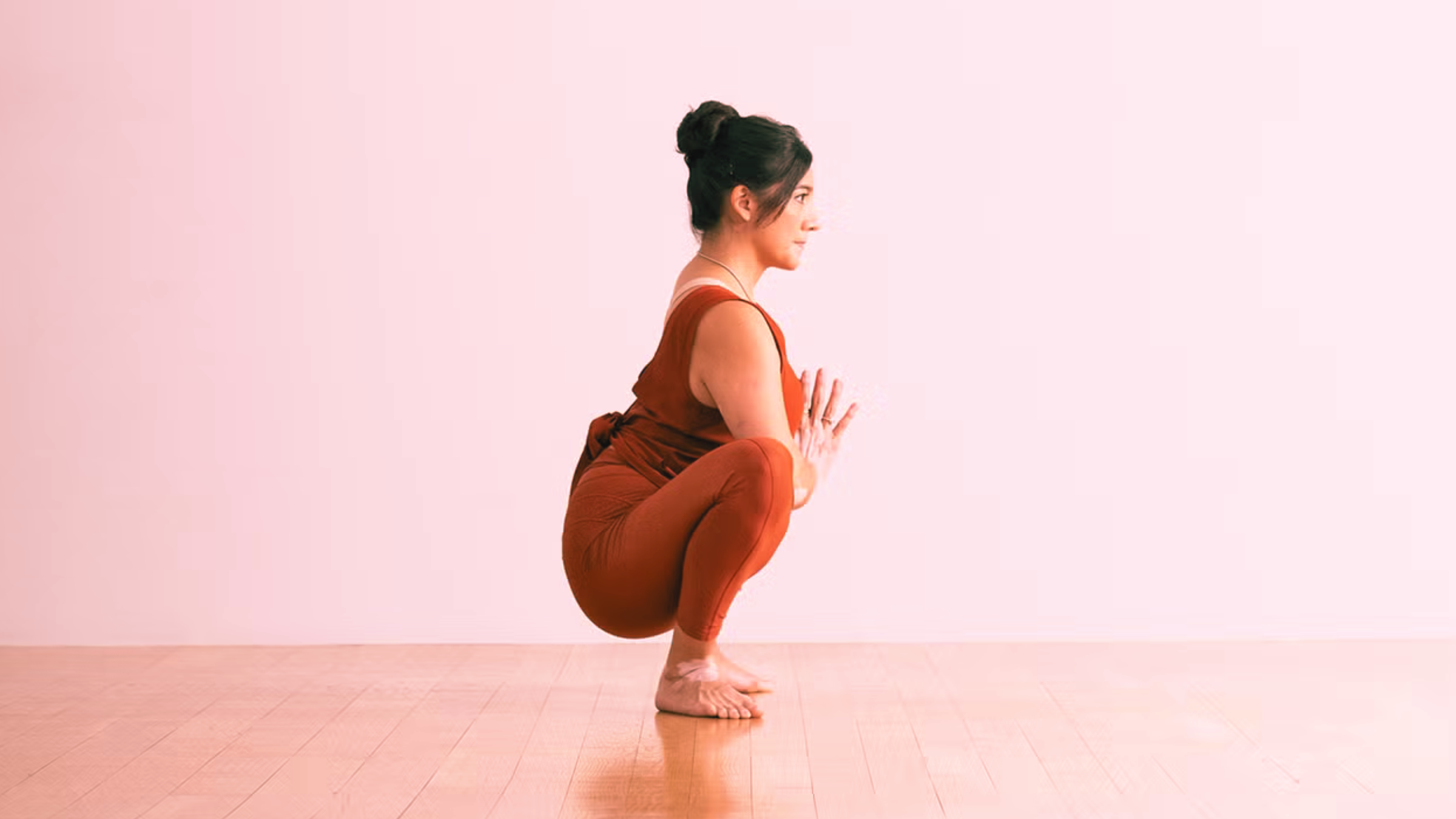
- Ankle Dorsiflexion: If your ankles are tight, your heels will struggle to remain grounded. A squat without grounded heels shifts the center of gravity forward, forcing the lower back to compensate and potentially causing knee strain.
- Hip Adductor Tightness: The inner thighs are often chronically tight due to lack of use. These muscles act as a gatekeeper to the depth of the squat; if they are locked, the pelvis cannot tilt into the necessary anterior position.
- Thoracic and Lumbar Tension: Many practitioners round their backs excessively when trying to squat, failing to maintain the elongated spine that defines the integrity of Malasana.
By understanding that these challenges are mechanical—not moral failings of the practitioner—we can approach the pose with patience.
Chronology of Progress: A Preparatory Roadmap
Achieving a full, effortless Malasana is a process of "opening" rather than "stretching." The following four postures have been curated to address the specific anatomical requirements of the deep squat. By practicing these in sequence, you systematically prepare the connective tissues and muscle groups for the demands of Garland Pose.
1. Ankle Rolls: Building the Foundation
The ankle is the unsung hero of the squat. If the ankle joint lacks the mobility to dorsiflex (pulling the toes toward the shin), the squat will be shallow or unstable.
The Method:
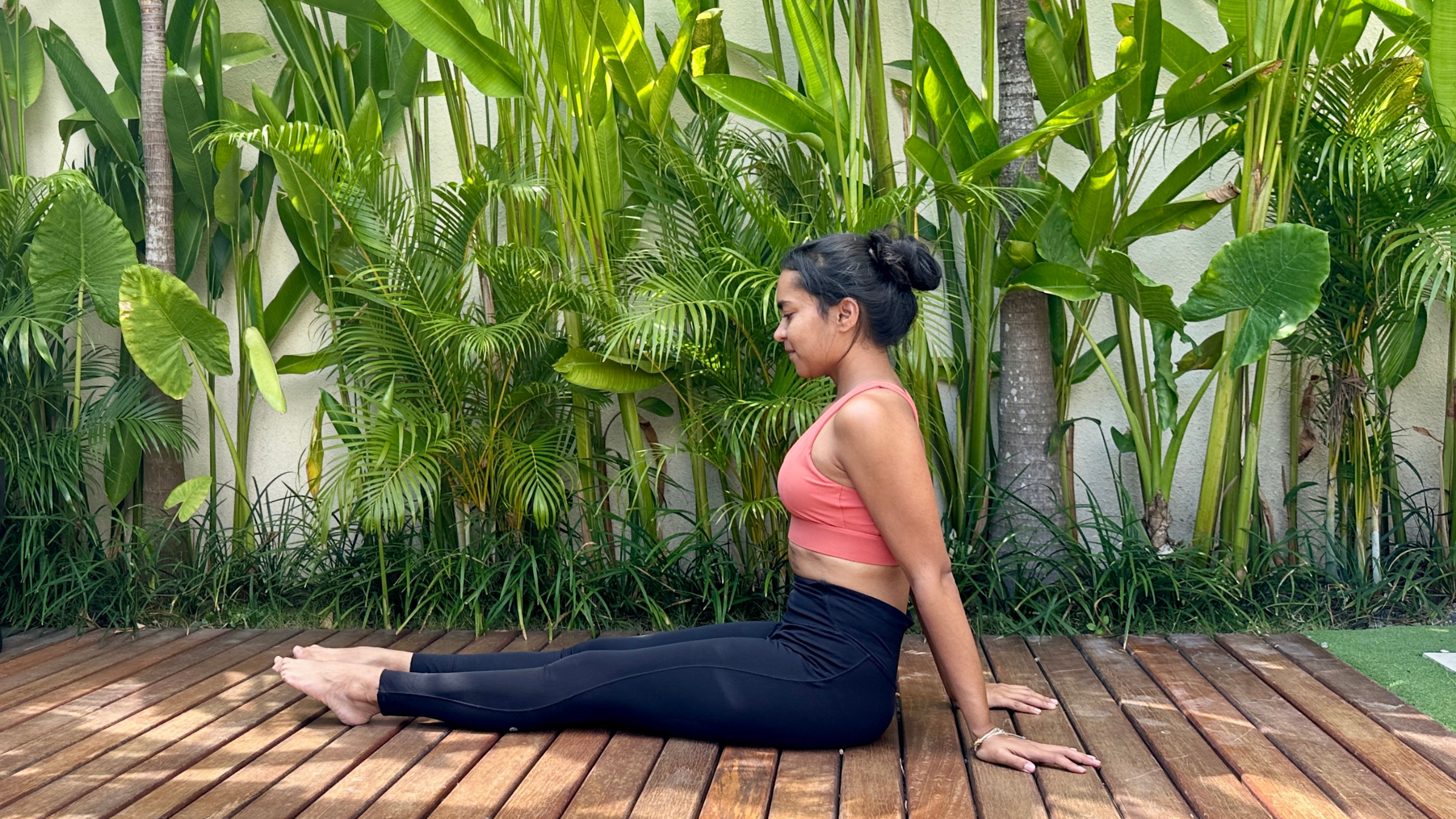
- Sit comfortably on the floor with your legs extended or cross-legged.
- Lift one foot off the ground and begin to rotate the ankle slowly in a circular motion.
- Perform 10 rotations clockwise, then 10 counter-clockwise.
- Focus on the quality of the movement rather than the speed; imagine "drawing" a circle with your big toe. This releases the tension in the tibialis anterior and the Achilles tendon, facilitating a flatter foot placement once you enter the deep squat.
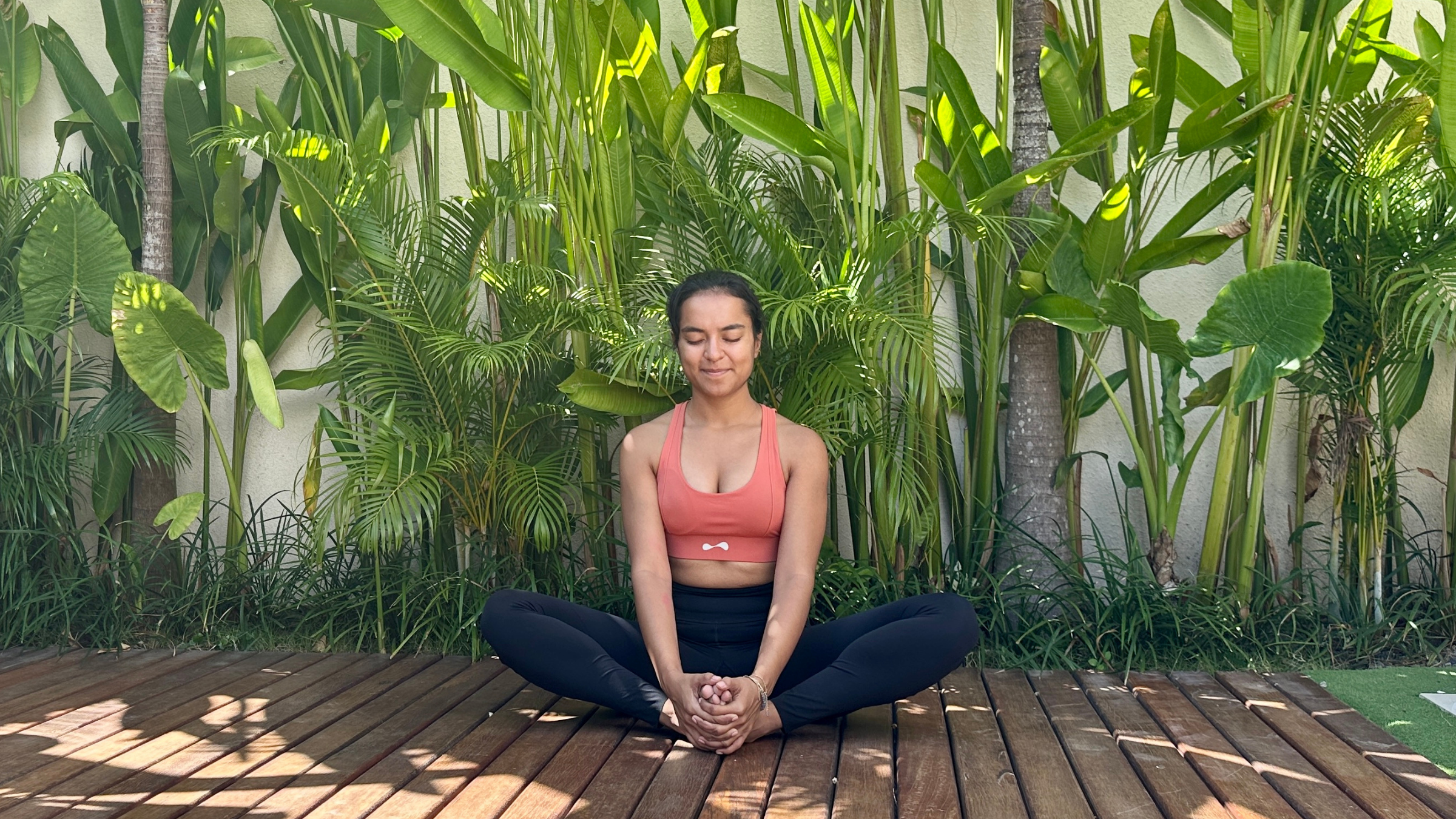
2. Bound Angle Pose (Baddha Konasana)
Often called the "Butterfly," this pose is the gateway to hip openness. It mimics the external rotation of the hips required for the wide-legged stance of Malasana.
The Method:
- Sit with your spine tall and bring the soles of your feet together.
- Allow your knees to fall open toward the floor.
- Instead of pulling your feet aggressively toward your groin, find a distance that allows you to sit with a long spine.
- By holding this position, you invite the adductor muscles to surrender. This consistency helps the brain understand that the hips are safe to open, which is critical when you eventually shift the weight of your entire body into the squat position.
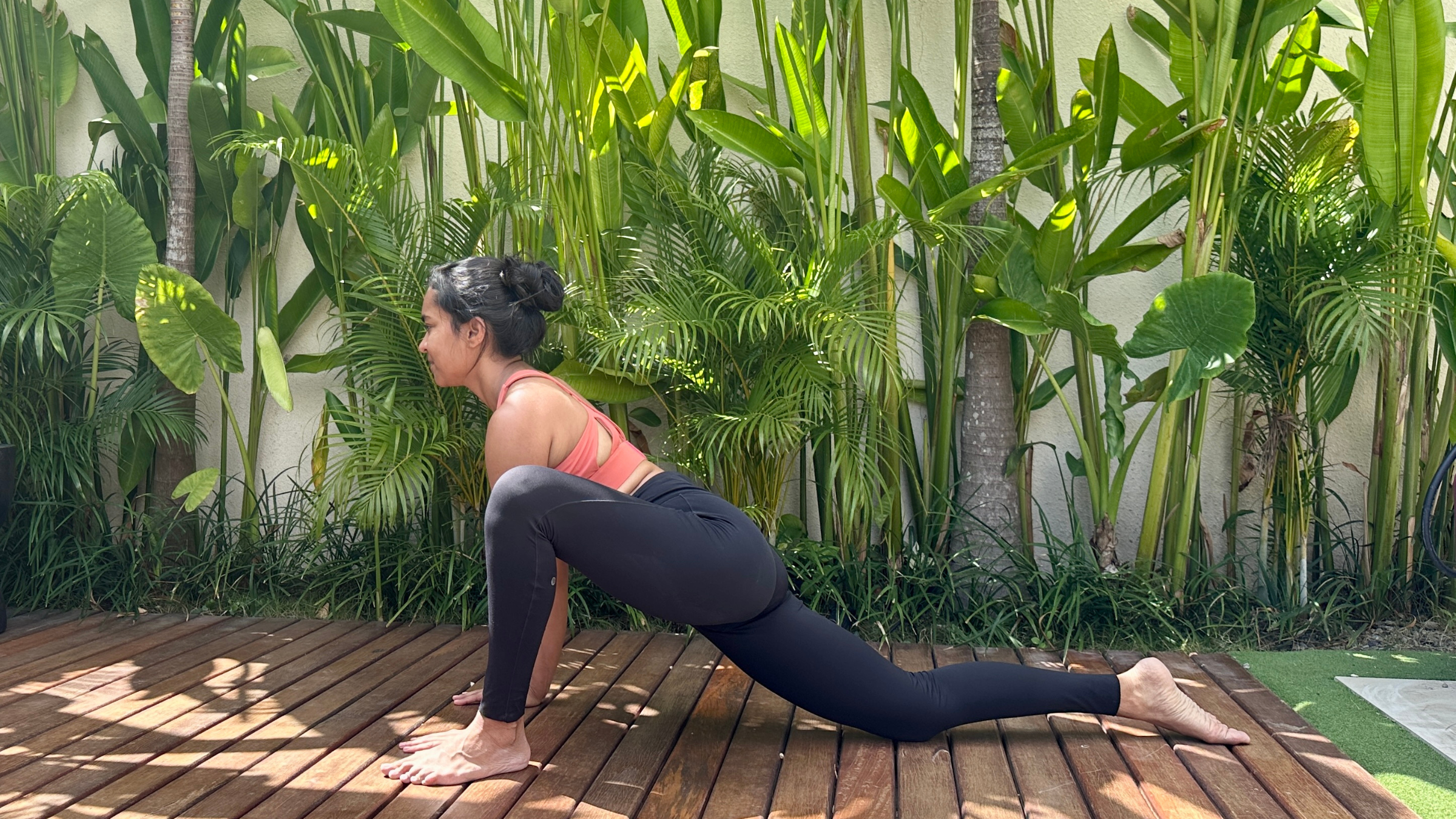
3. Lizard Pose (Utthan Pristhasana)
Lizard Pose is an aggressive, yet essential, hip opener that targets the hip flexors and the deep pelvic musculature. It builds the foundational strength needed to hold the body upright while in deep flexion.
The Method:
- Start in a low lunge with your right foot forward.
- Place both hands on the floor to the inside of your right foot.
- Walk your right foot toward the edge of your mat.
- If your body allows, lower onto your forearms. This position stretches the psoas and the quadriceps of the back leg while creating space in the front hip joint. This "lengthening" is exactly what you need to avoid that "stuck" feeling when lowering into a full squat.
4. Goddess Pose: The Bridge to Malasana
If Malasana is the destination, Goddess Pose is the vehicle. It requires the same engagement of the glutes and thighs but allows for more control over the intensity of the stretch.
The Method:
- Stand with your feet significantly wider than hip-width apart, toes turned out.
- Bend your knees until your thighs are roughly parallel to the floor.
- Keep your knees tracking over your ankles, not collapsing inward.
- By holding this "active" squat, you build the muscular endurance necessary to stabilize your body in the deep Malasana position, transforming the squat from a "resting" pose into an active, strengthening one.
Implications for Longevity
The implications of mastering Malasana extend far beyond the yoga mat. Anthropologists and medical researchers have long noted that societies that utilize the "natural squat" for daily tasks—eating, socializing, and toileting—exhibit significantly lower rates of chronic knee and hip degeneration.
When you practice Malasana, you are engaging in a form of preventative maintenance. The pose encourages the decompression of the lumbar spine, improves lymphatic drainage in the lower extremities, and maintains the functional integrity of the hip joint. It is a posture that signals to the body that it remains capable, fluid, and strong.
Professional Perspective: Integrating the Practice
Yoga instructors often emphasize that the "perfect" squat is not the one that looks like a photograph, but the one that feels sustainable for the individual.
"The beauty of Malasana is in its adaptability," says leading mobility coach Riya Davda. "By using props—like a block under the heels or a folded blanket under the sit-bones—you can begin the practice of the pose without the fear of falling or pain. Over time, the body adapts. The ligaments soften, the muscles find their length, and what once felt like a barrier becomes a resting place."
As you incorporate these four movements into your regimen, remember that consistency is the primary driver of change. You are not fighting your body; you are communicating with it. Whether you are a seasoned yogi or someone simply looking to alleviate the aches of a desk job, the path to the squat is a path to a more mobile, responsive, and liberated physical self.
Start small, prioritize the alignment of the ankles and the length of the spine, and trust the process. Your hips, your knees, and your future self will thank you for the effort.