Chronic wounds represent a silent, global epidemic, imposing a profound burden on healthcare systems and, more importantly, on the quality of life of millions. From the stubborn, non-healing diabetic foot ulcers that threaten limb integrity to the persistent pressure injuries plaguing the elderly, the medical community has long struggled to find effective interventions.
Now, a breakthrough study led by Nanyang Technological University, Singapore (NTU Singapore), in collaboration with the University of Geneva, has unveiled a revolutionary mechanism behind why these wounds fail to heal. By identifying how a common bacterium—Enterococcus faecalis—actively sabotages the body’s repair processes, researchers have paved the way for a paradigm shift in treatment: moving away from the "kill-the-bacteria" approach of traditional antibiotics toward a more nuanced strategy of metabolic neutralization.
The Magnitude of the Chronic Wound Crisis
Chronic wounds are not merely surface-level injuries; they are systemic health challenges. According to global health data, approximately 18.6 million people suffer from diabetic foot ulcers every year. The lifetime risk for an individual with diabetes to develop such an ulcer is as high as one in three.
In Singapore, the prevalence of these wounds—including diabetic foot ulcers, venous leg ulcers, and pressure injuries—is rising steadily, with over 16,000 cases reported annually. These wounds are often characterized by their refusal to close, leading to persistent infections, systemic complications, and, in the most severe cases, lower limb amputations. The cycle is often cruel: an infection delays healing, which prolongs the exposure of the tissue, which in turn invites further infection, creating a biological stalemate that current standard-of-care treatments often fail to break.
The Anatomy of an Obstacle: E. faecalis
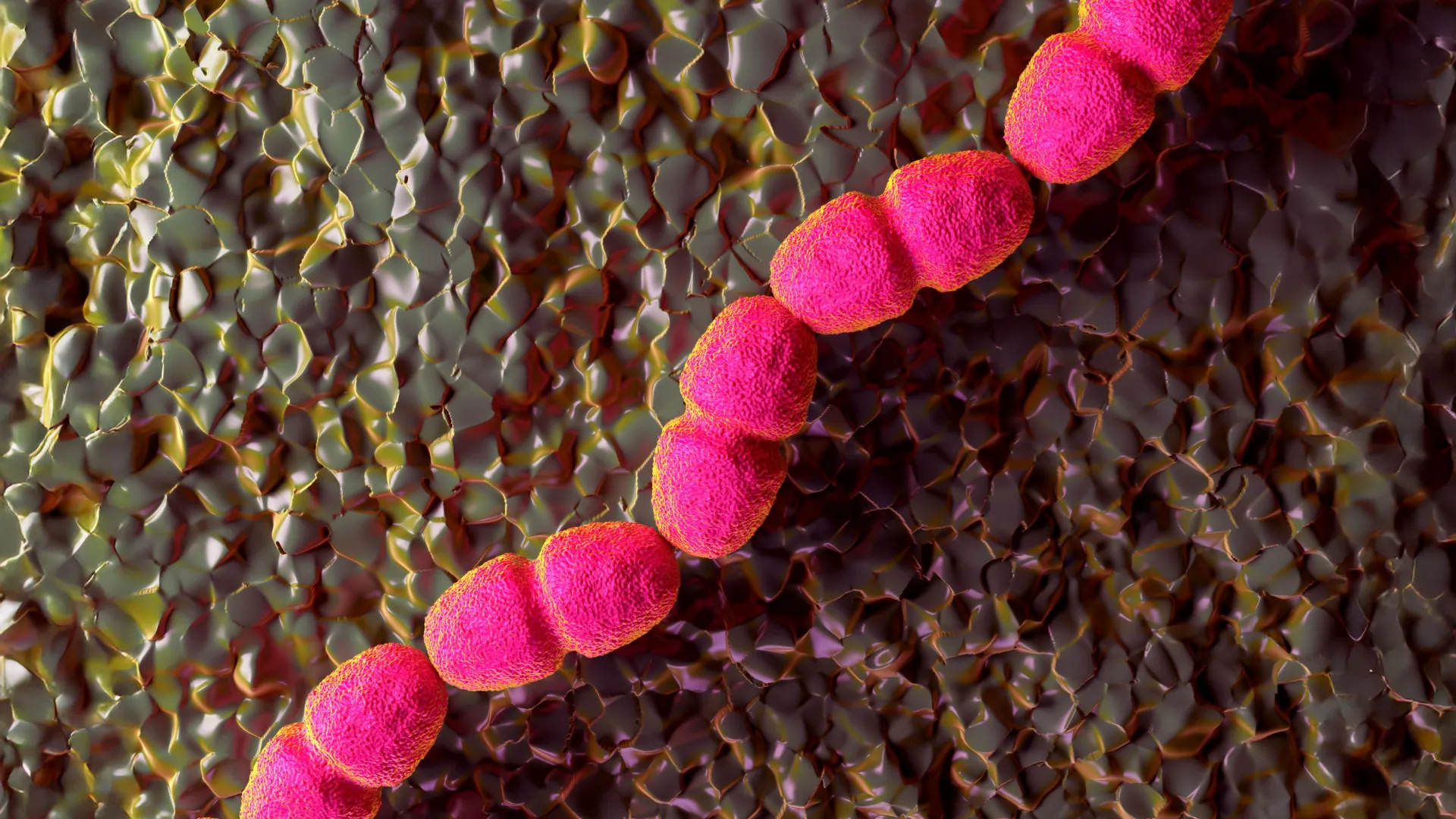
The heart of the recent study, published in the prestigious journal Science Advances, centers on Enterococcus faecalis (E. faecalis). While often viewed as an opportunistic pathogen, this bacterium is a master of biological interference.
For years, clinicians have observed that infections impede wound healing, but the precise biochemical "handcuffs" used by bacteria to hold back human repair mechanisms remained a mystery. The collaborative team, led by Associate Professor Guillaume Thibault of NTU’s School of Biological Sciences and Professor Kimberly Kline of the University of Geneva (also a visiting professor at SCELSE, NTU), sought to peel back the layers of this interaction.
The Mechanism: Metabolism as a Weapon
The team’s research revealed a surprising departure from conventional bacterial behavior. Many pathogens harm their host by secreting toxins. However, E. faecalis employs a more insidious strategy: it weaponizes its own metabolism.
Dr. Aaron Tan, the study’s first author and a Research Fellow at NTU, discovered that the bacterium utilizes a metabolic process known as extracellular electron transport (EET). Through this process, the bacterium continuously generates hydrogen peroxide—a reactive oxygen species (ROS). While hydrogen peroxide is familiar to many as a disinfectant, at the cellular level within a wound, it acts as a potent stressor that physically disrupts the function of human skin cells.
The Cellular "Paralysis" of Keratinocytes
To understand how this metabolic byproduct affects human tissue, the researchers examined keratinocytes—the primary cells of the epidermis responsible for wound repair. In a healthy wound, these cells migrate across the site of the injury to bridge the gap and reform the skin barrier.
When E. faecalis is present, the localized high concentrations of hydrogen peroxide trigger a state of severe oxidative stress in these keratinocytes. This triggers a biological emergency mechanism called the "unfolded protein response" (UPR). Under normal conditions, the UPR is a protective measure; it instructs the cell to slow down protein production and prioritize survival over growth.
However, in the presence of E. faecalis, this response becomes a liability. The constant, high-level oxidative stress forces the keratinocytes to remain in a state of chronic UPR activation, effectively "paralyzing" them. The cells become so focused on managing the stress caused by the bacterial hydrogen peroxide that they lose their ability to migrate into the wound bed. The result is a clinical standstill: the wound remains open, the bacteria continue to proliferate, and the patient remains trapped in a cycle of non-healing.
Validating the Pathway
To confirm that the EET pathway was indeed the culprit, the researchers utilized a genetically modified strain of E. faecalis that was stripped of its ability to perform extracellular electron transport.
The results were definitive: the modified bacteria produced significantly lower levels of hydrogen peroxide and, crucially, failed to inhibit the migration of skin cells. This experimental validation provided the "smoking gun" that scientists needed to link bacterial metabolism directly to human cellular dysfunction. The findings represent a major leap forward in understanding the biology of persistent infections.
A New Therapeutic Strategy: Neutralization Over Eradication
The most exciting implication of this research is the potential for a completely new class of wound treatment.
For decades, the medical response to infected wounds has been the administration of antibiotics. However, with the rise of antibiotic-resistant strains of E. faecalis, this approach is increasingly hitting a wall. Furthermore, antibiotics are designed to kill bacteria, which can sometimes disrupt the healthy microbiome or fail to address the lingering inflammation caused by bacterial byproducts.
The Role of Catalase
The research team proposed a different path: instead of trying to eliminate the bacteria, why not neutralize the "weapon" they use?
The researchers tested the application of catalase—a naturally occurring antioxidant enzyme capable of breaking down hydrogen peroxide into harmless water and oxygen. When treated with catalase, the stressed skin cells showed a marked reduction in oxidative stress. More importantly, they regained their motility, resuming the migration necessary to close the wound.
"Our findings show that the bacteria’s metabolism itself is the weapon, which was a surprise finding previously unknown to scientists," says Assoc Prof Thibault. "Instead of focusing on killing the bacteria with antibiotics, which is becoming increasingly difficult and leads to future antibiotic resistance, we can now neutralize it by blocking the harmful products it generates and restoring wound healing."
Implications for Clinical Practice
This discovery shifts the focus from an arms race against bacteria to a restorative approach for human tissue. The practical application of this research could lead to the development of specialized wound dressings infused with antioxidants like catalase.
Because antioxidants are already well-understood and have a high safety profile, the path to clinical translation could be significantly shorter than that of a novel synthetic drug. This is a critical advantage in the management of chronic wounds, where the time-to-treatment directly correlates with the risk of amputation or systemic sepsis.
Looking Toward the Future
The journey from a petri dish to a patient’s bedside is long, but the team is already looking ahead. The researchers are currently designing animal models to test the most effective delivery systems for these antioxidant therapies. Should these trials prove successful, the next phase will be human clinical trials.
The implications extend far beyond diabetic foot ulcers. Many chronic inflammatory conditions and biofilm-associated infections may rely on similar metabolic "tricks." By decoding the chemical conversation between pathogens and human cells, scientists are opening a new chapter in regenerative medicine.
Conclusion: A Shift in Perspective
The NTU-led study serves as a poignant reminder that the most effective way to solve a biological problem is often to understand the underlying logic of the pathology. By moving beyond the binary of "bacteria versus antibiotic" and toward a more nuanced, metabolic understanding of wound healing, the researchers have provided hope for millions.
The ability to "unlock" the healing process by simply neutralizing a metabolic byproduct represents a sophisticated, elegant, and highly promising strategy. As the global population ages and the prevalence of diabetes continues to rise, this research provides not just a scientific breakthrough, but a vital roadmap for improving the lives of those suffering from the most stubborn of human ailments: the wounds that will not close.
By neutralizing the harm rather than just the source, modern medicine may finally be able to turn the tide against chronic infections, one wound dressing at a time.