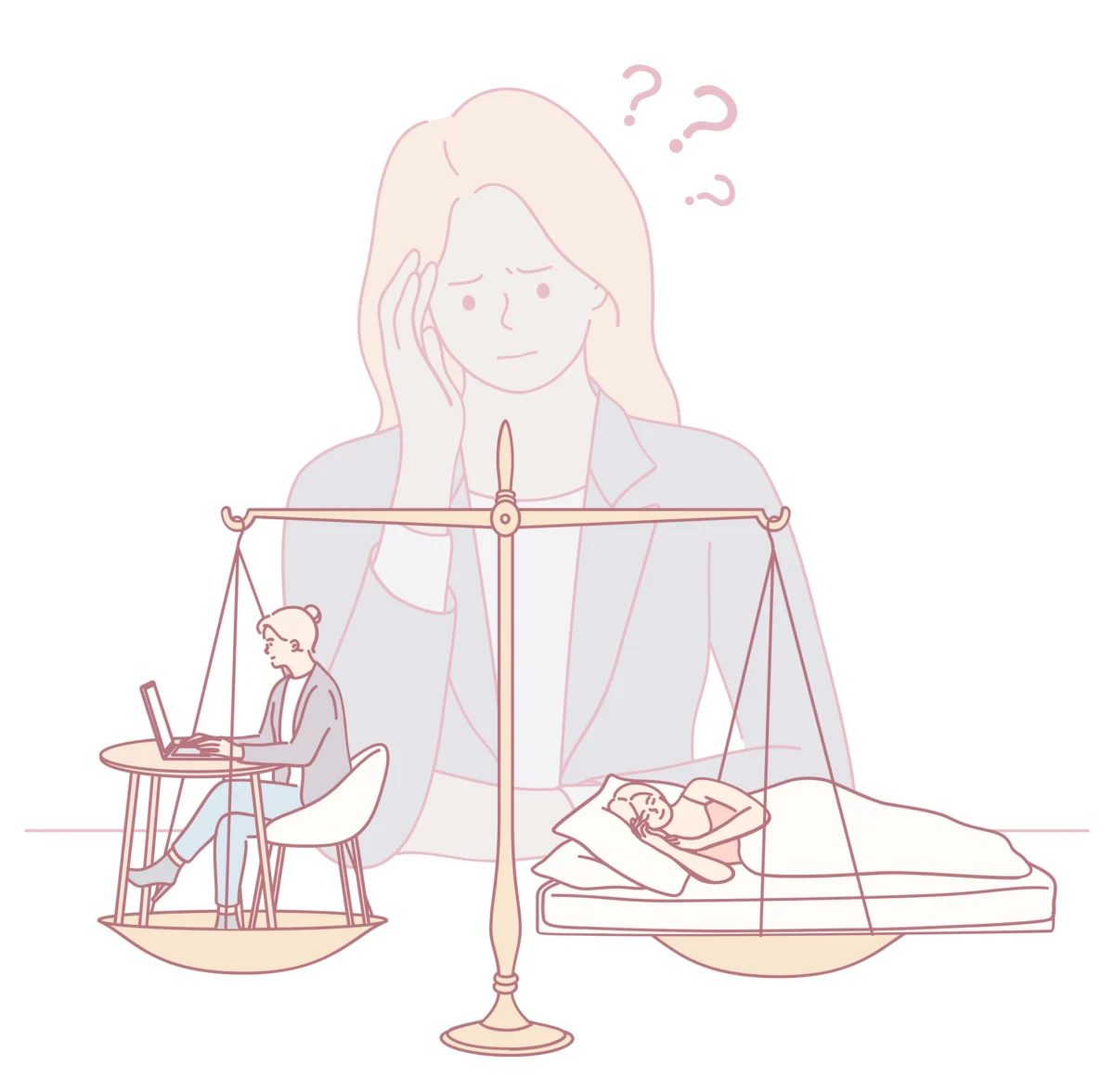
In a landmark study that promises to reshape our understanding of the human sleep-wake cycle, researchers from the University of Toronto have identified a specialized cluster of neurons that functions as a biological “on-off” switch for sleep. Published in the journal PLOS Biology, the findings offer a definitive look at the neuroanatomical mechanics that govern our transition between alertness and slumber—a delicate balancing act that, when disrupted, leads to debilitating conditions such as narcolepsy.
For decades, neuroscientists have focused heavily on the “wake-promoting” side of the brain’s architecture. However, this new research illuminates the previously overlooked “sleep-promoting” counterpart, uncovering a circuit in the brainstem that actively triggers the onset of sleep.
Main Facts: Unlocking the Brain’s Sleep Control Center
The human brain does not simply "turn off" when we fall asleep; rather, it shifts into a highly regulated, active state managed by complex chemical and electrical signals. The research team, led by neurobiologist Dr. Jimmy Fraigne, identified that this process is mediated by a specific group of GABAergic neurons located in the brainstem—the most ancient and primitive part of the brain.
GABA (gamma-aminobutyric acid) is the primary inhibitory neurotransmitter in the mammalian central nervous system. By identifying that these specific GABA neurons serve as a dedicated sleep-induction mechanism, the researchers have effectively discovered the counterpart to the orexin neurons, which are long known to drive wakefulness.
The core takeaway is that sleep and wakefulness are not two independent processes, but rather two sides of a reciprocal "seesaw." When the brainstem’s GABA neurons are activated, they inhibit the wake-promoting signals, effectively pushing the brain into a state of rest. Because the brainstem is a highly conserved structure—meaning it is biologically similar across many mammalian species—the team is confident that this neural switch operates in a near-identical fashion in the human brain.
The Chronology of Discovery: From Observation to Mechanism
The journey to this discovery began with a shift in perspective. For years, the scientific community operated under the assumption that sleep was a passive state caused by the "turning off" of wakefulness-promoting systems. Dr. Fraigne, along with his colleagues—Professor John Peever and Dr. Hanhee Lee—began to question this model.
Phase I: Identifying the Neural Circuit
The team initially set out to map the specific neural pathways within the brainstem that modulate states of consciousness. Using mouse models, they utilized advanced optogenetic techniques to selectively activate specific neuronal populations. The breakthrough occurred when they targeted the GABA neurons in the brainstem, observing that immediate activation of these cells induced rapid sleep onset in the test subjects.
Phase II: Validating the Balancing Act
Following the identification of these cells, the team conducted a series of electrophysiological tests to see how these neurons interacted with the well-known orexin-producing neurons. They discovered a mutual inhibitory relationship: the orexin neurons suppress the GABA switch to maintain wakefulness, while the GABA switch suppresses the orexin neurons to facilitate sleep.
Phase III: Peer Review and Publication
The culmination of this research was the synthesis of data presented in PLOS Biology. The peer-review process confirmed that the team had successfully isolated a mechanism that had eluded neuroscientists for years. By proving these cells do more than just exist—they actively function as a control valve—the researchers provided a new model for understanding sleep-wake transitions.
Supporting Data: The Biological Evidence
The evidence for the existence of this switch lies in the precise, inhibitory nature of the GABA neurotransmitter. In the study, the researchers demonstrated that:
- Synaptic Inhibition: The GABA neurons identified in the brainstem extend axons to key wake-promoting areas of the brain. When these GABA neurons fire, they release inhibitory chemicals that dampen the activity of the wake-promoting neurons.
- Reciprocity: Experimental silencing of these GABA neurons resulted in prolonged periods of wakefulness, even in conditions where the organism would typically be primed for sleep. Conversely, stimulating these neurons forced the subjects into a sleep state almost immediately.
- Conservation of Anatomy: Comparative neuroanatomy shows that the brainstem regions where these GABA neurons reside are present in all mammals. Because the fundamental architecture of the brainstem is conserved through evolution, the team argues that the clinical application to human medicine is not just a theory, but a high-probability physiological reality.
Official Responses and Expert Commentary
Dr. Jimmy Fraigne, in a release regarding the study, noted the significance of the findings with a mix of academic rigor and excitement.
“We already knew that cells known as orexin neurons trigger wakefulness,” Dr. Fraigne stated. “Now, we’ve identified inhibitory neurons that trigger sleep. This is new. We didn’t have any notion before that these cells could do what we observed, nor that this region of the brain had anything to do with the balancing act between sleep and wakefulness.”
Professor John Peever, a veteran in the field of sleep research, emphasized the paradigm shift. By identifying these neurons as the "missing link" in sleep regulation, the research team has moved the needle from merely observing symptoms to understanding the underlying mechanical failure in sleep disorders.
“We now have clear evidence that these neurons are an underlying problem when it comes to narcolepsy,” Dr. Fraigne added. The implications for the scientific community are vast, as this discovery effectively provides a roadmap for future pharmacotherapy.
Implications: A New Frontier for Sleep Disorders
The most promising aspect of this discovery is its application to clinical medicine. For individuals suffering from chronic sleep disorders, the "switch" model provides a concrete target for drug development.
Narcolepsy and Hypersomnia
Narcolepsy is characterized by the sudden, uncontrollable onset of sleep. Current treatments often focus on stimulants to keep patients awake, but these often come with side effects and do not address the root cause of the sleep-wake instability. By targeting the GABA switch directly, researchers might be able to develop drugs that stabilize the switch, preventing the "inappropriate" activation of sleep.
Insomnia and Sleep Maintenance
Conversely, for those suffering from chronic insomnia, the problem is often the failure of the brain to initiate or maintain sleep. If the GABAergic switch is "broken" or underactive, the brain may struggle to transition out of a state of high alert. Future therapies could potentially modulate the sensitivity of these GABA neurons to help the brain transition more smoothly into rest.
The Roadmap Ahead
The team is now moving toward the next phase of their research: distinguishing these specific sleep-inducing neurons from other GABA neurons in the brain. The challenge lies in finding a way to control these cells pharmacologically without affecting other essential inhibitory functions in the brain.
“The more information we gather about how these cells work, the more effectively we can target them for treatment,” says Dr. Fraigne.
As the research progresses, the goal is to develop selective ligands—drugs that bind only to the receptors of these specific sleep-triggering neurons. This would allow for a “precision medicine” approach to sleep disorders, potentially curing conditions that have plagued patients for lifetimes without the systemic side effects of current stimulants or sedatives.
Conclusion: Redefining the Architecture of Rest
The discovery of the brainstem neural switch is a testament to the power of modern neuroscience to map the hidden corridors of the human brain. By identifying that sleep is an actively managed process rather than a passive byproduct of fatigue, Dr. Fraigne and his team have provided the key to a much larger puzzle.
While there is still work to be done in translating these mouse-model findings into human clinical trials, the path forward is clear. We are entering an era where sleep disorders may no longer be managed through general sedation or stimulation, but through the precise recalibration of the brain’s own internal circuitry. As we continue to study this neural seesaw, we inch closer to a future where a full, restorative night’s sleep is a biological guarantee for those who have long struggled to find it.