










Published: August 20, 2026
Waking up is rarely an effortless endeavor. For many, the transition from the subconscious dream world to the demands of a high-paced reality feels like an abrupt jolt, often mediated by the blue light of a smartphone screen and an immediate dive into a notification-heavy digital landscape. However, sleep researchers and movement experts increasingly suggest that the first fifteen minutes of your morning are the most influential in determining your cognitive clarity, mood, and physiological "vibe" for the remainder of the day.
Instead of defaulting to the habitual "first-thing scroll," consider a more intentional alternative: a revitalizing, breath-led yoga practice. This 15-minute sequence is designed not just to stretch the muscles, but to calibrate the nervous system, optimize blood flow, and provide a gentle, rhythmic transition that prepares the body for the challenges ahead.
The Science of Morning Movement: Why Consistency Matters
The physiological benefits of morning yoga extend far beyond simple flexibility. When you wake up, your body is in a state of relative stiffness due to the lack of movement during REM and deep sleep cycles. Muscles are tighter, and the joints have been static for hours.
Engaging in "breath-led, intuitive movement" serves several critical functions. First, it stimulates the lymphatic system, which lacks a central pump like the heart and relies on movement to circulate fluid and remove metabolic waste. Second, rhythmic deep breathing—the cornerstone of this practice—activates the parasympathetic nervous system, helping to regulate cortisol levels that naturally peak in the early morning. By choosing dynamic repetition over static holding, practitioners can effectively "wake up" their neuromuscular pathways, fostering a sense of alertness that far outlasts the temporary spike of a morning caffeine dose.
Preparing for Your Practice
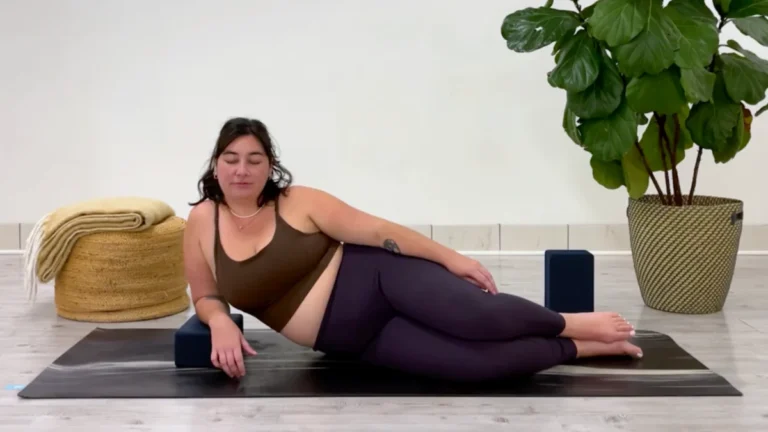
While this sequence is accessible to all levels, the inclusion of props can be transformative. If you lack professional yoga gear, do not be deterred; household items such as firm pillows, folded blankets, or even a thick hardcover book can serve as excellent stabilizers. These aids help you access each pose with proper alignment, ensuring that your practice remains supportive rather than strenuous.
Chronology of the 15-Minute Flow: A Step-by-Step Guide
This sequence is structured as a progressive build, moving from grounded, restorative postures to more active, heat-building flows.
Phase 1: Grounding and Centering (0:00–3:00)
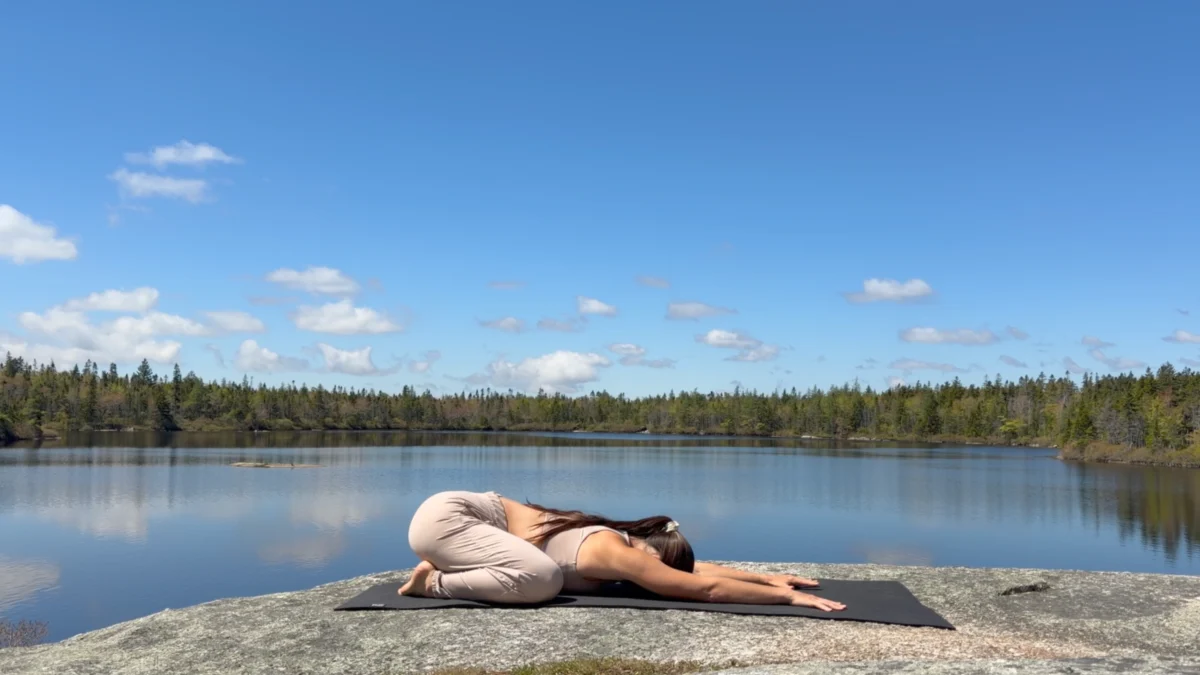
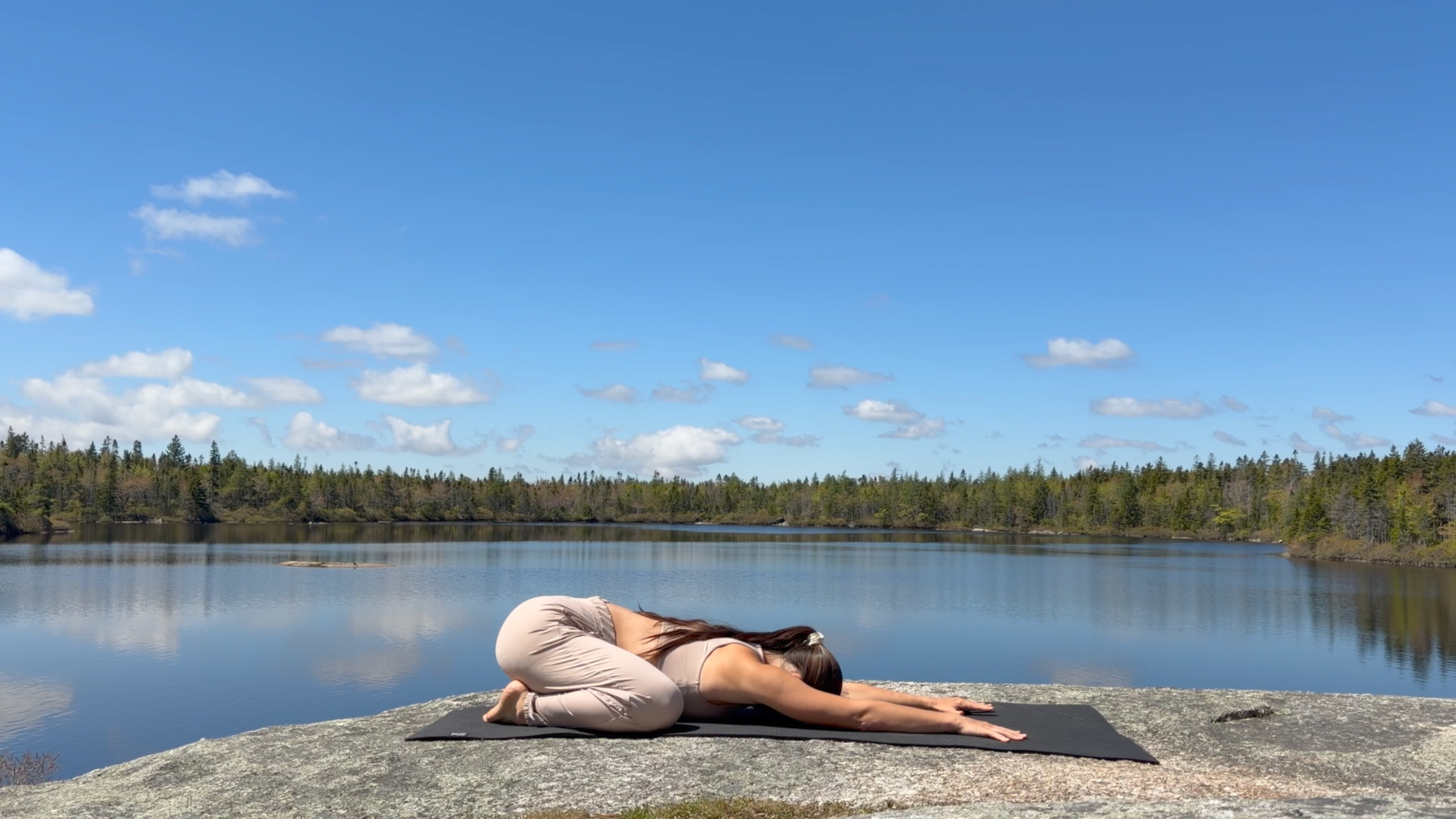
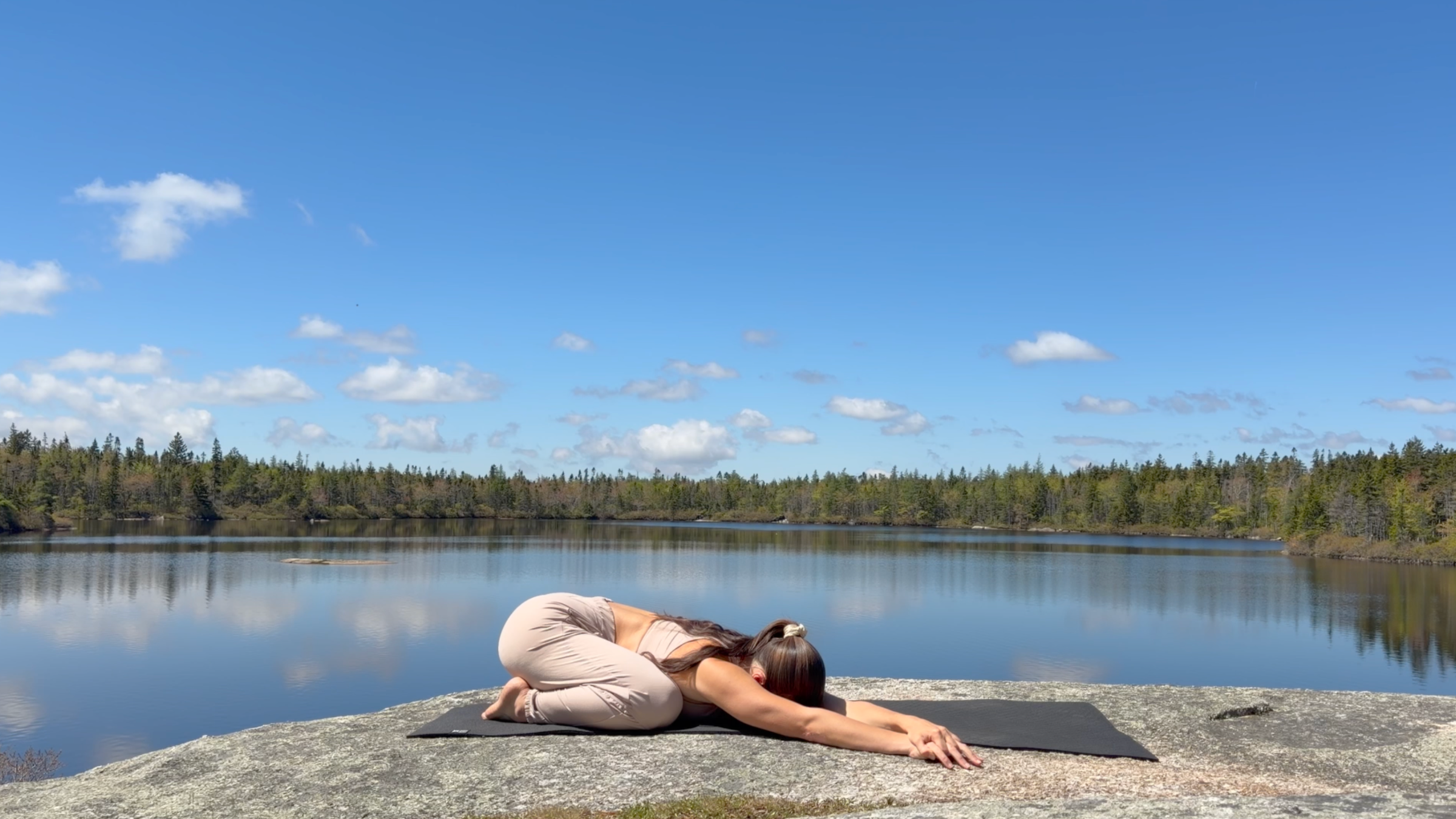
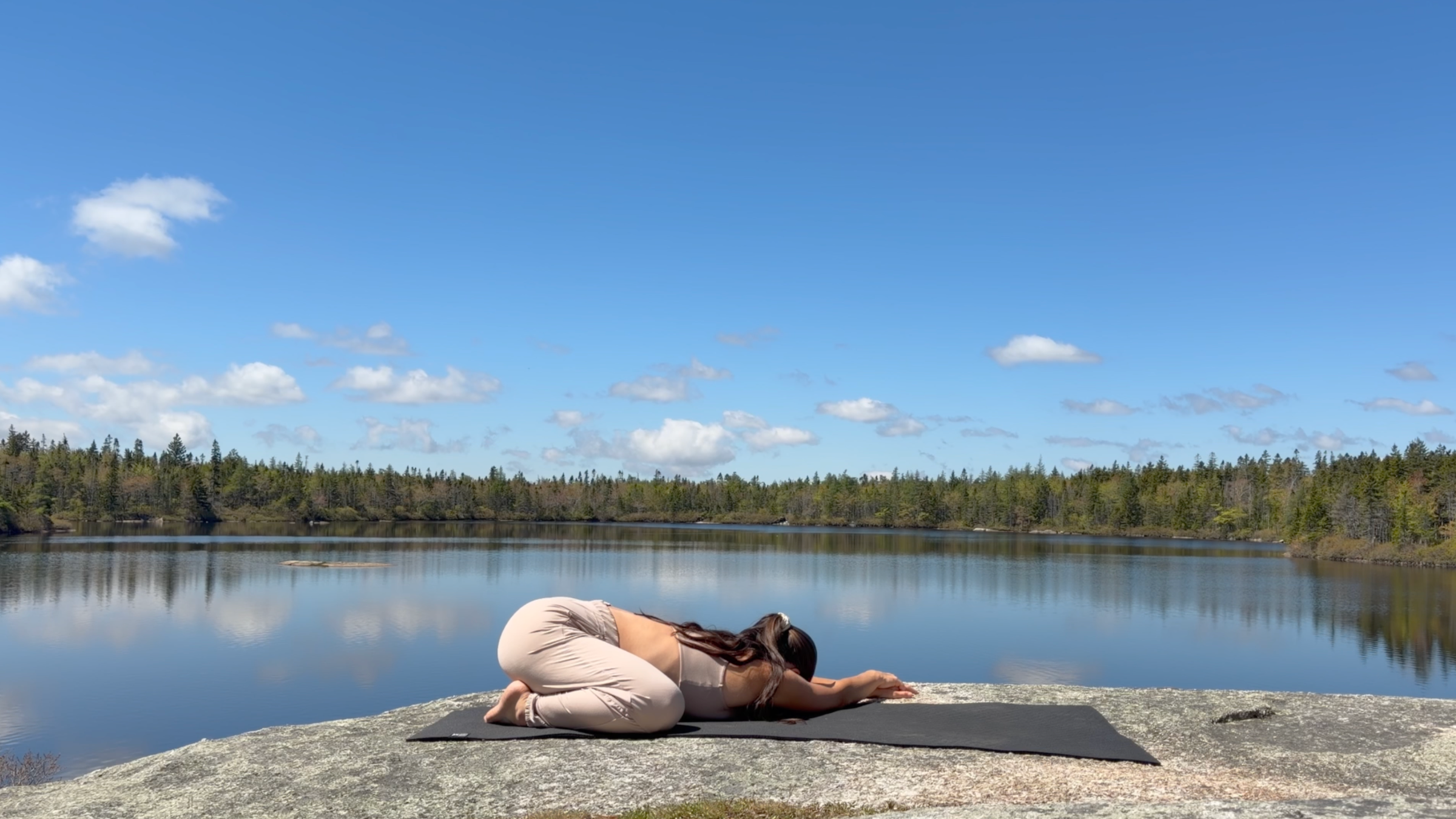
Begin in Child’s Pose. This is your anchor. By taking your knees wide and walking your hands forward, you invite a release in the lower back and hips. Ground your forehead on the mat to signal to your brain that the "rest" phase of the night is complete and the "mindful" phase of the day has begun. Hold for two full cycles of deep, diaphragmatic breath.
Next, walk your hands to the right side of your mat. By stacking your left hand over your right, you create a lateral stretch that opens the intercostal muscles. Repeat on the left side to balance the side body.
Phase 2: Building Heat and Mobility (3:00–7:00)
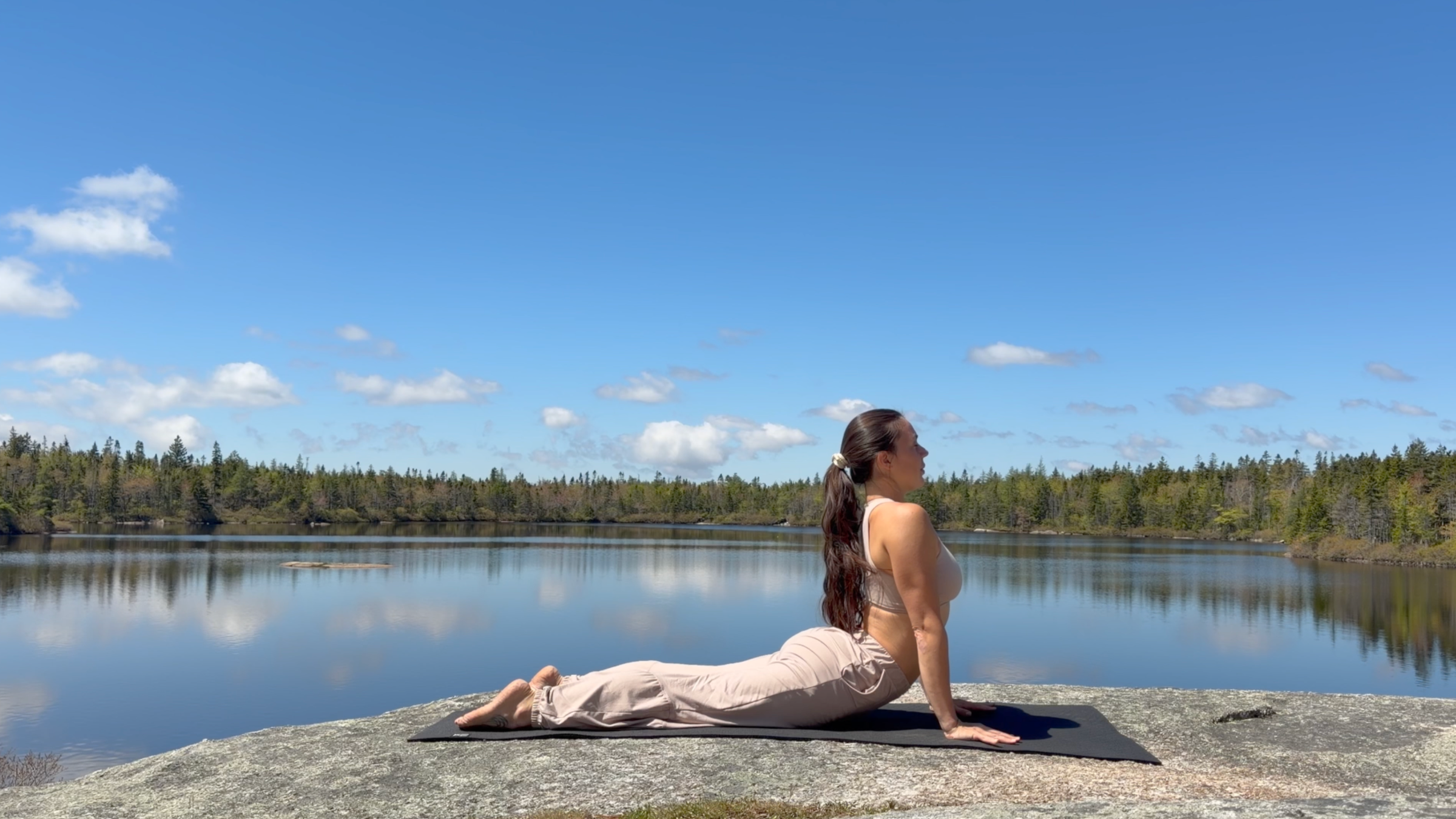
Transitioning from stillness to motion, move into Cobra Pose. As you inhale, draw your chest forward, melting your hips toward the floor. This gentle backbend counters the "slump" of sleep-induced posture. Flow dynamically between Child’s Pose and Cobra five times. Each exhalation should return you to the ground, while each inhalation should lift your heart, creating a rhythmic, wave-like movement.
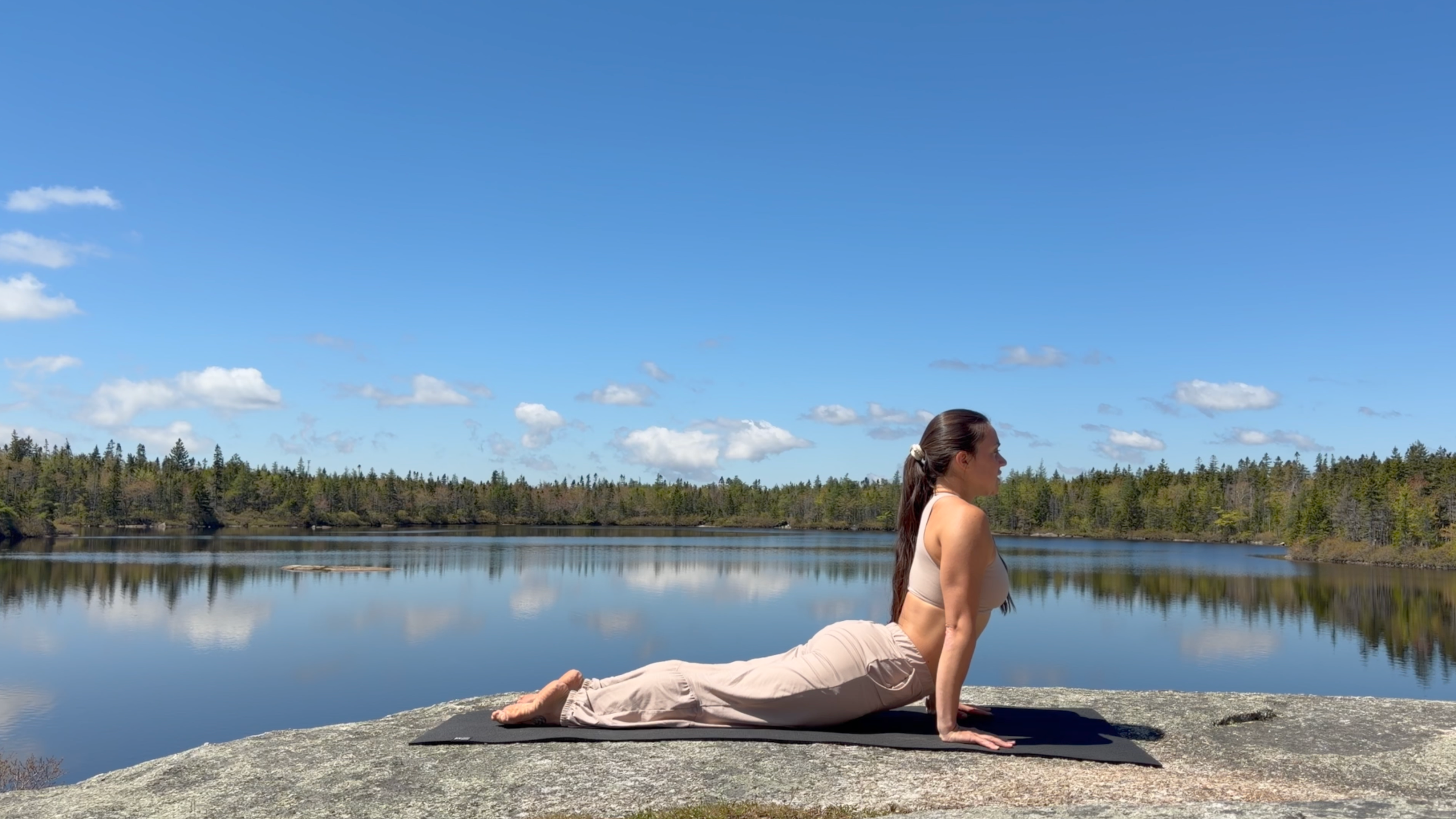
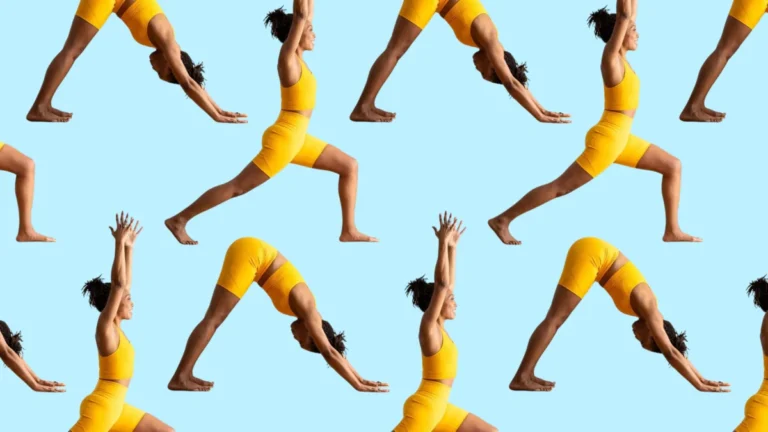
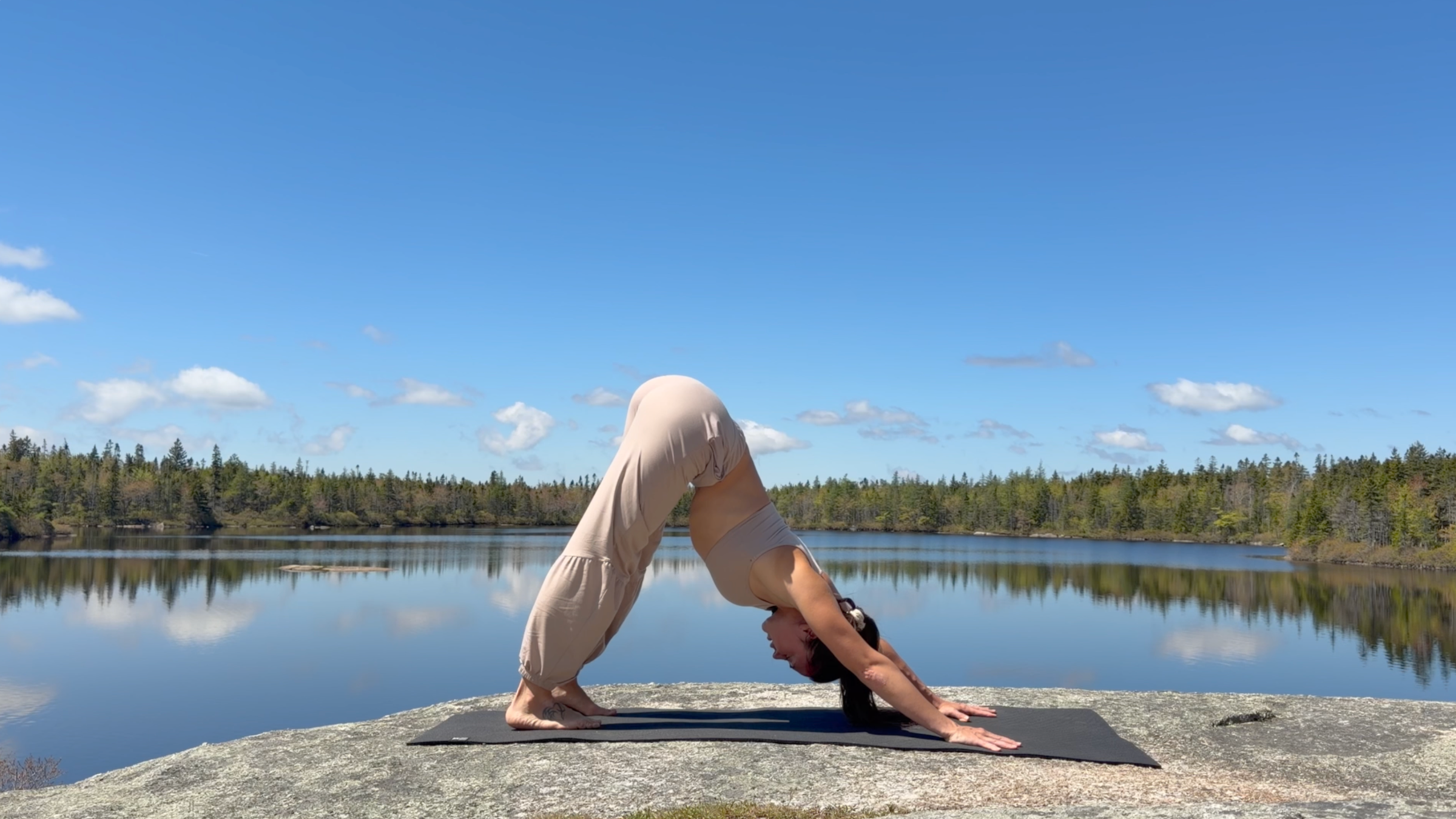
Once the spine is supple, move into Upward-Facing Dog, pressing firmly into the tops of your feet. Follow this by rolling over your toes into Downward-Facing Dog. Spend three breaths here "pedaling" out your feet. This action stretches the hamstrings and calves, flushing out the tension that often accumulates in the posterior chain during the night.
Phase 3: Dynamic Waves and Strength (7:00–11:00)
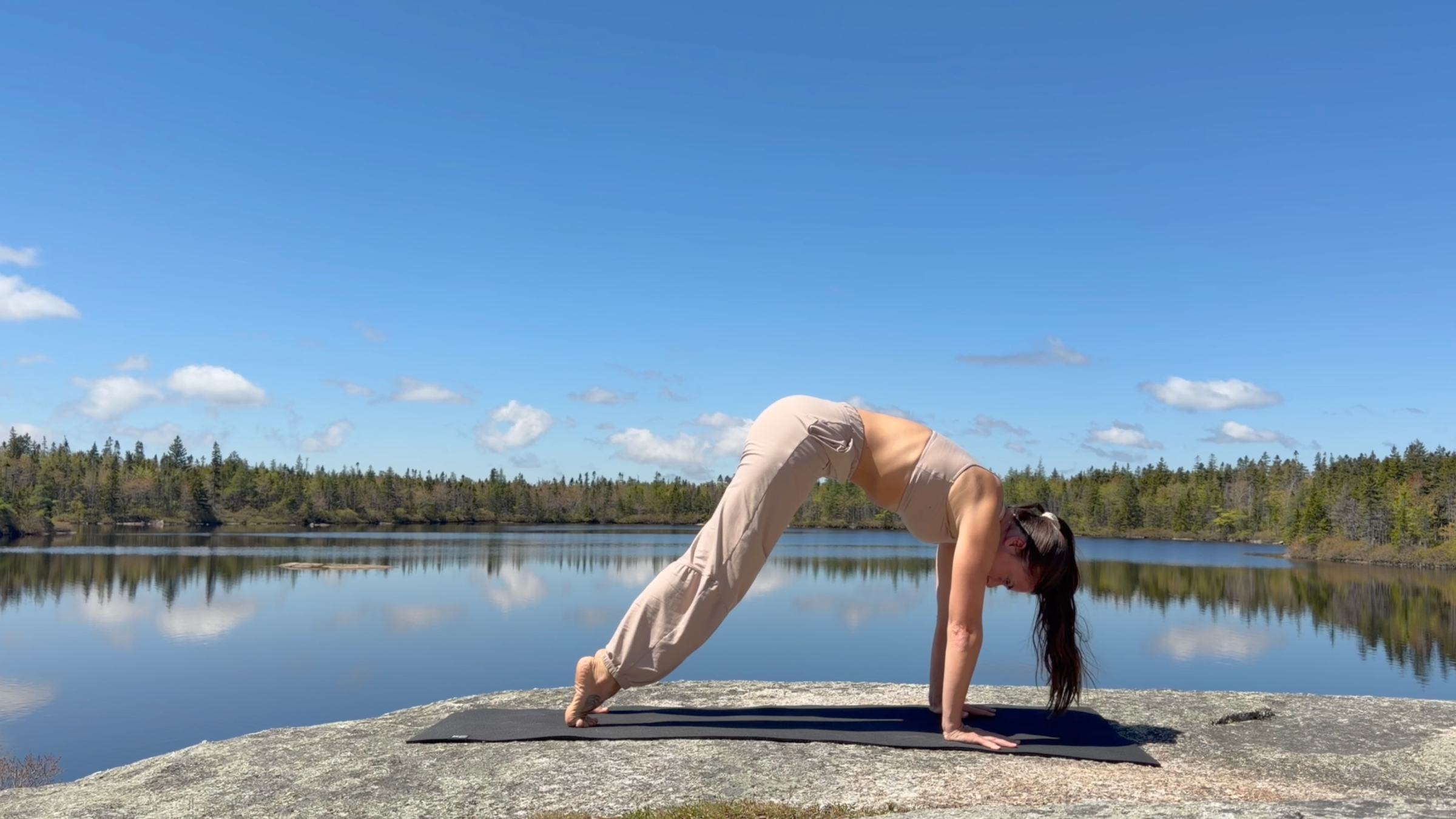
Introduce Down Dog Waves. From Downward-Facing Dog, inhale and round your spine forward into a plank-like position. Exhale as you hover your knees just above the mat—a movement that engages the core and builds functional stability. Repeat this five times.
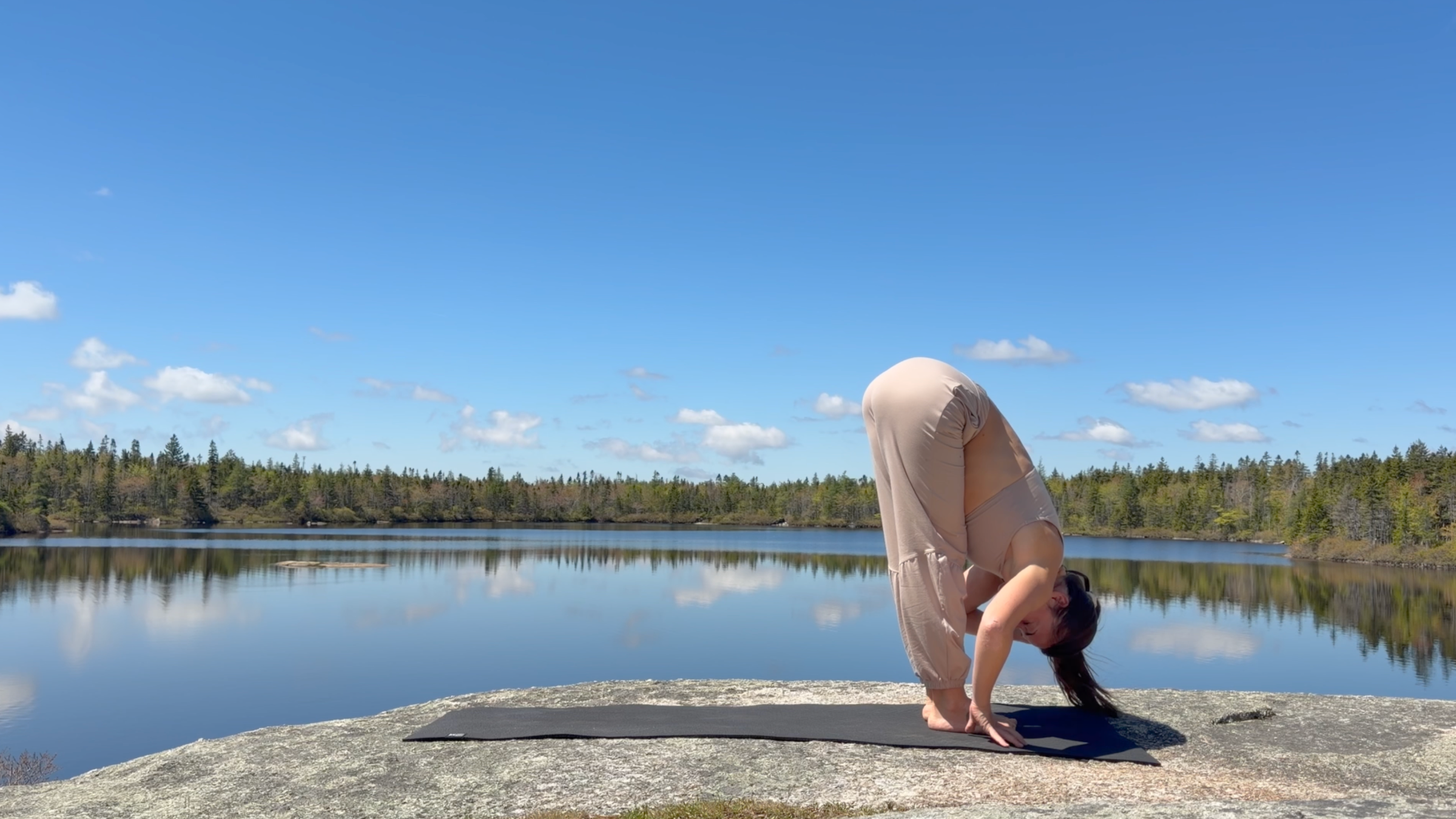
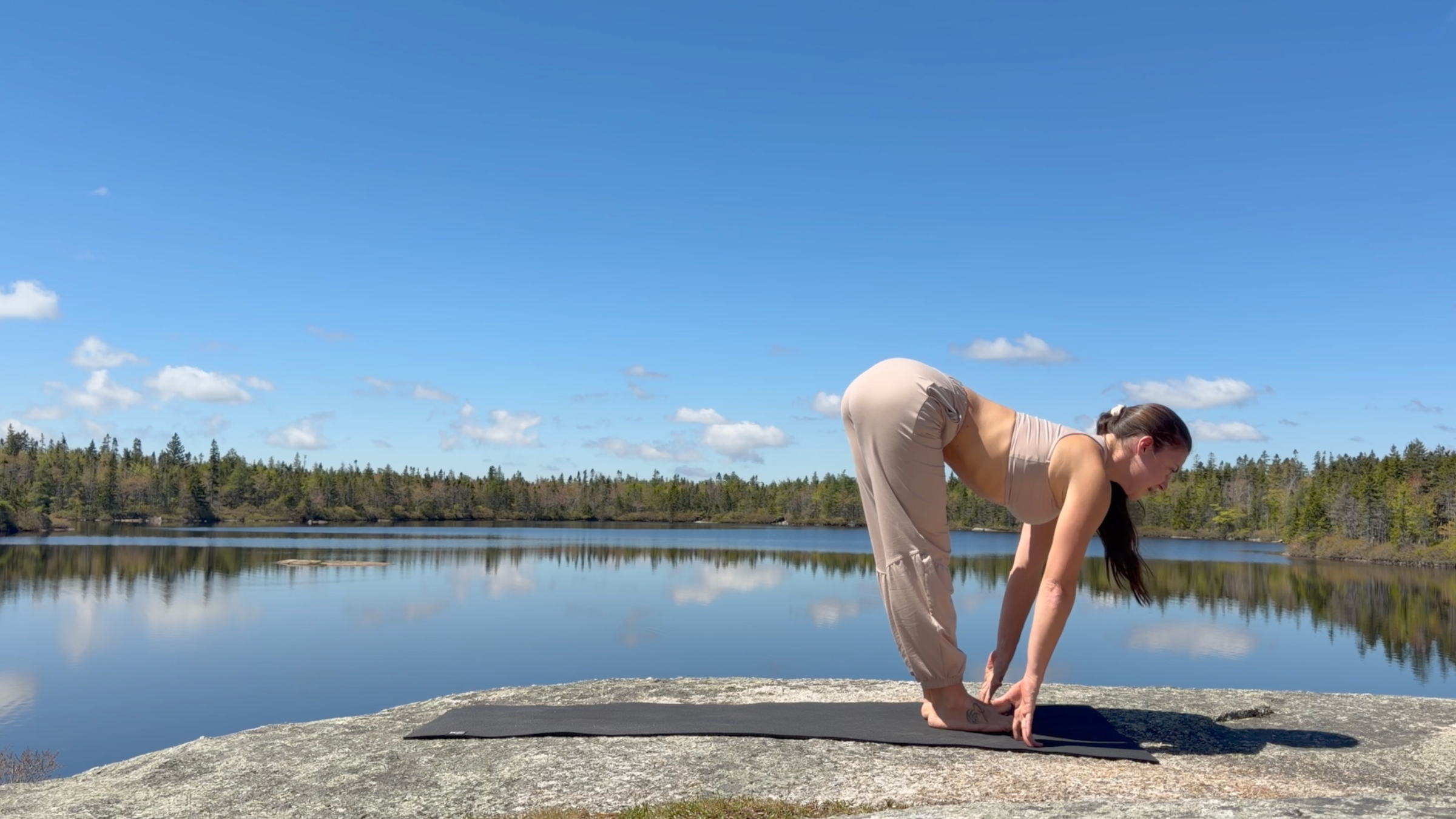
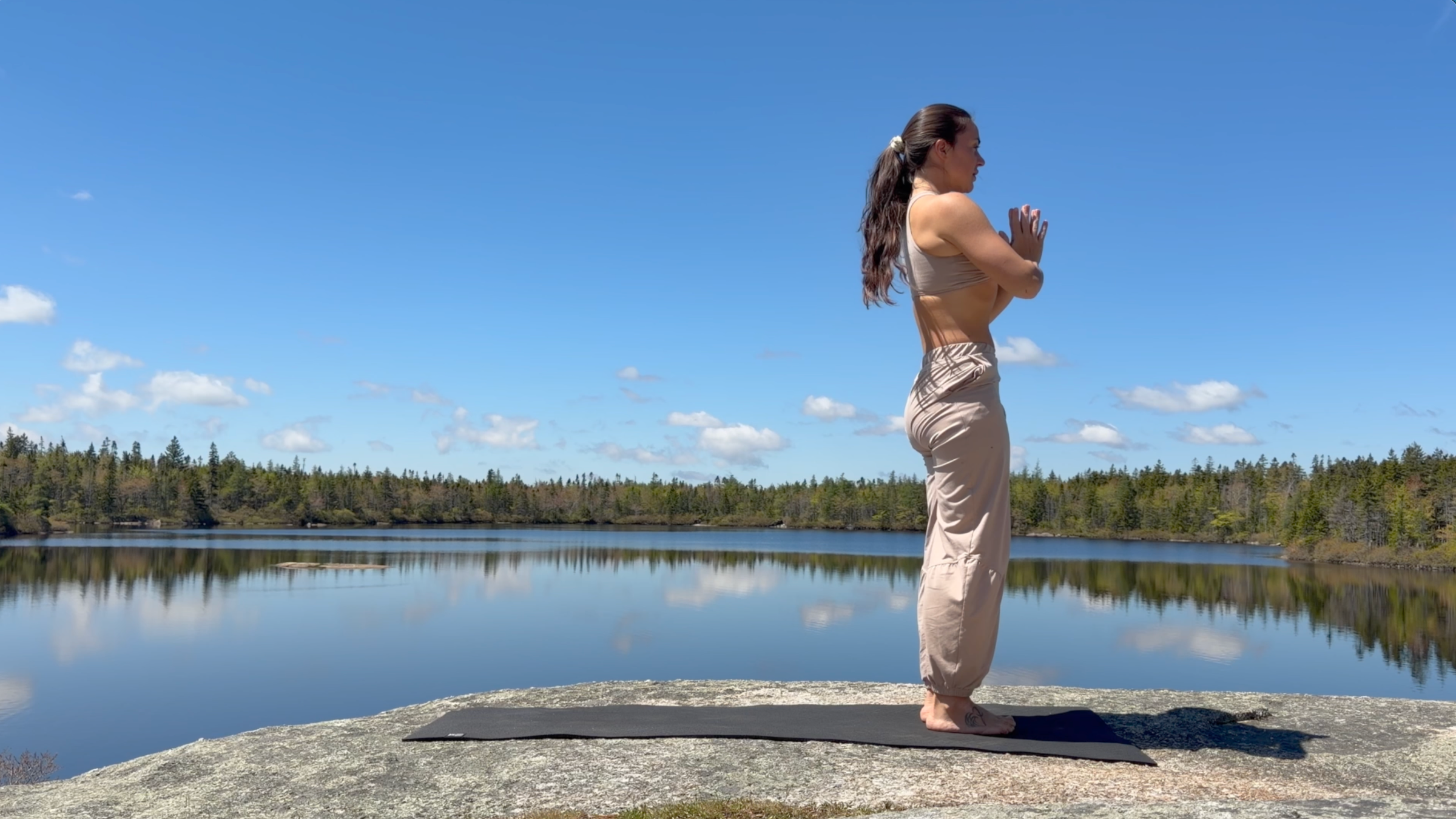
Transition to a Standing Forward Bend by walking your feet to your hands, followed by a Halfway Lift to lengthen the spine. Rise to Mountain Pose (Tadasana), reaching your arms overhead in an Upward Salute, then grounding your hands at heart center.
Integrate Spine Circles by interlacing your fingers behind your head. Circle the upper body while inhaling through the chest-opening phase and exhaling through the rounding phase. Perform five circles in each direction to lubricate the vertebrae.
Phase 4: Integration and Cooling (11:00–15:00)
The final stage involves Knees-Chest-Chin to transition into a floor-based sequence. Incorporate the Three-Legged Dog into a Low Lunge, pairing it with Half Splits to target the hip flexors and hamstrings. Repeat this on both sides to ensure symmetry.
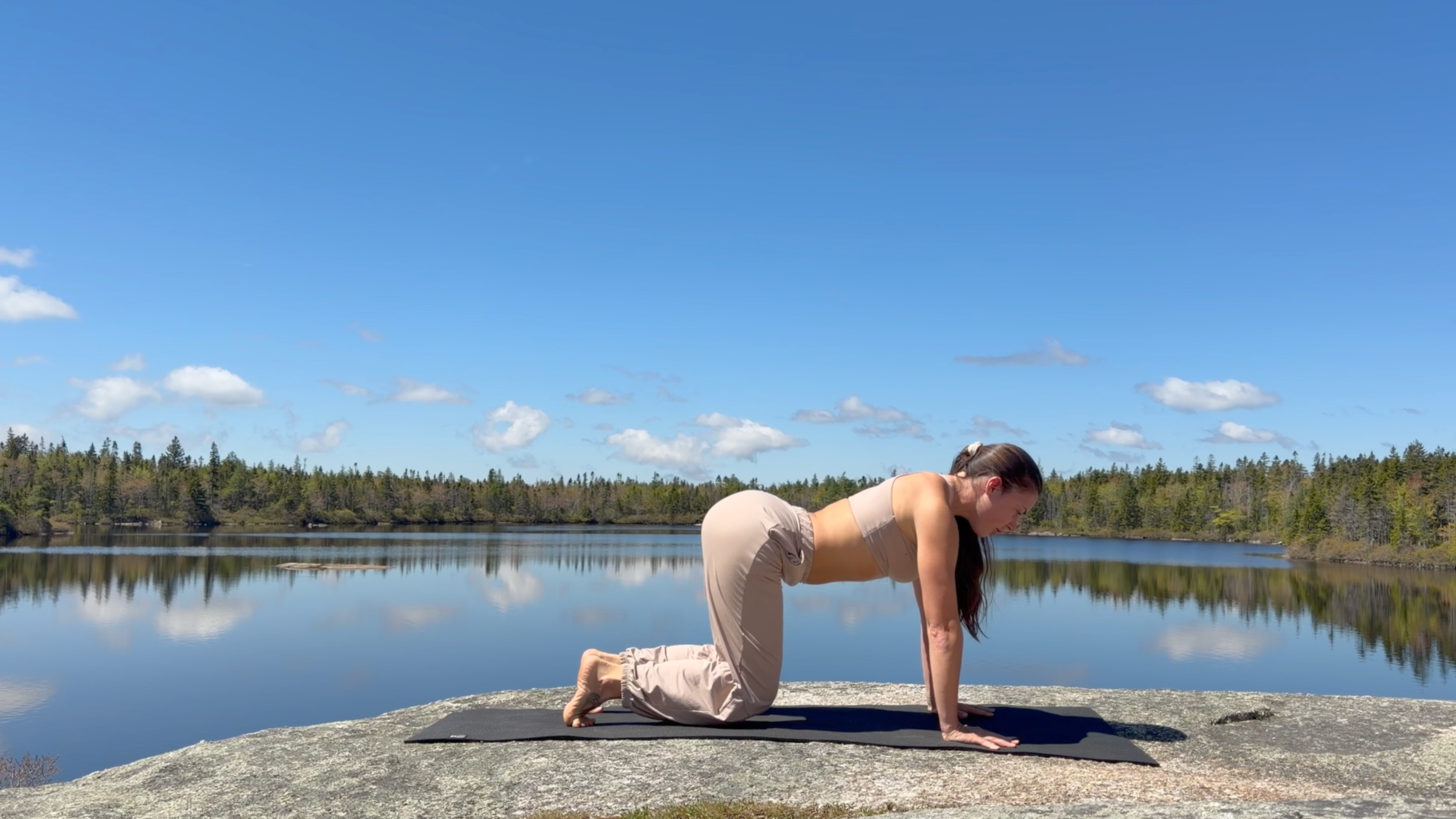
Conclude with Cat and Cow poses. Allow for "intuitive movement"—if your body craves a side-to-side sway or a deeper stretch in the shoulders, honor that. Finally, return to Child’s Pose. This closing posture is essential; it allows the work you have done to settle into the body. Stay here for as long as your morning schedule allows—even one to five minutes of stillness here can set a vastly different tone for your workday than the rush of a typical morning.
Supporting Data: The Impact on Daily Productivity
Recent studies on morning mindfulness suggest that individuals who engage in 10–15 minutes of movement before beginning their professional tasks report a 22% higher sense of "agency" or control over their workday. Unlike the "passive intake" of checking emails or social media, yoga requires "active output." By directing your attention to the breath and the physical sensation of movement, you are training your brain to prioritize focus over distraction.
Furthermore, the integration of deep breathing (pranayama) has been linked to increased heart rate variability (HRV), a key indicator of stress resilience. By starting the day with a regulated nervous system, you are better equipped to handle the inevitable stressors of the office or the household, as you have already established a "baseline of calm."
Official Perspectives: The Expert View
Leading wellness consultants and yoga instructors, such as Emily Baltzer, emphasize that the goal of this practice is not aesthetic perfection, but functional integration. "The objective isn’t to master a pose," says Baltzer. "The objective is to master your transition. By making the flow your own, you are practicing self-trust before the day even begins."
Sports physiologists have also noted that "dynamic, movement-based stretching" is superior to static stretching for morning routines, as it promotes blood flow to the muscles and synovial fluid to the joints without over-stretching cold, tight tissues.
Implications: Changing the Morning Paradigm
The implications of adopting a 15-minute morning yoga habit are significant. If you consistently trade the "scroll" for this flow, you reclaim over 90 hours of intentional time per year. More importantly, you alter the trajectory of your psychological state.
By choosing to wake up through movement rather than through digital consumption, you shift from being a reactive participant in your day to a proactive architect of it. The physical space you create on the mat—the opening of the chest, the lengthening of the spine, and the deepening of the breath—inevitably translates into a broader perspective when dealing with complex problems later in the afternoon.
In a world that demands constant, fragmented attention, a 15-minute yoga practice is a radical act of self-preservation. It is a reminder that before you are an employee, a partner, or a parent, you are a physical being who requires care. Start tomorrow; give yourself the grace of a slow, intentional awakening. Your body, and your focus, will thank you.