In an era where "hustle culture" often clashes with the biological necessity of rest, chronic insomnia has emerged as a silent epidemic. Affecting millions of people globally, this sleep disorder does more than just cause daytime fatigue; it undermines cognitive function, emotional regulation, and long-term physical health. To address this widespread concern, the American Academy of Sleep Medicine (AASM) and the Society of Behavioral Sleep Medicine (SBSM) recently commemorated Insomnia Awareness Night, an annual campaign designed to shed light on evidence-based treatments and healthy sleep hygiene.
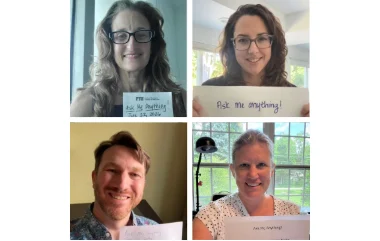
As part of this year’s initiative, the organizations hosted a high-profile "Ask Me Anything" (AMA) session on Reddit. The event featured a panel of distinguished sleep medicine specialists—Spencer Dawson, PhD; Sarah Honaker, PhD; Monica Kelly, PhD; and Jennifer Martin, PhD—who engaged directly with the public to debunk myths, provide clinical guidance, and offer a roadmap for those struggling to achieve a restorative night’s rest.
The Scope of the Crisis: Understanding Chronic Insomnia
Insomnia is clinically defined by more than just an occasional restless night. It is characterized by persistent difficulty falling or staying asleep that occurs at least three times per week and lasts for a duration of longer than three months. When these patterns significantly impair daytime functioning, it moves from a nuisance to a medical condition requiring intervention.
The recent Reddit AMA served as a digital clinic, providing a platform for the public to seek clarity amidst a sea of wellness trends, over-the-counter supplements, and wearable technology. By bridging the gap between clinical research and daily lived experience, the experts aimed to shift the narrative from "quick-fix" solutions to sustainable, behavioral health strategies.
Chronology of the Event: From Clinical Research to Community Engagement
The collaboration between the AASM and the Reddit community represents a modern approach to medical literacy. The event followed a structured engagement process:
- Preparation: The AASM mobilized experts with deep backgrounds in behavioral sleep medicine to prepare for the surge of questions regarding everything from circadian rhythms to the efficacy of cannabis and melatonin.
- Live Interaction: For several hours, the experts navigated a wide array of user inquiries. The dialogue moved quickly from general sleep hygiene to complex medical questions regarding sleep studies and hyperarousal.
- Synthesis: Following the session, the insights were distilled to provide the public with clear, actionable takeaways that separate clinical best practices from anecdotal folklore.
Supporting Data: The Reality of Modern Sleep Habits
The questions posed by the Reddit community highlighted a profound anxiety regarding modern sleep aids. Many users reported using technology and supplements to compensate for what they perceive as a "sleep deficit." The experts utilized this opportunity to provide context based on current scientific literature.
The Myth of "Catching Up" on Sleep
One of the most pervasive beliefs in society is the idea of "banking" sleep. Users frequently asked whether weekend sleep-ins could offset weekday sleep deprivation. Dr. Jennifer Martin addressed this with a nuance: while studies indicate that sleeping more on weekends is superior to maintaining a state of chronic deprivation, it is not a perfect substitute. Long-term health and cognitive well-being rely on the consistency of seven or more hours of sleep on a nightly basis. The body’s internal clock, or circadian rhythm, thrives on regularity, not the "binge-and-purge" cycle of weekday exhaustion followed by weekend oversleeping.
The Role of Wearable Technology
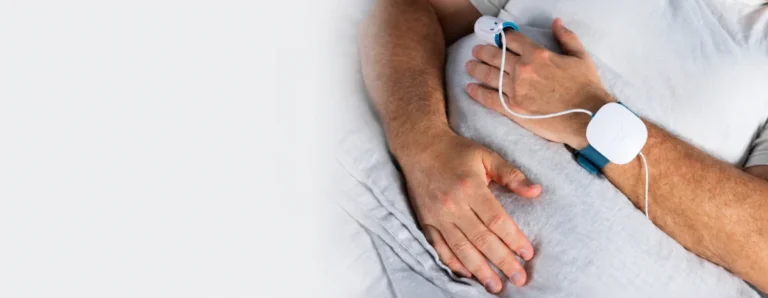
In the age of the Apple Watch and Oura Ring, data-driven sleep tracking has become a common habit. Dr. Sarah Honaker provided a balanced view: while these devices can be useful tools for accountability—such as encouraging a consistent bedtime—they are not infallible medical diagnostic tools. She warned of "orthosomnia," a condition where the obsession with tracking sleep data creates the very stress and anxiety that prevents sleep from occurring. The ultimate metric, she noted, is not a graph on a smartphone app, but how an individual feels throughout the day.
Official Responses: Expert Guidance on Common Sleep Challenges
The panel provided definitive stances on several controversial topics, effectively prioritizing clinical gold standards over popular trends.
Supplements and Placebos
Addressing the growing market for sleep supplements, Dr. Jennifer Martin was candid. She noted that the supplement industry is outpacing scientific verification. Regarding the use of microdosed THC and melatonin, the experts emphasized that high-quality, large-scale studies are lacking. While melatonin is effective for circadian rhythm disorders like jet lag or delayed sleep-wake phase disorder, it is not a "cure-all" for chronic insomnia.
The experts highlighted a psychological phenomenon: many sleep aids work simply because the user believes they will. This "placebo effect" reduces the psychological pressure to fall asleep, which in turn allows the brain to transition into rest. However, for those with clinically diagnosed insomnia, the consensus remains that Cognitive Behavioral Therapy for Insomnia (CBT-I) is the first-line, gold-standard treatment.
Binaural Beats and Auditory Distractions
When asked about the efficacy of binaural beats, Dr. Spencer Dawson explained that the scientific evidence is sparse. However, he did not dismiss them entirely. If a specific soundscape—whether binaural beats, a podcast, or an audiobook—serves as a "pleasant and relaxing distraction" that pulls the mind away from anxious, racing thoughts, it can be a useful tool in the toolkit of bedtime rituals.
The Mystery of Early Morning Awakenings
A common concern raised by the community involved waking up at 4:00 or 4:30 a.m. and being unable to return to sleep. Dr. Dawson emphasized that this is a multifaceted issue. It could stem from:
- Circadian Phase Advances: Naturally occurring as individuals age.
- Biological Needs: Some individuals simply require less total sleep than the societal standard.
- Underlying Disorders: Conditions such as obstructive sleep apnea, anxiety, or depression can trigger early awakenings.
Dr. Dawson’s advice was clear: do not force sleep. If you find yourself awake, give your body the opportunity to rest, but avoid the frustration of "trying" to sleep, which often triggers the sympathetic nervous system and keeps the brain in a state of alert hyperarousal.
Implications: The Path Forward for Sleep Health
The implications of the Insomnia Awareness Night AMA are profound. It underscores a shift in how society views sleep—moving away from the idea that it is a luxury to be managed by gadgets and pills, and toward the understanding that it is a physiological function that responds best to behavioral, psychological, and medical consistency.
For those struggling with frequent arousals or persistent insomnia, the experts’ message was a call to action: seek professional help. A clinical sleep study, if recommended by a physician, can identify underlying pathologies that no amount of melatonin or meditation can fix.
Conclusion
As the global community continues to navigate a high-stress, always-on environment, the lessons from the American Academy of Sleep Medicine are more relevant than ever. The key to a better night’s rest is not found in a bottle of supplements or the latest wearable device, but in the disciplined application of healthy sleep hygiene and the courage to seek professional guidance when those habits are not enough.
Insomnia Awareness Night serves as a vital reminder that sleep is not a passive activity; it is the cornerstone of our mental and physical health. By fostering a culture of informed, evidence-based sleep practices, we can reclaim the night and, in turn, improve the quality of our days.
For those interested in the full conversation, the Reddit AMA remains accessible for review, offering a deep dive into the nuanced questions and expert-led solutions discussed by these leading figures in sleep medicine.