









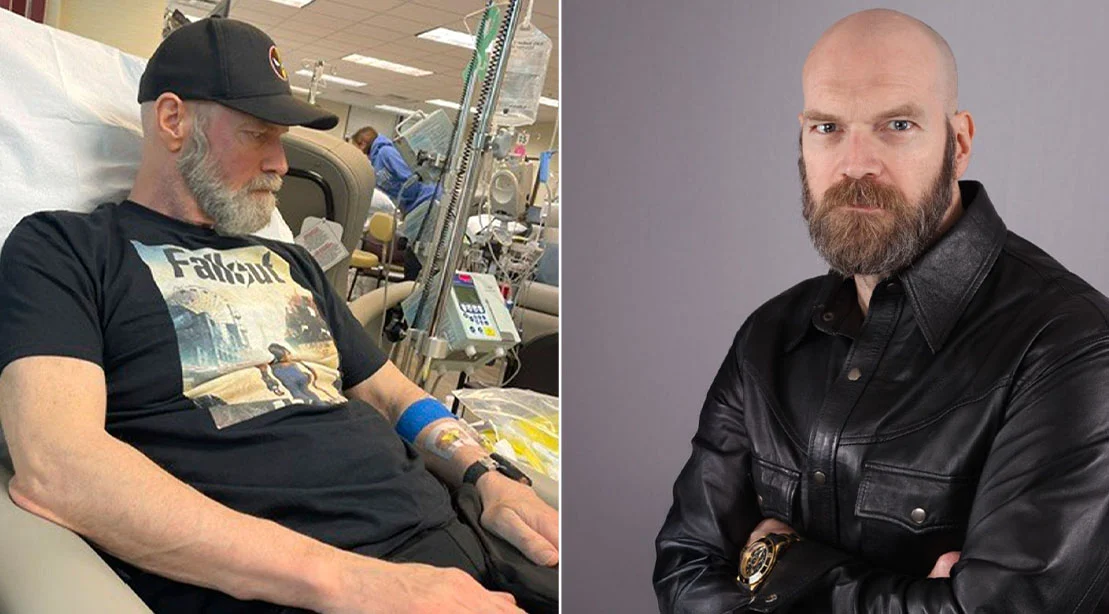
Tyler Mane has spent his career playing the “heavy.” Standing at a towering 6’8", the former professional wrestler is etched into pop culture history as the man who traded blows with André the Giant in Japan and faced off against legends like Sting and the British Bulldog in WCW. On the silver screen, he cemented his legacy as a cinematic powerhouse, bringing terrifying physicality to iconic roles such as Sabretooth in X-Men and Deadpool & Wolverine, and becoming the tallest actor to ever portray the masked slasher Michael Myers in the 2007 Halloween reboot and its 2009 sequel.
However, Mane is currently starring in a role that transcends his Hollywood resume. After a private battle with breast cancer—a diagnosis often overlooked in men—Mane is stepping into the spotlight not as a villain, but as an advocate. By sharing his journey with raw transparency, the actor is dismantling the stigma surrounding male health, urging men to abandon the “tough it out” mentality and embrace the necessity of early detection.
The Chronology of a Silent Threat
Mane’s journey to diagnosis was not one of obvious warning signs, but rather a subtle discovery born of personal discipline. Following a period of professional expansion—during which he focused on his production company, Mane Entertainment, and the promotion of his "The Last Spartan" graphic novel series—Mane decided to prioritize his health. Entering the winter of 2025, he committed to a rigorous fitness regimen, eliminating alcohol and focusing on clean nutrition.
As he successfully shed body fat, he noticed something peculiar: a lump on the side of his chest. His initial instinct was to dismiss it. "I was like, ‘Oh, that’s just… I probably tweaked something. It’s nothing,’" Mane recalls. But his wife, Renae, refused to let him brush it aside. Her persistence, coupled with the recent, tragic loss of his brother to a heart attack, prompted Mane to take the matter seriously.
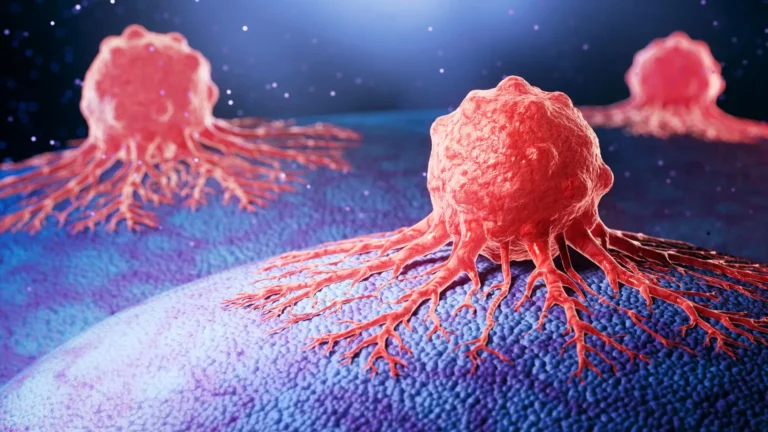
After a professional medical evaluation and subsequent biopsy, the unthinkable was confirmed: Invasive Ductal Carcinoma (IDC). This diagnosis represents approximately 80% of all breast cancer cases, yet it remains a condition that many men mistakenly believe is exclusive to women. Mane’s case was particularly aggressive, classified as a fast-moving Oncotype, making the timing of his discovery—and his wife’s insistence on testing—the definitive factor between a manageable health challenge and a life-threatening crisis.
Supporting Data: The Invisible Reality for Men
While the societal narrative surrounding breast cancer is almost exclusively focused on women, the reality for men is sobering. According to data from the American Cancer Society, an estimated 2,670 men will be diagnosed with breast cancer in the United States this year alone, with roughly 530 expected to succumb to the disease.
The disparity in survival rates often stems from a lack of awareness and a dangerous cultural bias. Research from the Health Policy Partnership indicates that men are up to 50% less likely to seek medical attention than women, often citing the need to “suck it up,” financial pressures, or the false assumption that symptoms will simply resolve on their own.
Mane’s diagnosis serves as a statistical wake-up call. He emphasizes that the “it’ll go away” mindset is a luxury that cancer patients cannot afford. By bringing his own battle to the public, Mane is working to bridge the gap between medical science and the masculine ego, proving that strength is not defined by silence, but by the courage to seek help.
The Road to Recovery: Chemotherapy and Beyond
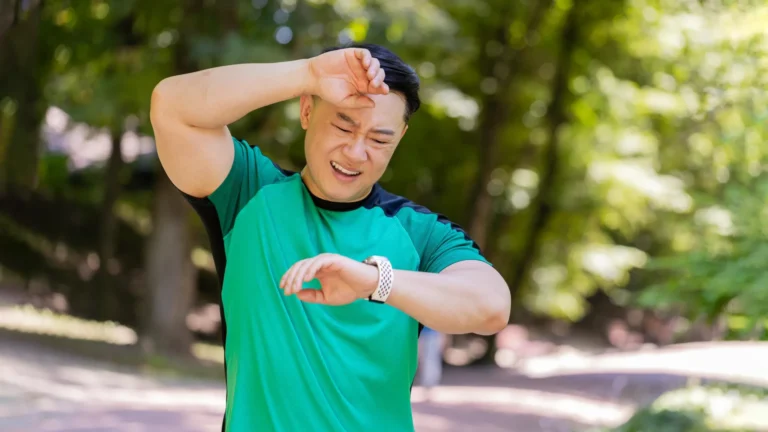
The treatment protocol for Mane has been as demanding as any wrestling match. After his diagnosis, he underwent four intensive sessions of chemotherapy. The physical toll was immediate and undeniable; Mane lost his signature beard after just the first session and grappled with a host of side effects ranging from severe cramping due to dehydration to debilitating hives and limited range of motion in his arm.
Despite the intensity of the treatment, Mane’s approach has been one of tactical resolve. He emphasizes that his “win” came from following the professional medical path—relying on oncologists, chemotherapy, and upcoming radiation therapy—rather than seeking shortcuts.
"I did four sessions, and they progressively got a little worse," Mane notes. "But now I’m at the stage where it’s done, I’m moving forward, we’re good." The actor is now entering a four-week phase of radiation therapy—short, ten-minute daily sessions designed to ensure no malignant cells remain. Throughout this ordeal, Mane has maintained a focus on his return to the gym, viewing his recovery as another training camp. He lost roughly ten pounds during his treatment and is eager to rebuild his strength, joking with his wife that he is currently on "the road back to beard."
Implications: Changing the Conversation
The most significant impact of Mane’s experience is his commitment to changing how men interact with the healthcare system. He is launching the Main AF with Tyler & Renae podcast, scheduled to drop on August 27, 2026. The platform is designed to be a hub for factual, science-backed discussions, featuring medical professionals and guests who have navigated similar life-altering challenges.
Mane is particularly vocal about the dangers of internet-based misinformation. He warns that while holistic or alternative therapies might hold a place in a broader wellness strategy, they should never serve as a substitute for professional medical care.
"See your doctor, because that’s where the science is. That’s where the training is," Mane says. "If chemotherapy is recommended, or radiology is recommended, do what you have to do to keep healthy."
His advocacy is already resonating. During a recent convention appearance, a fan approached him to share the tragic story of his father, who had discovered a lump similar to Mane’s but waited too long to seek treatment. By the time he was diagnosed, the cancer had reached stage 4, ultimately leading to his passing. This interaction reinforced for Mane that his visibility is not just about his acting career, but about the potential to save lives.
A Call to Action
Mane’s message is simple but profound: "There’s a 40% chance that anyone will get some form of cancer in their lifetime. So those are pretty high odds. There’s a 100% chance that we know someone who has gone through it."
For the men who look up to the screen icon—the fans who have watched him tear through scenes as a relentless antagonist—Mane is now offering a different kind of lesson. Being "tough" doesn’t mean ignoring a physical anomaly; it means confronting it with the same intensity one would bring to a championship match.
He encourages men to be their own best advocates. If a doctor says a lump is "probably nothing," insist on the test anyway. If something feels off, prioritize the appointment over the schedule. By taking control of his health, Tyler Mane has transitioned from the villain of the cinema to a champion of public health, proving that the most heroic act a man can take is the act of seeking care.
As he looks toward the future, the Halloween star remains focused on his recovery, his podcast, and his mission. He isn’t just surviving; he is actively working to ensure that other men have the chance to fight alongside him. With the launch of his podcast and his continued presence on social media, Mane is ensuring that the conversation around male breast cancer is no longer a whisper, but a roar.