



In a modern medical landscape often defined by standardized protocols and "one-size-fits-all" prescriptions, a quiet revolution is taking place. Ayurveda, the ancient Indian system of medicine, is increasingly being recognized for its radical departure from conventional practices. At its core, Ayurveda posits a fundamental truth: no two bodies, and no two beings, are identical. This philosophy of radical individualization is the cornerstone of its success, transforming the way we perceive health, disease, and the path to recovery.
While allopathic medicine might categorize a patient with diabetes into one of two primary types, Ayurveda identifies twenty distinct classifications of the condition. Similarly, where modern medicine might address pain with a universal analgesic, Ayurveda dissects pain through the lenses of Vata, Pitta, and Kapha doshas. This level of nuance necessitates a highly sophisticated approach, one that moves beyond treating symptoms to addressing the root cause—or samprapti—of an imbalance.
The Foundation: Understanding the Individual Path
The efficacy of an Ayurvedic treatment protocol is directly proportional to how well it is tailored to the individual. A practitioner’s primary role is to act as a diagnostic architect, identifying the specific qualities—such as heat, cold, dryness, or heaviness—that are out of balance within a patient.
This diagnostic process is not merely a survey of symptoms; it is an investigation into the patient’s Prakruti (their natural, balanced state) and their Vikruti (the current state of imbalance). By understanding the strength of the patient’s Agni (digestive fire) and the extent of Ama (toxin accumulation), a practitioner can design a roadmap to wellness that is as unique as the individual’s own fingerprint.
The Three Stages of Panchakarma
The most potent tool in the Ayurvedic arsenal is Panchakarma, a systematic detoxification process designed to purge the body of deep-seated impurities. While the term translates to "Five Actions," the process is far more than a simple cleanse; it is a three-stage medical intervention that requires meticulous oversight.
Stage 1: Purvakarma – The Preparation
Before any detoxification can occur, the body must be prepared. Purvakarma is the preparatory phase, essential for kindling the Agni and mobilizing toxins. This stage is highly variable; for one patient, the path to reigniting digestion might involve the use of ginger pickles, while for another, it may require specific herbal teas or hot water regimens.
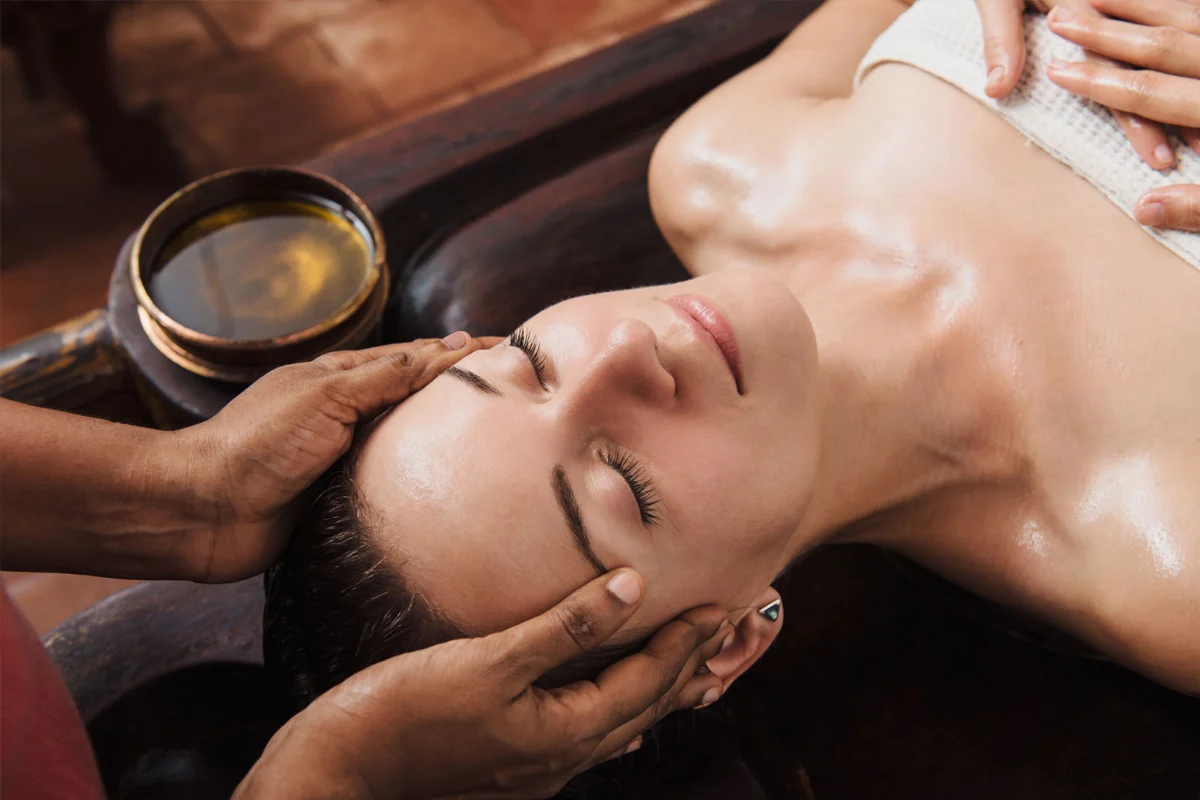
Parallel to this, the patient undergoes internal oleation. By introducing medicated ghees or specialized oils into the system, the practitioner lubricates the tissues, effectively "loosening" toxins that have been lodged in the deep layers of the body. This process draws these impurities into the digestive tract, preparing them for the primary elimination phase.
Stage 2: Pradhanakarma – The Five Actions
Once the body is fully saturated and the toxins are mobilized, the patient enters Pradhanakarma. This is the stage of active elimination, categorized by five distinct therapeutic actions:
- Virechana (Purgation): Targeting the small intestine, liver, and gallbladder, this therapy uses herbal laxatives to purge excess Pitta. It is particularly effective for inflammatory conditions.
- Basti (Enema Therapy): Focused on the colon—the seat of Vata—this involves the administration of herbalized oils or decoctions. Unlike standard medical enemas, Basti is designed to nourish the colon lining and rebalance the body’s systemic energy.
- Vamana (Emesis): Reserved for specific imbalances, this process uses salt water and licorice tea to pull excess Kapha (phlegm) from the stomach. It is a highly specialized procedure, strictly indicated for those with significant respiratory or congestive issues.
- Nasya (Nasal Administration): The application of oils into the nasal passages serves to clear the head space. It is a vital treatment for brain fog, sinus congestion, and memory-related imbalances.
- Raktamoksha (Blood Cleansing): Considered the most profound method for clearing lingering Ama from the blood, this practice has historical roots in leech therapy. In the United States, practitioners often utilize alternative, non-invasive methods to achieve similar results, emphasizing the "life-giving" (jivanam) nature of healthy blood circulation.
Stage 3: Paschyatkarma – The Post-Treatment Restoration
Panchakarma is an intensive, metabolically demanding process. Once the toxins are eliminated, the body is left in a sensitive state. Paschyatkarma is the crucial final stage where the practitioner designs a re-entry plan. This includes a transition diet and lifestyle adjustments meant to rebuild tissues, restore digestive strength, and ensure that the body does not slip back into its previous state of imbalance.
The Vital Role of the Practitioner
A common misconception is that Panchakarma is a standardized "spa treatment" that can be performed by anyone. On the contrary, the clinical literature emphasizes that without an experienced, trained practitioner, the detoxification process can be physically and energetically taxing.
If a patient attempts a rigorous detox without considering their unique Agni or dosha profile, they risk aggravating existing imbalances. An expert practitioner acts as a safety valve, constantly monitoring the patient’s response during the three stages and adjusting the protocol in real-time. This dynamic responsiveness is what separates a healing experience from a potential health risk.
Implications for Modern Wellness
As Ayurveda gains traction in Western integrative medicine, the demand for qualified practitioners has surged. The challenge for patients today is to look beyond the marketing of "detox retreats" and seek out centers that prioritize deep, individual assessment.
The implications for the future of healthcare are clear: the more we embrace the individuality of the patient, the higher our success rate in treating chronic conditions. Ayurveda offers a blueprint for this shift. By aligning one’s wellness values with a practitioner who understands the complexity of samprapti, individuals can move from simply managing symptoms to achieving a state of lasting vitality.
Conclusion: Choosing Your Path
Whether you are seeking relief from chronic pain, metabolic issues, or simply looking to reset your system, the individualized nature of Ayurveda is its greatest strength. However, this strength relies entirely on the quality of the guidance you receive.
As you explore the world of Ayurvedic healing, remember that the success of your journey—especially one as deep as Panchakarma—depends on your choice of practitioner. Align yourself with those who view you as a unique biological entity rather than a diagnostic code. For those interested in the rigorous training required to provide this level of care, or those looking for professional, guided healing environments, resources like the Ayurvedic Studies Program or institutions like SoHum Mountain Healing Resort represent the gold standard in maintaining the integrity of this ancient, life-changing science.
In the final analysis, health is not a destination but a process. By honoring the unique needs of your body through the personalized lens of Ayurveda, you are taking the most essential step toward long-term, holistic well-being.