By [Your Name/Journalistic Staff]
Published: August 21, 2026
The healthcare sector has long served as a primary target for malicious cyber actors, primarily due to the immense value of protected health information (PHI) on the black market and the critical nature of clinical uptime. While hospitals and healthcare providers have historically borne the brunt of these digital incursions, 2026 has marked a chilling pivot: the medical technology (medtech) industry is now firmly in the crosshairs.
For years, major medical device manufacturers operated with the assumption that their proprietary manufacturing systems and supply chain infrastructures were relatively insulated. However, a string of high-profile disclosures throughout this year has shattered that perception. From global manufacturing giants like Stryker and Medtronic to specialized diagnostic firms like iRhythm and Baylor Genetics, the medtech sector is currently navigating a wave of sophisticated cyberattacks that threaten patient safety, supply chain stability, and corporate integrity.
The New Reality: A Shift in Threat Landscapes
In the past, medtech cyber-resilience was often viewed through the lens of device security—ensuring that an insulin pump or a pacemaker could not be remotely hacked. While those concerns remain valid, the current surge in attacks is fundamentally different. These are not merely attempts to compromise individual devices; they are broad, systemic strikes against corporate digital infrastructure.
The impact of these attacks has been immediate and measurable. When the digital environments that govern ordering, shipping, and manufacturing are compromised, the physical world of healthcare stops. Surgeons are left without equipment, clinics cannot access diagnostics, and patient care pathways are abruptly severed.
A Chronology of Escalation: 2026 in Focus
The pattern of incidents this year suggests a coordinated or opportunistic targeting of the medtech supply chain.

Q1: The Stryker Disruption
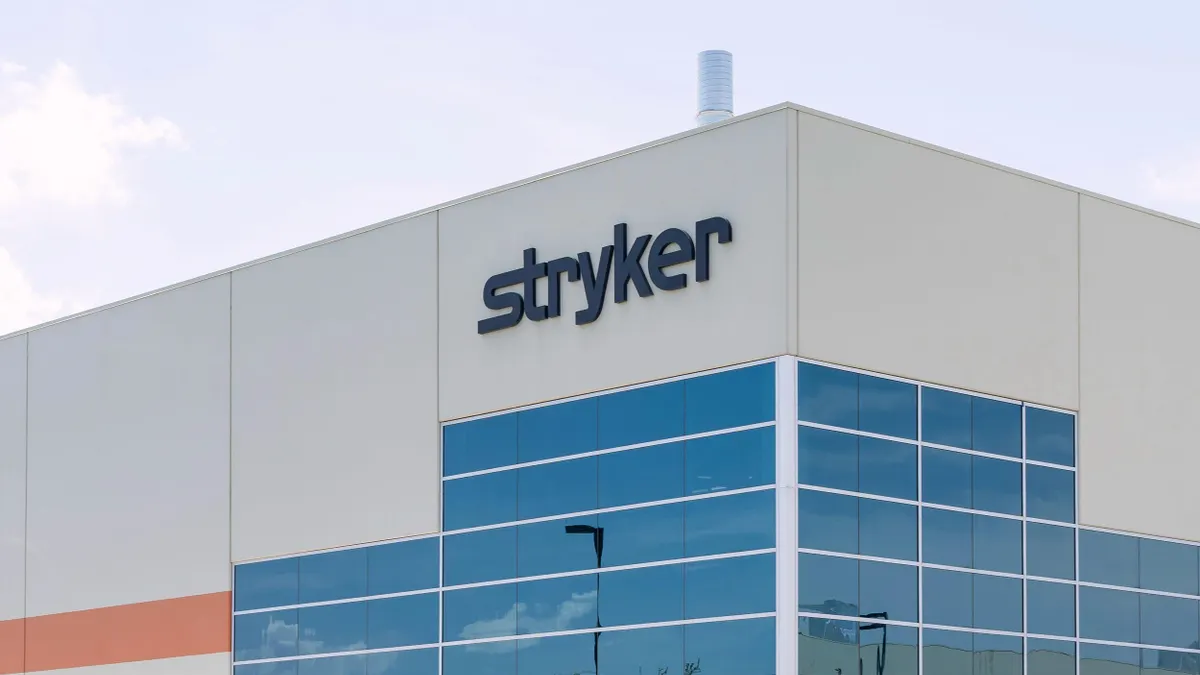
The industry’s wake-up call came in early 2026 when Stryker, a titan in the orthopedic and surgical equipment market, disclosed a significant cyberattack. The breach targeted the company’s global Microsoft environment, triggering a cascade of failures. For weeks, Stryker’s ordering, shipping, and manufacturing capabilities were essentially paralyzed. The impact was not just operational; it was financial. The company’s first-quarter earnings report reflected the heavy toll of the downtime, and as of July, the company was still engaged in the arduous process of full restoration.
Q2: Expanding the Net
Days after the Stryker breach, Intuitive, the pioneer of robotic-assisted surgery, reported a phishing incident that led to the compromise of sensitive employee and customer data. This event signaled that the industry’s vulnerability extended beyond manufacturing floors to the human element of corporate networks.
As the months progressed, the list of affected entities grew rapidly:
- Medtronic: One of the world’s largest medical device companies faced its own cybersecurity crisis, highlighting that even the most robust organizations are not immune.
- Abbott: A global healthcare leader saw its systems targeted, adding to the growing list of high-profile firms forced to divert resources toward incident response.
- iRhythm and AdaptHealth: These firms, which provide vital monitoring and home medical equipment, were also breached, illustrating that the threat spans the entire continuum of care.
Q3: Recent Developments
The cycle of attacks has shown no sign of slowing as we move into the second half of the year. This month, Cook Medical and Baylor Genetics joined the roster of victims. The Baylor Genetics breach is particularly concerning, as it involved the potential unauthorized access to deeply sensitive patient information, including test results, Social Security numbers, and financial account details. This shift from operational disruption to large-scale data exfiltration represents a secondary, yet equally dangerous, front in this cyber war.
Supporting Data: Why Medtech?
The economic motivation behind these attacks is clear. According to cybersecurity analysts, medical records are worth significantly more on the dark web than credit card numbers. A complete health record, which includes insurance information and medical history, provides enough data for sophisticated identity theft, insurance fraud, and extortion.
Furthermore, the "Just-in-Time" delivery model that has become the standard for modern healthcare supply chains has created a "brittleness" that cybercriminals are eager to exploit. Because hospitals hold minimal inventory, a one-week shutdown of a major manufacturer like Stryker creates an immediate, life-threatening vacuum in surgical supplies. This creates massive leverage for ransomware operators: the company must pay to resume operations, or patients will literally go without necessary surgery.

Official Responses and Corporate Accountability
The response from the affected companies has been largely uniform: an emphasis on transparency, the initiation of third-party forensic investigations, and the notification of relevant law enforcement agencies.
In official statements, companies have highlighted the following steps:
- Forensic Investigation: Engaging top-tier cybersecurity firms to determine the scope of the breach and identify the point of entry.
- Infrastructure Hardening: Implementing enhanced multi-factor authentication (MFA), network segmentation, and stricter access controls to prevent future lateral movement by attackers.
- Communication: Notifying affected employees and patients. In the case of Baylor Genetics, this involves providing credit monitoring services for those whose PII (Personally Identifiable Information) may have been exfiltrated.
However, industry experts suggest that "standard" corporate responses may no longer be enough. Investors and regulators are beginning to demand more than just reactive measures; they are calling for a fundamental restructuring of how medtech firms manage their digital risk, moving from a compliance-based approach to a "security-by-design" methodology.
The Broader Implications for Healthcare
The implications of this trend extend far beyond the balance sheets of the affected firms.
1. The Stability of the Supply Chain
When large-scale manufacturers are offline, the downstream effects are felt in every hospital in the country. The reliance on centralized, cloud-based ERP (Enterprise Resource Planning) systems has created a single point of failure. If one company’s global environment is compromised, the entire clinical ecosystem relying on that company’s parts is jeopardized.
2. Patient Trust
Data breaches of genetic testing firms like Baylor Genetics carry a unique stigma. Patients provide this data under the assumption that it is the most protected information in the world. When this trust is broken, it can have a chilling effect on the adoption of new medical technologies and diagnostic tools, ultimately slowing the pace of clinical innovation.

3. Regulatory Pressure
The FDA and other global regulators are likely to tighten requirements for cybersecurity disclosures and testing. We should expect future device approvals to hinge not just on clinical efficacy, but on the manufacturer’s ability to prove that their entire corporate network—not just the device itself—is hardened against state-sponsored or organized-crime-level cyber threats.
Conclusion: The Path Forward
The "Stryker-Medtronic-Abbott" era of cybersecurity demonstrates that no company, regardless of its size or sophistication, is safe from the current wave of digital aggression. The medical device industry is at a crossroads. As companies digitize their operations to increase efficiency, they have inadvertently increased their surface area for attack.
The coming year will be a critical test. Will the industry adopt a collaborative approach to threat intelligence, or will companies continue to silo their security data? For now, the takeaway is clear: the digital walls of the medtech industry have been breached, and the recovery process will be a defining theme for the sector for the foreseeable future. As the industry moves forward, the focus must shift from merely "recovering from the last attack" to "architecting a resilient future" where the delivery of life-saving technology is not dependent on the whims of global cyber-extortionists.