In the modern fitness landscape, we are often conditioned to equate lower-body power with the "gritty" metrics of the weight room: the weight on a barbell during a back squat, the explosive force of a deadlift, or the sheer volume of reps performed during a high-intensity circuit. However, as we cross the threshold of age 50, the definition of functional strength shifts. It is no longer just about the ability to move heavy objects; it is about the capacity to maintain stability, control, and endurance under constant tension.
The wall sit—a deceptively simple isometric exercise—has emerged as a gold-standard diagnostic tool for assessing functional longevity. It does not require a gym membership or specialized equipment, yet it provides a remarkably accurate snapshot of how well your legs can withstand the natural decline in muscle mass and endurance that often accompanies aging.
The Science of Isometric Strength
At its core, the wall sit is an assessment of isometric strength. Unlike dynamic movements like walking, running, or squatting—which involve concentric (shortening) and eccentric (lengthening) muscle contractions—an isometric hold requires your muscles to generate force without changing length.
When you slide your back against a wall and hold a seated position, you are placing your quadriceps, glutes, and core under continuous, unyielding tension. This is a profound test of "strength endurance." Many younger individuals who pride themselves on their ability to move quickly through high-intensity workouts often find themselves failing this test. Why? Because the wall sit requires something more difficult than speed: it requires patience, mental fortitude, and the ability to stabilize the joints against the inevitable onset of the "burn."
Chronology: Understanding the Aging Process in the Lower Body
To understand why the wall sit is such a critical benchmark after 50, we must look at the physiological changes that occur in the human body during the fifth decade of life and beyond.
- The Sarcopenia Factor: Starting in our 30s and accelerating rapidly after 50, the body begins a natural process known as sarcopenia—the involuntary loss of skeletal muscle mass and strength. This is not merely a cosmetic concern; it directly impacts mobility, balance, and metabolic health.
- Neuromuscular Decline: As we age, the communication between our brain and our fast-twitch muscle fibers can diminish. Isometric exercises help reinforce these neural pathways, keeping the "connection" between the nervous system and the muscles sharp.
- The Functional Pivot: In your 20s and 30s, leg strength is often defined by peak power output. By 50, the priority shifts to postural control. The ability to hold a wall sit signifies that your stabilizer muscles—those surrounding the hips and knees—are still capable of supporting your body weight effectively during static, high-effort situations.
Supporting Data: Why This Test Holds Weight
Research published in journals such as the Journal of Strength and Conditioning Research highlights that isometric endurance is a potent predictor of lower-limb stability. Unlike a one-rep max test, which carries a higher risk of injury for the unconditioned, the wall sit is self-limiting. If your form breaks down, you simply slide down or stand up, making it a safe yet highly revealing metric.
The "burn" you feel during a wall sit is the result of blood flow occlusion. As your quads remain contracted, they compress the blood vessels within the muscle, limiting oxygen delivery. Your body must then rely on anaerobic metabolism to sustain the position. A longer hold time indicates that your muscles have adapted to operate efficiently under these hypoxic conditions—a hallmark of superior physical conditioning.
The Official Protocol: How to Perform the Test
To ensure your test results are valid and comparable over time, you must adhere to a strict protocol. Consistency in setup is the difference between a vanity metric and a true health assessment.
The Standardized Setup
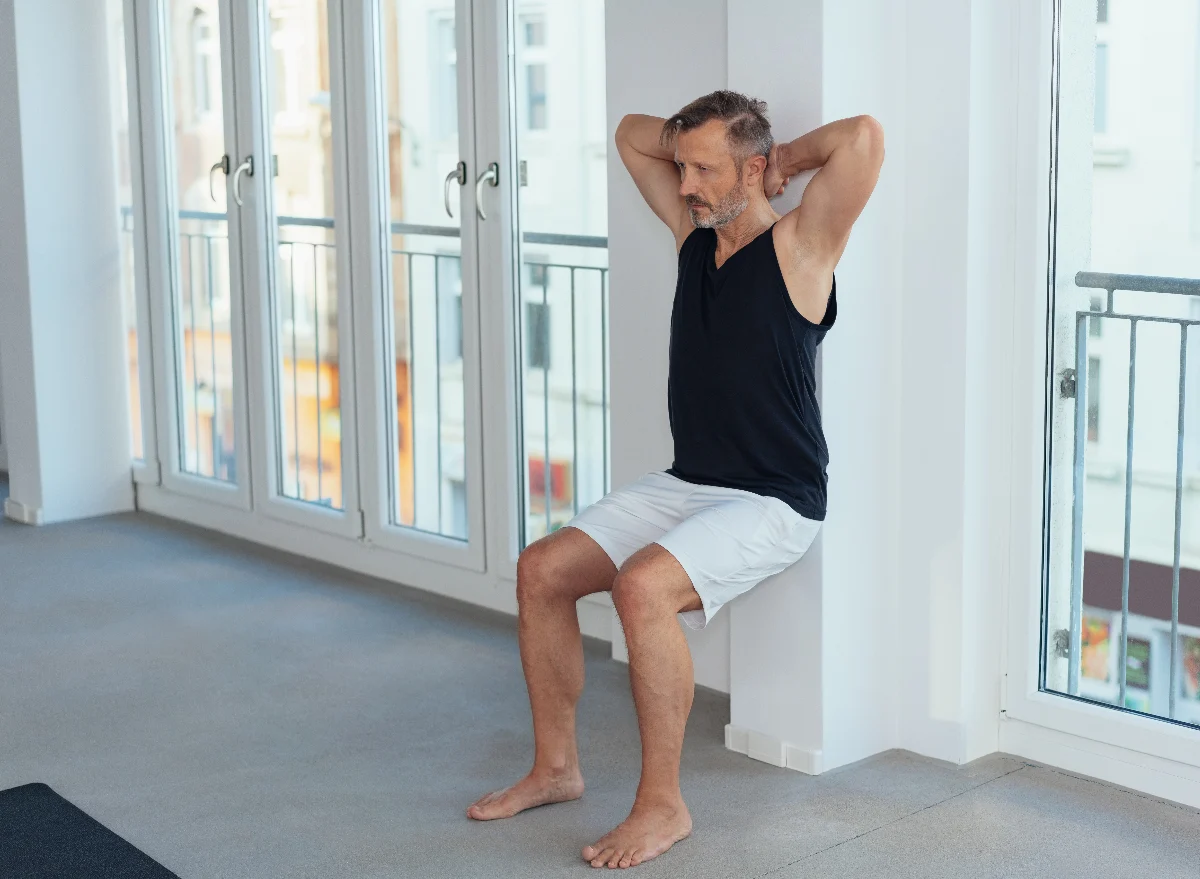
- Positioning: Stand with your back flat against a sturdy wall. Place your feet about shoulder-width apart and walk them out about 12 to 18 inches from the base of the wall.
- The Descent: Slowly slide your back down the wall until your thighs are parallel to the floor (a 90-degree angle at the knees). If this is too difficult, start at a shallower angle (120 degrees) and work your way down.
- Alignment: Ensure your knees are directly over your ankles. Your weight should be distributed evenly through your heels and the balls of your feet. Keep your head, shoulders, and lower back firmly pressed against the wall throughout the duration of the test.
- The Clock: Start your timer the moment you reach your target depth and stop it the second you feel your form break (e.g., your knees cave inward, your back peels off the wall, or you feel sharp joint pain).
Interpreting Your Results
Once you have established your baseline, use the following guide to understand where your leg endurance stands:
- 0–30 Seconds (The Foundation Phase): This is a starting point. It indicates that your legs have the basic strength required for daily tasks, but there is significant room for improvement in endurance. Focus on consistent, shorter sets.
- 30–60 Seconds (The Active Base): You have established a solid level of control. Your quads are capable of sustaining tension, providing you with a reliable base for activities like hiking, stair climbing, and general mobility.
- 60–90 Seconds (The Performance Zone): This is an excellent score for those over 50. It indicates that your muscles are well-conditioned to handle fatigue and that you possess the core and lower-body stability necessary for an active lifestyle.
- 90+ Seconds (The Elite Tier): Holding a perfect-form wall sit for over a minute and a half is an impressive feat of physical longevity. It suggests that your neuromuscular system is highly efficient and that your legs are effectively resisting the natural decline associated with aging.
Implications for Longevity and Mobility
Why go through the effort of improving your wall sit time? The implications extend far beyond the mirror.
Reduced Fall Risk
Falls are the leading cause of injury-related death among adults over 65. The wall sit trains the exact muscles responsible for stabilizing the knee and hip joints. By strengthening these areas, you are essentially "insuring" your body against the loss of balance that leads to catastrophic falls.
Knee Joint Longevity
Contrary to popular belief, a well-executed wall sit does not damage the knees. By strengthening the quadriceps—the primary stabilizers of the knee joint—you reduce the stress placed on the joint itself during everyday movements like walking down stairs or standing up from a chair.
Metabolic Health
Isometric exercises engage large muscle groups, which are the body’s primary "glucose sinks." By keeping your leg muscles strong and active through consistent isometric training, you improve your body’s ability to regulate blood sugar levels, which is critical for preventing metabolic diseases like Type 2 diabetes.
How to Build Your Capacity Safely
If you find that your initial score is lower than you’d like, do not be discouraged. The beauty of the wall sit is that it is highly trainable. You do not need to push to failure in every session. Instead, apply these professional training principles:
- Frequency over Intensity: Aim to perform three sets of wall sits three to four times per week. Consistency is more important than struggling through one long, painful hold.
- The "Repetition" Approach: If your goal is a 60-second hold, break it into two 30-second sets with a 60-second rest in between. As you get stronger, reduce the rest time or increase the hold duration.
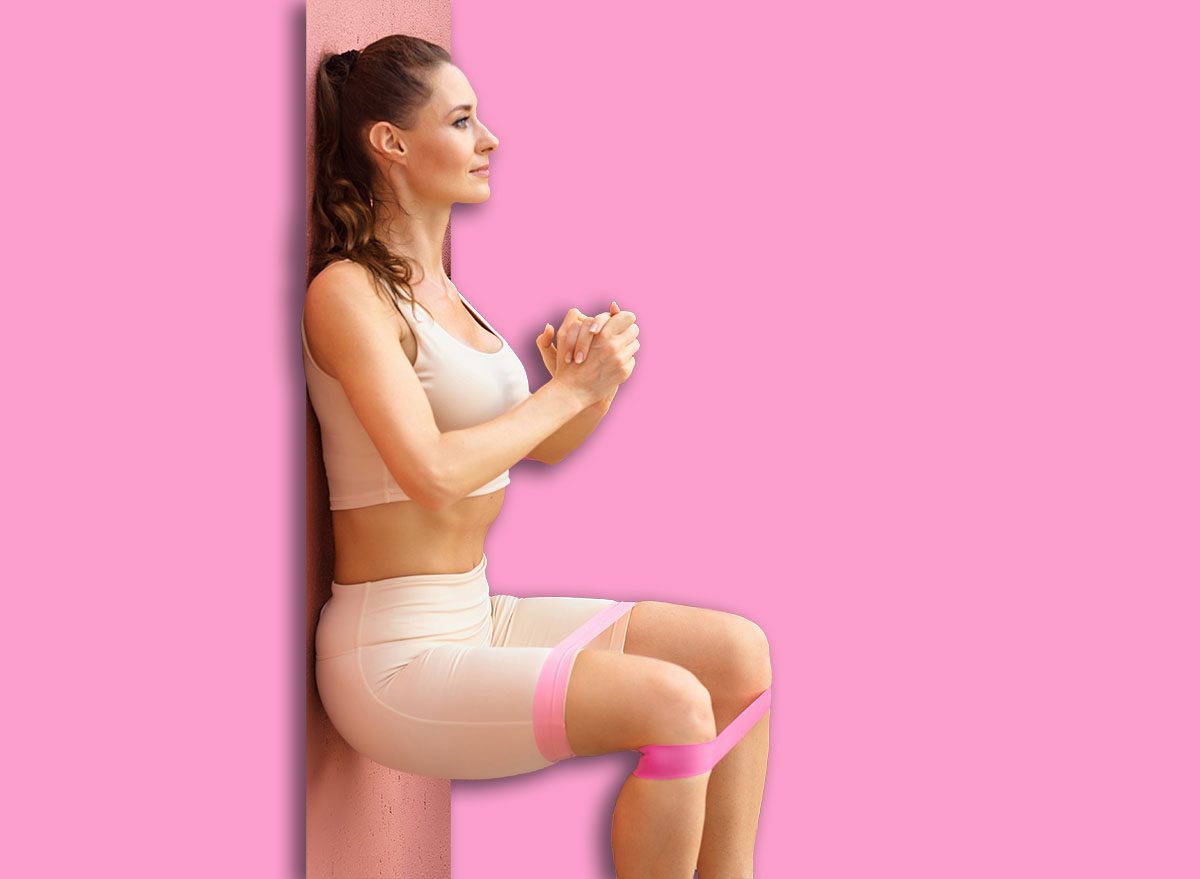
- Progressive Overload: Once you can comfortably hold a 90-second wall sit, you can introduce variations such as holding a light weight against your chest (Weighted Wall Sit) or placing a resistance band around your knees (Banded Wall Sit) to force your glutes to work harder.
- Listen to Your Joints: If you feel sharp pain in the patellar tendon (the area just below the kneecap), adjust your feet slightly or decrease the depth of your sit. The exercise should feel like muscular burning, not structural pain.
Conclusion: A Benchmark for the Future
The wall sit is more than just a test of endurance; it is a declaration of your commitment to long-term physical autonomy. In an era where sedentary lifestyles have become the norm, taking the time to measure and improve your lower-body strength is a radical act of self-care.
By prioritizing this simple, powerful assessment, you are doing more than just tracking seconds on a clock. You are building a stronger, more resilient foundation that will support you through your 60s, 70s, and beyond. Whether you are currently at 20 seconds or pushing toward 90, the path forward is the same: stay steady, stay patient, and let your strength reveal itself.