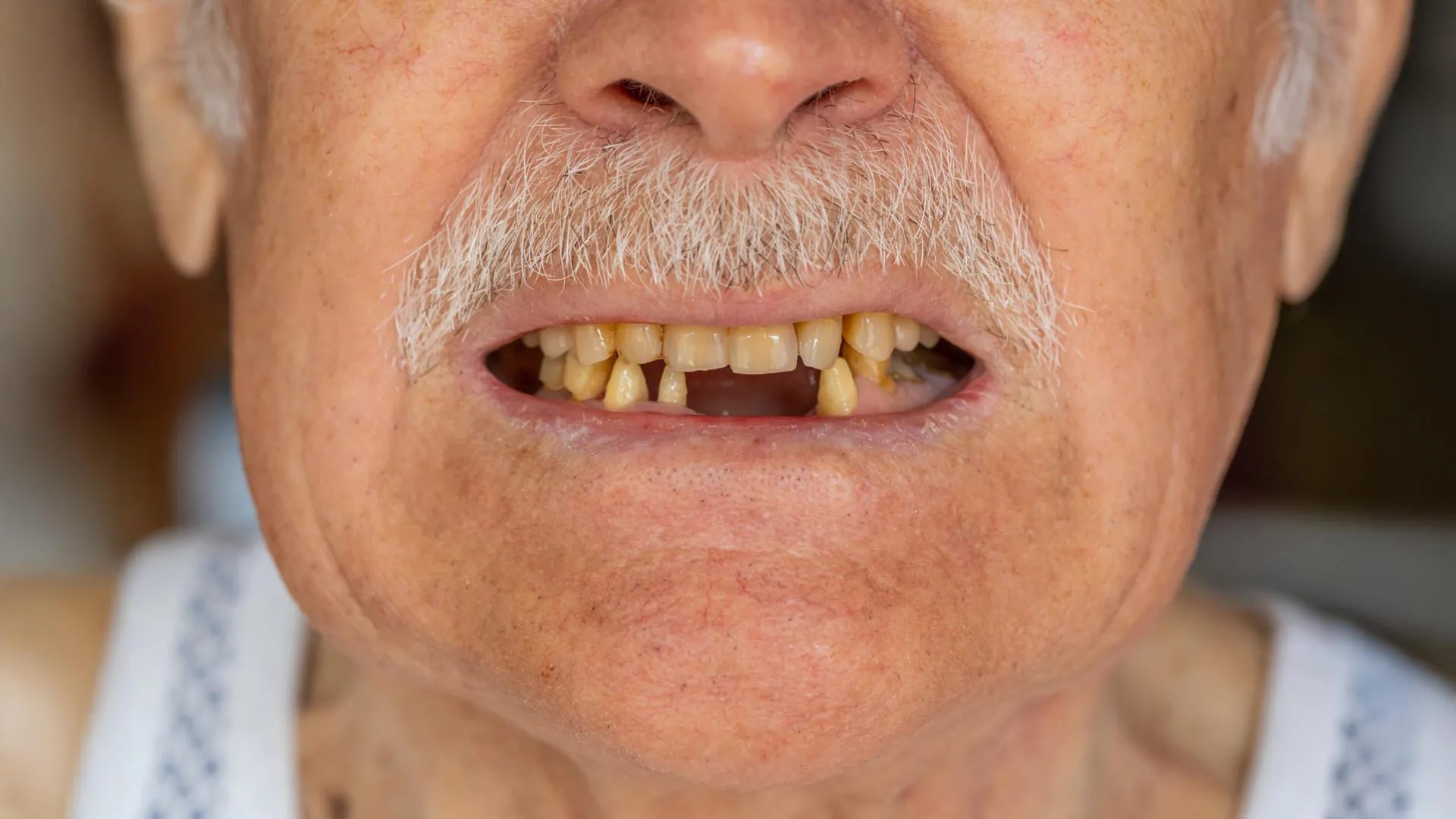
In a significant discovery that bridges the gap between dentistry and oncology, researchers at Hiroshima University have uncovered a compelling correlation between the number of natural teeth a patient possesses and their long-term survival prospects following surgery for pancreatic ductal adenocarcinoma (PDAC).
The study, published in the Journal of Hepato-Biliary-Pancreatic Sciences, suggests that oral health may serve as a critical, yet often overlooked, biomarker for a patient’s systemic resilience. As medical science continues to investigate the complex interplay between the human microbiome and chronic disease, this research offers a new lens through which clinicians may evaluate patient prognosis in one of the most challenging areas of surgical oncology.
The Gravity of the Diagnosis: Understanding PDAC
Pancreatic ductal adenocarcinoma remains one of the most formidable challenges in modern medicine. Characterized by aggressive tumor progression and often late-stage diagnosis, it is frequently cited as one of the deadliest malignancies worldwide. Even when patients undergo radical pancreatectomy—a curative-intent surgical procedure that removes all or part of the pancreas, and occasionally adjacent organs—the prognosis remains statistically sobering.
For years, the medical community has sought to identify factors that might predict why some patients thrive following resection while others face rapid recurrence or decline. While tumor biology, lymph node metastasis, and surgical margins have long been established as the primary pillars of prognosis, the "host factor"—the patient’s overall systemic health—has been more difficult to quantify.
The Oral-Systemic Health Connection
The notion that the mouth acts as a window into the body’s overall health is not entirely new. Extensive literature has previously established links between periodontal disease and systemic conditions such as cardiovascular disease, diabetes, and even adverse outcomes in colorectal and esophageal cancers.
Researchers have increasingly focused on the role of oral pathogens, particularly Porphyromonas gingivalis, which has been implicated in chronic inflammation and potential tumor progression. However, the specific influence of a patient’s dental status on postoperative outcomes in pancreatic cancer patients had remained largely speculative until the Hiroshima University study.
The Hiroshima Study: Methodology and Scope
To test the hypothesis that oral health correlates with surgical outcomes, the research team, led by Associate Professor Kenichiro Uemura of Hiroshima University’s Graduate School of Biomedical and Health Sciences, conducted a longitudinal study involving 339 consecutive patients.
The cohort consisted of individuals who underwent radical pancreatectomy at the Department of Surgery, Hiroshima University Hospital, between 2014 and 2022. Every participant underwent a comprehensive dental examination prior to their surgery. The researchers utilized two primary metrics to gauge oral health:
- The number of natural teeth remaining.
- The status of posterior occlusion (the contact between premolars and molars, which dictates chewing function).
By controlling for well-established prognostic factors—including tumor stage, the presence of lymph node metastasis, the quality of surgical margins, the administration of postoperative chemotherapy, and the patient’s nutritional status—the team sought to isolate the specific impact of oral health on long-term survival.
A Two-Year Divide: The Statistical Findings
The results of the study were striking. The data revealed a profound disparity in survival outcomes based on the count of natural teeth.
Patients who retained 21 or more natural teeth demonstrated a median overall survival of 60.7 months. In contrast, patients with 20 or fewer natural teeth showed a median survival of just 39.1 months. This represents a difference of nearly two years—a significant margin in the context of pancreatic cancer care.
Perhaps most intriguingly, the study found that the mechanical act of chewing, as measured by posterior tooth occlusion, was not independently associated with survival. This suggests that the number of teeth is not merely a tool for mastication, but rather a "biomarker" for a lifetime of health-related variables.
Interpreting the Data: What Tooth Loss Represents
If the ability to chew is not the primary driver of the survival gap, what is? Dr. Uemura and his colleagues argue that tooth loss is likely a proxy for accumulated biological stress.
"Tooth loss may represent more than oral function alone," Dr. Uemura explained. "It may reflect lifelong chronic inflammation, frailty, nutritional condition, lifestyle factors, and overall systemic vulnerability accumulated over decades."
In this framework, the mouth serves as a ledger of a person’s history. An individual who has lost a significant number of teeth may have experienced systemic issues—such as chronic metabolic inflammation, poor dietary habits, or limited access to preventative healthcare—that have eroded their bodily resilience over time. When such a patient is then subjected to the extreme physiological trauma of a radical pancreatectomy, they may lack the underlying biological reserves necessary to recover and combat cancer recurrence effectively.
Official Perspectives: The Clinical Implications
The research team is careful to acknowledge the limitations of their findings. Because the study was conducted at a single center and restricted to patients of Japanese ethnicity, the results cannot yet be generalized to a global population.
"Our ultimate goal is to establish a new perspective in pancreatic cancer care," said Dr. Uemura. "Prognosis may depend not only on tumor biology but also on the patient’s long-term systemic condition and oral health environment."
The researchers emphasize that the integration of oral health assessments into the perioperative management of cancer patients could be a low-cost, high-impact intervention. If a patient is identified as being at higher risk due to poor oral health, clinicians might tailor their preoperative nutritional support or postoperative monitoring to mitigate those risks.
Future Research Directions
The Hiroshima team is now looking toward the next phase of investigation. They intend to move beyond simple tooth counts to explore the biological mechanisms at play. Specifically, they aim to study how oral microbiota interact with the systemic inflammatory response in the context of pancreatic tumor progression.
Furthermore, they advocate for larger, multicenter, and international studies to validate their findings. By expanding the demographic and geographic scope of the research, the scientific community can determine whether the "tooth count index" can serve as a universal prognostic tool in surgical oncology.
The Future of Personalized Cancer Care
The implications of this study reach far beyond the dentist’s chair. If confirmed, this research could pave the way for a more holistic approach to cancer management—one that treats the patient as a biological system rather than just a tumor site.
"We hope oral health assessment may eventually become part of personalized risk stratification and perioperative management for pancreatic cancer patients," Dr. Uemura stated.
As the medical community continues to embrace precision medicine, the realization that a simple dental exam could provide clues to a patient’s long-term survival underscores the interconnected nature of human biology. For clinicians treating pancreatic cancer, the message is clear: the road to better survival outcomes may start with the health of the mouth, reflecting the body’s long-term resilience against disease.
Study Credits:
- Principal Investigator: Kenichiro Uemura
- Lead Author: Kaoru Seo
- Contributing Authors: Kenjiro Okada, Tatsuaki Sumiyoshi, Ryuta Shintakuya, Shinya Takahashi, Hiromi Nishi, Hiroyuki Kawaguchi, and Yoshiaki Murakami.
- Affiliations: Hiroshima University, Hiroshima University Hospital, and Hiroshima Memorial Hospital.