For millions of men and women over the age of 60, the quest to address loose, sagging skin is a multi-billion-dollar industry. Walk through any pharmacy aisle, and you will be met with an array of serums, lotions, and firming creams, all promising to "restore elasticity" and "tighten" skin. However, after nearly 40 years as a personal trainer and two and a half decades overseeing the curriculum at TRAINFITNESS—the UK’s leading provider of personal training education—I have observed a consistent truth: topical treatments rarely deliver on their lofty promises.
When skin loses its structural integrity, the issue is rarely just about the surface layer. It is a structural problem that requires a structural solution. If you are navigating the complexities of aging, the secret to a firmer silhouette isn’t found in a jar; it is found in the muscle fibers beneath the skin.
The Reality of Aging Skin: A Structural Decline
To understand why exercise is the most effective tool for managing loose skin, we must first understand why the skin sags in the first place. As we cross the 60-year mark, our bodies undergo significant physiological shifts.
The Biological Breakdown
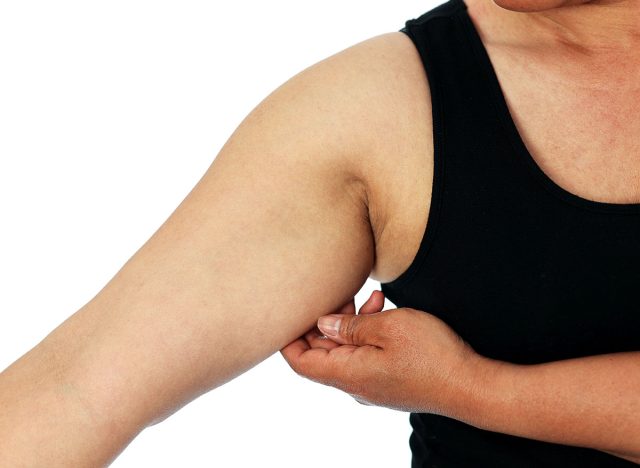
The skin’s appearance is primarily determined by two proteins: collagen and elastin. Collagen provides structural support, acting like a scaffolding, while elastin provides the "bounce" or recoil. After the age of 40, and accelerating sharply following menopause, the production of these proteins diminishes. When the skin loses this internal support, it no longer maintains the firm, taut surface it held in our youth.

The Muscle Atrophy Factor
While we often focus on the skin, the "filler" underneath is just as important. Muscle tissue provides volume and shape to the body. Over time, due to a natural process called sarcopenia (age-related muscle loss) and sedentary habits, these muscles shrink. Imagine a tent that has been pitched over a large, sturdy frame; when that frame begins to shrink, the fabric of the tent—the skin—begins to hang loosely. By rebuilding the muscle, you are effectively "filling out" the tent from the inside, restoring the shape and tension of the surface.
The Impact of Weight Fluctuation
Decades of weight gain and loss—often referred to as "yo-yo dieting"—also play a major role. Skin is elastic, but it has a limit. Repeated stretching and contracting can leave the skin’s structure permanently altered. While genetics determine how well your skin recovers, a dedicated strength training program is the only non-surgical way to improve the appearance of the area by increasing the volume of the underlying muscle mass.
The "Wall" Advantage: A Strategic Approach for the Over-60s
Many individuals over 60 are understandably hesitant to jump into traditional gym-based strength training. Concerns about balance, joint impact, and the intimidation factor of free weights often lead people to opt for "gentle" movements that fail to provide enough stimulus to trigger muscle growth.
Wall exercises serve as the perfect bridge between low-impact movement and effective hypertrophy (muscle building). By using a wall as a support, you gain stability, allowing you to focus on the contraction of the target muscle without worrying about losing your balance. This added stability enables you to work with higher intensity—a necessary component for stimulating muscle growth—safely and effectively.
Chronology of Progress: What to Expect
Transforming your physique after 60 is not an overnight process, but it is a highly rewarding one. Here is the typical timeline for those who commit to a consistent, three-to-four-day-per-week routine:
- Weeks 1–2 (Neurological Adaptation): You will likely notice that your limbs feel "firmer" to the touch. This isn’t necessarily immediate muscle growth; it is your nervous system learning to recruit muscle fibers more efficiently.
- Weeks 4–6 (Visual Change): The "mirror test" starts to lean in your favor. The underside of the arms will appear less "soft," and you may notice your posture improving, which naturally pulls the abdominal wall in.
- Weeks 8–12 (Structural Changes): Friends and family begin to notice. You will find that clothes that had been relegated to the back of the closet—specifically those that felt tight in the arms or loose in the waist—begin to fit with a new, structured silhouette.
- 3 Months and Beyond (The Long Game): Muscle building is a marathon, not a sprint. By the three-month mark, you are building the foundation that will keep you strong and mobile for the next decade.
The Four Pillars of Wall-Based Transformation
To achieve these results, you must target the specific areas where loose skin is most visible: the upper arms, the abdomen, the glutes, and the inner thighs.
1. The Wall Push-Up: Targeting "Bat Wings"
This move is the gold standard for the triceps, shoulders, and chest. By pushing against a wall, you engage the back of the upper arms, effectively firming the area that sags when the arm is extended.
- Technique: Place hands on the wall at shoulder height, slightly wider than shoulder-width. Keep your core tight and lower your chest toward the wall, keeping your elbows tucked in toward your ribs.
2. The Wall Sit: Building Lower-Body Foundation
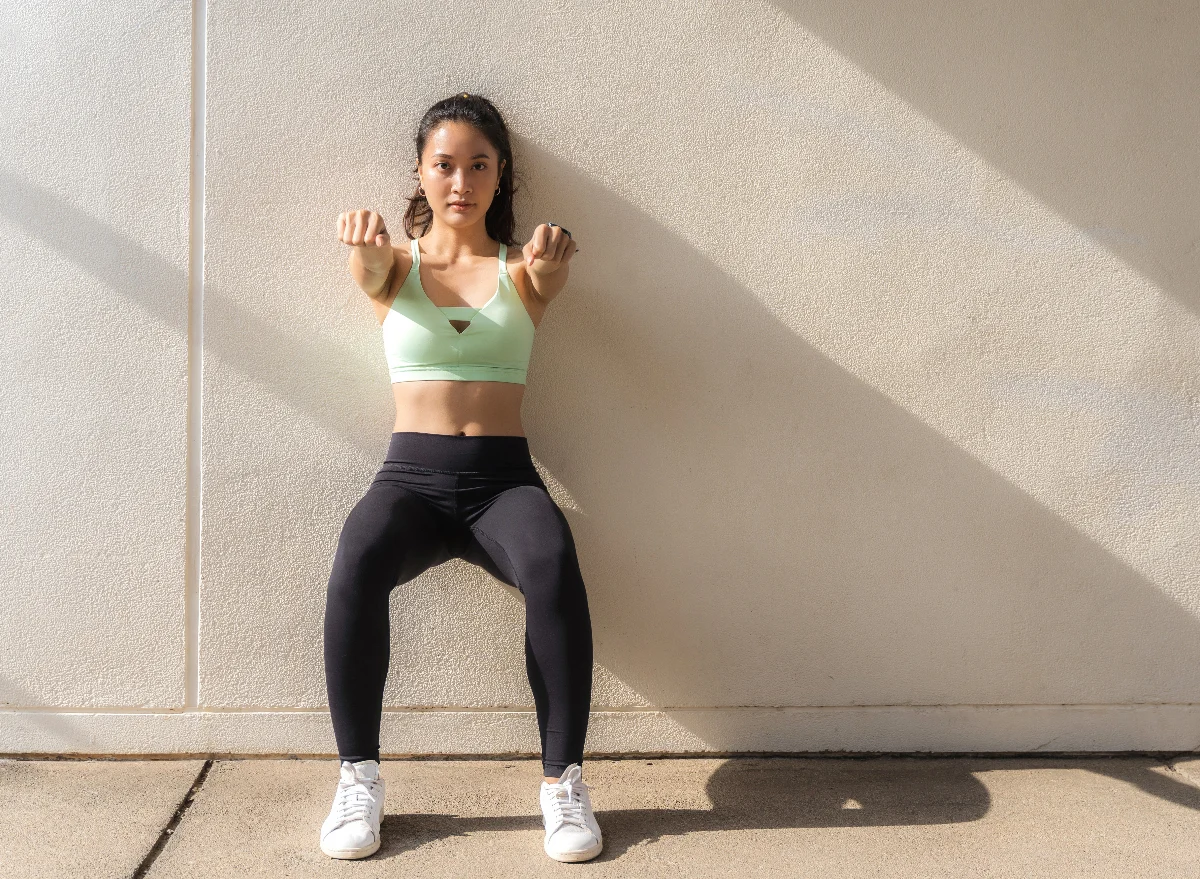
Wall sits are an isometric powerhouse. They fatigue the quadriceps and glutes without placing jarring impact on the knee joints. This creates a solid base that helps lift the appearance of the entire leg.

- Technique: Lean your back flat against a wall and slide down until your thighs are as close to parallel with the floor as comfort allows. Hold this position, focusing on driving your heels into the ground.
3. The Wall Plank: Core Stability
Unlike floor planks, which can be difficult to get into and out of, a wall plank allows you to engage your deep transverse abdominis muscles safely. This helps "suck in" the abdominal wall, creating a flatter profile.
- Technique: Stand at an angle to the wall, placing your forearms against it. Maintain a straight line from your head to your heels, keeping your glutes squeezed to prevent your lower back from arching.
4. Wall Glute Squeezes: Lifting the Posterior
The glutes are the largest muscle group in the body, and when they are weak, the skin on the back of the thighs and the glutes themselves tends to sag.
- Technique: Stand facing the wall for balance. Slowly lift one leg backward, squeezing your glute at the peak of the movement. This builds the muscle mass that "lifts" the skin on the posterior chain.
Professional Implications and Scientific Consensus
From a professional standpoint, the data is clear: strength training is the most potent anti-aging intervention available. While the beauty industry focuses on the epidermis, the physiological reality is that health and aesthetics in later life are dictated by the musculoskeletal system.
Exercise does not "tighten" skin in a literal sense—surgical excision is the only way to remove excess skin after massive weight loss—but it dramatically improves the appearance of the skin by replacing lost volume. Furthermore, the secondary benefits of these exercises are unmatched by any cosmetic procedure. You are simultaneously improving bone density (a critical factor for preventing fractures in the over-60 demographic), enhancing balance, and increasing metabolic rate.
Summary of Recommendations
If you are ready to start, remember that consistency is your greatest asset.
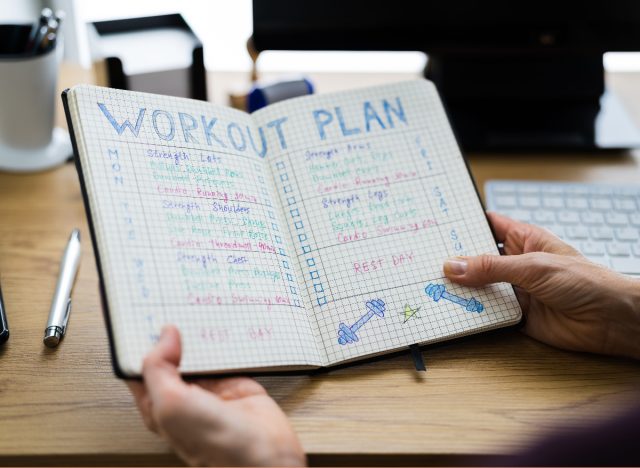
- Frequency: Perform these four moves three to four times per week.
- Rest: Muscles grow during the recovery period, not during the workout. Give yourself at least one day of rest between sessions.
- Progression: Once 15 reps become easy, look for ways to make the move harder—perhaps by standing further away from the wall or holding a light weight.
- Integration: Combine this with daily walking. Walking supports overall body composition and cardiovascular health, creating a holistic "toned" look that cosmetic treatments cannot replicate.
In the world of fitness, there is no magic pill. However, there is a very reliable, scientifically sound path to reclaiming your strength and confidence. By shifting your focus from the surface of your skin to the muscles underneath, you are taking the most effective step toward a stronger, more vibrant version of yourself.