







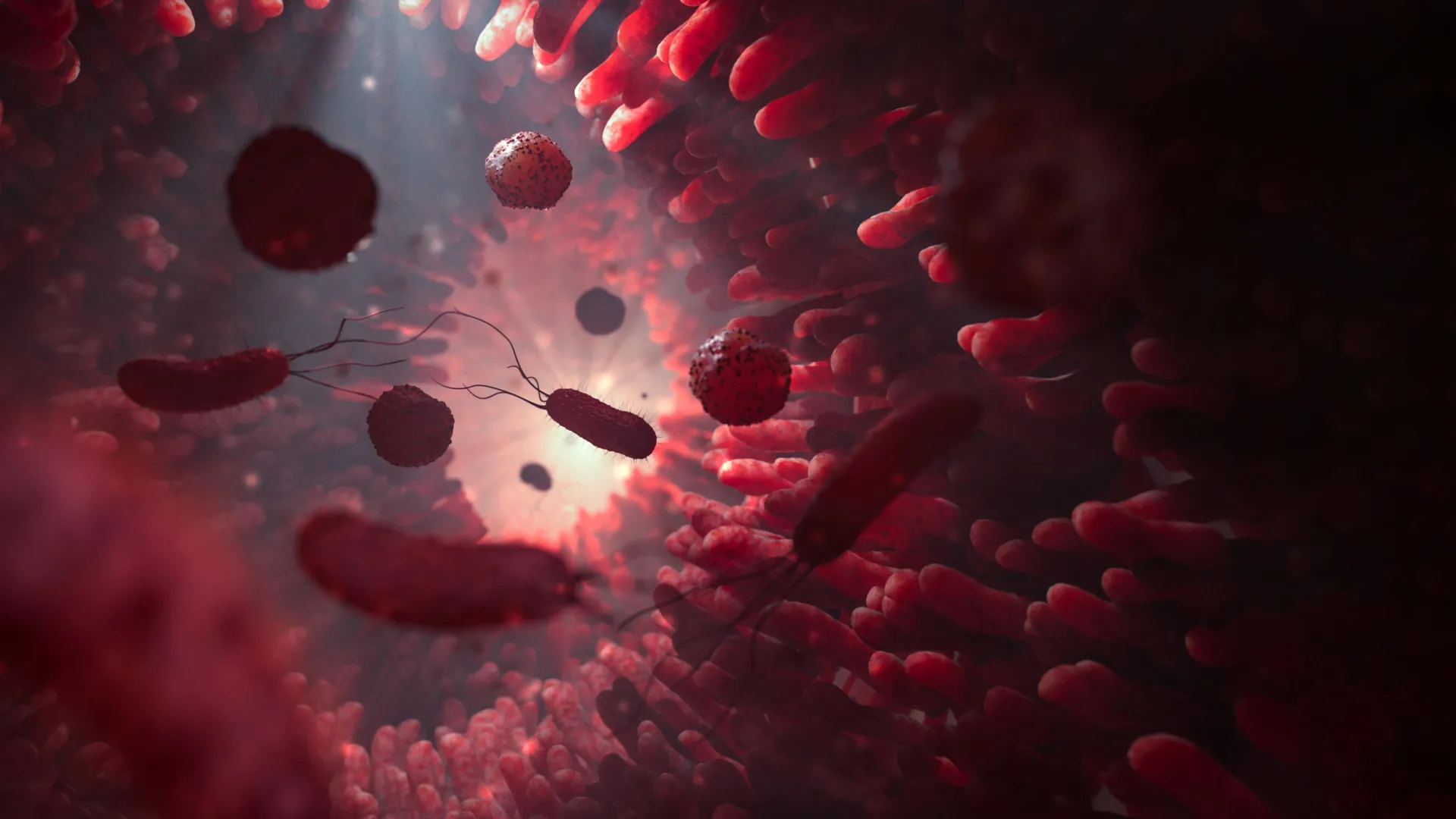
For decades, the medical community has championed plant-based diets, citing their profound benefits for cardiovascular health, immune function, and metabolic stability. While nutritionists have long attributed these perks to a diverse gut microbiome fueled by dietary fiber, the precise biochemical "handshake" between what we eat and how our bodies function has remained largely opaque.
New research from the Ludwig Institute for Cancer Research at Princeton University is now pulling back the curtain on this biological process. Led by researchers Jenna AbuSalim and Director Joshua Rabinowitz, two landmark studies—published in the Proceedings of the National Academy of Sciences (PNAS) and Nature Metabolism—challenge long-held assumptions about where our body’s most vital metabolites originate and how specific plant components dictate our internal chemistry.
The Microbiome as a Metabolic Engine: Main Facts
The primary takeaway from the team’s research is that the gut microbiome acts as a sophisticated bioreactor. When we consume plant-based foods, the fiber and protein within them are not merely "fuel"; they are signaling molecules that instruct bacteria to produce specific chemical compounds.
The research focuses on two categories of compounds: phenols and indoles. These metabolites are crucial, as they circulate throughout the body, influencing everything from systemic inflammation to cancer progression. The Princeton team discovered that diet acts as a "control switch" for this production. Specifically, fiber and a class of indigestible plant proteins—which the researchers have dubbed "proteins imitating fiber" (Prif)—can shift the metabolic output of the gut from harmful to health-promoting.
By consuming the right balance of fiber and Prif, individuals may be able to suppress the production of toxic, inflammation-inducing metabolites and bolster the synthesis of beneficial ones, potentially lowering the risk of chronic conditions, including cancer and kidney disease.
A Chronological Shift in Understanding
The journey to these findings involved a multi-year effort to map the metabolic pathways of the human gut.
- June 2024: The Nature Metabolism study was published, providing the first major pivot in the narrative. It addressed the "microbial monopoly"—the widely held, yet flawed, assumption that gut bacteria were the sole producers of specific phenol and indole metabolites.
- Late 2024 (Current Issue of PNAS): The team published their findings on "Prif" proteins, detailing how dietary choices dictate the specific chemical "flavor" of our internal environment.
Historically, scientists viewed gut metabolites as exclusively bacterial byproducts. However, by using stable isotope tracing—a technique that allows researchers to "tag" proteins and track their transformation within the body—the team observed that mammalian metabolism plays a much larger role than previously suspected. This chronological progression of research suggests that we have spent years focusing on the wrong "chef" in the kitchen; while bacteria are critical, our own mammalian metabolism is often the primary manufacturer of key health-regulating compounds.
Supporting Data: The Science of "Good" vs. "Bad" Phenols
The PNAS study provides granular detail on how plant-based components influence human health by looking at tyrosine and phenylalanine—two amino acids found in our diet.
The Tyrosine Pathway (The "Bad" Metabolites)
When gut bacteria digest tyrosine, they can produce p-cresol sulfate and phenol sulfate. These metabolites are clinically significant; they have been linked to systemic toxicity in patients with chronic kidney disease and have been associated with poorer outcomes in cancer patients. The research revealed that these harmful compounds are often produced when gut bacteria are "starved" of proper nutrients and turn to the host’s own tissues—specifically the protective mucus lining of the gut—for protein.
The Phenylalanine Pathway (The "Good" Metabolites)
In contrast, the digestion of phenylalanine yields phenylpropionate and hippuric acid. These compounds are strongly associated with metabolic health and weight management. The Princeton study demonstrated that when the diet is rich in fiber and Prif, the bacterial population shifts its focus away from the gut lining and toward the digestion of these dietary proteins. This transition effectively reduces the output of toxic phenols while increasing the concentration of beneficial ones.
The Mammalian Contribution
The Nature Metabolism study utilized mice, rats, and human cells to prove that mammalian cells can independently synthesize indole-3-lactate and indole-3-acetate—compounds previously thought to be exclusively microbial. By treating subjects with antibiotics to deplete the microbiome, the researchers observed that levels of these vital metabolites remained steady in the host, proving that the body has a built-in metabolic redundancy.
Official Responses and Expert Perspective
Dr. Joshua Rabinowitz, Director of the Princeton Branch of the Ludwig Institute for Cancer Research, emphasizes that this research is not merely an academic exercise but a roadmap for future medicine.
"There’s growing interest across medical disciplines in manipulating the human microbiome or using its metabolic products themselves for therapy," says Rabinowitz. "Diet holds great promise for controlling the microbiome and its outputs. But to devise effective therapeutic interventions, we need to understand what aspects of the diet control which microbial outputs."
Rabinowitz suggests that the industry is at an inflection point. Just as fiber became a staple of nutritional labeling, the identification of "Prif" (proteins imitating fiber) may soon change how we view food labels. "Food packaging may eventually list Prif right below fiber," he notes.
Jenna AbuSalim, the lead researcher on these studies, highlights the significance of the "Prif" discovery. "We think Prifs represent an emerging class of dietary nutrients that shape the composition of the gut microbiome and could have a far-reaching influence on metabolic health," she explains. By recognizing these indigestible proteins as active biological players, nutritionists can now move beyond broad "eat more plants" advice to more precise, molecular-level dietary prescriptions.
Implications: The Future of Precision Nutrition
The implications of these findings are vast, stretching from clinical oncology to general preventative medicine.
1. Rethinking Probiotic and Dietary Therapy
For years, the medical community has attempted to "fix" gut health by introducing probiotics. However, if the body is capable of producing many of these metabolites independently, the efficacy of certain probiotics may be overstated. Future therapies might focus less on introducing new bacteria and more on providing the "raw materials" (like Prif) that allow both the microbiome and the host’s own cells to optimize metabolite production.
2. Clinical Oncology and Chronic Disease
The connection between indole metabolites and cancer progression is one of the most promising avenues for future research. If clinicians can determine which dietary patterns successfully increase indole-3-lactate, they may be able to create supportive dietary protocols for cancer patients that enhance anti-tumor immune responses or reduce the likelihood of metastasis.
3. A New Paradigm for Nutritionists
The findings provide a scientific framework for the "food as medicine" movement. By identifying the exact mechanisms by which fiber and indigestible proteins protect the gut lining, doctors can offer more granular guidance. For patients with inflammatory bowel disease or chronic renal conditions, this could mean the difference between a neutral dietary choice and a targeted, therapeutic intervention that actively suppresses toxic metabolite production.
Ultimately, the work led by AbuSalim and Rabinowitz signals the end of the "black box" era of nutrition. We are moving toward a future where we do not just know that a plant-based diet is healthy, but we understand the precise chemical language our gut speaks—and how to ensure that our internal environment is always producing the compounds that help us thrive.
These studies were funded by the Ludwig Institute for Cancer Research, the National Institutes of Health, the National Institute of Diabetes and Digestive and Kidney Diseases, the Princeton Alliance for Collaborative Research and Innovation, and Princeton University.