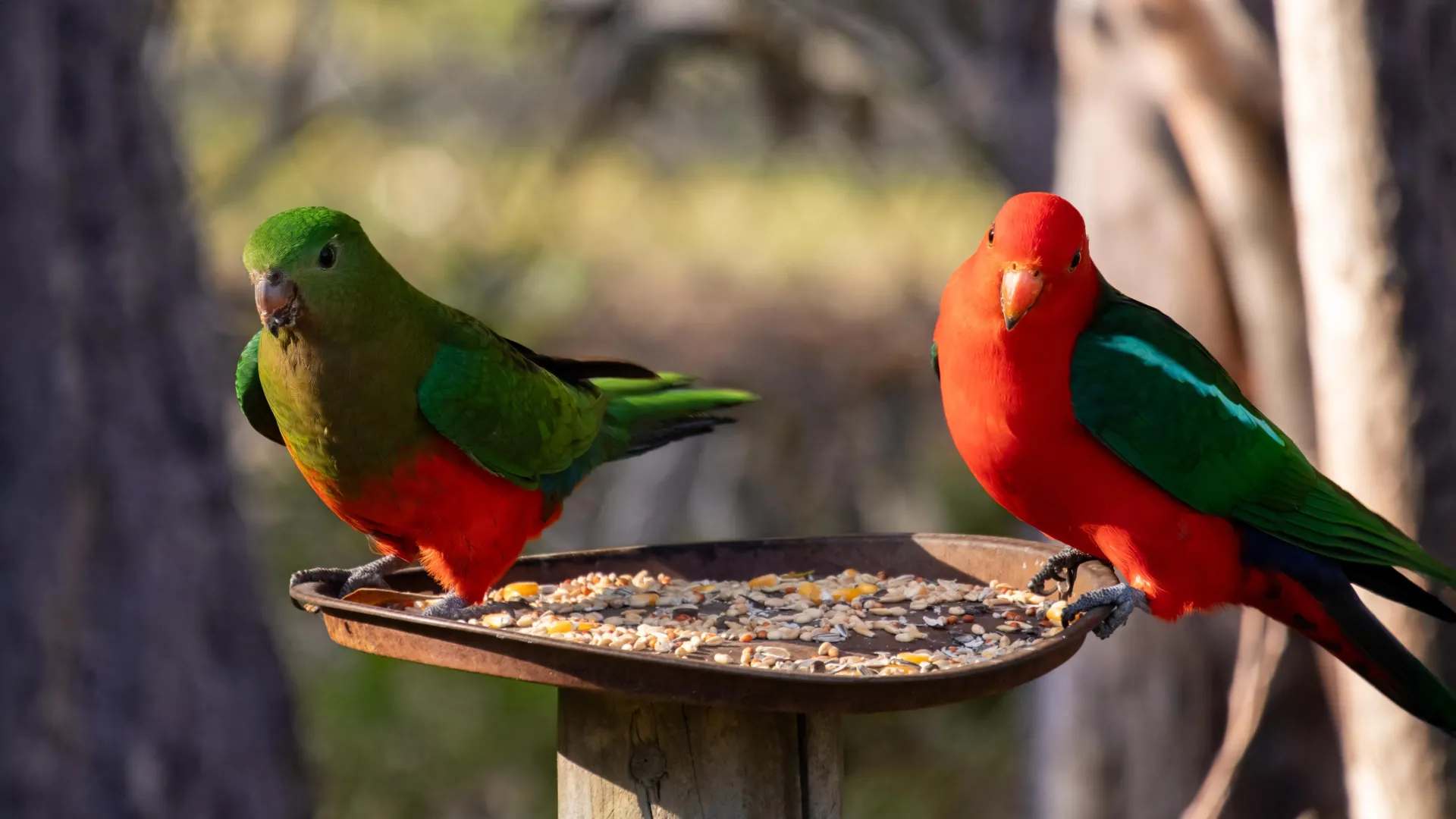
For millions of Australians, the rhythmic rustle of wings on a backyard fence and the morning arrival of rainbow lorikeets or crimson rosellas represent a cherished connection to the natural world. Research indicates that approximately half of all Australian households engage in the practice of supplementary bird feeding, with a significant portion doing so daily. It is a hobby born of altruism—an attempt to provide for avian neighbors during harsh winters or dry spells.
However, as the H5N1 strain of highly pathogenic avian influenza (HPAI) continues its alarming march across the continent, this act of kindness is increasingly viewed by scientists as a potential public health and ecological hazard. What was once a simple suburban pastime is now being scrutinized as a potential "superspreader" event, capable of turning quiet backyards into transmission hotspots for a virus that has already devastated global wildlife populations.
The Global and Local Landscape: A Pathogen in Motion
The H5N1 virus is not merely another seasonal illness; it is a virulent pathogen that has decimated wild bird and mammal populations worldwide. From the coastlines of Antarctica to the agricultural hubs of Europe and the Americas, the footprint of this strain is marked by mass mortality events.
In Australia, the situation has moved from a distant threat to a grim reality. Recent weeks have seen the death of more than 1,000 crested terns, an event that highlights the rapid, indiscriminate nature of the virus. Perhaps more concerning for researchers is the recent confirmation of H5N1 in a long-nosed fur seal—the first detection of the virus in an Australian mainland mammal. This cross-species jump serves as a stark reminder that the virus is not confined to the avian world; it is actively seeking new hosts and proving its adaptability.
Chronology of a Crisis: From Arrival to Escalation
The trajectory of H5N1 in Australia has been characterized by a rapid escalation. While Australia remained a relative sanctuary for some time compared to the rest of the world, the inevitable arrival of the virus has triggered a scramble to understand how it behaves in our unique ecosystem.
- Early Surveillance: Following the global surge of H5N1, Australian biosecurity agencies heightened monitoring of migratory flyways and sentinel wildlife species.
- Initial Detections: The virus was first identified in isolated pockets, triggering immediate protocols for wildlife carers and environmental agencies.
- The Wildlife Milestone: The recent mass mortality event involving crested terns marked a turning point, signaling that the virus had reached significant levels of prevalence in wild populations.
- The Mammalian Leap: The death of the long-nosed fur seal confirmed fears that the virus was capable of jumping into marine and land-based mammals, increasing the risk of spillover to other scavenger species, including domestic pets and, potentially, humans.
Supporting Data: Why Backyard Feeders are Vulnerable
The fundamental problem with backyard bird feeding, in the context of a pandemic, is that it artificially alters the behavior and density of wildlife. In a natural environment, birds are dispersed across vast landscapes. When humans provide food, they create a high-density "gathering place" that would never occur in nature.
The Superspreader Mechanism
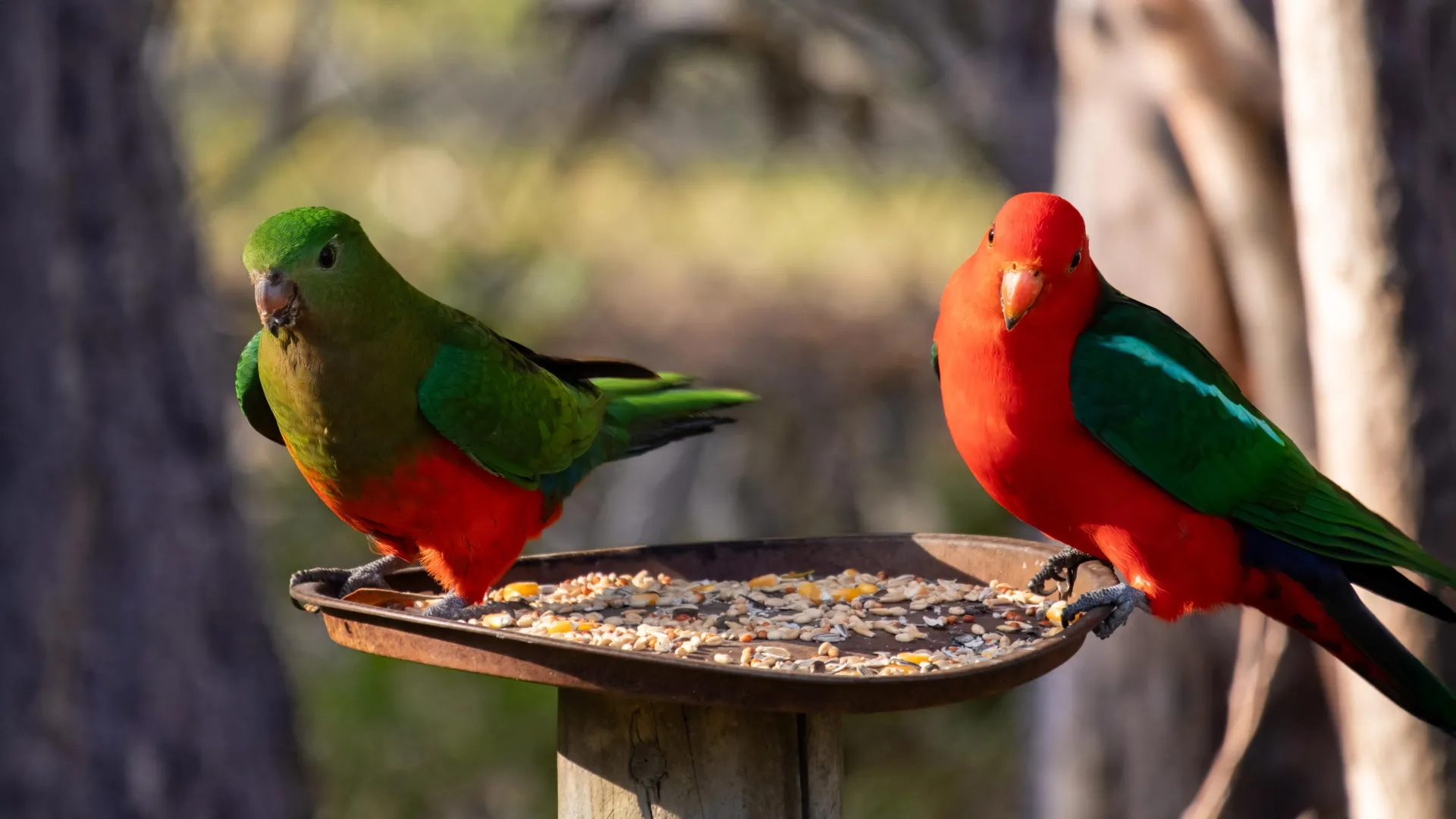
When different species congregate around a single feeding tray, the probability of viral transmission increases exponentially. A sick bird shedding the virus through saliva or droppings can contaminate a feeder, which then becomes a vector for every subsequent visitor. Studies have shown that these localized hubs act as transmission hotspots, allowing the virus to leap between species that might otherwise never have physical contact.
The Nutritional Fallacy
A common misconception among well-meaning feeders is that wild birds are dependent on human-provided food for survival. However, research suggests that most birds visiting feeders derive the bulk of their nutritional requirements from natural sources such as insects, nectar, and worms. The seeds and scraps provided by humans are often supplemental snacks rather than essential survival fuel. By continuing to provide these snacks, we are effectively incentivizing birds to cluster in high-risk zones, putting their lives at risk for a non-essential reward.
Implications: The Threat to Biodiversity and Beyond
The ecological implications of H5N1 are profound. Australia is home to numerous threatened and endangered species, such as the orange-bellied parrot. Should the virus reach these fragile populations, the consequences could be catastrophic. Because we lack comprehensive data on how many of our native species respond to H5N1, the potential for a localized outbreak to trigger a broader extinction event is a reality that conservationists are taking very seriously.
Furthermore, the threat extends to scavenger animals. Possums, red foxes, and various crow species frequently scavenge the carcasses of birds that have succumbed to the virus. In doing so, they become "dead-end" or "bridge" hosts, facilitating the spread of the pathogen through the suburban landscape and closer to human dwellings.
While human infection with H5N1 remains rare—typically resulting in only mild symptoms—the risk of the virus mutating to become more easily transmissible between humans is the primary concern of global health organizations. Close contact with wildlife, particularly by veterinarians, wildlife carers, and backyard enthusiasts, remains the most significant risk factor for zoonotic transmission.
Official Responses and Strategic Recommendations
The consensus among wildlife biologists and biosecurity experts is clear: the most effective strategy to mitigate this risk is to cease bird feeding activities entirely. By removing the incentive for birds to congregate, we can effectively "break the chain" of transmission, encouraging birds to return to their natural foraging behaviors and reducing the density of wildlife in human-adjacent areas.
A Three-Tiered Approach to Safety
For those who feel they cannot immediately cease feeding, experts suggest strict adherence to the following safety protocols:
- Strict Limitation of Supply: Reduce the frequency and volume of food provided. By keeping the food supply low, you prevent the mass congregation of birds, effectively enforcing a form of "social distancing" among the local avian population.
- The End of Hand-Feeding: Any form of direct physical interaction, such as hand-feeding, must be discontinued immediately. The potential for virus transfer during these intimate encounters is simply too high, and the risk to human health, while currently managed, is not worth the personal gratification.
- Rigorous Sanitation: If you insist on maintaining feeders, they must be treated with the same level of care as medical equipment. Regular, thorough cleaning with domestic bleach is non-negotiable. If a homeowner is not prepared to perform daily, meticulous disinfection of all feeding surfaces, they should not be feeding birds at all.
A Call for Vigilance
The current H5N1 crisis in Australia is a test of our relationship with the natural world. It requires a shift from an emotional response—the desire to "help" our backyard companions—to a rational, science-led approach that prioritizes the health of the entire ecosystem.
The birds that visit your garden will not suffer if the feeders are emptied. In fact, they may be safer, healthier, and more resilient for it. The era of the "backyard wildlife sanctuary" must, for the time being, be put on hiatus.
If you encounter sick or deceased wildlife, do not attempt to handle or move the animal. The virus can persist in the environment, and physical contact puts you at unnecessary risk. Instead, observe the following protocol:
- Do not touch any sick or dead birds or marine mammals.
- Record the exact location and, if safe to do so, take photographs from a distance to assist identification.
- Keep pets and children away from the area.
- Report the sighting immediately to the Emergency Animal Disease Hotline at 1800 675 888.
As we navigate this period of uncertainty, our priority must be to protect both the humans who care for our wildlife and the wild creatures themselves. By changing our habits today, we ensure that our backyards remain a place of beauty and biodiversity for generations to come, rather than becoming the catalyst for a wider health disaster.