











By Sydney Halleman
Published August 24, 2026
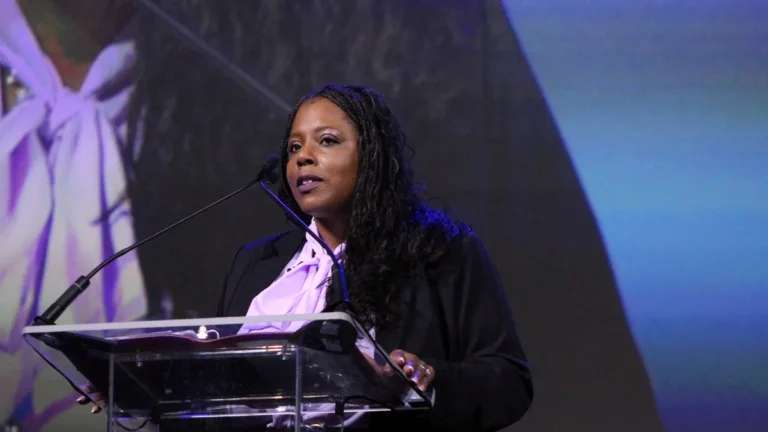
Mass General Brigham (MGB), one of the nation’s most prominent academic health systems, has announced the appointment of Karen Keady as its inaugural chief nurse executive. The strategic hire comes at a pivotal moment for the Boston-based organization, which is currently navigating a high-profile labor dispute that has seen thousands of clinicians walk off the job to demand improved working conditions and compensation.
Keady, who currently serves as the system chief nursing officer at Vanderbilt Health, is slated to join MGB on October 5. Her transition to the Massachusetts-based system follows a successful tenure at Vanderbilt, where she oversaw a workforce of over 12,000 nursing and clinical personnel. Her arrival is viewed by industry analysts as a concerted effort by MGB leadership to bridge the widening communication gap between the C-suite and the bedside nursing staff.
The Strategic Mandate: Elevating Nursing Leadership
The creation of the chief nurse executive (CNE) role signifies a structural evolution for Mass General Brigham. In her new capacity, Keady will be tasked with integrating nursing perspectives into the highest levels of the organization’s governance. According to an official release from the health system, Keady will work in tandem with existing nursing leadership and clinical executives to foster an environment centered on employee well-being, clinical excellence, and professional development.
By serving on the system’s senior committees, Keady is expected to provide a consistent, executive-level voice for the nursing profession. This is a departure from traditional models where nursing leadership was often siloed within individual hospitals, rather than integrated into the overarching strategic and operational decision-making processes of a massive health system.

"The appointment marks an important milestone in Mass General Brigham’s commitment to elevating nursing leadership across the system," the health system stated in a recent press release. "It ensures that nurses have a strong, consistent voice in the clinical, operational, and strategic decisions that define our future."
Chronology of Recent Events
To understand the weight of Keady’s appointment, one must look at the recent volatility within the MGB system:
- Mid-2026: Tensions between administration and frontline staff began to escalate as inflation and staffing shortages intensified across the state of Massachusetts.
- July 2026: Negotiations between the Massachusetts Nurses Association (MNA) and MGB reached an impasse, with staff citing unsustainable patient ratios and stagnant wage growth.
- Late July 2026: Approximately 4,000 nurses at Brigham and Women’s Hospital and 450 clinicians at MGB Home Care initiated a historic walkout. This event marked the largest nurse and healthcare worker strike in the history of the Commonwealth.
- August 11, 2026: The MNA reported that MGB leadership had declined to schedule further negotiations, leaving the two parties in a state of suspended communication.
- August 20, 2026: Vanderbilt Health announced Keady’s departure, citing her move to the new executive leadership role at Mass General Brigham.
- August 24, 2026: MGB formally announces the hiring of Keady, signaling a new chapter in its management of the nursing workforce.
Supporting Data: The Scale of the Crisis
The challenges facing Mass General Brigham are representative of a broader national trend in healthcare, where the post-pandemic landscape has left many systems struggling to retain talent.
The strike involving over 4,450 clinicians is not an isolated incident but a symptom of systemic fatigue. According to labor experts, the average nurse-to-patient ratio in major urban hospitals has become a central point of contention. Workers at MGB have explicitly stated that their demands—which include wage increases to keep pace with the cost of living and the protection of essential patient care services—are necessary to prevent "burnout-induced exodus."
Data from the Bureau of Labor Statistics and independent nursing research indicates that hospitals with robust, nurse-led executive structures tend to see higher retention rates. By hiring Keady, MGB is essentially betting that a high-level advocate can mitigate the friction that led to the July walkout. However, the success of this strategy remains dependent on whether the administration grants the new CNE the autonomy required to influence actual contract negotiations.

Official Responses and Stakeholder Perspectives
The response to Keady’s appointment has been mixed, reflecting the deep-seated skepticism currently felt by the rank-and-file staff.
From Mass General Brigham:
The organization has framed the appointment as a proactive step toward culture change. "We are committed to our people," the system reiterated. "Karen Keady brings the exact blend of clinical expertise and administrative leadership required to steer our system through this complex transition."
From the Massachusetts Nurses Association (MNA):
The union’s stance remains one of cautious observation. While they have long advocated for a greater nursing presence at the board level, they remain focused on the current contract negotiations. A representative for the MNA noted that while they welcome any move toward better leadership, "a title change at the top does not replace the need for a fair contract at the table."
From the Academic and Clinical Community:
Industry observers have lauded Keady’s pedigree. During her time at Vanderbilt, she was credited with implementing several initiatives designed to support clinical staff, including revamped leadership development programs and expanded education pathways. Her ability to navigate the complex, matrixed environment of a major health system will be her primary asset in Boston.
Implications for the Future of MGB
The appointment of Karen Keady carries significant implications for the future of Mass General Brigham and the wider healthcare landscape in New England.

1. Cultural Reconciliation
The most immediate challenge for Keady will be rebuilding trust. The strike has left a visible scar on the relationship between management and staff. Her ability to serve as an effective intermediary will be tested in the coming months as she attempts to harmonize the demands of the nursing union with the fiscal realities of the health system.
2. Standardizing Nursing Excellence
As a "system" CNE, Keady’s goal will be to standardize the nursing experience across all MGB-affiliated facilities. This includes leveling the playing field regarding resources, training, and clinical autonomy. If successful, this could reduce the disparity between different hospitals within the MGB network and create a more unified, resilient workforce.
3. The New Executive Model
MGB is moving toward a more centralized model of clinical governance. By placing a nurse at the senior-most level of the organization, the system is acknowledging that clinical outcomes are inextricably linked to nursing satisfaction. This shift could set a precedent for other large health systems, potentially triggering a trend where "Chief Nurse Executive" becomes a standard, rather than optional, role in high-level hospital management.
4. Resolving the Labor Impasse
Ultimately, the success of this appointment will be measured by the conclusion of the ongoing labor dispute. If the MNA and MGB can reach a contract agreement, Keady will be credited with ushering in a new era of collaborative management. If, however, the dispute remains deadlocked, the appointment of a new executive may be viewed by the public and the staff as a superficial measure, potentially further eroding morale.
Conclusion: A Delicate Balancing Act
As Karen Keady prepares to step into her role on October 5, she does so under the scrutiny of thousands of clinicians, a powerful union, and a healthcare market in flux. The creation of the chief nurse executive position is a bold acknowledgment that the status quo is no longer sufficient.

Whether this transition marks a permanent shift toward improved labor relations or simply a change in personnel will depend on the power afforded to Keady and the willingness of MGB’s executive board to yield on core issues of worker compensation and patient care standards. For now, the healthcare industry remains in a state of anticipation, waiting to see if a new voice in the boardroom can effectively bridge the divide at the bedside.